
Why your tetanus booster status matters more for outdoor hobbies
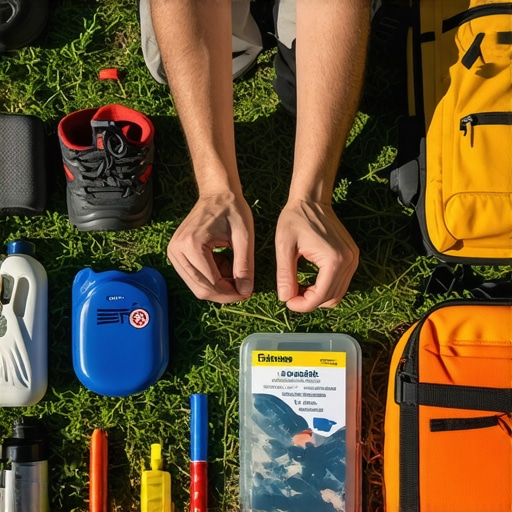
It was a sunny Saturday afternoon, and I was eagerly working in my garden, planting new flowers and trimming back some thorny bushes. Suddenly, I accidentally punctured my hand on a rusty garden tool. In that instant, I realized just how easily a minor outdoor mishap could turn into a health crisis—if I wasn’t properly protected. That moment was my lightbulb moment: I had been neglecting my tetanus booster, assuming it wasn’t a big deal. But after digging into the facts, I discovered that maintaining an up-to-date tetanus shot isn’t just about avoiding lockjaw—especially for outdoor enthusiasts like us.
Protect Yourself While Enjoying the Outdoors
Many outdoor hobbies come with a risk of skin injuries, cuts, or punctures from rusty nails, thorny bushes, or rough terrain. These seemingly small incidents can lead to tetanus—a serious bacterial infection that affects your nervous system. Shockingly, according to the Centers for Disease Control and Prevention, tetanus remains a health concern in the U.S., with around 30 cases reported annually. The good news? It’s easily preventable with an updated booster shot.
But here’s the catch: I used to think a tetanus booster was just a routine inconvenience—something to get every ten years and then forget about. That was a costly mistake. Early in my outdoor adventures, I overlooked my vaccination schedule, wrongly believing I was protected because I’d had the shot years ago. It only took one recent scare—a tiny scrape from a fallen branch—to remind me how critical it is to stay updated.
If you’ve ever found yourself in the middle of a hike, gardening, or camping trip and thought, “Maybe I should check my shots,” you’re not alone. Many outdoor lovers underestimate the importance of their immunization status until it’s almost too late. Today, I want to share the importance of staying current on your tetanus shots and how it can save you from a lot of unnecessary suffering.
Is Tetanus Vaccination Really Worth the Fuss?
Early on, I made the mistake of assuming my last booster—many years ago—was still enough. That cost me peace of mind for a while. What I didn’t realize then was that immunity can wane over time, especially if you haven’t had a booster in more than five years. This misunderstanding could be dangerous, especially for those of us frequently engaged in outdoor activities.
To avoid falling into the same trap, it’s essential to stay informed about your vaccination status. Regularly reviewing your immunization history and consulting with healthcare professionals can help ensure you’re protected. For more detailed guidance on vaccination schedules, check out [this resource](https://vitalclinicmd.com/personalized-vaccination-schedules-for-better-disease-prevention).
Do you know the last time you got your tetanus shot? Or have you ever faced hesitation about whether you’re protected? If so, you’re not alone, and there’s a simple way to find out—by scheduling a quick consultation or lab test to verify your immunity. Stay tuned as we explore the practical steps to keep your vaccinations up to date and safeguard your adventures.
Schedule a Quick Lab Test to Confirm Your Immunity
My own experience taught me that assuming I was protected without proof was risky. I booked an appointment for a simple blood test to measure my tetanus antibody levels. This step is straightforward and can be done via telehealth consultations, which connect you with licensed clinicians to order the necessary labs without leaving your home. You can review the [role of lab tests in preventive wellness](https://vitalclinicmd.com/understanding-the-role-of-lab-tests-in-preventive-wellness) to understand how these tests identify hidden risks early. After the testing, you’ll receive your results digitally, allowing you to determine if your immunity has waned and whether a booster is needed—saving you from surprises during outdoor activities.
Utilize Telehealth for Personalized Vaccination Advice
Once you understand your antibody status, the next step is to consult a healthcare professional who specializes in vaccination planning. Telehealth services make this easy—no waiting rooms, no travel, just a video call where your provider reviews your lab results and discusses your lifestyle. This virtual approach ensures that your vaccination schedule is tailored specifically for your needs, enhancing protection without unnecessary shots. To learn more about leveraging telehealth for wellness, visit [this resource](https://vitalclinicmd.com/understanding-the-role-of-lab-tests-in-preventive-wellness). During the consultation, you’ll receive personalized guidance on when to get your booster shots, considering your outdoor habits and previous vaccination history.
Follow a Clear, Actionable Boosting Plan
Based on your lab results and professional advice, you’ll craft a simple plan to update your tetanus vaccine. This involves scheduling an appointment for the booster—an easy process that can often be arranged through the same telehealth platform or local pharmacy. Remember, frequent outdoor activities naturally increase your exposure risk, so staying current is vital. For detailed vaccination schedules aligned with your lifestyle, check [this resource](https://vitalclinicmd.com/personalized-vaccination-schedules-for-better-disease-prevention). After the shot, record the date and set reminders to stay on top of your immunization schedule, ensuring ongoing protection. This proactive approach minimizes future health risks, allowing you to enjoy outdoor pursuits confidently and safely.Many believe that telehealth, vaccinations, and lab tests are straightforward tools for preventive care, but the reality is more nuanced. A common misconception is that a single lab test can tell you everything about your health, leading many to overlook the importance of comprehensive panels or repeated testing. As highlighted in [understanding-the-role-of-lab-tests-in-preventive-wellness](https://vitalclinicmd.com/understanding-the-role-of-lab-tests-in-preventive-wellness), relying solely on limited tests can give a false sense of security.
Another illusion is that vaccinations, especially for adults, aren’t necessary if they believe they’re already protected. However, immunity can wane over time, and many folks underestimate the importance of personalized immunization schedules. For a deeper dive, see [vaccinations-myths-busted](https://vitalclinicmd.com/vaccinations-myths-busted-what-you-need-to-know-in-2025-at-1207-pm), which dissects common misconceptions.
In the realm of telehealth, a widespread myth is that virtual care is less effective than in-person visits. While convenient, this view fails to recognize the advancements making telehealth highly capable of delivering precise guidance, especially when combined with lab tests. To understand how virtual care is transforming wellness, review [telehealth-insights](https://vitalclinicmd.com/telehealth-insights-the-future-of-accessible-healthcare-services).
A significant trap many fall into is thinking that lab tests or telehealth are standalone solutions. In reality, their true power emerges when integrated, allowing for tailored plans that catch issues early and prevent costly interventions later. For example, combining lab results with expert telehealth advice can help identify hidden health risks before symptoms manifest, as discussed in [maximizing your wellness](https://vitalclinicmd.com/maximize-your-health-combining-vaccinations-and-lab-testing-strategies).
Advanced consumers recognize that these tools are part of a larger ecosystem — personalized data, ongoing monitoring, and professional interpretation are vital. For anyone serious about their health, understanding this synergy is crucial. The mistake is assuming that a quick test or a single telehealth consult is enough; true wellness depends on continual, informed engagement.
So, what about the common myth that routine health checks are unnecessary? In fact, the opposite is true. Regular assessments, including specific markers like C-reactive protein or ferritin levels, can reveal early inflammation or deficiencies that standard exams may miss ([the-essential-lab-tests](https://vitalclinicmd.com/the-essential-lab-tests-you-need-for-accurate-vaccination-planning)).
In conclusion, integrating telehealth, personalized lab testing, and vaccination planning into your wellness strategy requires nuance. It’s about understanding the limitations of each tool and leveraging their combined potential to stay ahead of health issues. Are you aware of the gaps in your current approach? Take a closer look if you’re relying on generic recommendations — your health deserves precise, proactive attention.
Have you ever fallen into this trap? Let me know in the comments.Maintaining your health over the years requires a combination of effective tools, consistent routines, and informed decision-making. One of my preferred tools is a reliable digital health tracker, such as the Oura Ring, which monitors sleep quality, activity levels, and physiological stress markers continuously. I rely on it because it provides real-time data that helps me adjust my lifestyle proactively, rather than waiting for symptoms to appear. Regularly reviewing these metrics allows for early detection of imbalances, facilitating timely interventions. For instance, noticing elevated resting heart rate or decreased sleep duration can prompt me to prioritize stress management or modify my routines accordingly.
In addition, I use a telehealth platform that offers integrated lab test ordering and results review, streamlining the process of staying current with key health markers. This approach minimizes the hassle of in-person visits and enables me to schedule tests like vitamin D levels, lipid panels, or inflammatory markers from home. The ability to connect digitally with healthcare providers means I can discuss results promptly and adjust my wellness plan without delay. To deepen your understanding of how lab tests can reveal hidden health risks, explore [this resource](https://vitalclinicmd.com/understanding-the-role-of-lab-tests-in-preventive-wellness).
Beyond tools, I advocate for a structured supplementation routine based on personalized blood work. For example, if your tests indicate suboptimal vitamin B12 or magnesium levels, targeted supplementation can yield significant long-term benefits. Regular reassessment ensures that these supplements evolve with your body’s changing needs, preventing deficiencies before they manifest as health issues.
Prediction-wise, the future of wellness leans toward more integrated and personalized systems—think wearable devices combined with AI-driven analytics offering tailored health insights. As these technologies become more advanced, the potential for sustained health optimization will expand exponentially.
**How do I keep my health tools effective over the years?** The key is consistency combined with periodic reassessment. Updating your devices and testing protocols ensures they provide accurate data, avoiding the pitfalls of outdated technology or forgotten baseline references. For instance, routinely updating your telehealth account information or refreshing your lab testing schedule helps maintain a clear picture of your wellness trajectory.
I encourage you to try integrating a comprehensive health tracker like the Oura Ring with scheduled lab tests ordered via telehealth services. This combination can revolutionize how you approach maintenance, transforming reactive care into proactive wellness management. Remember, the goal is not just to address issues when they arise but to prevent them—continuous monitoring enables this shift.
By adopting these specific tools and strategies now, you’ll set a strong foundation for enduring health. Don’t wait for symptoms; start optimizing your wellness journey today.
What I Wish I Knew When I Started Investing in My Wellness Journey
One of the biggest realizations I had was that tools like telehealth and lab tests are powerful, but their true benefit comes from understanding their limitations and integrating them into a proactive health strategy. I once believed that a single blood test or a virtual consultation could provide all the answers—only to discover that health is a dynamic puzzle, and these tools are pieces that must be regularly updated and interpreted.
Another lesson was that personal health management isn’t just about reacting to symptoms. It’s about continuous monitoring and adjusting—like scheduling routine lab work to catch early signs of imbalance, even when I felt perfectly fine. This approach has kept small issues from turning into serious problems, and I now see prevention as an ongoing journey, rather than a one-time fix.
Third, I learned to trust personalized data over generic advice. Relying solely on standard checkups or broad vaccination schedules can leave gaps. By leveraging personalized lab testing and consulting with remote healthcare providers, I tailored my wellness protocols to my unique needs—making every step more effective.
Tools That Changed My Wellness Perspective
My essential toolkit includes a telehealth platform that allows me to order specialized lab tests from home, ensuring I stay current without the hassle of clinic visits. I trust [this resource](https://vitalclinicmd.com/understanding-the-role-of-lab-tests-in-preventive-wellness) for understanding how these tests help identify hidden health risks early on.
Additionally, wearable devices like the Oura Ring give me real-time insights into my health markers, enabling adjustments before issues manifest. These tools empower me to be an active participant in my health, rather than simply a patient waiting for symptoms.
Finally, I value expert guidance tailored to my lifestyle—whether through virtual consultation or advanced lab testing—because personalized insights make all the difference in creating an effective wellness plan.
Embrace the Future of Wellness Today
Your wellness journey can be as innovative and personalized as you choose. By integrating telehealth, advanced lab testing, and continuous monitoring, you build resilience and confidence. The goal isn’t just to react to health issues but to anticipate and prevent them—ensuring you stay at your best for years to come. Begin today, and watch how small, consistent steps turn into a healthier, happier life.