
The Real Reason You Need a Whooping Cough Booster Before Visiting a Newborn
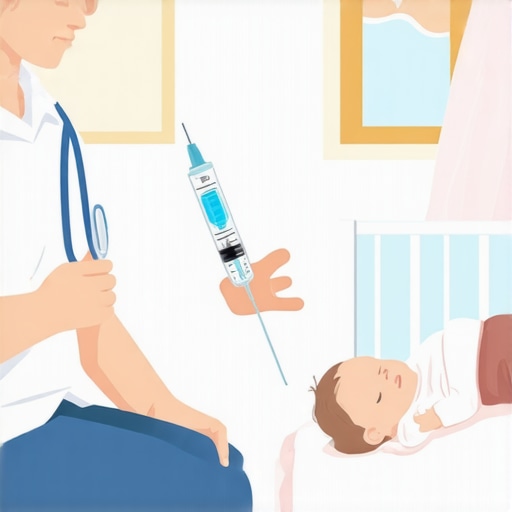
I remember the moment clearly—standing in my friend’s living room, nervously clutching a gift, when it hit me. My phone buzzed unexpectedly, and I saw the reminder, “Have you had your Tdap shot lately?” It was a lightbulb moment. I had recently skipped my booster, thinking I was fine, only to realize how easily whooping cough can spread from adult to fragile newborns, sometimes with devastating consequences. That day, I learned that protecting the tiniest family members isn’t just about your health—it’s about conscience and community.
The Hidden Risk of Standing Unprotected
Every year, thousands of infants contract whooping cough—also known as pertussis—despite high vaccination rates. What’s more alarming is how easily it spreads, especially when adults and caregivers haven’t kept their boosters current. The reality is, even a single missed shot puts a vulnerable baby at unnecessary risk. I’ve seen firsthand how a preventable disease can impact families, and it’s not a scare tactic—it’s a matter of real safety.
But here’s the thing: many of us underestimate the importance of staying updated on vaccines like the Tdap, especially when visiting newborns or pregnant friends. Early on, I made the mistake of assuming a regular tetanus shot was enough—until I learned that the pertussis component doesn’t last forever and needs reinforcement. For health tips and strategies on how best to protect loved ones, check out how to maximize your health combining vaccinations and [lab-testing strategies](https://vitalclinicmd.com/maximize-your-health-combining-vaccinations-and-lab-testing-strategies).
Have you ever been unsure whether your immunizations are current for the kind of close contact that visits with newborns require? If so, you’re not alone. But the good news is—there’s a clear plan to ensure you’re protected, and I’ll show you how in this post.
Is the Booster Really Necessary or Just Another Trend?
Initially, I thought I’d be fine without catching the latest advice. I believed my last shot years ago was enough. Turns out, I was wrong. The CDC recommends getting a Tdap booster every ten years; otherwise, immunity wanes, leaving you vulnerable to transmission, which is dangerous for a newborn with an immature immune system. My mistake? I didn’t check if I was due for a booster—something that could be the difference between safety and risking an outbreak. For more insights on staying ahead with vaccinations, read about [common misconceptions and the facts about boosters](https://vitalclinicmd.com/vaccinations-myths-busted-what-you-need-to-know-in-2025-at-1207-pm).
Knowing your vaccination status isn’t just about personal health; it’s about responsibility. If you’ve ever faced this dilemma, wondering whether your ‘old’ shot is still effective, you’re in the right place. We’re about to unpack the simple steps to stay protected, ensuring your next visit, especially to a newborn, is safe and worry-free.
Assess Your Current Immunization Status
Start by reviewing your vaccination history. Check if you’ve received your latest Tdap booster, which is recommended every ten years. Gather any vaccination records, whether from your doctor, pharmacy, or past health checkups. If you’re unsure or missing records, consider contacting your primary care provider or local immunization registry. This initial step clears the path for targeted efforts.
Consult Reliable Lab Testing Strategies
Next, determine if you need lab tests to verify immunity or identify hidden health risks. Visiting a clinic that offers comprehensive testing can help you understand your antibody levels and catch deficiencies early. For instance, lab tests reveal critical insights about your immune status, guiding personalized vaccination needs. Remember, similar to a detective gathering clues, these tests uncover what’s unseen, ensuring that your protection plan is precise.
Schedule and Prepare for Vaccinations
Once you know which vaccines or boosters you need, schedule an appointment. Whether via telehealth or in-person, many clinics now utilize telehealth services for convenient consultations. Before vaccination, follow specific preparation tips: stay hydrated, avoid aspirin or blood thinners if advised, and inform your provider about allergies. Think of this as tightening the safety net around your immune system.
Use Telehealth for Expert Guidance
Leverage virtual care to discuss your health data, vaccine options, or concerns. Telehealth platforms enable quick consultations, so you can receive professional advice without leaving home. This approach is akin to having a healthcare expert in your pocket, guiding your choices efficiently. For the latest innovations, check telehealth insights and see how virtual care is transforming wellness management.
Track and Confirm Your Immunization Progress
Maintain organized records of your vaccinations and lab results. Use digital tools or secure apps to monitor upcoming boosters or tests. Confirm that your history is up-to-date, especially before traveling or visiting vulnerable individuals. This proactive step is like keeping a health journal, minimizing the risk of missed doses or outdated immunity.
Stay Educated and Avoid Misinformation
Avoid falling prey to myths about vaccines. Regularly consult trusted sources like myth-busting resources to stay informed. This is crucial because accurate knowledge empowers you to make decisions aligned with current health guidelines and community safety.
Leverage Lab Tests for Ongoing Wellness
Beyond vaccinations, integrate regular lab testing into your wellness routine. Labs can detect early warning signs of issues like insulin resistance or vitamin deficiencies. Think of these checks as routine maintenance for your body—preventing breakdowns before they occur. Discover how lab tests contribute to a personalized health plan here: wellness checks.
While most of us believe we’re adequately informed about vaccines and wellness, there’s a deeper layer of misconceptions and pitfalls that can undermine our health efforts. A common myth is that once you’ve received a vaccine, your immunity lasts forever. In reality, immunity wanes over time, which is why periodic boosters—like the Tdap every ten years—are critical to maintaining protection, especially for vulnerable populations. Many assume lab tests are only for diagnosing illness, but they can serve as proactive tools to verify immunity levels, detect hidden deficiencies, and prevent future health problems. For example, antibody titers can confirm whether your vaccinations remain effective, reducing unnecessary repeat shots. Relying solely on self-assessment or outdated medical advice can lead to gaps in your wellness plan; you need ongoing, precise data, which can be obtained through advanced lab testing strategies. When it comes to telehealth, it’s tempting to think it’s merely a convenience, but its true power lies in timely access to personalized medical advice—often before symptoms escalate. This is especially true for managing chronic conditions or scheduling necessary updates to your immunizations. A trap many fall into is neglecting the importance of regular lab work to uncover unseen health risks, such as nutritional deficiencies or early markers of metabolic diseases. These hidden factors can influence vaccine effectiveness and overall wellness. Skipping these assessments may seem convenient but could cost you more long-term. To optimize your health strategy, integrating lab tests with vaccination schedules offers personalized insights—like understanding your unique immune response—which enhances the effectiveness of preventive measures. For advanced readers, consider how immune markers and genetic factors influence vaccine responses, revealing why standard recommendations might not suit everyone perfectly. Researchers have shown that personalized vaccination plans based on thorough lab evaluations lead to better disease prevention outcomes, underscoring the importance of nuanced understanding beyond generic guidelines.
What role does genetic variability play in vaccine effectiveness, and how can lab testing help tailor personalized immunization strategies?
Recognizing and acting on these subtleties ensures you’re not just following health trends but making informed decisions rooted in your body’s specific needs. Have you ever fallen into this trap? Let me know in the comments.Maintaining an effective health and vaccination routine over time requires the right tools and consistent practices. Personally, I rely on a combination of digital apps and laboratory partnerships to streamline this process and ensure long-term success. For instance, I use a secure health tracking app that consolidates my vaccination dates, lab results, and upcoming appointments, making it easier to stay on top of my preventive care. These apps often sync with local clinics’ systems, providing real-time updates and reminders, so nothing slips through the cracks. In my experience, utilizing [reliable lab-testing strategies](https://vitalclinicmd.com/understanding-the-role-of-lab-tests-in-preventive-wellness) allows prompt detection of hidden risks, enabling me to adjust my wellness plan proactively.
When it comes to testing, I personally prefer clinics that offer comprehensive panels, as they give a full picture of immune status, nutrient deficiencies, and metabolic markers. This approach helps me customize my supplementation and booster schedules, especially with vaccines like the Tdap, which require periodic updates. Technologies like telehealth platforms further support ongoing maintenance by providing virtual consultations, saving time and offering flexibility for follow-up discussions. As I see it, the future of wellness tools is heading toward even more personalized, AI-driven dashboards that interpret lab data and recommend tailored interventions.

If you want to elevate your health maintenance routine, consider adopting a dedicated health app that consolidates vaccination records, lab history, and appointment management. Not only does this reduce the risk of missed doses or tests, but it also empowers you with data to discuss with your healthcare provider. To ensure your tools are working optimally, regularly review your lab results—using insights from trusted sources like [this comprehensive guide on lab tests](https://vitalclinicmd.com/understanding-the-role-of-lab-tests-in-preventive-wellness)—and update your plan accordingly. As you get comfortable with these techniques, you’ll find maintaining your health becomes more manageable and effective over the long term. Take this advanced step now by trying a personalized lab testing strategy to identify hidden deficiencies and immune responses—your future self will thank you.
What I Wish I Knew About Immunity Gaps Early On
The biggest lesson I learned was that immunity isn’t a set-it-and-forget-it deal. Even if you’ve had your vaccines in childhood, those antibody levels can decrease over time. Without regular lab checks or booster updates, you might unknowingly leave yourself vulnerable, especially around vulnerable loved ones. Trusting outdated information or relying solely on past vaccinations without verifying current status can be risky. It took me a personal wake-up call to realize proactive health management isn’t optional—it’s essential.
The Power of Personal Data Over Relying on Assumptions
Discovering how personalized lab testing revealed my actual immunity was a game-changer. Standard guidelines are helpful, but they don’t account for individual differences. Regularly reviewing my lab results helped me decide whether I needed a booster or further precautions. This personalized approach boosted my confidence that my health choices are sound and specific to my body, not just generic advice. Embracing data-driven decisions transformed how I protect myself and those around me.
Harnessing Technology for Lasting Wellness
Using digital health tools to track vaccinations and lab results simplified my wellness routine. Apps that sync with clinics ensure I never miss a booster or lab appointment, giving peace of mind. Telehealth consultations provided quick access to expert advice, guiding my next steps without unnecessary delays. Integrating these technologies turned health maintenance from a chore into an empowering habit. They showed me that leveraging modern tools enhances both safety and confidence in healthcare decisions.
Curated Resources for a Smarter Vaccination Strategy
- Understanding the role of lab tests: Offers insights into how lab results can confirm your immunity status and inform tailored vaccination plans—personally trusted for clarity and depth.
- Maximize your health with combined strategies: A comprehensive guide on integrating testing and vaccination to optimize your wellness—practical and easy to implement.
- Essential lab tests for vaccination planning: Critical for understanding how specific tests can fine-tune your immunization schedule, making your protection precise and effective.
Your Next Step in Staying One Step Ahead
Protecting yourself and loved ones with vaccinations is important, but ongoing vigilance and personalized data are what truly make a difference. By staying informed and leveraging modern tools, you not only fortify your immunity but also gain peace of mind. The world of health is evolving—become an active participant in your wellness journey today. Don’t wait for a scare or a setback; empower yourself now to stay safe and resilient. Have you checked your vaccination status lately or considered lab testing to verify your immunity? Let me know below, I’d love to hear your experience.