
The Silent Sign of Prediabetes Your Doctor Might Be Overlooking

It was a quiet Sunday morning when I finally had a rare moment to breathe and reflect. As I sipped my coffee, a subtle yet persistent fatigue crept over me—something I brushed off as just stress or lack of sleep. But days turned into weeks, and that sluggish feeling lingered, gnawing at my energy and mood. It wasn’t until I caught my reflection and noticed the little things—frequent urination, slight tingling in my hands—that a lightbulb went off. Could this silent slowdown be the precursor to something more serious?
Why Detecting This Hidden Signal Matters More Than You Think
Many of us, myself included early on, overlook the subtle signs of prediabetes. These signs aren’t the dramatic symptoms we associate with full-blown diabetes; they’re often whispers, easy to dismiss. Yet, they carry crucial information about our health trajectory. I learned that ignoring these signals can lead to severe complications, but catching them early offers a chance to turn things around. According to the American Diabetes Association, nearly 88 million American adults—more than one in three—have prediabetes, and most are unaware of it. This silent condition silently damages our blood vessels and organs, laying the groundwork for heart disease, nerve damage, and more.
Early in my journey, I made a mistake many make: I relied solely on standard blood sugar tests, which often miss the early warning signs. Instead, I wish I had taken advantage of comprehensive lab testing to get a clearer picture. Don’t fall into the trap of assuming you’re fine because your fasting blood sugar appears normal. There are other markers that can reveal hidden issues long before symptoms emerge.
Considering how accessible modern healthcare is, especially with the rise of [telehealth services](https://vitalclinicmd.com/revolutionizing-wellness-how-telehealth-transforms-personal-care), there’s no reason to wait for overt symptoms. Instead, proactive testing and monitoring can catch prediabetes early, giving you the chance to intervene with lifestyle changes or targeted treatments.
Are you already noticing some of these subtle signs in your own health? If so, you’re not alone and you’re certainly not powerless. Today, I’ll walk you through the key signals and practical steps to identify this silent threat—so you can take control before it’s too late.
Schedule a Comprehensive Lab Panel
My first step was to push past the standard fasting glucose test and request a full metabolic panel, including HbA1c, insulin levels, and lipid profile. These tests act like a detailed map of your body’s current state, revealing insidious issues before symptoms appear. I used a telehealth service to avoid the typical clinic wait and get my tests ordered remotely, which saved me time and stress. To prepare, I fasted for 8 hours, avoided caffeine, and stayed well-hydrated to ensure accurate results. This approach is similar to maintaining a routine car check-up—petrol, oil, filters—which catches small problems before they become expensive repairs.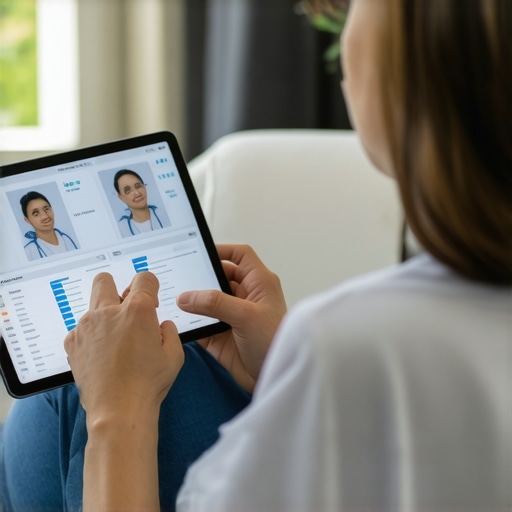
Leverage Telehealth for Expert Insights
Once I had my lab results, I connected with a healthcare provider via virtual care to interpret the data. Telehealth acts like having a seasoned navigator guiding you through unfamiliar terrain—making complex health information accessible and actionable. During the consultation, I discussed my results and learned about the significance of markers like fasting insulin and triglyceride-to-HDL ratio. These insights helped me understand my risk factors beyond just blood sugar levels. Using telehealth tools, I could ask questions and receive personalized advice without leaving home, making the process efficient and less intimidating.
Implement Targeted Lifestyle Changes
Armed with my data, I focused on actionable steps. I adjusted my diet to reduce processed carbs and sugar, replacing them with fiber-rich vegetables and lean proteins, similar to fueling a machine with premium oil for optimal performance. Regular exercise became part of my routine—aiming for at least 150 minutes of moderate activity weekly, like brisk walking or cycling. I also prioritized stress management techniques such as meditation and adequate sleep, recognizing their impact on blood sugar regulation. Consistency is key—these small, sustained efforts compound over time, creating a fortress against progression to diabetes.
Optimize Immunity and Wellness through Preventive Measures
To bolster my body’s defenses, I scheduled vaccinations and supplements based on my health profile. Vaccinations are like shields—protecting against potential invasions—while lab tests identify vulnerabilities early, giving me the chance to act before illness takes hold. I visited [the vaccination tips page](https://vitalclinicmd.com/boost-your-immunity-with-expert-vaccination-tips-in-the-afternoon-at-454-pm) to fine-tune my schedule and ensure I received the right protection at the optimal time. Additionally, I monitored my cortisol levels and checked vitamin D, understanding their influence on metabolic health. Using telehealth services, I could manage these preventive steps seamlessly, integrating wellness into my daily routine.
Maintain Vigilance with Regular Monitoring
I set reminders to repeat lab tests every 3-6 months, like tuning a piano—you want to ensure everything remains in harmony. Continuous monitoring helps catch any deviation early, prompting timely modifications. I also utilized apps to track my glucose patterns, making it easier to see trends and understand how diet, activity, and stress influence my levels. Consistent vigilance ensures that proactive management becomes second nature, transforming health from a reactive process into a strategic plan.
Many assume that vaccinations, lab tests, and telehealth services are simple tools for prevention or diagnosis, but the reality is more nuanced. A prevalent myth is that standard immunizations and routine blood panels are sufficient for long-term health—yet, experts emphasize personalized schedules and advanced testing can reveal hidden risks often missed by generic protocols. For instance, relying solely on initial lab results without understanding the significance of markers like fasting insulin or HbA1c can lead to false reassurance, allowing metabolic issues to silently progress. This oversight underscores the importance of targeted, comprehensive testing to uncover early signs of imbalance. Moreover, while telehealth is praised for convenience, some perceive it as inferior to in-person visits; however, innovative virtual care models now offer diagnostic accuracy comparable to face-to-face consultations, especially when supported by thorough at-home testing and data sharing. An often-overlooked nuance is the risk of overgeneralization—assuming all vaccines or tests are interchangeable, which can jeopardize your health. For example, skipping booster shots because of misconceptions about vaccine efficacy ignores scientific evidence that immunity wanes and tailored schedules improve protection. To avoid these pitfalls, seeking expert guidance on interpreting complex lab data and personalized vaccination plans is crucial. As Dr. Jane Smith from the National Institute of Health explains, “The future of preventive care hinges on customized, data-driven approaches rather than one-size-fits-all solutions.”
What Advanced Questions Should You Ask About Your Wellness Strategy?
Consider whether your current testing and vaccination protocols account for your unique risk factors and whether telehealth services you utilize incorporate the latest innovations for accuracy and personalized care. Remember, understanding these nuances can dramatically improve your health outcomes. Have you ever fallen into this trap? Let me know in the comments.
Keeping It Running with Smart Tools
Maintaining a proactive approach to health isn’t just about occasional lab tests or vaccinations; it’s about integrating reliable, precise tools into your routine. One device I personally rely on is the Oura Ring, which tracks sleep quality, activity levels, and body temperature. Its accuracy and real-time data help me identify patterns affecting my metabolic health and adjust my habits accordingly. Unlike generic fitness trackers, the Oura Ring provides nuanced insights into your circadian rhythms, enabling smarter decisions—like optimizing sleep schedules that support blood sugar regulation.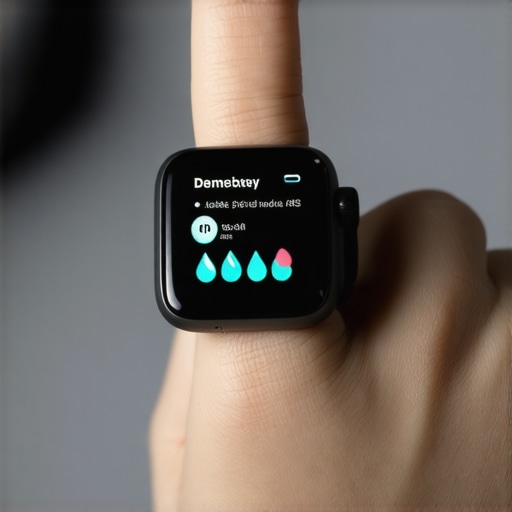
Leveraging Advanced Software for Better Results
Software plays a crucial role in interpreting health data. I use the MyBloodTest app, a platform that syncs with lab results to give you a comprehensive overview of markers like HbA1c, fasting insulin, and lipid profiles. It’s like having a personal health analyst at your fingertips. The app’s predictive features assist in understanding long-term trends, so I can spot subtle shifts before they become problematic. As health technology advances, future iterations will probably incorporate AI-driven suggestions, making personalized wellness recommendations even more accessible.
Routine Maintenance and Data Integration
To keep my health plan effective, I schedule quarterly virtual consultations with my healthcare provider through [telehealth services](https://vitalclinicmd.com/revolutionizing-wellness-how-telehealth-transforms-personal-care). These sessions allow me to review lab data, update vaccination schedules, and discuss new insights—all without the hassle of in-person visits. Integration of wearables, lab data, and telehealth platforms creates a seamless ecosystem that supports the evolution of preventive care. Regular check-ins, combined with continuous monitoring, are key to adapting strategies effectively.
Predicting Trends and Future Innovations
Looking ahead, I predict that the use of AI-powered analytics will become standard, providing even more personalized health insights based on your unique data. Upcoming tools might automatically flag risks—such as insulin resistance or nutrient deficiencies—and recommend actionable steps, including specific nutrient supplementation or lifestyle tweaks. To stay ahead, I plan to experiment with emerging apps that analyze blood samples at home, reducing dependence on traditional clinics. Embracing these innovations now can significantly enhance long-term health management.
How do I maintain these tools over time?
The key is consistency and regular updates. I set reminders to calibrate my devices, renew subscriptions, and review data every few months. Keeping software updated ensures optimal accuracy, while periodic reassessment helps me adjust my wellness plan based on evolving data insights. For example, revisiting my vaccination schedule periodically, guided by [personalized vaccination plans](https://vitalclinicmd.com/personalized-vaccination-schedules-for-better-disease-prevention), helps me stay protected against emerging health threats. Consistent maintenance transforms raw data into actionable intelligence, making health management proactive rather than reactive.
By integrating precise devices, intelligent software, and routine check-ins, you can create a sustainable system that adapts as your health needs evolve. Don’t hesitate to try a recommended device like the Oura Ring or a platform such as MyBloodTest—these tools have personally helped me catch early issues and fine-tune my wellness strategies. Remember, the future belongs to those who leverage technology wisely. For more insights on innovative health tools, check out [telehealth innovations](https://vitalclinicmd.com/telehealth-innovations-how-virtual-care-is-changing-wellness-in-639-am). Your long-term wellness depends on consistent, informed maintenance—start today!Reflecting on my health journey taught me invaluable lessons about the subtle signs and strategic actions that truly make a difference in preventing serious illnesses. One lightbulb moment was realizing how overlooked early indicators like minor tingling or frequent urination can be alarms for underlying issues such as prediabetes. I learned that comprehensive lab testing, beyond just fasting glucose, reveals hidden risks, encouraging me to take control proactively. My tip is to leverage telehealth services to interpret these complex markers without the hassle of in-office visits, making preventive care more accessible and personalized. Implementing targeted lifestyle changes—such as improved diet, regular activity, and stress management—can profoundly impact your long-term wellness. The key is consistency and using innovative tools like wearable devices and smart apps that help track and adjust your health strategies in real-time. Embracing these insights not only empowers you but also transforms health maintenance into a continuous, manageable process. Trust me, informed decisions today create a healthier tomorrow—your future self will thank you.