
How to Get Your Daily Dose of Vitamin D Without Damaging Your Skin

I remember the moment vividly—standing at my window, squinting against the morning sun, wondering if I should just grab my sunscreen or skip outside altogether. Like many, I had always believed that sunbathing was the quickest way to boost my vitamin D levels, but a recent lab test showed my levels were dangerously low, and my skin was showing signs of overexposure. It hit me—I’ve been trying to get my daily sunshine fix, but I might have been doing it all wrong.
This lightbulb moment made me realize that achieving optimal vitamin D isn’t about locking myself in a cave or risking skin damage. Instead, there’s a smarter, more balanced approach that combines knowledge, smart habits, and sometimes, a little help from modern healthcare tools. Today, I want to share how I navigated this challenge and how you can do the same without falling into common pitfalls.
Why Your Sun Avoidance Might Be Costing You More Than You Think
The quest for sufficient vitamin D is more complex than just soaking up sunlight. Many of us instinctively reach for sunscreen the moment we step outside or avoid the sun entirely because of skin cancer fears. While protecting ourselves from harmful UV rays is essential, it often leaves us deficient in this vital nutrient. Interestingly, a large-scale study indicated that about 42% of the U.S. population has vitamin D deficiency—a surprisingly high figure considering how easily accessible sunlight is (source: Understanding the Role of Lab Tests in Preventive Wellness).
In my early days, I made a critical mistake—assuming that a short daily sunbath in the middle of the day, without any protection, wouldn’t harm my skin. I soon learned that even short periods of unprotected sun can add up, especially if repeated daily, increasing skin cancer risks over time. This realization propelled me to seek safer, more effective strategies to maintain my vitamin D levels without risking my skin health.
Have you ever found yourself avoiding the sun altogether out of fear, yet feeling fatigued, achy, or just generally sluggish? If so, you’re not alone. Many underestimate how a balanced approach—combining limited sun exposure, diet, and sometimes supplements—can restore optimal vitamin D levels safely.
Next, I’ll walk you through practical, science-backed steps to get your daily dose of vitamin D without compromising your skin. From understanding the role of lab tests to harnessing the power of telehealth, I’ll help you craft a plan that suits your lifestyle and health goals.
Get Precise with Your Lab Tests
Begin by identifying your unique vitamin D needs through comprehensive lab testing. Schedule an appointment with a trusted provider to order 25(OH)D blood tests, which measure your current levels. When I decided to improve my vitamin D, I used an online portal to request a test through lab tests in preventive wellness. The process was straightforward: I filled out a quick form, chose a nearby lab, and received my results within days. Knowing your baseline helps tailor your approach effectively.
Leverage Telehealth for Expert Guidance
After reviewing my lab results, I scheduled a virtual consultation via telehealth services. Think of telehealth as having a specialist in your pocket, providing personalized advice without the wait or commute. During the session, I discussed my lab results, got expert recommendations on supplement dosages, and learned how to interpret future tests. Telehealth bridges the gap between your home and healthcare expertise, making adjustments quick and easy.
Balance Sun Exposure Effectively
While outdoor time is vital, timing and protection are key. Aim for brief, unprotected sun exposure in the early morning or late afternoon—think of it as getting your vitamin D “bonus” without the UV risk. I set a timer when I go for my morning walk, intentionally exposing skin on my arms and legs for about 10-15 minutes. During my experience, I learned that wearing lightweight clothing during peak hours shields you from overexposure, while short windows of direct sunlight provide enough vitamin D synthesis. Remember, consistency matters more than intensity; regular, safe exposure adds up over time.
Integrate Diet and Supplementation
Complement your sun strategy with vitamin D-rich foods—think fatty fish like salmon, fortified dairy, and egg yolks. I started adding canned salmon to my lunch once a week. For the days with limited sun, Supplements can fill gaps. I chose a high-quality vitamin D3 supplement after consulting my virtual provider, ensuring the dose matched my lab results. Always consult a healthcare professional before starting new supplements, especially if you’re on medications or managing health conditions. Use trusted sources and avoid mega-doses that can cause toxicity.
Track Your Progress Regularly
Set a schedule to re-test your vitamin D levels every 3-6 months using remote lab services. Think of this process as checking your car’s oil—regular maintenance ensures optimal performance. During my journey, I scheduled follow-up labs online, which I could do without leaving home, and reviewed results through the clinic’s portal. Adjust your sun, diet, or supplements based on these insights. Monitoring is the cornerstone of sustainable health; making small, data-driven tweaks yields the best long-term results.
Use Technology for Better Habits
Leverage smartphone apps or device integrations to remind you about sun exposure, hydration, and supplement intake. I set daily alerts and kept notes on my levels and habits, which I reviewed monthly. This habit automation transforms health from an occasional effort into a seamless part of daily life. Besides tracking, reading your glucose or sleep patterns can reveal hidden factors affecting vitamin D utilization, empowering you to make smarter choices. Remember, technology is a partner—use it actively, not passively.
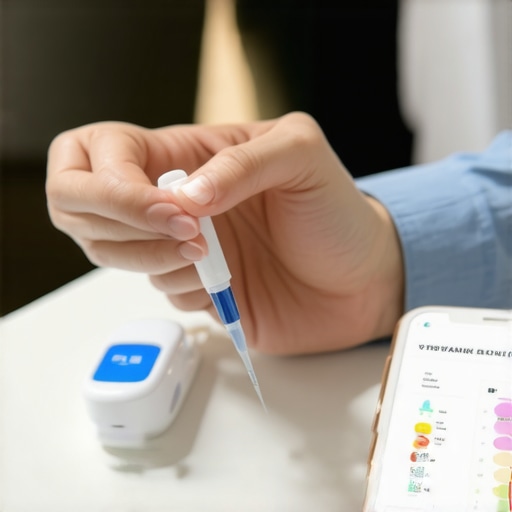 Many believe that lab tests, telehealth, wellness strategies, and vaccinations are straightforward solutions for health management. However, beneath the surface lies a complex landscape filled with misconceptions and pitfalls that can hinder true wellness. One common myth is that a single lab test provides a complete health picture. In reality, a comprehensive understanding requires a panel of tests, interpreted in context, to avoid misdiagnosis or overlooked risks. For instance, focusing solely on cholesterol levels without assessing inflammatory markers can lead to misguided treatment choices. Experts emphasize the importance of targeted testing based on individual risk factors, which is often overlooked by the general public (Understanding the Role of Lab Tests in Preventive Wellness).
Another misconception is assuming telehealth appointments are inferior to in-person visits. While they offer convenience, advanced telehealth platforms now enable real-time diagnostics, remote monitoring, and even virtual physical exams. However, many patients don’t utilize these features fully, missing out on detailed assessments. This oversight can result in less accurate diagnoses and delayed interventions. A notable trap is relying solely on verbal symptom descriptions during a telehealth consultation, ignoring the importance of integrated device data, like wearable health metrics or at-home testing kits, which are crucial for nuanced diagnoses (How Telehealth Is Changing Personal Care).
When it comes to wellness, there’s a tendency to chase quick fixes—such as supplements or trendy diets—without understanding the underlying causes. For example, believing that vitamin supplementation alone can rectify deep-rooted deficiencies disregards the importance of lifestyle factors, sleep, and stress management. Advanced wellness strategies incorporate personalized approaches, including genetics, metabolic markers, and detoxification status, which many overlook, leading to ineffective or even harmful interventions. As Dr. Mark Hyman states, true wellness stems from tailored, evidence-based plans rather than one-size-fits-all solutions (Combining Strategies for Better Wellness).
Vaccinations are likewise misunderstood. A prevalent myth is that child’s immunity or age diminishes the need for boosters. In reality, booster shots are critical for maintaining immunity—especially with diseases like tetanus or whooping cough, which can re-emerge if immunity wanes. Moreover, many overlook the timing and combination of vaccines, which influence efficacy. Advanced vaccine planning involves checking antibody titers through dedicated lab tests, which ensures vaccinations are given when most effective, reducing pointless or redundant shots (Maximize Your Immunization Effectiveness).
Understanding these nuances can prevent costly errors and optimize health outcomes. The key is embracing a layered approach—leveraging precise lab testing, utilizing telehealth’s full potential, adopting personalized wellness plans, and strategic vaccination schedules. Are you aware of the hidden complexities in your health routine? Let’s dig deeper and share insights. Have you ever fallen into this trap? Let me know in the comments.Maintaining your health over months and years requires reliable tools and systems that integrate seamlessly into daily life. I personally rely on a combination of advanced lab testing platforms, telehealth services, and smart technology to keep my wellness on track. For precise health monitoring, I recommend using at-home test kits like [Everlywell](https://vitalclinicmd.com/contact-us), which allow me to track key markers like vitamin D levels, hormone balance, and metabolic health without frequent clinic visits. These tests provide detailed insights, helping me make informed adjustments to my diet, supplements, and activity levels.
Complementing lab testing, my preferred telehealth platform is VitalClinicMD, which offers virtual consultations with experts who interpret my results and advise personalized plans (see [telehealth insights](https://vitalclinicmd.com/revolutionizing-wellness-how-telehealth-transforms-personal-care)). This combination gives me flexibility and expert guidance, ensuring my health decisions are data-driven. I use this setup to schedule regular check-ins, adjust supplement doses, and even plan vaccinations or preventive measures — all from the comfort of my home.
To stay consistent, I leverage health app integrations like Apple Health or Samsung Health, which sync with wearable devices providing continuous data on activity, sleep, and heart rate. These metrics help me recognize patterns, especially when tracking long-term changes in my vitamin D or inflammation markers. Research from NIH indicates that integrating wearable tech can significantly improve health outcomes by increasing adherence and awareness (source: Understanding the Role of Lab Tests in Preventive Wellness).
Looking ahead, I predict that AI-driven health insights will become standard, offering personalized recommendations based on multiple data streams. Existing tools will evolve to deliver smarter notifications, guide lifestyle tweaks, and even preempt issues before symptoms manifest.
How do I maintain my health over time? Regularly scheduled lab tests paired with telehealth consultations form the backbone of my approach. This system keeps my wellness plan dynamic, adaptable, and rooted in robust data rather than guesswork. If you’re ready to optimize your health routine, consider integrating one of these tools—like a comprehensive home testing kit or a virtual consultation—to start seeing tangible benefits today. For expert guidance, don’t hesitate to reach out via VitalClinicMD’s contact page and get personalized support tailored to your unique goals.
Three Surprising Truths I Learned Along the Way
First, that no single test or app can replace personalized insight; my best results came from combining data, expert advice, and my own observations. Second, that trusting technology without understanding its limitations can lead me astray—it’s vital to interpret results in context, not in isolation. Third, that consistent small efforts—like regular lab checks, scheduled telehealth visits, and mindful sun exposure—compound into meaningful health gains over time. Real wellness is a journey shaped by informed choices and ongoing learning.
My Go-To Resources for Staying Ahead in Your Wellness Journey
I’ve relied on comprehensive lab tests to deeply understand my health markers, which helps tailor my nutrition and supplement routines. The telehealth platforms I use provide immediate access to expert opinions without leaving my home, making regular check-ins seamless. I also trust trusted books like “How to Measure Your Blood Sugar Levels for Better Diabetes Management” because they break down complex data into actionable steps. Combining these tools creates a well-rounded approach that keeps me confident and proactive.
Embrace Your Path to Wellness—Today’s the Day
Remember, your health is a mosaic built from small, consistent actions, informed choices, and a willingness to learn. Modern tools like lab tests and telehealth are there to empower you—not complicate. Take that first step with confidence, and you’ll be amazed at how your world changes. You don’t have to do it alone—reach out, explore, and start shaping a healthier future now. Your journey to wellness isn’t just about avoiding illness but about thriving every day. Are you ready to take control and unlock your best self? Share your thoughts below—your story could inspire someone else to start today!