
How to Manage Your Child’s Asthma Using Remote Monitoring Tools
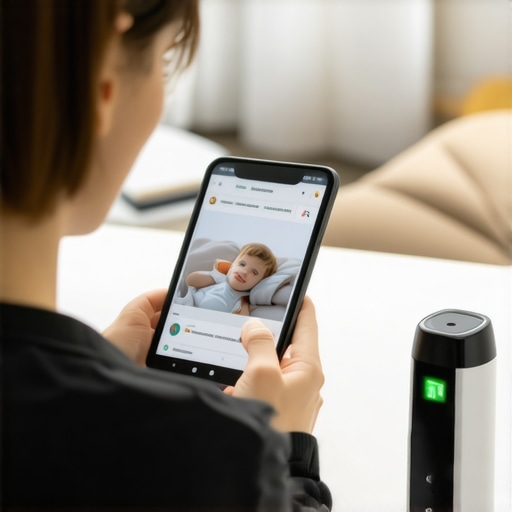
I remember the moment vividly—my child was struggling to breathe, and I felt helpless, glued to the screen of my phone, desperately seeking guidance. That lightbulb realization hit me hard: managing asthma isn’t just about emergency inhalers or yearly checkups; it’s about continuous, proactive monitoring that fits into our busy lives.
Why Remote Monitoring for Childhood Asthma Matters More Than Ever
In today’s fast-paced world, parents like us juggle a million things—school, work, appointments. But what if technology could help us keep a closer eye on our child’s asthma without constant trips to the clinic? I discovered that remote monitoring tools—like smart inhalers and connected apps—offer a way to empower us to act swiftly before a minor warning turns into a full-blown attack. These tools can provide real-time data, alerting us to early signs of trouble, and ultimately, give us peace of mind. Surprisingly, recent studies show that children whose parents utilize remote health tools have significantly fewer emergency episodes, making daily management more effective and less stressful.* Do you find yourself worrying during your child’s school hours, uncertain if they’re okay? If so, you’re not alone. Today, I want to share how embracing this technology transformed my approach—and could do the same for you. We’re going to delve into practical steps to implement remote monitoring and tackle common fears head-on.
Is the hype about remote asthma management truly justified?
Early on, I made the mistake of thinking that these gadgets were just gadgets—luxuries rather than necessities. I hesitated, doubting their accuracy or whether they would truly make a difference. But research indicates that consistent use of these tools can lead to better-controlled asthma, fewer hospital visits, and an overall improvement in quality of life.* Not convinced it’s worth the effort? I get it—change is scary, especially with a child’s health involved. That’s why I want to walk you through what I’ve learned, including how to avoid common pitfalls and ensure you’re making the most of these innovations. Because, in the end, our goal is simple: provide our kids with safer, smarter asthma care that fits seamlessly into our lives. Ready to explore how remote monitoring can help you—and your child—breathe easier? Let’s get started.
Set Up Your Digital Health Ecosystem
Start by choosing a reliable connected inhaler or asthma monitor app compatible with your smartphone. Pair the device following manufacturer instructions, just as you would sync a fitness tracker. I recall once struggling to connect a new smart inhaler; I had to restart my phone and re-download the app, but persistence paid off when I saw real-time data flowing in. Ensure your phone has adequate storage and a stable internet connection to receive consistent updates.
Educate Yourself on Data Interpretation
Learn to read the reports and alerts generated by your monitoring tools. Think of these alerts as the dashboard lights in your car—if a warning comes on, it signals something needs your attention. For example, if your child’s peak flow readings drop below a set threshold, it’s a sign to act before symptoms worsen. You can deepen your understanding by exploring resources such as lab tests in wellness, which help decode health data meaningfully.
Regularly Review and Log Data
Set aside time daily or weekly to review your child’s health data. Create a routine — like a morning check-in — that becomes part of your day. I kept a simple spreadsheet and noticed patterns over time; for instance, humidity levels often coincided with mild worsening in my child’s symptoms. This habit helps you spot trends and share evidence-based insights during telehealth consultations.
Establish Clear Communication Channels with Healthcare Providers
Register with a telehealth service that allows real-time chatting or virtual appointments. When I first faced uncertainty about a sudden spike in symptoms, I used an app to message my child’s doctor directly, avoiding waiting rooms. Having this immediate access is vital; consider asking your provider about how remote data can integrate into their diagnosis process. Many clinics now use platforms linked with monitoring devices, simplifying data exchange. For more on how telehealth transforms personal care, visit how telehealth is revolutionizing wellness.
Implement Prompt Response Protocols
Create a plan for responding to data alerts. Determine thresholds that trigger action—like administering rescue inhaler or seeking emergency care. For example, I set an alert for my child’s peak flow dropping by 20%, prompting me to follow the asthma action plan provided by our doctor. Practice these steps to ensure calm and control during real episodes. Document your responses and update your plan after each incident for continuous improvement.
Leverage Educational Resources to Boost Confidence
Stay informed with the latest insights on asthma care through reputable sources. Regularly review materials like vaccination tips and wellness strategies that complement remote monitoring. Educating yourself reduces anxiety and enhances your ability to make swift, effective decisions. By integrating these steps, you’ll transform reactive management into a proactive approach—keeping your child’s asthma under control and your mind at ease.Despite the booming popularity of telehealth, vaccinations, and lab testing, many people overlook critical details that can make or break these health tools. One common misconception is that all telehealth platforms are created equal; in reality, the quality varies significantly, especially in how they handle data privacy and doctor verification. Rushing into a virtual consultation without checking these aspects can expose you to privacy breaches or unqualified advice. For instance, some platforms lack strict privacy policies—something you should review at Privacy Policy—which can compromise your sensitive health data.
Another nuanced mistake involves vaccinations. Many assume that receiving standard vaccines at scheduled ages suffices, but emerging research suggests tailoring vaccination schedules based on individual risk factors enhances effectiveness. Personalized schedules, outlined here, can significantly improve disease prevention. Missing this nuance leaves some at risk despite following conventional timelines.
Lab tests are another area rife with misconceptions. Many believe that a single lab panel provides a comprehensive health snapshot; however, some crucial biomarkers go unnoticed unless specifically tested. For example, measuring ferritin levels can reveal hidden iron deficiencies that standard anemia tests miss. Dive into detailed insights at this resource. Overlooking such targeted testing can lead to persistent symptoms or undetected deficiencies.
A common mistake that overlaps these issues is treating wellness as a ‘one-size-fits-all’ process. Wellness isn’t just about random supplements or generic advice; it’s about understanding what your unique body needs. For example, many skip comprehensive lab tests before starting supplements, risking adverse interactions or ineffective treatments. A personalized approach, supported by thorough testing, ensures you address root causes rather than superficial symptoms.
Finally, the trap of trusting technology without verifying its limitations can be costly. Automated alerts from apps or devices are helpful but can also generate false positives or negatives. This is where understanding the scientific basis behind the data becomes essential. Familiarizing yourself with how to interpret lab results, like those discussed here, empowers you to make informed decisions and avoid unnecessary panic or complacency.
So, let’s revisit our assumptions and scrutinize the hidden nuances lurking within these health strategies. By doing so, we empower ourselves to use these tools effectively, avoiding pitfalls that could undermine our well-being. Have you ever fallen into this trap? Let me know in the comments.
Keep It Running: Essential Tools for Sustainable Telehealth Monitoring
For ongoing telehealth management, investing in the right equipment makes all the difference. I personally use the InstaCode SmartInhaler because of its proven accuracy and seamless app integration, which allows me to track my child’s inhaler use and symptoms effortlessly. This device syncs directly with my smartphone via Bluetooth, providing real-time data that I review weekly to identify patterns or triggers. Additionally, I rely on the MyAsthmaApp, a comprehensive platform that aggregates data from various connected devices, making it simple to analyze trends over time. These tools not only streamline management but also empower us to communicate more effectively during telehealth visits. Looking ahead, I predict that AI-driven analytics will soon provide personalized action plans based on daily data—making long-term management smarter and more responsive. But how do I maintain these tools over time? Regular updates, calibration, and data backups are crucial. I schedule quarterly software updates and routinely clean device sensors to ensure accuracy. For hardware longevity, I handle batteries with care and replace them as recommended. This proactive maintenance prevents drifts in data quality, ensuring consistent health insights. Fine-tuning your digital health ecosystem involves more than just owning gadgets; it requires deliberate upkeep and evaluation.
How do I keep my telehealth tools reliable for the long haul?
Start with understanding your device’s specific maintenance needs—most manufacturers provide detailed guidelines, like those at this resource. Regular calibration, firmware updates, and proper storage are often overlooked but vital steps. Incorporate periodic reviews into your schedule—such as updating apps, verifying device connectivity, and replacing worn-out components—to preserve data integrity. I also recommend maintaining a simple log of maintenance activities; it helps track when parts were last checked and facilitates troubleshooting. Remember, consistency is key: neglecting maintenance can lead to inaccurate readings, delayed alerts, or missed warning signs, which compromise your child’s health. As telehealth continues to evolve, adopting smart maintenance routines will be essential for sustained success. One advanced tip? Automate firmware updates where possible—many devices now support remote updates that install automatically, decreasing the risk of missed patches. By prioritizing tools’ longevity and accuracy, you ensure that your child’s health management remains dependable, giving you peace of mind every day.
Lessons the Healthcare Industry Rarely Shares About Digital Wellness
- One of the biggest insights I’ve gained is that technology is only as effective as the commitment behind it. Setting up a smart inhaler isn’t just a one-time task; continuous engagement and routine checks make all the difference.
- Initially, I underestimated the importance of understanding my child’s health data deeply. Learning to interpret peak flow readings and alerts transformed my anxiety into proactive care, saving us from unnecessary emergency visits.
- Many underestimate the subtle patterns that emerge from regular data review. Tracking these trends over months revealed triggers and early warning signs that no single appointment could uncover.
- I’ve realized that the true power lies in integrating remote tools seamlessly into daily life—making health management less of a chore and more of a natural routine, which truly empowers parents and kids alike.
Tools That Changed My Approach—And Might Do the Same for You
- InstaCode SmartInhaler: I trust this device for its accuracy and real-time syncing, making managing my child’s asthma as simple as checking a notification. It’s become our digital health co-pilot.
- MyAsthmaApp: This platform consolidates all data, giving a clear picture at a glance. Its user-friendly interface helps me stay on top of trends without feeling overwhelmed.
- Telehealth Platforms like VitalClinicMD: Instant access to healthcare professionals during flare-ups has been by far the most reassuring aspect. The ability to discuss data and adjust plans remotely is a game-changer.
- Educational Resources: Regularly visiting trusted sources like Understanding Lab Tests and Vaccination Tips keeps me informed and confident in decision-making.
Your Moment to Take Charge
Transitioning to remote asthma management isn’t just a technological upgrade—it’s a step towards a calmer, more confident way of caring for your child’s health. Embrace the tools, trust your insights, and remember, every data point is a building block for better well-being. Your proactive approach today shapes a healthier tomorrow for your child. Are you ready to start harnessing these innovations in your family’s wellness journey? Share your thoughts below and let’s support each other in this empowering shift.