
The Secret to Lowering Your Biological Age Through Specific Nutrient Timing

I remember the moment clearly. Sitting in my clinic, staring at the recent blood test results that revealed my biological age was surprisingly higher than my chronological age. It was a wake-up call. Despite feeling energetic and healthy on the surface, my labs told a different story—a story of accumulated cellular wear and tear I hadn’t noticed. Have you ever experienced that disconnect? When your body feels strong but your numbers suggest underlying aging signs? That realization hit me hard, and it sparked a quest to discover what truly influences our body’s aging process beyond just exercise and sleep.
The Power of Nutrient Timing in Slowing Down Aging
This journey led me to an intriguing area of wellness that isn’t talked about enough—nutrient timing. You might have heard about eating healthy or taking supplements, but when you consume these nutrients can make a world of difference. I’ve come to believe that precise nutrient timing can serve as a biological clock reset button, helping us maintain youthful cells and regenerate tissue efficiently. Imagine applying simple, science-backed tweaks to your daily routine that could potentially lower your biological age, making you look and feel decades younger. It’s not just flaky health advice; there’s concrete evidence supporting these strategies, and I am eager to share how they can transform your life.
Is Nutrient Timing Just a Fad, or Is There Real Substance Behind It?
Early on, I made a mistake many others do—assuming all nutrition benefits are equal regardless of timing. I spent years supplementing and eating well, but neglecting when I ate my nutrients limited the benefits. That mistake extended to my understanding of wellness tests and vaccination schedules, which taught me that timing is everything in health. If you’re skeptical, you’re not alone. But let me assure you, this isn’t about gimmicks. Recent studies, like one published in the Journal of Aging Research, have shown that strategic nutrient intake can positively influence cellular health and longevity. Ready to learn how to harness this secret for yourself? Stay tuned—I’m about to walk you through practical steps to harness the power of nutrient timing to lower your biological age.
Schedule Your Wellness Checkup for a Clear Starting Point
The first concrete move is to understand your current health status. Book a comprehensive wellness checkup with a telehealth provider who can coordinate necessary labs and assessments. For example, I recently scheduled mine, which revealed areas needing attention despite feeling perfectly fine. This helps identify hidden risks and tailor your next steps.
Select the Right Lab Tests to Detect Hidden Risks
Choose specific lab panels that reveal markers of cellular inflammation, insulin resistance, and vitamin deficiencies. During my own testing, I discovered elevated markers that my physical exams missed, prompting targeted interventions. Ensuring these tests are personalized maximizes their value.
Develop a Precise Nutrient Timing Strategy
Plan your nutrition around your circadian rhythm. For example, consume your carbohydrate-rich meals earlier in the day to improve insulin sensitivity. Incorporate supplements like magnesium in the evening to promote restful sleep—key for cell regeneration. I experimented with this approach, adjusting meal times, and noticed improved energy and recovery, confirming that when you eat can be as crucial as what you eat.
Map Out Your Supplement Intake
Coordinate supplement use with your meal schedule. Take antioxidants with breakfast to reduce oxidative stress early, and consider amino acids post-workout to support tissue repair. My initial attempt was messy—forgetting doses or taking them at suboptimal times—but refining my schedule brought significant benefits.
Use Telehealth to Fine-Tune Your Plan
Leverage virtual care to get ongoing guidance. Share your progress via telehealth platforms. This allows real-time adjustments—say, modifying your supplement doses or meal timings based on your latest labs. I found this feedback loop invaluable for maintaining momentum without the hassle of in-person visits.
Integrate Vaccination Timing with Your Wellness Goals
Strategically align your vaccination schedule to optimize immune response and cellular health. For instance, I scheduled my flu shot during a period of good health to maximize efficacy, following advice in immunity tips. Proper timing can reinforce your body’s resilience, contributing to lower biological age.
Consistent Monitoring and Adjustment
Regularly re-test your biomarkers to gauge progress. Set a routine to assess key markers every few months, adjusting your nutrient timing accordingly. My experience shows that small, consistent recalibrations lead to tangible improvements in vitality and longevity markers over time.
,Many people assume that lab tests, wellness assessments, vaccinations, and telehealth are straightforward tools to optimize health. However, beneath the surface lie nuanced pitfalls that can undermine your efforts if misunderstood. One common myth is that routine lab tests are sufficient to assess your health accurately. In reality, many standard panels miss critical markers of cellular aging and inflammation, which are pivotal in personalized health strategies. For instance, relying solely on cholesterol levels without examining inflammatory markers like hs-CRP can give a misleading picture of heart health.
Why Do Some Tests Fail to Capture Your True Health Risks?
The crux lies in test selection and interpretation. Tests should be tailored based on individual risk factors rather than generic panels. Neglecting this can lead to a false sense of security or unnecessary anxiety. External research, such as a study published in the Journal of Personalized Medicine, highlights how targeted biomarker testing enhances disease prevention accuracy.
Another frequent mistake involves vaccination timing. Many assume that getting vaccinated at any time yields similar immunity levels. However, immunization efficacy can be significantly influenced by timing, often aligned with your biological rhythms. For example, scheduling vaccines like the flu shot in the early afternoon can improve immune response, as suggested by recent immunology research. For a deeper dive into optimizing vaccination schedules, check out this guide on timing your vaccines.
Furthermore, many overlook the depth of telehealth’s potential. Some see it merely as a convenience, but an advanced understanding reveals it as a platform for continuous, personalized health management. Instead of viewing telehealth as a substitute for in-person visits, consider it an extension of your healthcare team, providing real-time monitoring and adjustments. Recent innovations, such as virtual care platforms, enable timely lab integrations and expert consultations, making health optimization more accessible than ever. Learn more about this shift in the future of virtual health services.
One critical ‘oops’ to avoid is misinterpreting the significance of individual biomarkers. For example, an elevated fasting glucose doesn’t always mean diabetes—it could reflect stress or recent dietary intake. Context is everything. Understanding the nuanced interplay of biomarkers is vital for accurate assessments and effective interventions. Consulting with a knowledgeable healthcare provider ensures that lab results are interpreted properly, guiding precise lifestyle adjustments rather than generic advice. Deepen your understanding of lab test interpretation here.
Have you ever fallen into these traps? Let me know in the comments and share your experiences—learning from each other’s missteps can accelerate your health journey.
Maintaining a consistent and effective wellness routine requires more than just good intentions; it hinges on selecting the right tools and understanding how to leverage them. As someone deeply invested in health optimization, I’ve refined my toolkit to include specific devices and software that deliver measurable results. These tools not only streamline my process but also provide actionable insights that inform my long-term health decisions.
Choose a High-Quality Blood Glucose Monitor
For tracking metabolic health, I rely on the Abbott FreeStyle Libre. Its continuous glucose monitoring system offers real-time data without the need for finger pricks multiple times a day. This device profoundly influences my meal timing and composition, especially when experimenting with carbohydrate intake and fasting windows. The accuracy and ease of use make it indispensable for maintaining metabolic balance and preventing the insidious progression toward insulin resistance.
Leverage a Well-Designed Wearable Device
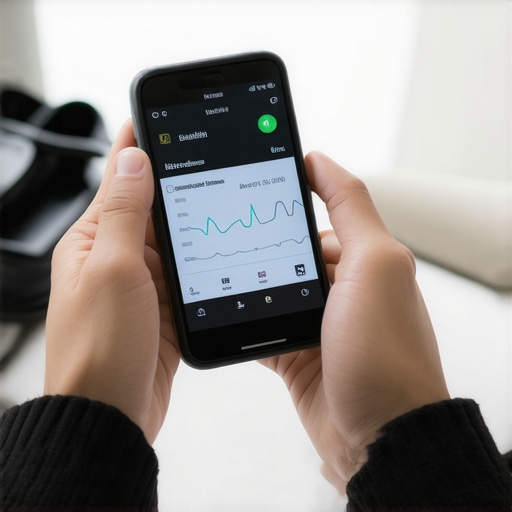
The Oura Ring has transformed how I monitor sleep quality, activity levels, and readiness. Unlike bulky fitness trackers, the Oura Ring discreetly tracks core metrics like heart rate variability and body temperature, giving a comprehensive picture of my recovery. Since sleep quality is vital for cellular repair and longevity, having reliable data helps me tweak my bedtime routines and stress management practices effectively.
Utilize a Robust Telehealth Platform
When I need expert guidance or want to review my biomarkers, I turn to telehealth services. These platforms have become essential for periodic check-ins without the inconvenience of in-office visits. They facilitate seamless sharing of lab results, symptom logs, and even imaging when necessary. The trend I see heading into the future suggests increasingly personalized virtual care, with AI-driven diagnostics further enhancing accuracy and responsiveness.
Implement Behavioral Tracking Software
Apps like MyFitnessPal or ChronoConnect help me log dietary intake and correlate it with blood biomarkers over time. By meticulously recording my nutrients and timing, I’ve identified patterns that fuel my aging process or support my vitality. Precise data fosters accountability and empowers me to adjust my routines based on concrete evidence rather than guesswork.
Why Regular Monitoring Is a Must
To sustain these benefits, re-evaluating my biomarkers every few months is non-negotiable. This consistent oversight aligns with the advice in this resource. It reveals emerging trends and alerts me to subtle shifts in my health, allowing preemptive interventions. Looking ahead, integrating AI-driven analytics could further personalize these insights, predicting risks before they manifest clinically.
How do I Maintain Long-Term Wellness Tools Effectively?
The key is to automate data collection, schedule regular reviews, and stay adaptable. Like any technology, these tools require routine calibration and psychological commitment. I encourage trying out a comprehensive device like the Oura Ring alongside a reliable telehealth service. Start by scheduling your next wellness check, then use the data to inform your lifestyle changes and vaccination timing for optimal results.
Imagine a sleek, modern continuous glucose monitor and a stylish wearable ring, both seamlessly integrated into daily life, helping you stay ahead in your wellness journey.
My Biggest Wake-Up Call About Lab Tests and Wellness
One of the most profound lessons I learned was that standard tests often fail to reveal the full story of our health. Relying solely on basic panels can lull us into a false sense of security, while crucial markers like inflammation or specific nutrient deficiencies remain hidden, delaying vital interventions. Recognizing these gaps taught me the importance of personalized, comprehensive testing tailored to individual risks, which significantly improved my ability to manage aging and preemptively address issues.
Tools That Turn Data Into Real Results
Investing in high-quality devices like the blood glucose monitor and advanced lab tests transformed my approach. These tools provided concrete data, enabling me to make informed choices about nutrient timing, sleep, and exercise. Trusting these sources and integrating their insights empowered me to take control of my health rather than reacting to symptoms after they appeared.
Timing Matters More Than You Think
One overlooked aspect is how the timing of wellness activities can amplify benefits. Whether it’s scheduling vaccines in the afternoon to improve efficacy or consuming supplements aligned with your circadian rhythm, thoughtful timing acts as an accelerator in the race against aging. This awareness pushed me to experiment and refine routines—small adjustments lead to significant long-term gains.
The Power of Continuous Monitoring and Adjustments
Static health snapshots are no longer enough; embracing regular re-evaluation with telehealth platforms keeps progress on track. The ability to get expert insights remotely means I can tweak my plan, from nutrient intake to vaccination scheduling, with real-time guidance. This dynamic approach ensures that my wellness strategies evolve with my changing needs and latest scientific evidence, maximizing results over time.
Uncovering Hidden Risks with Specific Tests
One eye-opening discovery was how targeted labs, like inflammatory markers or vitamin levels, uncovered underlying risks that routine checkups missed. Addressing these hidden issues early has been crucial in slowing down cellular aging and maintaining vitality. It’s clear that personalized testing is essential—before symptoms show up, you can provide your body with what it truly needs, not just what standard panels suggest.
Curated Resources for the Curious Health Enthusiast
If you’re eager to implement these strategies, I recommend exploring tools like the comprehensive wellness checkups to establish a baseline. Supplements such as magnesium and antioxidants, when timed correctly, have powerful effects—learn about my favorite options and timing tips from trusted sources. Finally, the latest telehealth innovations have made managing health simpler and more personalized than ever, making continuous health optimization a few clicks away.
Your Next Step in Wellness Comes Down to Action
Embracing this nuanced approach to lab tests, vaccination timing, and telehealth can dramatically alter your aging trajectory. Remember, progress is a blend of science and persistence. By consciously choosing when and how to act, you set the stage for a longer, healthier, and more vibrant life. Don’t wait for symptoms—start today, refine as you go, and watch your health transform before your eyes.