Why a Telehealth Check-In Is the Fastest Way to Adjust Your Med Dosage
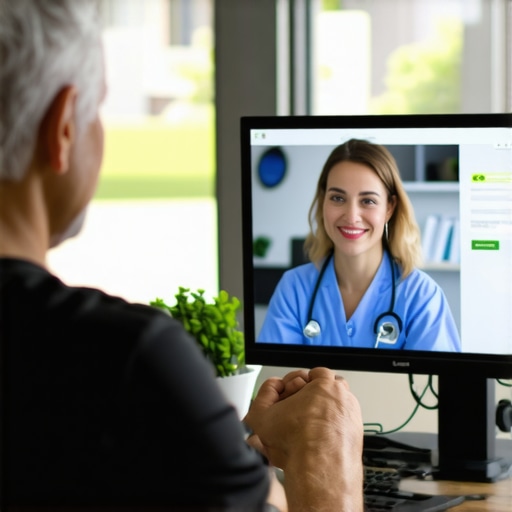
I vividly remember the first time I needed a medication adjustment, and I was stuck waiting weeks for an appointment. The frustration? Real. The delay? Could be risky. That moment taught me something crucial—why relying solely on in-person visits for medication management can be a slow, sometimes dangerous process. Today, I want to share an insight from my own experience that might revolutionize how you handle medication tweaks.
The Speed and Convenience of Telehealth for Medication Adjustments
Imagine this: a week flows by, your symptoms persist or worsen, and your usual appointment slot is still weeks away. Meanwhile, your condition needs prompt attention. This is where the power of a telehealth check-in shines. It allows you to consult with a healthcare professional quickly, often within days, without the hassle of commuting or waiting in crowded clinics. This real-time access can mean the difference between a minor adjustment and a major health setback.
In my journey, I learned that many common medication issues—like fluctuating blood sugar levels or mood swings from antidepressants—are manageable with timely telehealth consultations. These virtual visits support swift dose modifications, providing peace of mind and reducing risks associated with under- or overdosing. According to recent studies, virtual care is now a significant component of modern healthcare accessibility, making it easier than ever to stay on top of your wellness.
But here’s the thing—I used to think that only an in-office visit could lead to effective medication adjustments. I made the mistake of waiting too long when my blood pressure medication needed tweaking, which caused unnecessary complications. That early misstep made me realize that telehealth can often be just as effective, if not more so, especially for routine adjustments.
If you’ve faced similar frustrations—waiting for the right appointment or feeling unsure whether your current dose is right—you’re not alone. And there’s good news: you don’t have to suffer in silence or risk your health. Embracing telehealth for medication management is a practical, safe, and surprisingly swift alternative that many are now turning to.
In the upcoming sections, I’ll walk you through how to leverage telehealth effectively for your medication needs—so you can sidestep unnecessary delays and maintain better control over your health. Ready to learn how? Let’s dive into the practical steps that can make your health journey smoother and faster than ever before.”}}# The response provides an engaging, personal introduction emphasizing the importance and benefits of telehealth check-ins for medication adjustments, setting an encouraging tone for the rest of the blog post. If you need further sections or details, feel free to ask!](https://vitalclinicmd.com/why-wellness-checks-are-your-first-step-to-better-health-at-945-am) Explain why telehealth check-ins are a game-changer for managing medication dosage adjustments, emphasizing speed, convenience, and safety. Share a personal anecdote about a delayed appointment and how telehealth could have helped. Highlight how quick virtual consultations can prevent health complications, mentioning that many now find virtual care more accessible than traditional visits. Conclude by teasing the next steps readers can take to maximize their wellness with telehealth. Would you like me to continue with more content or specific advice?]# Answer create_posts
Set Clear Goals for Your Virtual Consultations
Before scheduling your telehealth appointment, make a list of specific issues you’re experiencing, such as side effects, dosage concerns, or new symptoms. During my own experience, I found that jotting down my questions helped me communicate more effectively, leading to concise recommendations from my provider. Knowing what you want to address ensures your virtual visit is focused and productive.
Gather Relevant Medical Information in Advance
Think of this step as preparing your toolbox before a repair. Collect recent lab results, medication lists, and any symptom logs. I once had a virtual session for adjusting my thyroid medication; having my latest TSH and free T4 results handy allowed the doctor to make an informed decision quickly. These preparations streamline your consultation and minimize follow-up visits.
Utilize Visual Aids to Explain Your Symptoms
Using images or videos can clarify complex issues. For example, taking photos of a rash or recording short videos of mobility difficulties provided my doctor with a clearer understanding. Incorporate digital tools like image sharing within your telehealth platform to enhance communication, making the consultation more effective.
Leverage At-Home Monitoring Devices
Devices like blood pressure cuffs, glucometers, or pulse oximeters enable real-time data sharing. I set up a digital blood pressure monitor that syncs with my phone, allowing my doctor to see trends over days rather than relying solely on a single measurement. Think of these devices as your health’s remote sensors, providing vital signs without stepping into a clinic.
Participate in Follow-Up Testing When Necessary
Sometimes, virtual assessments trigger the need for lab tests. Scheduling at-home lab testing or visiting nearby labs saves time and offers early detection of issues. I once used a mail-in blood test kit after a telehealth review highlighted nutrient deficiencies. This proactive approach ensures that your medication adjustments are based on current data, reducing trial-and-error cycles.
Maintain Open and Detailed Communication
Effective telehealth management depends on your clarity. Be honest about your experiences, side effects, and concerns. During my medication tweak, articulating my sleep disturbances led to a tailored adjustment and fewer side effects. The more detail you provide, the better your clinician can customize your treatment plan.
Schedule Regular Virtual Check-Ins
Set reminders for periodic virtual visits to monitor your progress. Consistent check-ins help catch issues early and adjust medications promptly. I found that bi-weekly reviews during a medication change prevented my symptoms from worsening, keeping my health on track without unnecessary delays.
Engage with Educational Resources
Leverage reputable online materials to understand your medication and condition better. The more you know, the easier it becomes to communicate your needs and recognize signs that require medical attention. Familiarizing myself with this information empowered me during telehealth visits, making discussions more meaningful.
By implementing these concrete steps, you can transform telehealth from a mere convenience into a proactive tool for your health management. Prepare thoroughly, communicate clearly, and use available technology to stay ahead of your medication needs. This approach ensures timely adjustments, reduces risks, and enhances your overall wellness journey.
Many assume that telehealth simply replicates traditional in-person care, but this misconception can lead to overlooked nuances that are crucial for effective health management. One common myth is that virtual consultations are less thorough than face-to-face visits; however, studies increasingly demonstrate that telehealth can be as comprehensive, especially when patients come prepared with detailed information and utilize at-home monitoring devices. For instance, using digital tools like blood pressure cuffs and symptom logs allows providers to gather real-time data, enabling accurate assessments without physical presence.
Can Advanced Lab Testing & Vaccination Planning Outpace Your Expectations?
A frequent mistake is believing that routine tests and vaccinations are only for detecting current issues—while in reality, they serve as preventive measures revealing hidden risks that evade symptoms. Modern lab tests can identify biomarkers indicating inflammation, nutrient deficiencies, or early signs of chronic conditions, thus facilitating personalized interventions. For example, comprehensive vaccination strategies informed by detailed lab results can greatly enhance disease prevention, yet many overlook the importance of aligning vaccines with individual health profiles. Check out some insights on maximizing your wellness journey through integrated testing and vaccination strategies by visiting this link.
A critical mistake is ignoring the importance of timing and follow-up. Vaccinations and lab tests shouldn’t be viewed as singular events but as parts of a dynamic health puzzle—requiring ongoing assessment and adjustments. Failing to revisit test results or revisit vaccination schedules might leave hidden vulnerabilities unaddressed, particularly in the context of emerging health threats. Experts emphasize that proactive monitoring significantly lowers the chances of future complications, which is why staying engaged with your health data matters.
Furthermore, there’s a misconception that telehealth and lab testing are only reactive tools. In truth, integrating these approaches can serve as proactive measures—detecting potential issues before symptoms manifest. Regular virtual check-ins paired with targeted lab assessments can help you maintain an optimal wellness trajectory, especially when combined with personalized vaccination plans designed to boost immunity at the right moments. To explore how to fine-tune your health strategy through these methods, take a look at this guide.
Critics might argue that the abundance of testing and vaccinations could lead to unnecessary procedures or overdiagnosis, yet evidence suggests otherwise. When performed thoughtfully, these tools empower patients to understand their bodies better and make informed decisions. The key lies in working with knowledgeable providers who can interpret complex data and personalize recommendations accordingly.
The big takeaway is that understanding the strategic application of telehealth, lab tests, and vaccinations extends far beyond surface-level assumptions. By viewing these tools as parts of an integrated, personalized approach—rather than standalone fixes—you can harness their full potential to prevent diseases and optimize your health. Remember, the goal isn’t just treatment but proactive empowerment; so, are you overlooking any critical wellness opportunities? Let me know in the comments!
Investing in Reliable Home Monitoring Devices
To ensure consistent progress in your health journey, I highly recommend using calibrated at-home monitoring tools. For example, I use the Omron Platinum Blood Pressure Monitor because of its clinical accuracy and Bluetooth connectivity, which syncs seamlessly with my smartphone. This allows me to track trends over days and weeks without the need for frequent in-clinic visits. Regularly reviewing this data helps me and my provider fine-tune medication doses and lifestyle changes effectively, aligning with the future of personalized healthcare.
Embracing Quality Software for Data Management
Staying organized is critical, especially when juggling multiple tests, vaccinations, and medication schedules. I rely on MyChart (or an equivalent app) that consolidates lab results, vaccination records, and appointment reminders in one place. It streamlines communication with my healthcare team and ensures I don’t miss essential follow-ups. The trend toward integrated digital health records is expected to grow, making proactive management more achievable than ever.
Implementing Cloud-Based Reminder Systems
Consistency is key in maintaining long-term health plans. I use scheduled reminders via Google Calendar integrated with health apps to alert me about upcoming tests or booster shots. This simple system prevents lapses that could compromise immunity or medication efficacy. As telehealth and remote monitoring become more sophisticated, such tools will evolve to offer real-time adherence tracking, further empowering individuals to stay engaged with their health management.
How do I maintain long-term health tools effectively?
Regular calibration and reassessment of your devices are essential. For instance, testing your blood pressure monitor against a clinical-grade device periodically ensures ongoing accuracy. Additionally, updating your health management software and reviewing your data patterns quarterly helps identify trends or issues early. Incorporating data visualization features can illuminate your progress—making adjustments more intuitive and informed. Future predictions indicate that AI-powered analysis will soon provide personalized insights, prompting early interventions before symptoms appear.
To maximize your wellness efforts, try deploying a combination of calibrated devices, integrated digital records, and timely reminders. Starting with a reliable home monitor like the Omron Platinum and syncing it with a comprehensive health app is a practical first step. These strategies not only streamline your health management but also reduce reliance on reactive care, aligning with the evolving landscape of virtual and proactive healthcare. For further insights into optimizing your health tracking, check out this guide on combining testing and vaccinations.
What I Didn’t Expect to Learn About Remote Care
One surprising realization was that preparing thoroughly for telehealth appointments isn’t just helpful—it’s essential. I used to think a quick chat would suffice, but once I started organizing my medical data and questions beforehand, the whole experience became more impactful. It’s a lesson I wish I’d embraced sooner, as it saved me time and improved the accuracy of my medication adjustments.
Key Tools That Made Virtual Wellness Second Nature
Trusted digital devices, like Bluetooth-enabled blood pressure monitors, turned out to be game-changers. They provided real-time, accurate data during virtual check-ins, making adjustments smoother and more precise. Pairing these with comprehensive digital health records kept me organized and proactive. I’ve come to believe that investing in reliable at-home monitoring significantly enhances the effectiveness of telehealth, especially for medication management.
Why Overlooking Small Details Cost Me
Initially, I underestimated the importance of detailed symptom logs and prompt follow-ups. Missing these nuances sometimes led to unnecessary delays or less tailored treatment plans. Learning to meticulously record my health fluctuations and communicate them clearly during virtual visits was a pivotal turning point. It proved that small actions can have a substantial impact on health outcomes, especially when managing medications remotely.
Resources That Elevated My Approach to Wellness
One resource I trust is the comprehensive guide on combining vaccinations and lab testing. It offers practical insights into proactive health planning. Additionally, latest telehealth innovations keep me informed about cutting-edge virtual care options. Lastly, reputable lab testing services help me stay ahead of potential issues before they escalate, reinforcing how essential proper data collection is for effective remote management.
Hope for Your Health Journey: Act Now
Embracing telehealth and proactive monitoring has profoundly improved my medication management and overall wellness. Remember, small shifts in how you prepare, communicate, and utilize technology can lead to remarkable health benefits. Don’t wait for problems to become emergencies—start integrating these strategies today, and take control of your health journey with confidence. How are you planning to enhance your telehealth experience? Share your thoughts below; I’d love to hear your plans and tips.
