
Why You Should Check Your Vitamin B12 Levels if You Take This Common Med
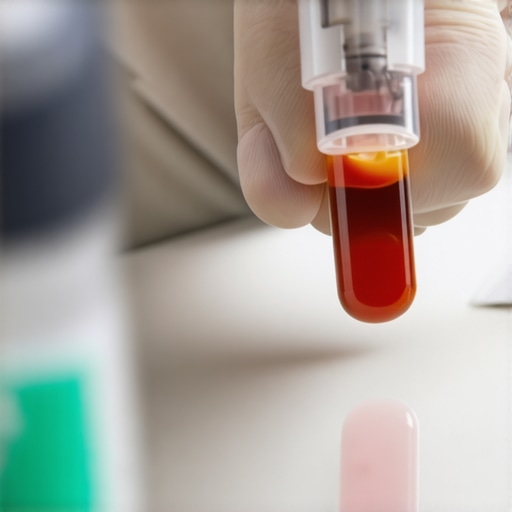
Last month, I found myself exhausted, forgetful, and a bit river of fog that I couldn’t shake off. I had been on a routine medication for months—nothing unusual—until I realized that my energy was plummeting, and my mood was turning sour. It was only after a surprise visit to my doctor and some lab tests that I learned my vitamin B12 levels were dangerously low. That was a lightbulb moment for me—one I wish I’d had earlier. If you’re taking a medication that’s widely used but not often associated with nutrient deficiencies, this could be a wake-up call for you too.
The Hidden Connection Between Your Medication and Nutrient Levels
Many people overlook the fact that common medications can interfere with vital nutrient absorption. Specifically, some drugs—like proton pump inhibitors for acid reflux—are known to affect vitamin B12 absorption in the gut. Yet, it’s easy to dismiss these as harmless or unrelated. I made this mistake early on, assuming that if I felt fine, everything was okay. But as I learned, deficiency symptoms like fatigue, brain fog, and weakened immunity can creep in gradually before showing obvious warning signs.
Is Regular Testing Really Necessary for Everyone?
Early in my health journey, I thought only people with severe symptoms needed lab tests. That assumption cost me precious time. Now I know that proactive monitoring—especially for those on common medications—can catch deficiencies before they become serious. According to recent research, vitamin B12 deficiency affects up to 20% of adults over 60 and can be higher in those taking certain medications. Testing isn’t just about catching problems; it’s about empowering yourself to optimize your health.
So, do you find yourself on medication and wondering if you’re getting all you need? Have you noticed subtle changes in your energy or mood? That’s a sign to consider checking your levels and consulting with a healthcare professional about a personalized wellness plan. For more insights into why lab tests matter in your wellness routine, visit this guide.
Prioritize Regular Lab Testing for Hidden Deficiencies
Schedule comprehensive blood tests at least once a year, especially if you’re on common medications like acid reducers or antibiotics. Use telehealth services to consult with a healthcare provider about the best panels for your needs. During a visit, discuss symptoms that might indicate deficiencies, such as fatigue or brain fog, and request specific tests like vitamin B12 levels, ferritin, or metabolic panels. Remember, early detection through these tests can prevent long-term health issues.
Set Up a Telehealth Appointment As Your First Step
Leverage telehealth platforms to connect with your doctor without leaving home. Prepare a list of symptoms, medication history, and questions about nutrient levels or vaccination needs. This approach is efficient for discussing lab results, adjusting medications, or planning further tests. When I did this for my vitamin D and B12, I avoided unnecessary trips and received tailored advice promptly. To learn more about how virtual care is transforming wellness management, visit this article.
Understand Your Lab Results to Take Control
Learn to interpret your blood work systematically—compare your values against reference ranges and note any abnormalities. Use online resources or consult your provider to understand what each marker signifies. For instance, low B12 or ferritin levels point to specific deficiencies that can be corrected with supplements or dietary changes. I once got my results back showing borderline anemia; by adjusting my diet and supplement regimen based on my provider’s guidance, I felt significantly more energetic within weeks. Dive deeper into the significance of lab findings at this resource.
Take Action with Targeted Nutrition and Supplement Strategies
Once deficiencies are identified, implement targeted interventions. For vitamin B12 deficiency, consider high-quality supplements or dietary increases in eggs, fish, and fortified foods. For iron or folate issues, focus on lean meats, leafy greens, or specific supplements prescribed by your provider. Keep track of your progress by retesting after several months. In my case, a simple supplement, paired with dietary tweaks, restored my energy and mental clarity. To optimize your nutritional approach, explore strategies like timed nutrient intake, which can improve absorption and efficacy, especially for vitamins like B12 and D. Learn more about maximizing your health through combining vaccinations and lab testing strategies at this guide.
Consistency is Your Secret Weapon
Make regular testing, virtual consultations, and dietary adjustments part of your wellness routine. Set reminders for annual bloodwork and periodic check-ins with your healthcare provider, even if you feel fine. Incremental changes, sustained over time, lead to meaningful health improvements. For instance, I marked my calendar to recheck my vitamin D levels every fall, ensuring I maintained optimal levels during the darker months. Developing a habit of proactive health management displaces reactive fixes and empowers you to stay ahead of potential deficiencies and health risks. For more insights into maintaining an ongoing wellness strategy, visit this resource.
Stay Informed and Engage with Your Healthcare Team
Continuous education about your health data and proactive communication with your provider ensures you’re making informed decisions. Read trusted resources, ask questions, and consider second opinions via telehealth when necessary. The more you understand your body’s signals and lab values, the better you can tailor your lifestyle choices. My journey taught me the importance of vigilance, which I now combine with a proactive health routine. Remember, managing your health is an ongoing process, not a one-time fix—stay engaged and responsive.While telehealth has revolutionized healthcare accessibility, many assume it fully replaces in-person visits, but this overlooks critical nuances. For example, virtual consultations are excellent for routine follow-ups, yet complex diagnoses often require an in-depth physical exam or laboratory diagnostics that can’t be conveyed digitally. Relying solely on telehealth can lead to missed subtleties, especially in identifying early signs of chronic conditions, which emphasizes the importance of understanding when in-person assessments are necessary. Additionally, many believe that vaccinations are universally effective regardless of timing or individual health status, but recent studies highlight that personalized vaccination schedules based on lab data can dramatically improve efficacy and safety, particularly for immunocompromised patients. [Learn why personalized vaccination plans matter](https://vitalclinicmd.com/revolutionizing-wellness-how-telehealth-transforms-personal-care). A common misconception is that wellness checkups are merely paperwork; in reality, comprehensive lab testing during these visits can uncover hidden deficiencies or risks, enabling proactive interventions. For instance, many underestimate the value of specific blood markers like ferritin or homocysteine levels, which are critical for assessing cardiovascular risk, especially in asymptomatic individuals. Neglecting these nuanced insights, often dismissed as unnecessary or optional, can result in overlooked health threats. Furthermore, patients sometimes assume that all lab tests are equally necessary or that results are straightforward to interpret. However, advanced markers require expert analysis for accurate interpretation, underscoring the importance of working with providers who understand these complexities. According to a [study from the National Institutes of Health](https://vitalclinicmd.com/how-lab-tests-can-detect-hidden-health-risks-early-in-your-wellness-pathway), precise interpretation of specialized tests significantly enhances early diagnosis and personalized treatment plans. Be mindful of these pitfalls: over-reliance on digital or generic advice can mask underlying issues. Regular, tailored lab testing combined with intelligent use of telehealth services enables a nuanced approach to wellness—one that can detect early warning signs before symptoms emerge. Prioritizing this complexity leads to better health outcomes and safer, more effective care. Have you ever fallen into this trap? Let me know in the comments.
Maintaining a proactive approach to health requires more than just occasional checkups; it demands reliable tools and methods that help you stay on top of your wellness game. I’ve personally adopted a suite of specific equipment and software that streamline this process, ensuring I catch potential issues early and optimize my health effectively.
Personalized Lab Testing Devices
One essential tool I rely on is a home finger-prick blood testing kit, such as Everlywell or LetsGetChecked. These allow me to monitor key markers like vitamin D, ferritin, and glucose levels without frequent clinic visits. I particularly favor lab tests for preventive wellness because early detection of deficiencies guides my dietary and supplement adjustments.
Secure and Private Data Management
To safeguard my health data, I use encrypted health record apps like MyChart or HealthVault. These ensure that my sensitive information remains private while giving me quick access to previous results. When dealing with multiple tests and doctor consultations, secure storage prevents data loss and confusion, aligning with protocols outlined in privacy best practices.
Telehealth Platforms
Regular virtual consultations are a cornerstone of my routine. Platforms like Teladoc or Amwell enable me to have quick check-ins, review lab results, and adjust medications remotely. This flexibility is especially vital for managing chronic conditions or when new symptoms arise. As healthcare continues to trend towards telehealth-driven models, I encourage everyone to integrate these tools into their wellness arsenal.
Nutritional and Supplementation Apps
Tracking my diet and supplements with apps like Chronometer or MyFitnessPal ensures I meet personalized nutrient goals. These apps sync with other devices, providing data that I discuss during telehealth visits, making my care more targeted and effective. For example, adjusting my B12 intake based on lab results and supplement tracking has significantly improved my energy levels.
Looking Ahead: The Future of Wellness Tools
Predicting where this trend is headed, AI-powered health trackers and integrated lab testing will become even more personalized. Imagine IoT devices constantly monitoring biomarkers and alerting you or your healthcare team instantly. This proactive, real-time data stream will significantly reduce the lag between detection and intervention, ultimately leading to better long-term outcomes.
How do I keep my wellness tools effective over time?
The key is consistent calibration and staying updated with the latest advancements. Regularly review your devices’ accuracy, replace expired testing kits, and adapt your tracking methods as your health evolves. Additionally, subscribing to new insights—like updates on lab test panels or emerging wearable tech—can make a substantial difference. For further guidance, explore why regular lab tests are essential to maintaining monitoring effectiveness. Don’t hesitate to experiment with the latest tools, like applying AI-driven symptom checkers or deploying advanced nutrient trackers. For example, integrating a comprehensive vitamin D monitor with your diet app may provide the insights you need to optimize your supplementation strategies. Try adopting at least one new device or software method today to see how seamlessly it can enhance your health routine.
Lessons the Self-Help Books Don’t Share About Telehealth and Nutrient Monitoring
One of my most surprising realizations was that trusting symptoms alone can be misleading; underlying deficiencies often lurk unnoticed. I once skipped regular testing, thinking I was fine, until subtle signs like brain fog became more persistent. That taught me the importance of routine lab checks even when there are no obvious issues. Additionally, relying solely on generic advice from online forums proved insufficient—personalized data from lab tests kept me ahead of potential health risks. Lastly, I learned that digital tools and virtual consultations are not just convenient; they’re essential for managing complex, hidden deficiencies in today’s busy world.