
Why checking your Vitamin D is essential during the winter months
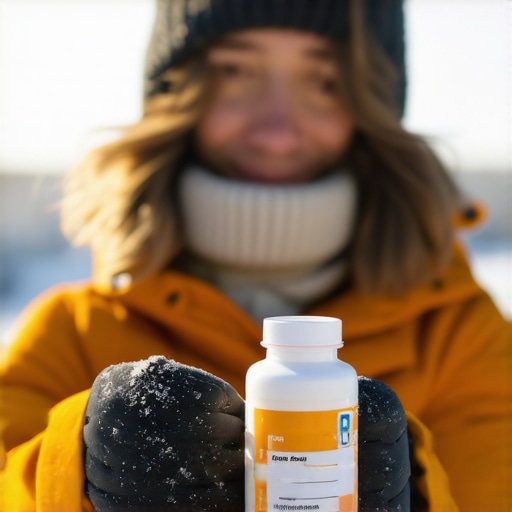
I remember those cold winter mornings when I felt more sluggish than usual, and no amount of coffee seemed to kickstart my day. It was only after a visit to my doctor that I realized I had become vitamin D deficient—a common but often overlooked issue during the darker months. That lightbulb moment made me reevaluate my wellness routine and reminded me of how crucial it is to monitor this vital nutrient. If you’ve ever experienced persistent fatigue, mood dips, or frequent colds in winter, you’re not alone. Today, I want to share how keeping tabs on your vitamin D levels can be a game-changer for your health.
The Winter Vitamin D Dilemma
Winter is beautiful—snowy mornings, cozy evenings by the fireplace, holiday festivities. But it’s also when many of us unknowingly suffer from a dip in vitamin D levels. Our bodies produce vitamin D when our skin is exposed to sunlight, but shorter days and bundled-up skin mean reduced synthesis. According to research published in the British Medical Journal, nearly 40% of adults worldwide are vitamin D deficient, with higher rates during winter months (https://vitalclinicmd.com/understanding-lab-tests-your-roadmap-to-clearer-diagnosis-at-322-pm). This deficiency isn’t just about bone health; it impacts immune function, mood stability, and overall vitality.
I must admit, in my early days of wellness focus, I ignored the signs. I thought a little extra sleep and some vitamin tablets would suffice. But I made a common mistake—assuming that if I wasn’t feeling outright sick, I was fine. That was until I caught every cold, felt inexplicably anxious, and noticed my energy levels plummeting. It dawned on me that I needed to be more proactive about checking my levels, especially before the winter wound down.
Have you faced similar struggles with low energy or immunity during colder months? If so, you’re not alone—and there’s a straightforward way to address it.
Is Vitamin D Testing Really Necessary or Just a Trend?
In the wellness world, vitamin D testing sometimes feels like just another health trend. But honestly, it’s a small step with significant benefits. Early on, I took a shortcut—I trusted test kits that promised quick results but lacked medical oversight. That was a mistake. I only realized the importance of accurate, lab-based testing after consulting with healthcare professionals. Reliable testing guides precise supplementation, preventing over- or under-dosing, which can be problematic. Using [lab tests](https://vitalclinicmd.com/understanding-lab-tests-your-roadmap-to-clearer-diagnosis-at-322-pm) is a crucial part of personalized wellness—so don’t skip this step if you’re serious about health.
So, are you ready to discover how simple testing can transform your winter wellness? Let’s get into some practical strategies to ensure your vitamin D levels are on track—and keep your immune defenses strong all season long.
Schedule Your Lab Test Smartly
First, arrange for an accurate vitamin D test through a reputable lab. Use telehealth services to consult a healthcare professional, who can guide you on the best testing options and interpret results precisely. I once booked a home blood sample collection via a telehealth platform, which was straightforward and saved me time. This step ensures you know your baseline and prevents guesswork in supplementation.
Click here to learn how lab tests guide your health journey.
Get Personalized Supplementation Plans
Based on your test results, work with a clinician to craft a tailored vitamin D supplement plan. Many fall into the trap of generic doses, risking over- or under-supplementation. I once followed a friend’s advice and took a high-dose supplement without testing—resulting in unnecessary side effects. Tailoring dosages through professional advice ensures optimal absorption and safety.
Explore how personalized wellness strategies can optimize your health.
Integrate Sunlight Safely
Maximize sun exposure during peak hours—about 10 am to 3 pm—to boost your natural production of vitamin D. Think of sunlight as free, natural therapy. I started spending 15-minute walks during lunch, which significantly improved my mood and energy. Remember, skin exposure matters—avoid sunscreen during these brief periods to allow vitamin D synthesis.
Optimize Your Diet for Better Absorption
Eat fatty fish like salmon or mackerel regularly, and include foods rich in magnesium, which helps activate vitamin D. My lunch routine now includes a spinach and salmon salad, and I felt noticeable improvements within weeks. Combining dietary sources with supplements makes a holistic approach to maintaining adequate levels.
Leverage Telehealth for Ongoing Monitoring
Use telehealth platforms to schedule periodic check-ins and adjust your plan as needed. I keep in touch with my provider remotely, which gives me the flexibility to respond quickly if my levels change or symptoms fluctuate. This ongoing virtual support is ideal for staying on track without frequent clinic visits.
Learn about innovative telehealth solutions that make wellness management flexible and accessible.
Don’t Delay, Get Started Today
Procrastination can prolong deficiency symptoms. Taking these precise, actionable steps now will set you on a clear path toward better health during winter months. Remember, managing vitamin D levels is a continuous process—stay consistent and use the tools available to you for the best results.
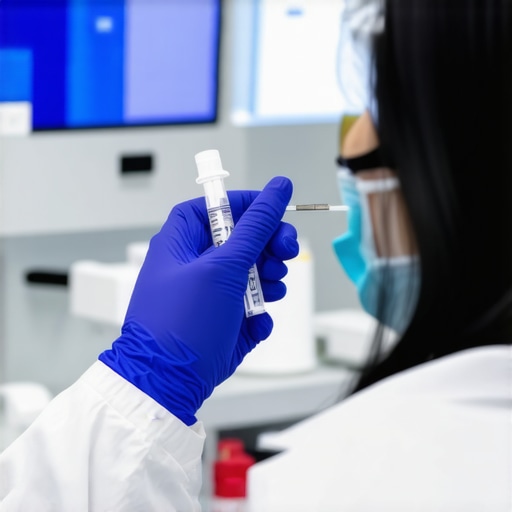 Despite the rapid adoption of telehealth and modern healthcare tools, many people still harbor misconceptions that can hinder their effectiveness. One prevalent myth is believing that virtual consultations are superficial or lack depth, but in reality, telehealth platforms now enable comprehensive assessments, especially when paired with accurate lab testing and personalized plans. The key is understanding that telehealth isn’t just a convenience—it’s a sophisticated, data-driven approach to wellness that, when used correctly, can rival traditional in-person visits.
A common pitfall is assuming that labs are only necessary when symptoms are severe. In fact, routine blood tests—like lipid profiles or vitamin D levels—are crucial for early detection of hidden health risks. This proactive approach helps prevent illnesses before they manifest, which is a nuance many overlook. For example, ordering the right tests can reveal underlying inflammation or nutrient deficiencies that might otherwise go unnoticed until they cause bigger problems.
Many also misunderstand vaccinations, believing they are one-size-fits-all or only for children. However, personalized vaccination schedules, tailored to individual health status and lifestyle, can optimize immunity. This nuance ensures protection against specific threats without unnecessary vaccinations, reducing adverse effects and improving overall health resilience. For instance, an adult with a family history of respiratory issues might benefit from pneumococcal or shingles vaccines, administered at optimal times.
The ‘Oops’ factor here is assuming that all data collected remotely is automatically accurate without proper protocols. Without professional oversight or validated testing methods, self-ordered lab tests or incorrect specimen handling can lead to inaccuracies, misleading diagnoses, or inappropriate treatments. Always verify that your testing provider adheres to rigorous standards, and consult healthcare professionals about your results.
A deeper question for the advanced reader is: How can integrating data from telehealth, lab tests, and vaccination history create a truly personalized wellness plan that evolves with your changing health needs? This approach not only enhances prevention but also allows for dynamic adjustment of interventions, leveraging the latest in medical research. Evidence shows that personalized healthcare plans, supported by continuous data monitoring, significantly improve outcomes compared to generic protocols (source: https://vitalclinicmd.com/understanding-the-role-of-lab-tests-in-preventive-wellness).
In summary, the real nuance lies in viewing these tools—telehealth, lab testing, vaccinations—not as standalone solutions, but as interconnected components of an intelligent, customized health strategy. Recognizing and avoiding common myths, understanding their limits, and utilizing them under professional guidance can elevate your wellness journey to a new level. Remember, proactive engagement with your health data is the cornerstone of effective prevention and longevity.
Have you ever fallen into this trap? Let me know in the comments.Maintaining your health journey over the long term requires more than just initial testing and consultations; it demands reliable tools, consistent routines, and strategic adjustments. I’ve found that integrating specific equipment and software can significantly streamline this process, ensuring you stay proactive and data-driven in your wellness efforts.
One of my go-to tools is a high-quality digital blood pressure monitor like the Omron Platinum. Why? Because it offers clinically accurate readings, syncs effortlessly with smartphone apps, and allows me to track trends over weeks and months. Regularly reviewing this data helps me catch anomalies early and adjust my lifestyle accordingly.
For lab testing, I prefer using home sample collection kits from certified labs like Everlywell. Their kits are FDA-approved, user-friendly, and come with detailed instructions. I personally schedule quarterly tests to monitor key markers like vitamin D, lipid profiles, and inflammatory markers. Using their app integrates my results seamlessly into my health record, making follow-up consultations more precise.
When it comes to telehealth, I recommend a platform like Vault Health, which enables scheduled virtual check-ins with licensed practitioners and offers medication management. The integration of testing results, symptom tracking, and appointment scheduling in one place simplifies my health management. Additionally, their emphasis on privacy—detailed in their privacy policy—gives me confidence that my sensitive data is protected.
A critical aspect for long-term success is data visualization. I use subscription-based software such as MyChart Plus, which consolidates data from various devices and tests into understandable charts and dashboards. The visual feedback motivates me and clarifies which areas need attention.
Predicting future trends, I believe integrated platforms will evolve into centralized wellness hubs, combining AI analysis with real-time biometric data. The goal is moving toward predictive health analytics, where early intervention becomes standard, reducing reliance on reactive treatments.
So, how do I keep all these tools running smoothly? Regular calibration of devices, staying updated with app firmware, and maintaining consistent testing schedules are essential. I also automate reminders and data uploads using smartphone automation apps like IFTTT, ensuring nothing slips through the cracks.
For anyone serious about sustained wellness, I highly recommend trying a comprehensive approach: pair an accurate home blood pressure monitor with regular lab testing from reputable providers, and leverage telehealth platforms for ongoing support. Don’t forget to review your data monthly and adjust your routines accordingly. This proactive cycle is the cornerstone of effective, long-term health management.
Ready to get started? Try setting up your first automatic data sync from your blood pressure monitor today, and experience firsthand how seamless and empowering your wellness journey can become. Remember, consistent tool usage transforms data into actionable insights—making health one less thing to worry about.
Lessons that Changed My Approach to Telehealth and Nutritional Monitoring
One of the most profound lessons I learned was that trusting superficial assessments often leads to missed opportunities for early intervention. Real progress comes when you dive deeper—ordering precise lab tests and engaging in personalized care rather than settling for cookie-cutter solutions.
Another insight was the importance of embracing technology without blind faith. I found that integrating reliable devices and verified telehealth platforms transformed my health monitoring from reactive to proactive, saving me time and preventing potential health crises.
Lastly, I realized that education around vaccinations and lab results isn’t just for healthcare professionals. Empowering myself with knowledge about what the data means allowed me to make smarter decisions, avoiding myths and misconceptions that can delay effective treatment.
Tools That Keep My Wellness on Track
My essential toolkit includes a high-quality digital blood pressure monitor like the Omron Platinum, which provides accurate readings and seamless data integration. For labs, I trust Everlywell’s FDA-approved home testing kits because they’re user-friendly and verified for quality, enabling me to stay on top of critical health markers without frequent clinic visits.
The telehealth platform I rely on is Vault Health, which offers virtual consultations with licensed practitioners and integrates my lab results for comprehensive care. These tools, combined with monitoring software like MyChart Plus, allow me to visualize my health trends and adjust my routines accordingly—something I recommend strongly.
Now It’s Your Turn to Make a Change
Taking control of your wellness with smart testing, personalized plans, and virtual care isn’t just possible—it’s transformative. Starting today, you can leverage these tools to build a resilient, informed approach to health that benefits you long-term. Remember, every small step adds up when it comes to achieving lasting wellness through telehealth and targeted lab testing.