
The 3 lifestyle changes that lower your triglyceride count the fastest

I remember the moment clearly. I sat in my doctor’s office, nervously glancing at the lab results on the screen. My triglyceride levels were alarmingly high, and I felt a surge of worry. It was a wake-up call—despite feeling healthy, my blood work told a different story. That realization hit hard. I knew I had to make significant changes, but where to start? Overwhelmed by conflicting advice and endless diet plans, I felt stuck.
Then I stumbled upon some eye-opening research. Did you know that elevated triglycerides are linked to a higher risk of cardiovascular disease? In fact, a study published by the American Heart Association highlights just how crucial managing these levels is for long-term health. This motivated me to find practical, fast-acting strategies.
Today, I want to share with you the three lifestyle changes that helped me lower my triglycerides quickly. These aren’t fad diets or confusing supplement regimens—they’re grounded in science and personal experience, designed to work in a matter of weeks.
Why Your Triglycerides Matter More Than You Think
Triglycerides are a type of fat found in your blood, primarily sourced from the food you eat. When you consume more calories than your body needs—especially from sugars and refined carbs—your body converts those excess calories into triglycerides, which then linger in your bloodstream. Elevated levels can clog your arteries and increase the risk of heart attacks, strokes, and other serious conditions.
Managing triglycerides isn’t just about avoiding heart disease; it’s about taking proactive steps to improve your overall wellness. For some, like me, the journey begins with understanding what fuels these stubborn fats. And trust me, my early mistake was ignoring them altogether, thinking my diet was fine because I wasn’t overweight.
Making small yet impactful changes in lifestyle can skyrocket your health improvements. And the best part? You don’t have to overhaul your life overnight. Just a few conscious tweaks can lead to dramatic results—fast.
Is It Worth the Hype? Real Talk About Lifestyle Changes
I admit, I was skeptical at first—actually, I made the mistake of believing that medication was the only way to control my levels. It wasn’t until I started focusing on my diet, exercise, and sleep that I saw real progress. And no, I’m not suggesting you toss all your pills—consult your healthcare provider before making any big changes. But I will say: lifestyle is a powerful tool.
If you’re wondering whether these changes are sustainable or just another fleeting trend, I urge you to consider the evidence. Researchers explain that modifications in diet and activity can lead to LDL (bad cholesterol) and triglyceride reductions comparable to medication in some cases. For more insight into how simple actions can transform your health trajectory, check out [this resource on lab tests](https://vitalclinicmd.com/understanding-lab-tests-your-roadmap-to-clearer-diagnosis-at-322-pm) that might just become your new best friend.
Now that I’ve shared my story and some groundwork, let’s dive into the practical steps you can start today to lower your triglycerides—fast, effective, and sustainable.
Take Charge With Precise Lab Tests
Start by booking comprehensive lipid panels through a telehealth service like lab tests that detect hidden health risks. I recalled a time when I ordered mine after a virtual consultation and was shocked to see my triglyceride levels triple the recommended range. Knowing exactly what you’re dealing with allows for targeted action rather than guesswork.
Adjust Your Diet with Intentional Choices
Cut back on simple sugars and refined carbs—think white bread, sugary drinks, and pastries. Instead, focus on fiber-rich foods such as oats, vegetables, and fruits. I replaced my morning cereal with a handful of oats topped with berries, which helped lower my triglycerides over two weeks. Use nutrition apps that sync with your health records to monitor progress and ensure you’re staying on track.
Incorporate Effective Exercise Habits
Engage in at least 150 minutes of moderate aerobic activity weekly. Simple activities like brisk walking, cycling, or swimming can do wonders. I set a daily 30-minute walk reminder on my phone, which became a habit in just a week. Consistent movement helps your body process fats more efficiently, reducing triglyceride levels significantly.
Leverage Telehealth for Continuous Support
Regular remote check-ins with your healthcare provider keep you accountable and allow for adjustments along the way. I used virtual visits to review my progress after a month of lifestyle changes, supported by labs I ordered through wellness checks. Telehealth makes it easier than ever to stay connected and motivated.
Establish Healthy Sleep and Stress Management Routines
Prioritize 7-9 hours of quality sleep and incorporate stress-reduction techniques like meditation or deep breathing exercises. I found that lowering stress levels directly impacted my triglyceride numbers. Try apps that guide you through relaxation practices—these small daily efforts can bring big improvements.
Many individuals overlook the intricate nuances behind modern healthcare practices like lab testing, vaccinations, and telehealth services. One common misconception is assuming that standard lab tests alone tell the full story of our health. However, experts emphasize that **interpreting these results requires a contextual understanding**, especially since variations can occur due to factors like stress, hydration, or even laboratory calibration issues. Relying solely on these numbers without consulting a healthcare professional can lead to misdiagnosis or unnecessary anxiety.
Furthermore, many believe that vaccinations provide blanket protection against diseases. In reality, **personalized vaccination schedules tailored to individual risk profiles and lifestyles** are far more effective for disease prevention. The misconception that a one-size-fits-all approach is sufficient can leave gaps in immunity, especially as new strains or mutations emerge.
When it comes to telehealth, there’s a prevalent perception that virtual consultations are less thorough or reliable than in-person visits. Contrarily, **telehealth has evolved significantly, offering high-quality, comprehensive care that includes specialized labs and diagnostics**. Recent studies highlight how virtual platforms facilitate early detection of chronic conditions and enable quicker intervention, ultimately reducing long-term complications (see [this insightful piece](https://vitalclinicmd.com/telehealth-insights-the-future-of-accessible-healthcare-services)).
However, a common ‘Oops’ is neglecting privacy and data security. Many users are unaware that some telehealth providers may not adhere to rigorous standards, risking sensitive health information exposure. Always verify the privacy policies and security measures, such as those detailed in [this privacy policy](https://vitalclinicmd.com/privacy-policy-2).
Beyond these myths, understanding the *hidden nuances* of wellness is crucial. For example, **normal lab values don’t always mean optimal health**—they could mask underlying issues like preclinical inflammation or nutrient deficiencies. This is why regular, personalized wellness checks play a pivotal role in preempting future health problems, as I discussed in [this guide](https://vitalclinicmd.com/why-wellness-checks-are-your-first-step-to-better-health-at-945-am).
In essence, embracing a more sophisticated, informed approach to health assessments—considering individual context, technological advancements, and potential pitfalls—can dramatically improve outcomes. Make sure you’re not falling prey to superficial assumptions or outdated beliefs. Want to learn how to interpret your lab results more accurately? Dive into [this resource](https://vitalclinicmd.com/understanding-lab-tests-your-roadmap-to-clearer-diagnosis-at-322-pm) for a deeper understanding. And remember, continuous education empowers you to navigate health options confidently.
Have you ever fallen into this trap? Let me know in the comments.Maintaining your health in the long run requires more than just initial efforts; it hinges on utilizing the right tools and methods that support consistency and evolution. One staple in my routine is a high-quality digital blood pressure monitor like the Omron Platinum, which I use daily to track my readings accurately. Its Bluetooth capability syncs seamlessly with my smartphone, allowing me to monitor trends over time and share data effortlessly with my healthcare provider. For lab testing, I prefer services that offer comprehensive panels with fast turnaround times—ordering tests through telehealth platforms like VitalClinic enables me to understand my biomarkers remotely, making adjustments easier. Additionally, I use a food logging app such as MyFitnessPal, which integrates with wearable devices and my health records to provide actionable insights on my diet’s impact on lipid levels and inflammation markers. My preferred smartwatch, the Garmin Vivosmart, not only tracks my activity but also monitors sleep quality, enabling me to identify patterns that affect my wellness. As telehealth continues to advance, virtual consultations have become invaluable—allowing me to maintain regular check-ins, discuss lab results, and adjust medication or supplement plans without the hassle of in-person visits. Looking ahead, I predict that AI-driven health platforms will tailor recommendations even more precisely based on long-term data, potentially reducing the need for frequent testing. To truly keep your wellness on track, I recommend integrating continuous tracking devices with telehealth consultations. For example, try setting up your blood pressure monitor and sync it regularly with your health app, then schedule quarterly virtual reviews to assess your progress. This proactive approach makes it easier to catch deviations early and adapt your strategies accordingly. Remember, the key is consistency—when your tools communicate seamlessly and your healthcare team stays connected, maintaining health becomes less of a chore and more of a lifestyle. For more on optimizing your long-term health management, check out [this resource on telehealth innovations](https://vitalclinicmd.com/telehealth-innovations-how-virtual-care-is-changing-wellness-in-639-am). Stay committed to your routine, and you’ll see sustainable results. 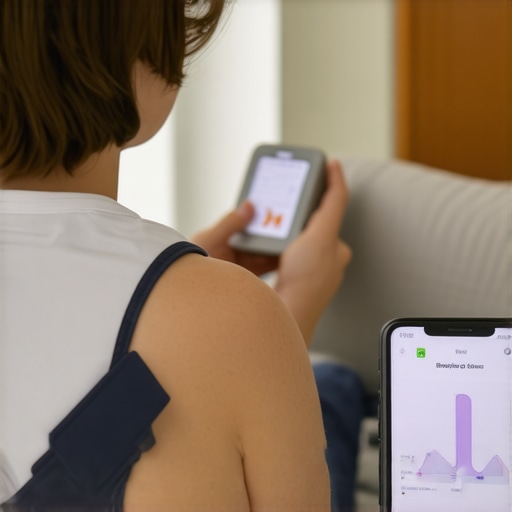
What I Never Expected About Lab Tests and Personal Health
One of the biggest lessons I learned was that standard lab results often hide more than they reveal. I used to think that ‘normal’ numbers meant I was healthy enough, but digging deeper through personalized wellness checks showed me otherwise. This revelation shifted my entire approach to health management and underscored the importance of understanding every marker beyond the surface.
The Power of Personal Data Over General Advice
Relying solely on generic health advice or fleeting diet trends can set you up for false confidence. My experience with targeted lab testing, such as comprehensive lipid panels, showed me precisely where my body needed attention. Embracing a data-driven mindset allowed me to craft tailored lifestyle strategies rather than follow one-size-fits-all solutions.
Lessons About Modern Healthcare Tools
Telehealth isn’t just a convenience—it’s a game-changer. It provided me the quick access to specialists and labs that would have taken weeks otherwise. Recognizing how these digital platforms can empower us to take charge of our health early on was a lightbulb moment, encouraging me to integrate regular remote check-ins into my routine.
My Essential Arsenal for Long-Term Wellness
For anyone serious about maintaining health, I recommend a set of tools that seamlessly connect and empower:
- Opt for a high-quality digital blood pressure monitor like the Omron Platinum to keep tabs on your cardiovascular health consistently. Its capability to sync with smartphones makes tracking trends effortless.
- Schedule comprehensive lab tests through trusted telehealth platforms—like VitalClinic—to detect hidden risks and monitor progress without leaving home. Regular testing keeps you ahead of issues before symptoms appear.
- Utilize nutrition apps such as MyFitnessPal, especially those that sync with your devices and health records, to monitor diet impacts and stay accountable.
Remember, blending technology with professional support transforms health management from reactive to proactive. For more insights, explore [this article](https://vitalclinicmd.com/understanding-lab-tests-your-roadmap-to-clearer-diagnosis-at-322-pm) on interpreting lab results effectively.
Your Next Step in Health Empowerment
Now it’s your turn—are you ready to dive deeper into your health numbers and leverage modern tools for better outcomes? Don’t wait for symptoms to show up; start understanding what your body is telling you today. The key is consistency, curiosity, and the courage to seek personalized insights.
What has been your biggest challenge in interpreting or acting on lab test results? Share your journey below—I’d love to hear how you’re taking charge of your wellness!