
The real impact of a late-night snack on your morning blood sugar test
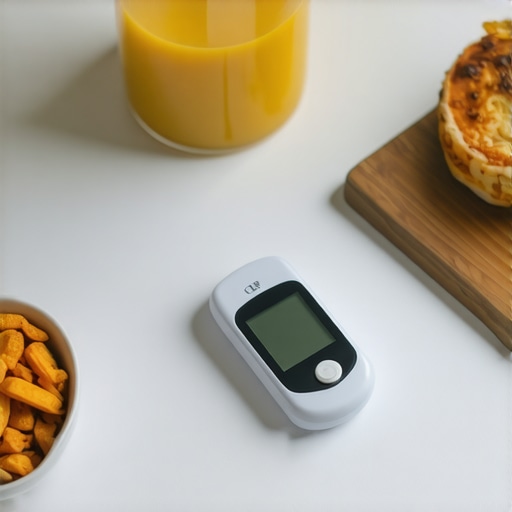
It was a typical Tuesday night when I found myself craving a little something before bed. I thought, “One small snack can’t hurt.” The next morning, I eagerly took my blood sugar test, expecting a normal result. Instead, I was hit with a surprise: my levels were higher than usual. That moment was my lightbulb, a realization that late-night eating might be quietly sabotaging my health goals.
The Hidden Impact of Nighttime Nibbles on Blood Sugar
Since that night, I’ve dug into the science behind how late-night snacks influence morning blood sugar readings. You see, our bodies process food differently depending on the time of day, and late eating can interfere with how effectively insulin manages glucose. This isn’t just my anecdote—studies have shown that consuming carbs late at night can lead to higher fasting blood sugar levels, which is a risk factor for insulin resistance and type 2 diabetes.
Understanding this connection is crucial because many of us unknowingly fall into habits that disrupt our metabolic health. Have you ever noticed how a late snack seems to leave you waking up with a sluggish stomach or a waking headache? That might be your body’s way of signaling that something’s amiss.
Is It Really Worth Worrying About Your Nighttime Eating Habits?
Early on, I made the mistake of dismissing the impact of my nighttime snack as minor. I thought, “It’s just one small treat,” not realizing it could skew my morning blood tests and give me a false sense of how well my body is handling glucose. Trust me, if you’re serious about managing your blood sugar, this is one area that deserves attention.
So, what’s the fix? That’s exactly what I aim to explore today. We’ll look at practical, realistic steps to keep your blood sugar in check, even if you’re tempted to indulge late at night. Ready to take control? Let’s dig into how you can turn things around, starting tonight.
Set a Bedtime Routine for Better Metabolic Health
Start by establishing a consistent sleep schedule. Going to bed and waking up at the same times helps regulate your body’s internal clock, which influences insulin sensitivity. During my trial, I began turning off screens at 9:30 pm and practicing relaxation techniques like deep breathing. Initially messy, this routine improved my fasting blood sugar over a few weeks.
Choose Smart Snacks if You Must Eat Late
If hunger strikes after dinner, opt for protein-rich snacks such as a handful of nuts or Greek yogurt. These stabilize blood sugar more effectively than processed carbs. I remember munching on almonds one night, which kept my blood sugar stable and prevented the usual morning spike.
Track Your Blood Sugar to Pinpoint Triggers
Regular monitoring is key. Use a glucometer or consider remote blood testing services for convenience. During one episode, I noticed that late-night ice cream caused a significant spike, leading me to cut back. For a comprehensive view, understanding your patterns can be enhanced by proper lab tests, which you can learn about at understanding lab tests.
Leverage Telehealth for Personalized Guidance
Consulting with healthcare professionals remotely ensures your strategy stays on track. Telehealth platforms can help you adjust dietary plans or medication if needed. I scheduled a quick virtual appointment, which clarified my medication timing and dietary choices. To explore more, see how telehealth transforms wellness.
Create a Supportive Environment at Home
Remove tempting high-sugar snacks from the kitchen. Replace them with healthier options like veggies and hummus. A friend of mine did this and found it easier to stick to her new routine. Keep your environment aligned with your health goals to reduce temptation and make better choices effortlessly.
Stay Active After Dinner
A light walk improves insulin sensitivity by helping muscles use glucose more effectively. I started a routine of 10-minute walks post-meal, which not only aided digestion but also kept my blood sugars down overnight. Incorporating regular movement is simple and affordable, providing long-term benefits.
Implement Consistent Bedtimes for Stability
Going to bed at the same time each night helps synchronize your circadian rhythm, which influences hormonal balance and glucose regulation. Even on weekends, maintaining a consistent sleep schedule keeps your metabolism steady. Initially challenging, I found that this regularity decreased my fasting blood sugars over time.
Use Technology to Stay Accountable
Apps and wearable devices can remind you of routines and track your progress. They serve as digital accountability partners. I used a simple sleep and activity tracker—seeing my improvements motivated me to stick with my plan.
Consult Professionals for Long-Term Success
Regular check-ins with your healthcare provider ensure you’re on track. Sometimes, alterations in medication or new tests are needed. Resources like lab tests can reveal underlying issues affecting blood sugar. A tailored plan, combined with ongoing support, makes sustainable progress achievable.

 When it comes to personal health management, many assume that following the popular advice or relying on mainstream narratives is enough. But in my experience as a health enthusiast and practitioner, some deeply ingrained beliefs about vaccinations, lab tests, and telehealth can actually hinder true wellness. Let’s dig into some of these misconceptions and reveal nuanced truths that can elevate your health journey.
First, the idea that all vaccinations are uniformly effective and necessary for everyone is a common myth. While vaccines are powerful tools for disease prevention, many overlook the importance of individualized schedules and understanding specific immunization needs based on age, health status, and exposure risks. For example, a personalized vaccination plan considers your unique circumstances, optimizing booster timing and strain coverage, rather than adhering strictly to generic schedules. Learn more about how tailored immunizations can improve results at vaccination myths busted.
Similarly, lab tests are often viewed as a one-size-fits-all solution, but the reality is far more nuanced. The misconception that routine tests suffice for comprehensive health monitoring can lead to missed early signs of issues like insulin resistance, nutrient deficiencies, or hormonal imbalances. Advanced lab markers and understanding their significance enable you to catch underlying problems before symptoms appear. For instance, exploring the role of lab tests in preventive wellness can help you appreciate their real power.
Now, let’s talk about telehealth. Many assume virtual visits are only suitable for minor ailments or quick prescriptions. But this oversimplification ignores the extensive benefits of remote care, particularly for managing chronic conditions, mental health, and personalized wellness strategies. The convenience and accessibility of telehealth can actually lead to better long-term outcomes by enabling frequent monitoring and timely interventions. For example, see how telehealth’s benefits in chronic wellness management.
A critical nuance many miss is the risk of complacency with wellness tools, especially when relying solely on unverified sources or superficial interactions. This trap can trap you into a false sense of security, delaying necessary professional input. Always combine your self-education and monitoring with expert guidance; telehealth facilitates this seamlessly (see how virtual care is transforming wellness).
Lastly, consider the advanced question: How can integrating these tools and insights prevent hidden health risks? The answer lies in a proactive, personalized approach that leverages the full potential of modern medicine—using smart diagnostics, tailored vaccinations, and remote care to catch the ‘silent’ signs early, avoiding crises and optimizing health span.
Are you still relying on myths or surface-level info in your wellness approach? Have you ever fallen into this trap? Let me know in the comments. Remember, true mastery of health involves understanding the nuances—so don’t settle for misconceptions when knowledge can empower you.
Keep It Working: Essential Tools for Long-Term Wellness
Maintaining your health journey over time requires more than just good intentions; it demands reliable tools and systems that adapt as your needs evolve. Personally, I rely on a combination of advanced testing, telehealth services, and digital tracking to stay proactive and responsive to my body’s signals. These tools form the backbone of my approach to sustained well-being, helping me catch potential issues early and make informed adjustments.
Investing in Accurate Lab Testing for Clarity
Regular lab tests provide critical insights that self-monitoring can’t fully capture. I prioritize comprehensive panels like metabolic, hormonal, and nutrient-specific tests, ensuring I have a clear picture of my health status. For instance, understanding my lab test results enables me to tailor my diet, supplementation, and lifestyle modifications more effectively. These tests are a key component in my long-term strategy, revealing hidden risks before symptoms manifest.
Harnessing Telehealth for Convenience and Precision
Telehealth platforms have revolutionized my approach to healthcare. Instead of waiting weeks for in-person appointments, I schedule virtual consultations with specialists, whether for medication adjustments or specialized advice. The convenience of remote care allows me to maintain regular check-ins, which are vital for managing chronic conditions or addressing new concerns swiftly. To see how this technology is shaping better health management, check telehealth’s benefits in chronic wellness.
Leverage Digital Tracking Devices for Real-Time Feedback
Wearable devices and health apps are indispensable for ongoing monitoring. I use a smart watch that tracks sleep, activity, and heart rate, providing immediate data to inform my choices. These insights help me optimize my routines, like timing exercise and stress management practices, to fit my daily rhythm. The key is consistency; tracking over months creates a data-rich environment that guides sustainable habits and adjustments. Want to try a personalized approach? Explore how combining vaccinations and lab data can boost your immunity.
What’s Next in Wellness Tools?
Emerging technologies, such as AI-powered health analytics and integrated health platforms, are poised to make personalized care even more accessible. Predictive models might soon alert you to health risks before any sign appears, enabling truly preventive strategies. Experts suggest that investing in such systems now could save time, reduce costs, and improve outcomes in the future. As these tools become more mainstream, they will likely become standard in long-term health maintenance routines.
How do I keep these tools effective over time?
Regular updates, staying informed about new features, and interpreting data with professional input are vital. For example, periodically reviewing your lab test results with a healthcare provider ensures your understanding remains accurate and actionable. Additionally, integrating telehealth check-ins can help adjust your strategies promptly—making your system dynamic rather than static. If you’re interested in a quick start, consider scheduling a virtual wellness review through our telehealth services.
Future trends indicate an increasing convergence of personalized diagnostics, AI-driven insights, and seamless virtual care, making wellness management more intuitive and responsive. Embrace these tools now to stay ahead in your health journey, and remember: consistency and professional guidance are your best allies.
Ready to upgrade your maintenance routine? Start by testing a comprehensive panel this month, then set a regular telehealth check-in to review your results. Modern tools offer clarity and control—use them to their fullest potential.
Uncovering My Biggest Misconceptions About Personalized Care
One of the most profound lessons I encountered was realizing that not all vaccination schedules suit every individual—trusting a generic plan can sometimes do more harm than good. It made me reconsider the importance of tailored approaches, like those detailed at vaccination myths busted. Also, I learned that lab tests are not just routine checkboxes; they can be your early-warning system if you understand which markers truly matter, as explained in understanding the role of lab tests. Lastly, I discovered that telehealth isn’t just about convenience—it’s a bridge to personalized, timely interventions that fit into real lives, explored further at how telehealth transforms wellness. The biggest lightbulb moment? Recognizing the value of integrating these tools into a cohesive strategy, rather than viewing each in isolation, for true, sustainable health benefits.
My Essential Tools for Navigating Modern Wellness
After many experiments, I trust comprehensive lab panels, especially those related to metabolic and hormonal health, available at understanding lab tests. These reveal hidden issues before symptoms appear. I also rely heavily on telehealth platforms like remote consultations for chronic care, which keep me connected with specialists without the hassle of travel. Additionally, wearable health devices, such as smart watches, provide real-time feedback on my activity and sleep, ensuring I stay aligned with my wellness goals. I encourage everyone to build a personal toolkit that includes these modern solutions—they’re powerful when used together, offering clarity and control over your health journey.
Your Power to Transform Wellness Begins Today
Embracing a nuanced view of vaccinations, lab testing, and telehealth can be a game-changer for your health. Don’t wait for a crisis to reassess your approach—start integrating these insights now. Remember, the journey towards true wellness isn’t about perfection but about making consistent, informed choices that respect your unique needs. Every step you take today builds a healthier tomorrow. Ready to take control? Dive into these resources, seek professional guidance, and trust in your ability to craft a healthier future—you’ve got this. What step are you most excited to start implementing today? Let me know below.