
The truth about liver enzymes and why yours might be slightly elevated
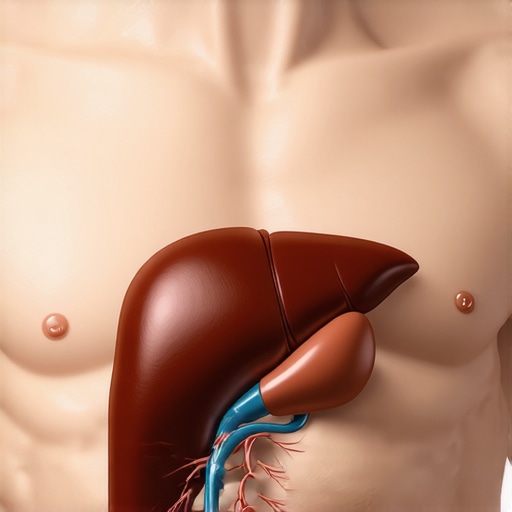
I remember the moment clearly—the alarm on my phone buzzed unexpectedly, pulling me out of a peaceful night’s sleep. When I checked the screen, I saw the dreaded message from my doctor’s lab: “Elevated Liver Enzymes.” My stomach sank. How could my liver, that resilient organ I rarely considered, suddenly be under attack? That realization hit me hard; it felt like a personal health scare, even though I had no symptoms to point me in that direction. If you’ve ever faced similar concerns about liver tests, you know how confusing and stressful it can be. Why are these enzymes higher than normal? Should I be worried? And, most importantly, what can I do about it?
Decoding the Mystery Behind Liver Enzymes and Why a Slight Elevation Isn’t the End of the World
Here’s the thing—many people, myself included early on, assume that elevated liver enzymes spell disaster. But the truth is, a slight increase isn’t automatically a sign of serious liver disease. According to research, minor elevations are quite common and often reversible, especially when the root cause is identified and addressed early. This realization was a game-changer for me. I learned that these enzymes, primarily ALT and AST, serve as messengers, signaling how our liver is functioning. Sometimes, these levels go up due to benign factors like temporary inflammation, medication side effects, or even vigorous exercise.
If you’ve recently had a lab test showing slightly elevated liver enzymes, you’re not alone. And while it can be tempting to panic, it’s crucial to understand what’s really happening. Making assumptions based solely on the numbers can lead to unnecessary worry or, worse, ignoring a treatable condition. A smart start is to understand precisely what the test measures, which is why I recommend reviewing your results with an expert. You can learn more about interpreting lab tests [here](https://vitalclinicmd.com/understanding-lab-tests-your-roadmap-to-clearer-diagnosis-at-322-pm). Sometimes, a simple lifestyle tweak or medication review is enough to bring those levels back to normal.
Have you been concerned about your liver health after recent bloodwork, yet unsure what the numbers truly mean? You’re not alone, and the good news is, with the right information and a proactive approach, you can regain control over your well-being. The next step is understanding what causes these fluctuations and how to address them effectively. Stay tuned, because what I share next transformed how I managed my health—and how you can too.
Start by Getting Clear on Your Test Results
When I first received my elevated liver enzymes, I made it a priority to understand the specific numbers. I reviewed my lab report to identify whether ALT or AST levels were high and by how much. This step is crucial because it helps determine if the elevation is mild, moderate, or severe, guiding your next actions. I recommend visiting this resource to decode your results accurately. When you know exactly what the labs say, you move from guesswork to a targeted approach.
Conduct a Lifestyle Audit
Next, I examined my daily habits—diet, exercise, alcohol intake, and medication use. Elevated liver enzymes can often be traced back to lifestyle factors like excessive alcohol, processed foods, or intense workouts that stress the liver. Think of your liver as a busy factory—overloading it with toxins or overworking it can cause temporary spikes. To get a clear picture, write down your diet and activity patterns for a week. This audit helps identify potential culprits and sets the stage for effective modifications.
Implement Targeted Lifestyle Changes
Based on my audit, I made specific adjustments: reducing alcohol, cutting back on processed foods, and incorporating liver-friendly nutrients like milk thistle and antioxidants. I also scaled back vigorous exercise temporarily, as overtraining can elevate enzymes. Instead, I focused on gentle activities like walking and stretching. These changes are like tuning a machine—the smaller the tweak, the faster it responds. Remember, consistency is key; small daily improvements often yield significant results over time.
Monitor Progress with Follow-Up Testing
After making initial adjustments, I scheduled repeat blood tests to track my liver enzymes. Just as a mechanic checks an engine after tuning, regular labs help confirm if your interventions are working. I recommend waiting about 4–6 weeks before retesting, giving your body time to respond. You can access follow-up labs through your doctor or via telehealth services, which offer convenient options. Monitoring ensures you’re on the right path and allows for quick adjustments if needed.
Consult a Healthcare Professional for Personalized Advice
While lifestyle changes are fundamental, consulting a healthcare provider is essential for a comprehensive assessment. They can perform additional tests to rule out underlying conditions like fatty liver or hepatitis. During my own journey, I used telehealth consultations to discuss my results—all without leaving home—which made the process efficient and stress-free. If you’re uncertain how to proceed, I advise reaching out through this contact page. Personalized guidance ensures you address the root cause effectively and prevent future issues.
Adopt a Holistic Approach to Liver Care
Beyond the immediate steps, consider integrating nutritional support, stress management, and regular check-ins into your routine. Think of your health as a symphony—each component, from diet to sleep to mental wellness, plays a role. For deeper insights into holistic wellness, explore how telehealth is transforming personal care. This approach not only lowers your enzyme levels but also enhances overall vitality, making your liver—and your life—healthier in the long run.
Many people assume that wellness is straightforward—a simple matter of diet and exercise. However, the reality is far more complex, and misconceptions can lead you astray. For instance, a common myth is that all telehealth services are equal in quality. In truth, while telehealth has democratized access to healthcare, not all platforms maintain the same standards of quality, privacy, or comprehensiveness. To truly benefit, you need to understand how to differentiate reliable virtual care providers, such as those committed to patient privacy [here](https://vitalclinicmd.com/privacy-policy), and ensure you’re not inadvertently compromising your health data.
It’s also tempting to believe that vaccinations are a one-size-fits-all solution or that they are only necessary during childhood. This misconception overlooks the importance of personalized vaccination schedules that adapt to your unique health profile. Modern approaches involve detailed lab testing—like measuring specific antibody levels—to tailor immunizations effectively [here](https://vitalclinicmd.com/why-wellness-checks-are-your-first-step-to-better-health-at-945-am). Ignoring this nuance can result in suboptimal protection, especially against evolving pathogens.
When it comes to lab tests, many think that a standard panel provides all the answers. But that’s a trap—standard tests can miss early signs of health issues. Advanced markers, such as inflammatory cytokines or vitamin D levels during winter months, offer deeper insights into your body’s state, enabling proactive interventions [here](https://vitalclinicmd.com/understanding-the-role-of-lab-tests-in-preventive-wellness). Over-reliance on superficial tests may delay crucial diagnosis and treatment.
Have you ever fallen into this trap? Let me know in the comments.
Why do so many wellness misconceptions persist? Often, it’s because mainstream advice simplifies complex science. For example, the myth that all dietary fats are harmful ignores the benefits of healthy fats like omega-3s, which play a vital role in brain and heart health. Recognizing the importance of nuance here can dramatically improve your wellness strategy.
A notable pitfall is underestimating the importance of early detection through lab testing. Waiting until symptoms appear often makes treatment harder. By embracing proactive testing—whether through telehealth consultations [here](https://vitalclinicmd.com/telehealth-insights-the-future-of-accessible-healthcare-services) or personalized panels—you position yourself ahead of potential issues.
In summary, achieving true wellness involves understanding and navigating these nuanced truths. It requires questioning assumptions and digging deeper than surface-level advice. Only then can you harness the full potential of modern medicine and technology to optimize your health.
Keep Your Health Equipment and Methods Up-to-Date
Maintaining long-term health requires more than just initial efforts; it involves continuous monitoring, optimized tools, and strategic adjustments. I personally rely on a carefully curated set of devices and software, ensuring I stay proactive rather than reactive. One essential tool I use is a high-quality digital blood pressure monitor like the Omron Platinum, which delivers clinic-accurate readings at home. Frequent tracking helps me notice subtle changes in my cardiovascular health, allowing early interventions.
In addition, I utilize lab testing services that integrate seamlessly with telehealth platforms. For example, I recommend periodic lipid and inflammatory marker tests, such as lipoproteina and hs-CRP, which I schedule through telemedicine providers. Regular lab assessments enable me to adjust my dietary and supplement strategies proactively. You can learn about which tests are most crucial for your wellness.
The Software That Supports My Wellness Regimen
For tracking, I rely on apps like MyFitnessPal for diet and activity logs and a dedicated health journal app like CareClinic. These tools help me visualize patterns over weeks and months, making it easier to identify what positively (or negatively) impacts my health. Data-driven insights are key when planning long-term lifestyle changes or assessing the effectiveness of vitamins and supplements.
Moreover, integrating sleep monitoring devices like the Oura Ring provides insights into my sleep quality, recovery, and stress levels. The combination of real-time data and personalized analytics creates a comprehensive health profile, guiding my decisions. As telehealth continues to evolve, I expect these tools will become even more interconnected, providing AI-driven recommendations tailored specifically to each user.
How Do I Maintain Wellness Tools Over Time?
Storage, calibration, and software updates are critical for keeping your health tools reliable. Regularly replace batteries and ensure firmware updates are performed to maintain accuracy. I also schedule quarterly reviews of my data and equipment to catch any discrepancies early and recalibrate devices if necessary. Staying consistent with checking and maintaining your tools guarantees you trust your data and make informed decisions.
Prediction for the Future of Wellness Tools
Looking ahead, I believe AI-powered health assistants will become standard, providing personalized advice based on your continuous data stream. Wearable tech will likely monitor a broader range of biomarkers, from hydration levels to hormonal fluctuations, all integrated into a unified platform. This evolution promises a future where maintaining health is less about reactive testing and more about predictive, personalized care.
What’s the Best Way to Keep Your Wellness Systems Running Smoothly?
Never underestimate the importance of regular equipment checks and staying informed about technological updates. For example, ensuring your telehealth apps are updated not only improves security but also enhances compatibility with new devices or features. Additionally, staying connected with healthcare professionals allows you to refine your approach based on your evolving health data. Reach out to experts via telehealth services to discuss your progress and adapt your plans here.
If you haven’t yet, try setting a regular schedule for recalibrating your devices and reviewing your data. This small step ensures ongoing accuracy that is vital for long-term health planning. Remember, sustainable wellness is a marathon, not a sprint—equipped with the right tools, you’re better prepared to stay the course.
Throughout this journey, I realized that mastering my understanding of liver health required not just following guidelines but embracing a mindset of curiosity and resilience. One of the most profound lessons was recognizing that health statistics are guides, not doom signs—learning to interpret elevated enzymes with nuance changed my entire approach. I discovered that listening to my body, combined with expert insights, could reveal subtle signals before they become crises. The experience taught me to trust the process of continuous learning, knowing that every blood test is an opportunity to fine-tune my wellness map, guiding me towards a healthier, more vibrant life.