
Why your child’s growth chart is only one piece of the health puzzle
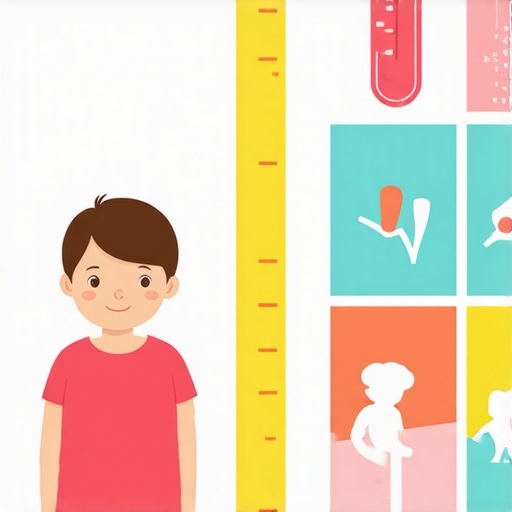
It was a moment that made my stomach tighten—a nurse pointing at my child’s growth chart and offering a tentative smile. Despite the numbers on the paper, I sensed something was missing. That little piece of paper, with its lines and curves, seemed to tell only part of the story, leaving me wondering if I was missing vital clues about my child’s overall health. If you’ve ever found yourself fixating on that familiar chart while feeling unsure if it’s truly telling you everything, you’re not alone. I’ve been there, too.
Growth Charts Are Useful, But Not the Whole Story
Growth charts have long been a staple in pediatric checkups, helping to monitor weight, height, and head circumference over time. They can reveal important trends and flag potential concerns early on. But relying solely on these numbers can be misleading. A perfect curve on a chart doesn’t necessarily mean your child is healthy, especially if there are underlying issues that numbers don’t capture.
Early in my parenting journey, I made the mistake of thinking a child’s steady growth meant everything was fine. I didn’t realize that other factors—like nutrition quality, emotional wellbeing, or subtle developmental changes—might be slipping under the radar. This realization was a game-changer. It made me realize that **comprehensive health isn’t just about what the growth chart says**. Did you know that even children within the normal growth percentiles can face nutrient deficiencies or hidden health risks? For example, vitamin deficiencies can affect mood, energy, and immune resilience without any apparent change in height or weight.
The key is to view the growth chart as a valuable tool, not as the entire health report card. To truly understand your child’s wellbeing, you need to combine this data with other insights—like lab tests, vaccination records, and regular health checkups. I found that checking in with professionals and staying informed through resources like [wellness checks](https://vitalclinicmd.com/why-wellness-checks-are-your-first-step-to-better-health-at-945-am) can provide a more rounded picture.
Are you wondering whether you’ve been placing too much emphasis on growth numbers alone? Maybe it’s time to consider a broader approach. In the next sections, we’ll explore practical ways to supplement growth charts with tests, screenings, and expert guidance, ensuring you’re giving your child the full picture of health they deserve. Because, in the end, proactive care is about more than just numbers—it’s about understanding the whole child.
Schedule Regular Wellness Checks with Telehealth Services
Begin by establishing a routine of comprehensive health assessments through telehealth platforms like telehealth for chronic wellness. These virtual visits allow you to discuss symptoms, developmental milestones, and concerns without the barriers of in-office visits. I recall using a telehealth session to evaluate my child’s persistent fatigue, which led to new insights beyond what the charts showed. Coordinate these check-ins every 3-6 months, especially if your child has underlying health risks.
Order Targeted Lab Tests to Uncover Hidden Risks
Complement routine visits with specific lab tests that reveal nutrient deficiencies or metabolic issues. Use online platforms to request tests like vitamin D, B12, or thyroid panels—tests often missed during general checkups. For example, I ordered a vitamin D test after noticing my child’s mood swings and learned he was deficient, despite normal growth patterns. Remember, regular lab testing can help detect issues early, providing a fuller picture of health.
Verify Immunization Status and Update Vaccinations as Needed
Keep your child’s vaccination records up to date by reviewing them regularly and scheduling necessary shots through virtual consultation or local clinics. Vaccination schedules are crucial for disease prevention and can be coordinated efficiently via online services. I once used telehealth to confirm my child’s vaccine status before a trip, avoiding last-minute visits. Check out vaccination myths and facts to stay informed about current recommendations.
Leverage Visual Aids to Understand Your Child’s Development
Utilize diagrams and infographics that compare growth milestones with behavioral and developmental indicators. Imagine a colorful chart illustrating age-specific skills—this can help you identify subtle signs that aren’t captured by numbers alone. When my child was falling behind on social skills, visual resources clarified what to watch for, prompting me to seek early intervention. Such tools are often shared during online pediatric consults or from reputable health websites.
Actively Track Symptoms and Concerns between Visits
Create a health journal for your child—document mood shifts, energy levels, sleeping patterns, and any physical complaints. Use digital apps or simple notebooks, reviewing patterns over time. When I noticed my child’s frequent headaches, tracking enabled me to pinpoint triggers and discuss them with healthcare providers, leading to targeted testing. This proactive approach ensures you’re not relying solely on sporadic checkups but continuously monitoring your child’s wellbeing.
Coordinate Multi-Disciplinary Care When Necessary
For complex issues, consider virtual consultations with specialists—like dietitians, neurologists, or developmental therapists. These sessions can provide specialized insights that span beyond general pediatric care. I personally arranged a virtual neuropsychological assessment after noticing academic difficulties, which supplemented pediatric evaluations and enriched the overall care plan. Combining insights from different experts creates a holistic view of your child’s needs.
By implementing these concrete steps—regular telehealth visits, targeted lab tests, updated vaccinations, visual development tools, symptom tracking, and multidisciplinary coordination—you craft a comprehensive strategy. Every action enhances your understanding, empowering you to advocate more effectively and respond proactively, ensuring your child’s health truly goes beyond what the growth chart indicates.
Many people assume that telehealth, lab tests, and vaccinations are straightforward tools for health management, but this oversimplification often leads to missed opportunities and unintended pitfalls. One common myth is that digital consultations automatically substitute for thorough in-person evaluations. In reality, virtual visits can sometimes obscure subtle physical signs and nuanced conditions, especially if patients are unaware of how to communicate symptoms effectively. As I’ve learned, relying solely on telehealth without understanding its limitations can mean missing critical diagnostic cues—so it’s crucial to combine virtual care with self-education and judicious testing. For instance, studies show that some conditions, such as early thyroid dysfunction, require detailed lab panels and physical palpation for accurate diagnosis, underscoring that virtual assessments should complement, not replace, in-person exams (see more here).
Is Your Focus on Tests or Results, Not Understanding?
A frequent mistake people make is misinterpreting lab results or vaccination recommendations based on incomplete or misunderstood information. For example, many believe that a normal vitamin D level means they are fully protected, but without understanding the specific thresholds and the context of testing, they may overlook factors like seasonal variations or individual absorption issues. A deeper grasp of lab markers means recognizing what levels truly signify and what actions to take—so don’t stop at “normal” or “abnormal.” Instead, pursue personalized insights by consulting with professionals who can interpret your results within your comprehensive health profile (learn more about this here). Similarly, vaccination myths often lead to unnecessary delays or over-vaccination—what actually matters is understanding the timing, dosage, and necessity for each individual based on their health status and lifestyle. Achieving optimal wellness involves cultivating an informed perspective rather than blindly trusting generalized advice.
Beware the Overconfidence in Convenience
While telehealth and at-home testing bring unprecedented convenience, they can foster an illusion that complex health issues are simple to handle remotely. The danger lies in underestimating the importance of comprehensive diagnostics and longitudinal monitoring. For example, delaying in-person visits for ongoing symptoms or dismissing the need for thorough testing can allow hidden risks—like metabolic disorders or early signs of chronic inflammation—to slip past unnoticed. The solution is to use these tools as part of a broader strategic approach: engaging with healthcare providers, staying proactive about routine tests, and understanding that some nuances require face-to-face evaluation. As I have experienced firsthand, combining virtual tools with regular, detailed checkups ensures that no subtle warning signs are missed.
Have you ever fallen into this trap? Let me know in the comments how you navigate the balance between convenience and thoroughness in your health journey.
Keeping It Working: Essential Tools for Long-Term Health
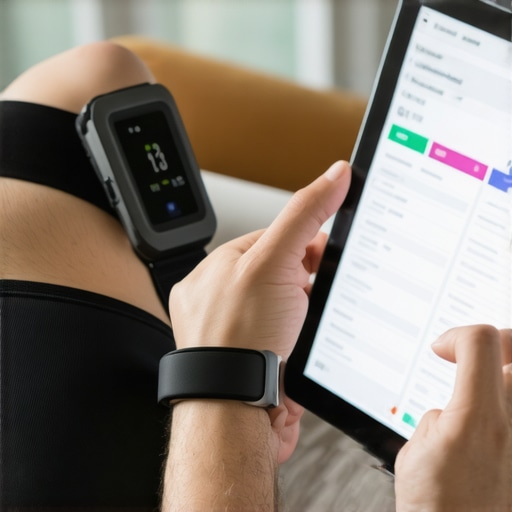
Maintaining optimal health over time demands more than just periodic checkups; it requires a strategic approach using reliable tools and methods. One device I’ve personally found invaluable is the Oura Ring. This wearable tracks sleep quality, heart rate variability, and activity levels with impressive accuracy, giving me continuous insights into my body’s recovery and stress levels. Such data helps me adjust my routines proactively, reducing burnout and improving overall wellness.
For blood pressure monitoring, I prefer the Omron Advanced Accuracy Monitor. Its cuff consistency and Bluetooth connectivity allow me to track trends over weeks, providing actionable insights without needing frequent clinic visits. Regularly analyzing these readings enables me to fine-tune lifestyle factors like exercise intensity and salt intake, which is crucial for long-term cardiovascular health.
When it comes to lab testing, I lean on regular, at-home lab panels. Utilizing services that send testing kits directly to my home makes it easier to stay on top of nutrient levels like vitamin D, B12, and metabolic markers. Tracking these parameters helps me identify deficiencies early, allowing for targeted interventions rather than waiting for symptoms to develop.
Digital health platforms are equally vital. Telehealth services enable me to consult specialists and adjust medication dosages when needed, without the hassle of in-person visits. This ongoing access keeps my wellness plan responsive and tailored to my evolving needs.
Predicting where this is heading, I believe integration of AI-driven health analytics will revolutionize personalized care. Devices will become smarter, offering real-time recommendations and alerts directly to our smartphones, making wellness maintenance more intuitive and less reactive.
So, how do I keep my health tools effective over time? The key lies in routine calibration and learning to interpret the data. For example, I review sleep and heart rate trends weekly, adjusting my bedtime and activity levels accordingly. This proactive stance ensures that the tools serve as a meaningful extension of my healthcare plan, rather than mere gadgets.
To get started, I highly recommend trying the Oura Ring alongside a trusted blood pressure monitor and incorporating periodic lab tests. Pairing these tools with telehealth consultations creates a comprehensive, responsive wellness environment that adapts to life’s changes. Remember, the ultimate goal is to stay ahead of potential issues and foster a mindset of continuous improvement.
How do I maintain my health tools over time?
The secret is regular review and calibration. Just as a reliable car needs tune-ups, your health tracking devices require periodic updates and data analysis to stay accurate and useful. This dedicated approach helps you catch early warning signs before they escalate, simplifying long-term health management. For deep dives into how regular testing can reveal hidden risks, see this article.
Lessons That Changed My Perspective on Keeping Kids Healthy
One of the most eye-opening lessons I learned is that growth charts, while useful, can become a false sense of security. Relying solely on numbers might mask hidden nutrient deficiencies or developmental delays. Early on, I believed steady growth equaled wellness—but the truth is, subtle signs like mood swings or fatigue are equally vital indicators. Discovering the importance of a holistic approach transformed how I advocate for my child’s health, emphasizing the need for comprehensive checkups and personalized insights.
Another unexpected realization was that virtual care isn’t a substitute for in-person evaluations in every situation. telehealth has made consultations more accessible, but physical examinations often reveal clues that digital communication can’t capture. I learned to use telehealth as a complement—arranging in-person tests when subtle symptoms arose—to ensure nothing slipped past unnoticed. This balance between convenience and thoroughness is crucial for truly understanding your child’s health.
A third lightbulb moment was understanding the limitations of interpreting lab results without context. A ‘normal’ vitamin D level isn’t a magic bullet; individual factors like seasonal changes and absorption matter. Educating myself on how to interpret these markers within the bigger picture of wellbeing helped me avoid unnecessary worry or false reassurance. Knowledge is power—it allows me to be an active participant in my child’s health journey, making informed decisions alongside professionals.
The Tools That Keep My Child’s Wellness on Track
My essential toolkit includes the telehealth platform which keeps communication seamless, especially for follow-ups or urgent questions. I trust regular lab testing services for early detection of issues like vitamin deficiencies—catching problems before they manifest clinically. For immunizations, I rely on online record reviews and updates through trusted providers, ensuring my child’s vaccines are current, reducing preventable risks. Lastly, I utilize visual aids and symptom logs to track any changes in behavior or health, empowering me to act promptly and accurately when needed.
Your Next Step to Nurturing Whole Child Health
Remember, your journey to understanding and supporting your child’s wellbeing doesn’t end here. Embrace the integration of digital tools, professional guidance, and personal observations. Small steps—like scheduling regular wellness checks or staying informed about recent vaccination updates—can make a meaningful difference. Every proactive move you make now builds a stronger foundation for your child’s future health. You’re not alone in this—your attentiveness and willingness to learn are powerful catalysts for their lifelong wellness. What’s one new health habit you’re excited to try with your child? Share your thoughts below and let’s grow together in this journey.