
The best tactics for managing social anxiety through digital therapy
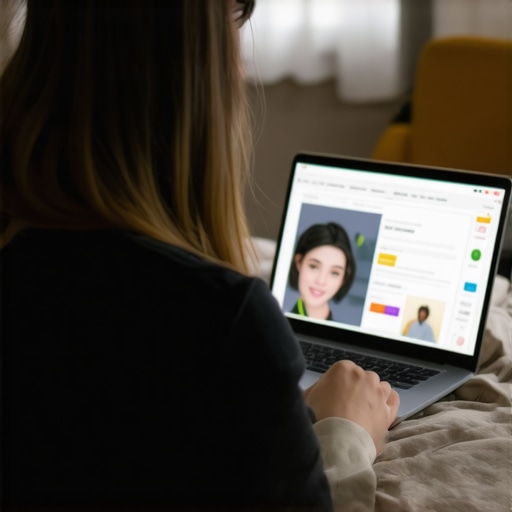
I remember the exact moment I realized my social anxiety was controlling my life — sitting alone at a crowded café, feeling paralyzed by the fear of saying the wrong thing, as everyone around me seemed effortlessly confident. It was a lightbulb moment that made me look for solutions beyond traditional face-to-face therapy, which often felt intimidating and inaccessible. That’s when I discovered the power of digital therapy and the specific tactics that could truly make a difference.
Why Digital Therapy Became My Game-Changer
Social anxiety can feel like an invisible barrier, sneaking into your daily interactions and squeezing out your confidence. For many, the thought of in-person sessions might seem daunting, or logistics can make regular visits nearly impossible. I found myself stuck in a cycle of avoidance, questioning if there was a real way to manage this challenge without adding more stress.
What really shifted my perspective was realizing that digital therapy offers just that — a practical, stigma-free way to get support on your own terms. Through virtual platforms, I could access qualified therapists, tailor my treatments, and practice social skills in a safe space. In fact, research indicates that telehealth services have shown to be as effective as traditional therapy for social anxiety, with added convenience (see this study for more insights).
But the key isn’t just access — it’s applying specific strategies that empower you to face social situations confidently. And that’s exactly what I’ll walk you through in this post.
Have you ever felt trapped by social anxiety, wishing there was an easier way to overcome it? Keep reading, because I’m about to share the tactics I wish I knew earlier, backed by personal experience and expert advice.
Now, let’s look at some common misconceptions and mistakes I made early on that kept me stuck and how you can avoid them.
Start with a Clear Assessment of Your Social Anxiety
Before diving into strategies, identify specific situations that trigger your anxiety. Keep a journal of moments where you felt paralyzed or overwhelmed. This concrete awareness will guide your personalized plan and make interventions more effective. For example, recall a recent encounter at a social event and note what thoughts and feelings arose.
Utilize Telehealth for Consistent Support
Schedule regular virtual therapy sessions with qualified professionals who understand social anxiety. It’s like having a personal trainer but for your confidence. During sessions, practice exposure techniques gradually and receive immediate feedback. As I experienced, booking a weekly telehealth appointment reduced logistical barriers and provided consistent guidance. Explore the benefits of telehealth to learn more about accessible mental health support.
Practice Exposure in Small, Manageable Steps
Break down challenging social situations into micro-actions. For instance, start by making brief eye contact with a cashier, then progress to greeting a neighbor, and eventually engaging in small talk at a networking event. One memorable attempt involved introducing myself to a colleague after virtual meetings, which initially felt awkward but gradually boosted my confidence. Think of exposure like exercising a muscle—consistent, incremental effort yields strength over time.
Leverage Visualization and Mindfulness Techniques
Use mental imagery to simulate successful social interactions. Dedicate five minutes daily to visualize confidently approaching someone or speaking up in a meeting. Combine this with mindfulness to stay present and calm. I found that meditating with guided videos helped me stay centered before social situations. These practices prepare your brain to respond more adaptively, reducing fear responses.
Monitor Your Progress with At-Home Lab Tests
Track underlying factors that influence anxiety, such as hormonal balance and nutritional status, through lab tests. Regular testing offers insights akin to a mechanic diagnosing engine issues before repairs. For instance, testing vitamin D or magnesium levels can uncover deficiencies that may exacerbate anxiety symptoms. Discover more about the critical role of lab work in wellness at this resource.
Refine Your Approach Based on Data
Review your journal, lab results, and therapy feedback to adjust your strategies. If certain social settings seem particularly triggering, prepare in advance with specific coping scripts or relaxation techniques. Think of this process as tuning a musical instrument—small adjustments lead to harmony over time. Keep a reflective log to identify patterns and successes, reinforcing your progress.
Integrate Practical Lifestyle Changes
Improve your overall resilience by adopting habits that enhance mental health, such as regular exercise, balanced diet, and adequate sleep. For example, I found that morning walks helped reduce anxiety levels and set a positive tone for the day. Combining lifestyle modifications with digital therapy and self-practice creates a synergy that accelerates confidence building.
Many people assume that vaccines, wellness routines, telehealth, and lab testing are straightforward solutions for health, but in reality, there’s more nuance than meets the eye. One common myth is that all vaccines are one-size-fits-all. In truth, personalized vaccination schedules, tailored to your unique health profile, can significantly improve disease prevention outcomes. Learn how customizing your immunizations can optimize your protection by visiting personalized vaccination planning.
Another misconception is that wellness is solely about adding supplements or rigorous routines. However, many overlook the importance of native biological factors, such as hormone levels or micronutrient deficiencies, detectable through targeted lab tests. Regularly reviewing these can uncover hidden issues; explore the role of lab tests in wellness for insights.
When it comes to telehealth, the assumption is that virtual visits are less effective than in-person care. Contrarily, telehealth platforms facilitate access to specialist advice, clinical testing, and even remote monitoring, making healthcare more holistic and adaptable. Discover how virtual care is revolutionizing wellness here.
A common mistake in lab testing is solely relying on standard panels, which may miss subtle, yet critical, indicators of health risks. Advanced testing can detect early markers of disease, such as inflammation or metabolic imbalances, long before symptoms appear. For example, regular lab assessments can reveal underlying vulnerabilities that, if unaddressed, lead to more serious issues.
Are there specific nuances you’d like to understand better? Remember, embracing these complexities allows for smarter, more personalized health strategies. Have you ever fallen into this trap? Let me know in the comments.Achieving lasting health improvements isn’t a one-and-done effort; it requires consistent maintenance, the right tools, and strategic planning. I rely heavily on specific software and equipment that keep my wellness journey on track. For instance, I use a digital health log app called MyHealthDiaries to track symptoms, lab results, and vaccination schedules. This not only helps me notice patterns over months but also prepares me for future consultations, ensuring I stay proactive in my health management.
In addition, I utilize home lab testing kits for markers like vitamin D and magnesium levels, which I find invaluable. They offer quick insights without the hassle of clinic visits and empower me to make data-driven decisions. Regular testing, combined with telehealth consultations, allows me to adjust my lifestyle and supplementation effectively. For example, after identifying a deficiency in vitamin D through a lab, I scheduled an expert consultation that led me to optimize my dosage, enhancing my immune resilience. Exploring the role of lab tests further illustrates how ongoing measurement supports health longevity.
What’s the best way to keep your wellness plan sustainable over time?
My answer: combine reliable tools like digital trackers, at-home testing, and virtual support. As technology advances, I predict that wearable devices capable of real-time blood biomarker analysis will become mainstream, offering unprecedented insight and immediacy in health monitoring.
To truly keep your wellness efforts effective, make a habit of reviewing your data monthly. Set alerts for any significant changes and schedule periodic virtual check-ins with healthcare professionals. This disciplined approach ensures that your journey toward better health remains aligned with your evolving needs and prevents complacency from creeping in.
Lessons Nobody Tells You About Personalized Wellness Strategies
One of my biggest realizations was how crucial it is to tailor health protocols specifically to your body and lifestyle. Generic advice often misses subtle but vital nuances—like how my vitamin D deficiency silently impacted my immune resilience. This made me understand that investments in personalized lab testing and feedback loops with professionals can truly change the game. Additionally, I learned that patience and consistency outweigh quick fixes; wellness isn’t instant but built through mindful, incremental steps.
Another lesson was the underestimated power of technology—not just for convenience, but as a diagnostic and tracking tool. Regular use of telehealth platforms and at-home lab kits has given me insights into my health that previously went unnoticed. This data-driven approach helped me make proactive decisions, like adjusting supplements or scheduling specific vaccinations for optimal protection. Remember, the hidden power lies in leveraging these tools regularly rather than sporadically.
Lastly, I discovered how essential it is to challenge misconceptions about wellness routines. For instance, believing that more supplements automatically mean better health often led me astray. Instead, understanding which lab markers to monitor and when to seek expert advice made my wellness path more efficient and effective. Embracing continuous learning about the nuances of vaccinations, lab tests, and telehealth options has been instrumental—and it’s a mindset I encourage everyone to adopt.
Tools and Resources That Elevated My Wellness Journey
For a holistic approach, I rely on trusted platforms like telehealth services that connect me with specialists on my schedule. They’re invaluable for ongoing support and expert guidance. Additionally, home lab testing kits, such as those available through reputable providers, offer quick insights into critical markers like vitamin D and magnesium—saving time and giving me control over my health data. I also trust specific books like “Maximize Your Health Combining Vaccinations and Lab Testing Strategies,” which demystify the complex relationships between immune health and preventative care. Lastly, I regularly review the insights from these lab insights to stay ahead of potential issues and refine my wellness plan.
Keep Moving Forward: Your Wellness Is a Journey
Remember, embracing personalized wellness strategies and utilizing innovative tools empowers you to take control of your health. Every step—no matter how small—brings you closer to a resilient, vibrant life. The path isn’t about perfection but persistence, learning, and adapting as you go. With the right mindset and resources, you can transform your health from reactive to proactive, making meaningful, lasting changes. Your future self will thank you for the commitment now—so start today, and don’t wait for symptoms to appear to take action. How are you planning to personalize your wellness journey moving forward? Share your thoughts below and let’s learn together.