
The secret to managing high blood pressure with a remote health coach
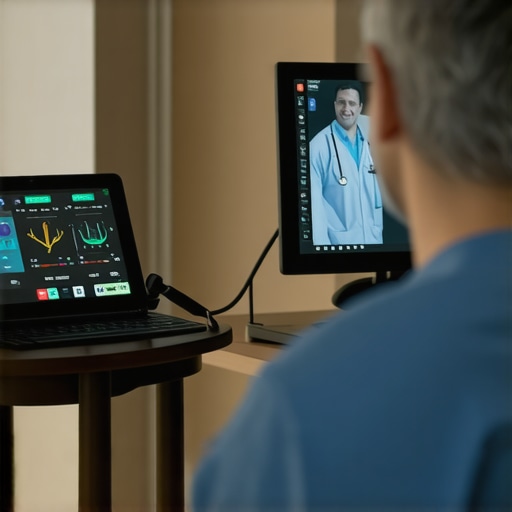
I remember the moment vividly—standing in my kitchen, feeling the familiar pounding in my chest, realizing I hadn’t checked my blood pressure in weeks. It dawned on me that despite trying to eat healthier and exercising, I still felt overwhelmed by the constant worry about my numbers. That lightbulb moment made me realize I was missing a crucial piece of the puzzle: how to effectively manage my blood pressure remotely, without endless visits to the doctor.
Why Managing Blood Pressure from Home Matters More Than Ever
High blood pressure, or hypertension, affects over 100 million Americans, and many don’t even realize it until it’s dangerously high. The good news? Now, with advancements in telehealth and remote health coaching, it’s easier than ever to keep tabs on your health from the comfort of your home. But why is this approach so vital? Because timely adjustments and personalized guidance can prevent serious health issues like heart disease and stroke. Plus, managing your blood pressure remotely empowers you to take control of your health, without the frequent hospital trips or long waits.
Have you ever felt like you’re flying blind when it comes to your blood pressure? Trust me, I’ve been there. Early on, I made the mistake of relying solely on occasional in-clinic visits, which left me clueless about how my lifestyle affected my numbers daily. According to recent studies, regular monitoring combined with professional remote coaching can significantly reduce the risks associated with uncontrolled hypertension. This personalized support helps catch worries before they become emergencies.
Is Remote Blood Pressure Management Actually Worth the Hype?
At first, I was skeptical. How could a virtual coach make a difference? But after experiencing real-time guidance and quick adjustments based on my daily readings, I realized this approach is a game-changer. Think of it like having a health advocate right in your living room, constantly keeping you accountable and informed.
If you’ve ever felt frustrated trying to juggle appointments or doubted whether your efforts are enough, you’re not alone. But the truth is, embracing remote management tools can be simple and effective—sometimes more so than traditional methods. Want to learn how you can start? I’ll walk you through the practical steps soon, but first, let’s understand what common pitfalls to avoid when trying to control your blood pressure from afar.
Set Up Consistent Monitoring with a Trusted Device
Start by choosing a validated automatic blood pressure cuff that fits comfortably and is easy to use daily. I recall buying my first cuff online—struggling with its instructions—then realizing that practicing proper cuff placement and posture made readings more accurate, much like correctly tuning an instrument. Regular, reliable readings lay the foundation for effective remote management.
Incorporate Daily Tracking into Your Routine
Create a specific time each day—preferably morning or evening—to record your blood pressure. Use a digital journal app or a dedicated logbook. I remember one hectic morning, rushing through my measurement, which resulted in an unusually high reading. That was a wake-up call: consistency and mindfulness matter. Properly tracking your numbers provides valuable data for your healthcare team and helps identify patterns.
Leverage Telehealth and Remote Coaching Effectively
Use telehealth platforms to share your readings with your provider promptly. Think of this like texting a mechanic when your car makes strange noises—quick, real-time feedback allows for immediate adjustments. Schedule regular virtual check-ins, especially if your readings trend upward, to discuss lifestyle tweaks or medication adjustments. I once had a virtual session where my provider recommended dietary tweaks that helped stabilize my pressure within days—without leaving my home.
Integrate Lifestyle Changes Strategically
Pair your monitoring with targeted lifestyle modifications, such as reducing sodium, increasing physical activity, or managing stress. For example, I once committed to a 10-minute walk after dinner, tracking my BP response. The initial mess-up with trying to remember my steps turned into a lesson: consistency beats intensity. Use your recorded data to see what changes have the biggest impact—like noticing drops after cutting back on processed foods.
Utilize Lab Testing for Deeper Insights
Complement home readings with periodic lab tests to understand underlying causes or risks. These tests act like a detective’s toolkit—uncover hidden issues before symptoms appear. Regular testing can reveal factors such as kidney function or electrolyte imbalances influencing blood pressure. Visiting your provider for lab work is straightforward with telehealth options—consider scheduling these tests without disrupting your schedule.
Learn More About Lab Tests
Discover how lab tests can expose hidden health risks [here](https://vitalclinicmd.com/how-lab-tests-can-detect-hidden-health-risks-early-in-your-wellness-pathway). Remember, integrating lab results with your BP data creates a comprehensive picture for your care team.
Stay Engaged with Your Health Journey
Monitoring your blood pressure remotely is a dynamic process—tracking data, adjusting habits, and staying connected with your providers. Keep a steady rhythm, and don’t hesitate to reach out for support or clarification when needed. For personalized guidance, consider consulting experts who specialize in remote health management [here](https://vitalclinicmd.com/contact-us-2). Your proactive approach will empower you to maintain healthy blood pressure levels over the long term.
While many people rely on popular narratives about health management, the reality is often more nuanced and complex. For instance, a common myth is that vaccinations are a one-size-fits-all solution. In truth, personalized vaccination schedules, tailored to individual health histories, often offer better protection and fewer side effects. This approach is supported by experts; for example, the concept of personalized vaccines is gaining traction in immunology, emphasizing the importance of customizing immunization plans [here](https://vitalclinicmd.com/personalized-vaccination-schedules-for-better-disease-prevention).
Many assume telehealth is only suitable for minor issues. But advanced telehealth platforms now enable remote monitoring of chronic conditions, allowing for data-driven adjustments to treatment plans. This shift from reactive to proactive care can dramatically improve outcomes. However, one trap to avoid is assuming virtual visits replace the need for regular in-person labs or screenings. In fact, integrating lab testing with telehealth ensures a comprehensive view of your health, as detailed in resources about preventive lab testing [here](https://vitalclinicmd.com/understanding-the-role-of-lab-tests-in-preventive-wellness).
Wellness trends often focus on quick fixes like detoxes or supplements. But true wellness hinges on understanding the subtle cues your body provides. For example, routine lab tests can reveal deficiencies or underlying issues long before symptoms appear, enabling early intervention. Yet, many overlook the importance of these tests, risking delays in diagnosis. As explained in-depth, regular lab testing is crucial for a complete wellness picture [here](https://vitalclinicmd.com/why-regular-lab-tests-are-critical-for-your-wellness-journey).
Advanced understanding of health emphasizes that not all blood tests are created equal. Some markers, like lipid panels, may miss early signs of cardiovascular risk. Emerging research indicates that specific markers, such as lipoprotein(a), provide deeper insights [see here](https://vitalclinicmd.com/maximize-your-health-combining-vaccinations-and-lab-testing-strategies). Therefore, a comprehensive assessment often requires looking beyond standard panels.
Have you ever fallen into this trap? Let me know in the comments. By peeling back these layers of misconception, you can make smarter decisions and truly empower your health journey.Maintaining effective health tracking over the long term requires precision, reliability, and ease of use. From my experience, choosing the right tools makes all the difference in staying consistent and achieving lasting results. One device I personally rely on is the Omron Platinum Blood Pressure Monitor. Its clinical accuracy and user-friendly display have helped me capture consistent readings without second-guessing their reliability. Plus, its Bluetooth capability syncs seamlessly with my smartphone, allowing me to log data effortlessly and share it with my healthcare provider for timely adjustments.
In addition to hardware, I’ve found that digital platforms tailored for remote health management are invaluable. I use the MyHealth app, which consolidates all my health data—blood pressure, lab results, medication schedules—in one accessible dashboard. This centralized approach prevents the common mistake of managing scattered information across multiple apps or spreadsheets. The app also provides personalized insights based on my logged data, helping me understand patterns and adjust routines accordingly.
For tracking lab tests and preventive screenings, I recommend scheduling regular check-ins through telehealth services. Platforms like VitalClinic’s telehealth solutions make it simple to discuss lab results, adjust treatment plans, and address concerns without the hassle of in-clinic visits. I schedule quarterly virtual consultations, which keep me accountable while saving time and reducing stress. This proactive approach to health monitoring is where I see the field heading—integrated, data-driven, and person-centered care.
Predicting the future of these tools, I believe AI-powered analytics will soon personalize health recommendations even further. Wearables will become more advanced—detecting early warning signs of issues like inflammation or metabolic imbalance—long before symptoms develop. Staying ahead means embracing these emerging technologies now, rather than waiting for their widespread adoption.
How do I maintain my health tools over time? Regular calibration and software updates are essential. For example, I ensure my blood pressure cuff’s firmware is current and I periodically verify its accuracy against a clinical monitor during routine checkups. Also, I review the app’s data security settings—like those outlined in VitalClinic’s privacy policy—to keep my information secure. This proactive maintenance prevents data discrepancies and keeps my health management system airtight.
Incorporating these tools into daily routines has transformed how I approach wellness. I encourage you to start with a reliable device like the Omron cuff, pair it with a comprehensive app, and utilize telehealth for ongoing guidance. For a deep dive into lab testing strategies that complement remote monitoring, check out this resource. It might just be the upgrade your health management system needs to stay effective over the years.
The Hardest Lesson I Learned About Telehealth and Wellness
Initially, I believed that simply having the right device or app was enough to manage my health remotely. But I soon discovered that consistency and patience are essential—tracking my blood pressure daily, even when I didn’t see immediate results, built lasting habits. A crucial lightbulb moment was realizing that genuine progress comes from integrating remote tools into my lifestyle, not just using them sporadically.
Why I Stopped Relying on Quick Fixes and Started Focusing on Deep Insights
I used to chase after the latest supplements or shortcuts, thinking they’d transform my health overnight. But I found that true wellness stems from understanding my body’s unique signals and combining this knowledge with lab tests that reveal hidden issues—like magnesium deficiencies or early signs of metabolic imbalance. Trusted resources like comprehensive lab testing insights changed my perspective, showing me that data-driven decisions are the real game-changers.
How Personalizing Vaccination and Screening Strategies Transformed My Approach
I realized that the one-size-fits-all approach doesn’t work in vaccinations or preventive care. Tailoring immunization schedules and screening tests based on my individual health history, with guidance from experts, has made a significant difference in preempting illnesses. I highly recommend exploring personalized vaccination planning—it’s empowering and often more effective than generic protocols.
Curated Recommendations for Smarter Health Decisions
My personal toolkit includes trusted devices like the Omron Platinum Blood Pressure Monitor, which offers clinical accuracy and easy data syncing. For comprehensive health tracking, I rely on the telehealth platforms that integrate lab results, medication, and lifestyle data. Books such as The Patient Will See You Now by Eric Topol have expanded my understanding of digital health innovation. These resources have become my go-to reference points for making informed decisions.
Embrace Your Power to Shape Your Health Future
Taking charge of your wellness journey with remote tools and personalized insights isn’t just a trend—it’s your pathway to sustained health. The technology, knowledge, and proactive mindset you develop today will serve as your foundation for years to come. I encourage you to start small, stay consistent, and stay curious about the new innovations that will continue to make health management easier and more effective. Your health is in your hands—trust yourself to use these tools wisely.