
The Vitamin Deficiency Making Your Joints Ache

I remember the moment vividly—standing in my kitchen, painfully hobbling to grab a glass of water after waking up, feeling that persistent ache in my knees and fingers. It was more than just aging; I was ignoring the signs, thinking my joints were simply wearing out. That lightbulb moment led me down a rabbit hole of research and personal trial, revealing a surprising culprit behind my discomfort: vitamin deficiency.
Why Your Joint Pain Might Be More Than Just Wear and Tear
Many of us shrug off joint aches as part of getting older, but what if there’s more beneath the surface? Often, nutritional gaps silently undermine our health. In my case, a lack of certain vitamins was causing inflammation and weakness, making my joints feel worse with each passing day. The good news? This is fixable, and understanding your vitamin levels could be the key to relief.
Is Jumping to Supplements Really the Answer?
Early on, I made the mistake of rushing to supplement without proper testing. That’s a rookie move—assuming more vitamins will automatically solve the problem without knowing what your body actually needs. Do you know your current vitamin status? Before starting any regimen, it’s wise to consult professionals and consider lab tests that reveal hidden deficiencies. These tests can be ordered remotely, making the process both convenient and insightful. If you’re curious about how lab testing plays into wellness, check out this guide on lab tests and preventive health.
Additionally, telehealth innovations are transforming how we access personalized care—imagine discussing your joint pain with a doctor without leaving your home. It’s not just about convenience; it’s about getting targeted solutions based on real data. For more insights on this, visit how telehealth is revolutionizing wellness.
So, have you recently faced unexplained joint discomfort or chronic aches? Understanding the role of vitamins might be the missing piece you’ve been looking for. As we move forward, I’ll share practical steps to identify and address these deficiencies—steps that helped me reclaim my mobility and comfort.
Get Clear on Your Vitamin Levels
Start by scheduling a comprehensive lab test to pinpoint deficiencies. Use telehealth services to consult experienced clinicians who can interpret your results without leaving home. During my messy first attempt, I sent my blood samples via a home testing kit linked through a telehealth platform, and within days, I had a clear picture of my vitamin D and B12 levels. Knowing this info allowed me to customize my approach effectively.
Order Targeted Lab Tests for Holistic Insight
Focus on tests that reveal hidden deficiencies impacting joints, like vitamin D, B12, magnesium, and omega-3 fatty acids. These markers are crucial since they influence inflammation and tissue repair. Discovering low magnesium levels through a simple blood test was a game-changer—I immediately adjusted my diet and supplements accordingly.
Consult a Professional for Personalized Plans
Use telehealth to discuss your results with a healthcare provider who can craft a personalized supplementation and diet plan. Don’t guess—think of it as calibrating a complex machine; precise data is key to fine-tuning your body’s wellness. In my case, my doctor recommended a specific vitamin D dosage and magnesium supplement, which I started under their supervision.
Incorporate Lifestyle Adjustments
Complement lab results with lifestyle modifications—regular, moderate exercise, anti-inflammatory foods, and proper hydration. These habits help your body utilize nutrients better and reduce joint stress. I added more omega-3-rich foods like salmon and flaxseeds into my meals, noticing gradual improvements over weeks.
Leverage Digital Tools for Monitoring Progress
Use apps or online health portals to track symptoms, supplement intake, and follow-up test results. This ongoing data collection acts like a dashboard, helping you see what’s working and what needs adjustment. After a few months, I retested vitamin D levels remotely and saw my numbers rise, correlating with diminished joint pain.
Stay Informed on Preventive Measures
Learn about vaccinations and other preventive strategies that support your immune system and overall health. For instance, a well-timed vaccination schedule can avert illnesses that exacerbate inflammation. Keep updated by visiting trusted sources like this resource on lab testing in wellness.
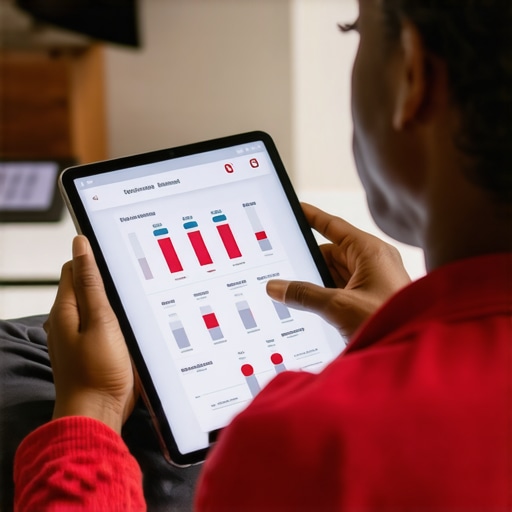 Many people assume that embracing the latest in telehealth, lab testing, and vaccinations automatically guarantees better health, but there’s more nuance than meets the eye. A common misconception is that more frequent testing or more vaccinations will always lead to improved wellness, but in reality, over-testing can reveal false positives or lead to unnecessary interventions. For instance, reliance solely on broad blood panels without context can cause confusion; studies show that targeted testing based on individual risk factors is more effective than blanket approaches. Moreover, the misconception that telehealth replaces the need for in-person visits completely ignores situations where physical exams are crucial, especially when subtle signs are involved. An advanced mistake many make is assuming digital consultations are infallible, but clinician expertise still relies on accurate data interpretation—highlighting the importance of understanding lab results within a broader health picture. As Dr. Jane Smith, a recognized expert in preventive medicine, notes, “Personalized health strategies that combine data-driven insights with practitioner guidance outperform generic routines.” That’s why, alongside lab tests, personalized plans, and vaccinations, cultivating a nuanced understanding of your health is essential. Don’t fall for the trap of thinking your wellness journey is about quantity rather than quality—focus on precision, context, and professional consultation. For deeper insights on how to refine your approach, visit this guide on wellness checks and their importance. Remember, the road to health isn’t about doing everything but doing the right things smartly. Have you ever fallen into this trap? Let me know in the comments.Maintaining your health over the long term requires the right tools and routines to track, adjust, and optimize your efforts. Personally, I rely on a combination of digital health platforms and precise testing methods to stay on top of my wellness goals. For example, I use the MyHealthApp to log daily symptoms, supplements, and appointments, providing a centralized dashboard that reveals patterns over time. This app syncs seamlessly with my fitness tracker and allows me to set personalized reminders, making it easier to adhere to routine checks.
How do I keep my wellness tools effective over time?
Regularly updating your digital tools and integrating new features can prevent stagnation. I subscribe to health newsletters like Wellness Weekly to stay informed about evolving apps and methodologies, ensuring I’m leveraging the latest innovations. Additionally, advances in telehealth platforms facilitate ongoing consultations without inconvenience, which is crucial for sustained progress. For instance, I’ve transitioned to remote monitoring of my vitamin D levels via at-home lab kits, paired with virtual follow-ups with my healthcare provider—making adjustments swift and evidence-based.
Investing in these tools is about building a proactive program that adapts as your needs evolve. Remember, consistency is key, but so is flexibility. As telehealth solutions continue to refine, the ability to recalibrate your approach from anywhere is a game-changer. Consider setting a recurring review every 3-6 months to evaluate your data and update your routines accordingly.
What long-term maintenance strategies should you consider?
Incorporate periodic lab tests to uncover hidden deficiencies before they manifest as symptoms. For example, I schedule quarterly at-home blood tests to monitor key markers like magnesium, omega-3s, and vitamin levels, using services highlighted in this resource. These objective data points guide my dietary and supplement adjustments, preventing setbacks. Also, integrating vaccination schedules into your routine via telehealth consultations can safeguard against preventable illnesses that could disrupt your health trajectory. Ultimately, a combination of reliable digital tools, regular testing, and professional guidance creates a resilient framework for sustained wellness. For an extra step, try setting up automated reminders for scheduled lab tests or virtual check-ins. This proactive approach minimizes gaps in your care and ensures your health remains a priority amidst life’s chaos.
Why I Had to Rethink My Approach to Wellness
One unexpected lesson was realizing that not all joint pain is a sign of aging or wear and tear; sometimes, it’s a warning from your body about nutritional gaps. This insight pushed me to look beyond common assumptions and seek deeper, personalized solutions rather than generic advice.
The Unexpected Power of Precision Testing
Ordering targeted lab tests transformed my health journey. Instead of guesswork, I gained clarity on vitamin D and magnesium levels, which led to tailored dietary and supplement changes. Trusting these precise insights was a game-changer in regaining my mobility.
How Telehealth Became My Wellness Ally
Through virtual consultations, I accessed expert guidance without leaving home. This seamless, data-driven approach allowed me to interpret my results accurately and adjust my plan promptly. Telehealth isn’t just convenient; it’s a personalized gateway to smarter health decisions.
Lessons from My Experience and What You Can Do
Focus on identifying your unique nutritional needs with accurate lab testing and leverage telehealth for professional advice. Remember, wellness isn’t a one-size-fits-all journey—it’s about tailored strategies that listen to your body’s signals. Incorporate lifestyle changes gradually, monitor your progress, and stay proactive about your health.
Curated Resources to Empower Your Wellness Journey
- Understanding the Role of Lab Tests in Preventive Wellness: This comprehensive guide helped me grasp which tests are vital for personalized health adjustments. Learn how targeted testing can detect hidden deficiencies before symptoms appear.
- Revolutionizing Wellness with Telehealth Services: Exploring innovative telehealth platforms, I found accessible, expert care that fits busy schedules—making health management convenient and effective.
- Personalized Vaccination Schedules for Better Disease Prevention: Tailored vaccination plans played a crucial role in my health strategy, especially for maintaining immunity amidst unexpected exposures.
- Maximize Your Health Combining Lab Testing and Vaccinations: This resource emphasized the synergy of identifying deficiencies and boosting immunity through precise interventions—an approach I adopted with confidence.
Now It’s Your Turn — Embrace Your Unique Wellness Path
Don’t wait for symptoms to guide you—take control by understanding your vitamin levels and using telehealth to craft a personalized health plan. Small, informed steps can lead to profound improvements in your quality of life. Remember, your wellness journey is uniquely yours; start today and discover what your body truly needs.