
The Best Way to Prep for a Fasting Glucose Test

I remember the moment clearly—standing in my kitchen, feeling that familiar sting of frustration. I had just received a note from my doctor about my upcoming fasting glucose test, and honestly, I felt a surge of panic. Had I been eating right? Did I really need to fast for so long? It was a classic case of overcomplicating something that could be surprisingly straightforward. That lightbulb moment led me to realize I had been approaching my prep all wrong—overthinking it, stressing unnecessarily, and risking skewed results. But here’s the thing: understanding how to prepare properly can make a significant difference in the accuracy of your test and, ultimately, in managing your health better.
Why Proper Preparation for Your Fasting Glucose Test Matters
Getting accurate blood sugar readings isn’t just about the test itself; it’s about knowing where you stand in your health journey. An incorrect fasting glucose level can either cause unwarranted worry or, worse, a false sense of security. Many people, myself included early on, fall into the trap of assuming that the fasting simply means not eating after an arbitrary hour—say, midnight—when in reality, it’s about a specific window that maximizes test accuracy. Proper prep ensures your results genuinely reflect your body’s current state, helping you and your healthcare provider make informed decisions. Interestingly, the American Diabetes Association emphasizes the importance of fasting for at least 8 hours prior to the test, but skipping the prep nuances can still lead to inaccurate measurements. I often saw people like me doing all the wrong things—eating carbs late, drinking coffee, or even unintentionally snacking right before the fast—that can alter results significantly. I learned from my mistake early on; I didn’t realize how specific and deliberate my pre-test routine needed to be to get truly reliable data. For those of you facing the same worries—”Did I eat too much last night?” or “Is my morning coffee a problem?”—know you’re not alone. The good news? With some straightforward steps, you can optimize your preparation and get the most accurate picture of your health. And if you’re curious how telehealth services can support these routine tests or discuss your results, check out this insight on the benefits of telehealth in wellness management.
Is Fasting the Only Key? Or Are We Missing Something?
When I first started, I thought fasting was as simple as not eating after dinner. Turns out, there are common pitfalls—like unintentionally consuming foods or drinks that spike your blood sugar or not clarifying the exact fasting window with your healthcare provider. I also made the mistake of rushing into tests without understanding these details, which sometimes gave me results that didn’t truly reflect my health. Research from expert lab testing confirms that proper prep is vital for accurate insights. So, before you set the alarm and skip breakfast tomorrow, pause for a moment. You’ll want to follow some simple, scientifically-backed steps to ensure your fasting glucose is a true reflection of your body’s condition. Ready to learn exactly how to prepare? Well, that’s what we’ll tackle next.
Get Clear on Your Fasting Window
Set a specific fasting period, typically 8 to 12 hours, and stick to it strictly. For example, I once decided to skip dinner and not eat anything after 7 pm to ensure my morning blood test was accurate. This consistency is vital because variations can distort results, similar to how a GPS relies on precise coordinates to navigate correctly.
Avoid Hidden Sugar Traps
Refrain from consuming anything that can spike blood sugar, including sugary drinks, flavored teas, or even certain medications that contain glucose. Once, I forgot that a vitamin supplement I took contained sugar, which led to a slightly elevated reading. Always check labels carefully—think of it as inspecting the ingredients on a recipe before cooking.
Limit the Use of Caffeine and Alcohol
Both can influence blood sugar levels. I learned this the hard way when I had my usual morning coffee before a test, and my results showed higher than expected glucose levels. Opt for water or herbal teas instead, mirroring how a car runs best with clean, uncontaminated fuel.
Communicate with Your Healthcare Provider
Clarify the exact fasting duration and any restrictions. I once misunderstood and ate something shortly before my test, which made me question the accuracy of my results. Think of this step as checking the weather forecast before heading out—getting the details right avoids unexpected surprises. For further insights on preparing for tests, you might explore the benefits of telehealth in wellness management.
Maintain Hydration
Drink plenty of water during the fasting period. Dehydration can concentrate blood constituents, leading to skewed results. I once neglected this tip and thought my higher sugar readings were a sign of fasting failure, but it was simply dehydration. Hydration is your invisible ally, akin to keeping your windshield clean for the clearest view.
Prepare Mentally and Physically
Get a restful night’s sleep before your test day; fatigue can impact blood sugar. I remember staying up late the night before, which elevated my glucose readings unexpectedly. Think of it as charging a phone—you’ll get better results if it’s well-rested and ready to perform. For additional tips on routine wellness tests, visit understanding the role of lab tests in preventive wellness.
Plan for Post-Test Actions
Have your healthcare provider’s contact information handy to discuss results promptly, especially if readings are elevated. I’ve found that quick communication, facilitated by telehealth options, can clarify whether further tests are needed, just like consulting a mechanic immediately can prevent a small issue from becoming a breakdown. Learn more about how telehealth enhances routine health management.
By following these concrete steps, you ensure your fasting glucose test reflects your true health status. Remember, meticulous preparation isn’t just about adhering to rules; it’s about empowering yourself with accurate information, identical to using a precise map rather than wandering in the dark.
 Many believe they understand wellness, vaccinations, and lab tests, but in my experience, there are often overlooked complexities that can lead to significant missteps. A common myth is that simply following standard advice guarantees optimal health; however, individual nuances—like genetic predispositions or subtle lab markers—can dramatically alter what’s effective. For example, relying solely on routine lipid panels without considering advanced markers may give a false sense of security regarding cardiovascular health.
Another misconception is that telehealth is only suitable for minor issues. In reality, virtual care offers nuanced benefits for chronic disease management and preventive testing when used appropriately. Yet, many still hesitate to leverage telehealth for more detailed assessments, missing out on personalized insights that can uncover underlying health risks early.
Are standard lab tests enough to guide precise wellness strategies?
In truth, most conventional tests only scratch the surface. Studies, such as those summarized in this resource, reveal that hidden markers—like inflammatory cytokines or micronutrient levels—can be critical indicators of health that are often missed. Overlooking these nuances can cause individuals to chase symptoms rather than address root causes, leading to ineffective treatments or overlooked risks. For instance, taking supplements based on common deficiencies without comprehensive lab confirmation can sometimes create more imbalance.
Similarly, misconceptions around vaccinations persist. Many assume that annual shots or adult boosters are optional, but emerging research emphasizes their role in holistic health preservation and disease prevention. Combining vaccination strategies with regular lab testing, as discussed here, allows for tailored approaches that consider individual risks and immune responses, optimizing protection.
In essence, the key is understanding that wellness isn’t a one-size-fits-all journey. The real edge comes from recognizing the gray areas—those overlooked nuances—and actively seeking comprehensive, personalized strategies. Are you aware of the subtle signs your current approach might be missing? Do you leverage the full potential of telehealth and advanced testing? Let me know in the comments. Remember, true wellness involves a deep, nuanced understanding of your unique health landscape, not just surface-level fixes.
Maintaining a consistent wellness routine demands reliable tools and a strategic approach. Over the years, I’ve discovered that leveraging specific technology and methods can significantly enhance your ability to stay on track. For instance, using a high-quality glucometer like the Contour Next EZ has transformed how I monitor my blood sugar levels daily, providing quick and accurate readings without the hassle of manual logging. Pairing this with a durable smartphone app, such as MySugr, helps me track trends over time and share data effortlessly with my healthcare provider, streamlining telehealth consultations.
Why optimize your monitoring tools?
Because consistent data collection empowers you to make proactive adjustments, reducing long-term risks and fostering better health outcomes.
Another essential component is reliable lab testing. I personally rely on comprehensive lab panels that include advanced markers like HbA1c, lipid subfractions, and micronutrient levels. Scheduling these tests quarterly enables me to spot subtle changes early and fine-tune my health strategies accordingly.
To stay connected to your health goals, integrating telehealth services has been a game-changer. Platforms like virtual care systems allow me to consult with specialists without the logistical hurdles of in-person visits, ensuring continuous guidance. Advanced telehealth solutions offer remote monitoring devices—like blood pressure cuffs and pulse oximeters—that sync data instantly to your provider, making long-term management more seamless.
Prediction: As technology evolves, wearable devices will become even more integrated with AI-driven analytics, providing personalized health insights on the fly. Imagine a future where your smartwatch detects early signs of imbalance and prompts immediate action—this could revolutionize preventive care.
How do I keep my wellness tools effective over time?
Regularly calibrate your devices, update your apps, and review your data with your healthcare team. Specificity matters—using a device with proven accuracy, like the recommended lab tests, ensures your decisions are based on reliable information. Many overlook the importance of choosing validated tools; research from the ISO standards underscores the necessity of equipment calibration for trustworthy results.
Finally, don’t forget the power of consistency. Set a schedule for testing, follow through with your telehealth check-ins, and stay committed to your routine. My tip? Try scheduling weekly reviews of your health data on a dedicated day. This habit reinforces your awareness and allows prompt action on emerging issues. Dive into these strategies today, and you’ll reinforce your wellness foundation for the long haul.
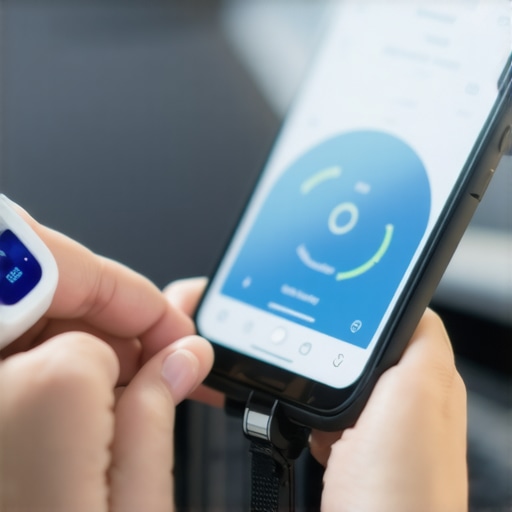
Prompt: Close-up of a person using a digital glucose meter and smartphone app, emphasizing connection and monitoring. Alt text: Person measuring blood sugar with a glucometer and tracking data on a smartphone. Title: Monitoring Your Health with Precision and Ease.
What I Wish I Knew About Personalizing Wellness Strategies
One of the most profound lessons I’ve learned is that personalized health planning is a game-changer. Generic advice can only take you so far; understanding your unique lab markers and how they respond to lifestyle tweaks has transformed my approach. I discovered that even subtle nutrient imbalances, like low magnesium levels, can silently sabotage your wellness efforts—something most overlook. Embracing tailored lab testing and leveraging telehealth consultations allowed me to identify these hidden issues early, saving me from unnecessary setbacks.
Skills That Elevated My Health Journey
Investing in practical tools—like a reliable glucometer and an intuitive health app—provided me with real-time insights into my blood sugar patterns. This daily awareness empowered me to make small but impactful decisions, such as adjusting my diet or hydration habits. Additionally, partnering with a telehealth provider offered quick access to expert guidance, which proved invaluable when navigating complex health questions. These resources, personally vetted and consistently used, became the backbone of my ongoing wellness routine.
The Power of Trusting Your Body and Data
Beyond numbers and protocols, learning to listen to my body’s signals—like persistent fatigue or unexplained brain fog—has been pivotal. Combining this intuition with validated lab results creates a comprehensive picture, allowing for proactive adjustments. Sometimes, I found that seeking expert opinions through virtual visits clarified uncertainties faster than waiting for in-person appointments. Recognizing patterns from combined data and personal cues fostered a sense of agency that keeps me motivated to stay on track.
Times When Routine Became a Reset Button
Establishing regular check-ins with my healthcare provider, facilitated by telehealth, became a mental reset—prompting me to review progress and set new goals. These routines helped me stay motivated and accountable, even during challenging seasons. Over time, I realized that consistency in data collection and honest feedback loop was essential to refining my health plan. Celebrating small wins, like improved lab markers, reinforced my commitment and made the journey feel less daunting.
Let Your Wellness Build a Life You Love
Ultimately, understanding that wellness is an evolving, personalized journey has been enlightening. Every new insight—from immune trends uncovered through lab testing to behavioral adjustments—has enriched my quality of life. If you’re ready to take control, consider integrating advanced testing and telehealth solutions that respect your individuality. Remember, small consistent steps, grounded in data and self-awareness, lead to lasting health transformations.
Ready to Make Your Next Move?
If you’ve ever hesitated to explore personalized lab tests or rely on telehealth for your wellness, now is the perfect moment to start. What’s one small change you can implement today to optimize your health? Share your thoughts below and let’s grow together in this journey toward better living!