
How to Lower Your Cortisol Without Expensive Supplements

One evening, after a particularly stressful day filled with endless emails, missed deadlines, and a sense of overwhelm, I sat on my couch feeling drained and frustrated. I realized I was spending a fortune on supplements claiming to reduce cortisol, yet my stress levels remained stubbornly high. That lightbulb moment hit me—I didn’t need expensive pills; I needed a real, sustainable approach that worked naturally. If you’re tired of chasing after pricey solutions that promise the world but deliver little, you’re not alone. Many of us are seeking effective ways to lower cortisol without draining our wallets.
Why Managing Cortisol Matters More Than You Think
For years, I overlooked the importance of my body’s stress response. But more recent research shows that elevated cortisol levels can impact everything from sleep quality to weight management and even immune health (source). It’s not just about feeling anxious during a rough week; chronic high cortisol can predispose us to serious health issues down the line. The good news? You don’t have to rely solely on supplements or expensive treatments to keep your stress hormones in check. Small lifestyle tweaks and smarter choices can make a huge difference.
Is This Just Another Wellness Fad or Actually Worth It?
A mistake I made early on was falling for quick fixes without understanding the root causes. I spent hundreds on herbal remedies and pricey powders, only to find my stress levels unchanged. It wasn’t until I adopted a holistic approach—focusing on natural, accessible strategies—that I saw real improvements. Trust me, if I can do it without emptying my wallet, so can you. Let’s skip the gimmicks and focus on practical steps that anyone can implement today. Ready to find out how? Stay tuned because we’re diving into actionable tips that are backed by science and designed for real life, not just for magazine ads.
Assess Your Baseline with Lab Tests
The first step to managing cortisol levels is understanding your body’s current state. Schedule comprehensive lab tests that evaluate your hormone levels, including cortisol, via a trusted provider. Think of these tests as a roadmap—without them, you’re navigating blindly. During my experience, I used a virtual lab-testing service to identify my cortisol spikes early, which allowed me to tailor my approach effectively. Regular testing isn’t just proactivity; it’s essential for tracking progress and adjusting your plan accordingly.
Implement Stress-Reduction Techniques Daily
Adopt evidence-based practices like mindfulness meditation, deep breathing, or progressive muscle relaxation. For example, I set aside 10 minutes each morning for focused breathing exercises, which helped me reduce my cortisol — akin to giving your stress hormones a gentle pause button. Consistency amplifies these benefits. Consider anchoring these routines to existing habits, such as meditating right after brushing your teeth, to promote adherence.
Optimize Your Sleep Hygiene
Quality sleep profoundly impacts cortisol regulation. Establish a bedtime routine—avoid screens an hour before sleep, keep bedrooms cool and dark, and aim for 7-9 hours. When I began prioritizing sleep, I noticed a significant drop in waking cortisol levels. Think of sleep as a reset button for your hormonal balance; neglecting it is like trying to drive with the engine overheating—inefficient and stressful. Using a sleep tracker can help identify patterns that might be disrupting your rest.
Adjust Your Nutrition for Stress Balance
Eat a balanced diet rich in nutrient-dense foods—preferably whole grains, lean proteins, healthy fats, and plenty of vegetables. Specific nutrients like magnesium, found in leafy greens and nuts, act as natural cortisol stabilizers. During a stressful period, I increased my magnesium intake and noticed a calmer mood and steadier energy levels. Avoid excessive caffeine and refined sugar, which can spike cortisol. Think of your diet as fueling your body’s resilience against stressors; choosing the right foods is akin to fortifying your fortress from within.
Leverage Telehealth for Tailored Support
Virtual health services enable you to consult with specialists who can interpret your lab results and refine your stress management plan. For instance, I used telehealth to discuss my hormone panel, which led to personalized recommendations that I couldn’t have obtained from a generic routine. Telemedicine is like having a personal coach available at your convenience—no waiting, no commuting. It ensures your interventions are precise, helping you avoid unnecessary trial-and-error.
Build a Consistent Routine and Track Progress
Finally, consistency is key. Keep a journal of your habits, stress levels, sleep quality, and energy. This feedback loop allows you to identify triggers and adjust effectively. Remember, managing cortisol isn’t a one-time fix but an ongoing process. I found that small daily tweaks, recorded meticulously, empowered me to sustain low cortisol levels without resorting to temporary fixes. Think of it as maintaining a well-tuned instrument—regular adjustments keep the sound harmonious and your stress in check.

The Myth of One-Size-Fits-All Wellness Approaches
Many people believe that general wellness advice works universally, but in reality, individual biology, genetics, and lifestyle make a profound difference. For example, while antioxidants are touted for everyone, studies show that personalized nutrient assessments can reveal deficiencies that standard protocols might miss (source). Relying solely on broad recommendations can lead you to overlook specific needs—highlighting the importance of tailored strategies backed by laboratory insights.
Common Mistakes Around Vaccination Planning
A frequent misconception is that vaccines are a static, one-time thing. However, scientific advances emphasize the importance of personalized immunization schedules based on individual immune responses. Without proper lab assessments, you might either under-protect or over-vaccinate, which could compromise your immunity or cause unnecessary side effects. Personalized vaccination plans utilize antibody titers and other lab markers to optimize protection, yet many overlook this nuance.
Why Telehealth Requires Critical Judgment
Telehealth is often seen as an easy, convenience-driven solution. Still, advanced users know the platform’s limitations. Virtual care excels when used as an adjunct to comprehensive testing and personalized assessments, not as a substitute for in-depth diagnostics. For example, interpreting lab results remotely demands understanding the context—similarly, over-reliance without proper data can mislead your treatment plan here. The trap is assuming virtual consultations are a complete substitute—smart users combine them with thorough lab evaluations.
Debunking the Lab Tests Fallacy
It’s common to think that a single lab test can reveal your entire health status. However, many misinterpret the significance of a test result, overlooking the timing, the specific markers measured, or underlying influences like recent lifestyle changes. For instance, cortisol levels fluctuate throughout the day, and a single measurement can be misleading without contextual data more info here. Advanced wellness involves a series of targeted tests and understanding their interplay, which is often misunderstood.
How to Recognize When You’re Riding the Trap
Are your wellness routines or health decisions based on outdated myths or superficial data? The key is to seek personalized, data-driven insights—using lab results, immune assessments, or tailored vaccinations—to craft strategies that truly fit your unique profile. Recognizing these pitfalls allows you to avoid common traps and move toward more effective health management. Remember, wellness isn’t just about following trends but understanding what your body genuinely needs. Want to deepen your understanding? Explore how wellness checks can be your first step and stay ahead in your health journey.
Maintaining consistent progress in your health and wellness routine requires the right tools and methods that fit seamlessly into daily life. Over the years, I’ve fine-tuned a set of reliable equipment and software solutions that help monitor, analyze, and optimize my health metrics, ensuring long-term results.
Smart Lab Testing Platforms
One game-changer for me has been leveraging at-home lab testing services like Understanding the role of lab tests in preventive wellness. These platforms allow me to regularly check key markers such as cortisol, vitamin D, and hormone panels without the hassle of clinic visits. The convenience ensures I stay proactive, adjusting my routines based on fresh data. Personally, I use a trusted provider that ships testing kits directly to my home, with lab processing done quickly and results accessible via an intuitive app, enabling ongoing tracking without disruption.
Wearable Technology for Real-Time Feedback
Devices like the Oura Ring or WHOOP Strap provide continuous insights into sleep quality, heart rate variability, and activity levels. I personally prefer the Oura Ring because of its non-intrusive design and detailed sleep scoring, which helps me refine my sleep hygiene—a cornerstone for cortisol management. These wearables sync seamlessly with my smartphone, offering actionable data that I review weekly to make informed adjustments. As wearable tech improves, the future likely holds even more precise biosensors that could predict health issues before symptoms emerge, making routine maintenance proactive rather than reactive.
Dedicated Apps for Stress and Nutrition
Apps like Calm or Headspace facilitate daily mindfulness practices, while MyFitnessPal helps track nutrient intake. I’ve integrated these into my routine by setting daily reminders, turning stress reduction into a habitual activity. I also use specialized food logging features to ensure my diet supports cortisol balance—particularly focusing on magnesium-rich foods. The synergy of tracking tools empowers me to see pattern shifts and maintain consistency in habits over time.
Why Do Personal Data Dashboards Matter?
Consolidating data from different devices and tests into a single dashboard enhances my ability to see the big picture. Platforms like Apple Health or third-party apps aggregate sleep, activity, and lab results, presenting trends that guide long-term decisions. Regularly reviewing this data has helped me identify subtle changes that might otherwise go unnoticed, reinforcing the importance of data-driven maintenance.
As this wellness landscape evolves, predictions indicate an increase in AI-powered health coaches that analyze your data and offer personalized advice 24/7. These advancements promise to make health management more accessible and precise, emphasizing the importance of integrating technology into your routine now.
How Do I Keep My Wellness Systems Working Year After Year?
Consistency relies on routine calibration. Schedule quarterly reviews of your lab results, update your wearable software, and revisit your nutrition plans. Use data visualization tools to spot emerging patterns early. For instance, I review my cortisol levels quarterly, using insights from these essential lab tests to adjust stress management strategies accordingly. Taking a proactive stance ensures your wellness tools serve you effectively over the long haul.
Ready to elevate your maintenance game? Start by integrating a reliable lab testing routine with a user-friendly app to automate and visualize your data. Experiment with wearable devices that monitor sleep and stress—small investments in these tools can lead to significant, sustainable health improvements.
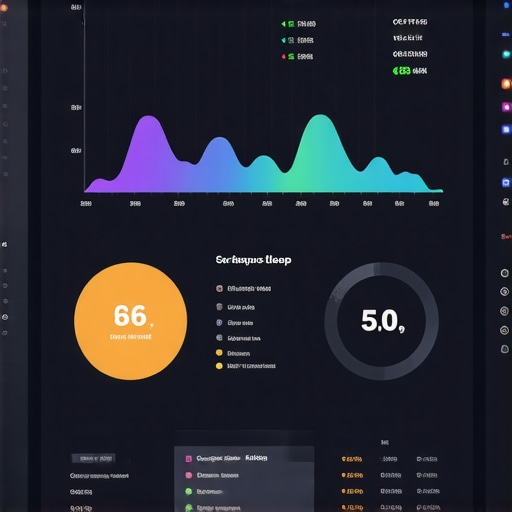
Image prompt: A user-friendly digital dashboard showing health metrics like cortisol, sleep quality, and activity levels, emphasizing integrative health tracking.
Remember, combining these tools and routines creates a resilient system—one that adapts with you and supports lasting wellness. For more tailored advice, consider consulting with a specialist through my recommended virtual care platform.
The Hardest Lesson I Learned About holistic health
Early on, I believed that quick fixes and magic pills would resolve my stress and cortisol issues, but I discovered that real change demands patience and a thorough understanding of my body’s signals. This realization taught me to prioritize personalized strategies over one-size-fits-all solutions, emphasizing the importance of tailored lab tests to reveal my unique hormonal patterns.
Why Ignoring the Power of Data Can Cost You
I used to shy away from regular lab testing, thinking it was unnecessary or too complicated. However, embracing comprehensive lab assessments changed everything—guiding my approach and helping me understand the nuances of my cortisol fluctuations. This experience underscored that consistent data collection is vital for meaningful progress, especially when managing stress hormones naturally.
The Myth That Stress Is Only Mental
I once believed stress was purely psychological, but I learned that chronic stress manifests physically through elevated cortisol levels, impacting sleep, immunity, and energy. Recognizing this interconnectedness motivated me to incorporate stress-reduction techniques like mindfulness and sleep hygiene, which work synergistically—highlighting that managing physical health is essential for emotional well-being.
Where I Went Wrong with Supplements
Initially, I spent a fortune on supplements promising cortisol reduction. It wasn’t until I integrated lifestyle adjustments—improved sleep, nutritious diet, and physical activity—that I truly saw results. This taught me that natural, sustainable habits outperform quick fixes and that investing in personalized wellness plans, perhaps through telehealth, offers greater long-term benefits.
Curated Tools That Made a Difference
My wellness toolkit now includes reliable at-home lab testing platforms like understanding lab tests in preventive wellness, which help me track cortisol and other vital markers regularly. I also rely on wearable devices like the Oura Ring to monitor sleep quality and stress levels daily. Additionally, intuitive apps for nutrition and mindfulness keep me accountable. These tools empower me to make informed decisions and adapt my routines dynamically.
Embrace Your Wellness Path with Confidence
Remember, your wellness journey is uniquely yours, and embracing data-driven strategies coupled with natural habits can transform your health over time. Each small step, backed by tailored insights, builds resilience against stress and fosters lasting balance. Take courage—your best self is within reach, waiting for you to take that first proven step. Curious—what’s one small change you’re willing to try today? Share below and start your transformation.