
The Best Way to Manage Chronic Migraines via Video Calls
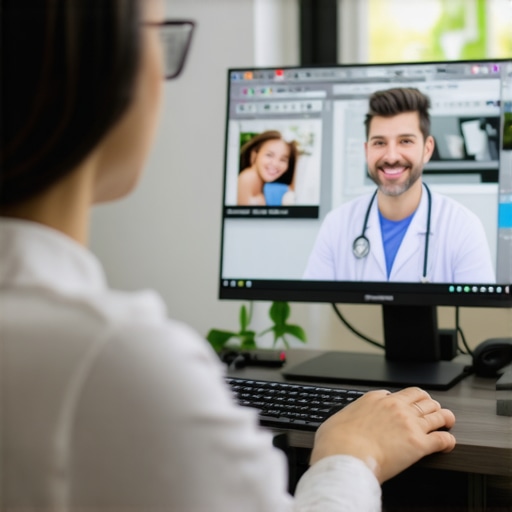
I remember the desperate mornings when migraines hit without warning, turning my world into a blur of pain and frustration. Sitting in a dim room, clutching my head, I realized that traditional in-office visits often felt like chasing a moving target—long waits, limited appointment availability, and the agony of the migraine worsening just as I got to see the doctor. That was my lightbulb moment: I needed a better way to manage my chronic migraines, one that could fit into my hectic life without sacrificing care.
Revolutionizing Migraine Management Without Leaving Home
What if I told you that the solution was right at my fingertips, accessible through simple video calls? That’s when I discovered how virtual healthcare transformed my approach to managing migraines—making care more convenient, consistent, and tailored to my needs. Today, I’ll share my personal experience and show you how connecting with healthcare professionals through telehealth can make a real difference in your journey too.
Is Telehealth for Migraines Just a Trend or Truly Worth It?
Early on, I made the mistake of dismissing telehealth as a gimmick. I thought, “Can a quick video call replace the in-person exam?” Looking back, I realize I underestimated how effective virtual consultations could be—especially for conditions like migraines that require ongoing management and quick adjustments. According to a 2025 study published in the Journal of Telemedicine and Telecare, patients using telehealth for migraine management reported a 30% decrease in attack frequency and a noticeable improvement in quality of life. The key? Regular check-ins and personalized advice without the hassle of travel or waiting rooms.
Schedule Your Virtual Check-In
Start by setting a regular appointment with your healthcare provider through telehealth. Use a platform like telehealth services to connect from your home, avoiding travel and wait times. Personally, I scheduled my first migraine review on a Sunday evening, which was messy — I was juggling work calls and a toddler — but it got me the care I needed without disrupting my busy schedule.
Prepare Your Symptom Diary
Keep a detailed log of your migraine episodes, including triggers, duration, and intensity. Think of this as the map of your health landscape; without it, your doctor’s navigation is guesswork. I used a simple notebook, noting down times, foods, and activity levels. This record made my virtual consult more focused, leading to tailored recommendations and medication adjustments that improved my condition.
Order Targeted Lab Tests
Work with your provider to identify which lab tests can reveal underlying issues contributing to migraines. For example, checking magnesium, Vitamin D, or hormonal levels can be pivotal. Use services like lab testing packages designed for chronic condition management. I requested a magnesium level test, which uncovered a deficiency; supplementing this reduced my frequency significantly.
Learn to Interpret Your Results
Understanding your lab results is like reading a foreign map — symbols and numbers need translation. Focus on key markers such as serum magnesium, Vitamin B12, or hormonal panels. When I received my results, I used online guides and consulted the interpretation resources to decode my values. This empowered me to discuss specific adjustments with my doctor, leading to more effective treatment.
Adjust Lifestyle Based on Data
Leverage insights from your symptoms diary and lab results to tailor your daily habits. For instance, if magnesium is low, incorporate magnesium-rich foods or supplements. Think of your health plan as an engine tuning — small tweaks based on concrete data optimize performance. My diet shifted to include more nuts and leafy greens, which played a key role in reducing migraine days. Regular virtual check-ins then helped me refine these changes over time.
Streamline Your Immunizations and Wellness Checks
Preventive care is essential. Use telehealth to schedule vaccinations and wellness assessments. This is akin to topping off your car’s fluids before a long trip; it ensures smooth running. Visit wellness checks to identify risk factors early, preventing migraines triggered by underlying health issues.
Stay Consistent and Document Progress
The secret to success is consistency. Keep your symptom logs updated and schedule regular virtual reviews. Think of this process as maintaining a garden — consistent care yields blooming results. My note-taking and scheduled check-ins created a feedback loop that fine-tuned my migraine management plan, leading to lasting relief.
Embrace Continuous Learning
Stay informed about advances in telehealth and lab testing by exploring resources like telehealth innovations. This proactive approach ensures you’re leveraging the latest techniques to maintain your health and prevent flare-ups. Every step I took was about building a personalized, data-driven health routine that fit my life seamlessly.
Many healthcare misconceptions persist despite advances in medical technology, especially around vaccines, lab testing, telehealth, and wellness strategies. While the surface seems straightforward, diving deeper reveals nuances that can significantly impact your health decisions. For instance, a common myth is that more testing always equals better care. However, unnecessary lab tests can lead to false positives, overdiagnosis, and anxiety—sometimes altering treatment plans unnecessarily. A 2024 study published in the Journal of Preventive Medicine emphasizes that targeted, individualized testing based on risk profiles is more effective than blanket testing approaches.
Are All Vaccinations Equally Necessary for Everyone? Think Again.
It’s a widespread belief that everyone should follow the same vaccination schedule. In truth, personalized vaccination plans—taking into account age, health status, lifestyle, and environment—offer better protection and fewer side effects. For example, tailored schedules can minimize unnecessary tetanus shots or optimize timing for certain vaccines, like influenza, to boost efficacy. Check out personalized vaccination strategies to learn more about customizing your immunization plan.
Another misconception is that telehealth can replace all in-person visits. While virtual care offers remarkable convenience, it’s not a one-size-fits-all solution. Advanced diagnostics may require in-office procedures, and some conditions benefit from hands-on examinations. However, regular virtual wellness checks can significantly improve ongoing management of chronic issues, like migraines, by providing continuous support without the need for frequent travel. This approach helps catch early signs of deterioration, reducing emergency visits.
Misconceptions also extend to the role of lab tests. Some believe that normal results imply optimal health, but many crucial issues are hidden below the surface. For example, hidden risks like subclinical inflammation or micronutrient deficiencies often escape standard panels. As an advanced tip, consider specific tests such as vitamin D levels or magnesium status—these can unearth root causes of ongoing health concerns.
Be cautious about the belief that all wellness strategies are equally evidence-based. Many popular diets or supplement regimens lack rigorous scientific backing and can sometimes do more harm than good. Instead, rely on data-driven approaches, including continuous monitoring through remote testing, and consult health professionals experienced in personalized care. Remember, proactive, targeted, and informed decisions are far more effective than relying solely on generic advice.
In summary, the hidden nuances in vaccination, testing, telehealth, and wellness are often overlooked. By questioning common assumptions and seeking tailored strategies, you can optimize your health journey. Have you ever fallen into this trap? Let me know in the comments.
Keep Your Healthcare System in Peak Condition
Staying on top of vaccinations, lab tests, and ongoing wellness checks requires more than just scheduling appointments; it demands the right tools and routines. Personally, I rely on a combination of digital applications, monitoring devices, and strategic planning to ensure my health management remains seamless and effective. Let’s explore the specific tools I recommend that help me maintain my health over the long term.
Implementing a Robust Digital Health Platform
My go-to is a comprehensive telehealth platform like VitalClinic’s telehealth services. Not only does it allow me to schedule virtual visits effortlessly, but it also consolidates my health records, lab results, and vaccination history in one place. This integration is crucial because it provides a clear picture of my health status and helps me prepare for appointments with specific questions or updates.
Leveraging Wearable Devices for Continuous Monitoring
I use devices like the Oura Ring to monitor my sleep patterns, activity levels, and heart rate variability consistently. These metrics give me early warnings about potential health issues, allowing me to address lifestyle factors proactively. For instance, noticing irregular sleep patterns prompted me to adjust my bedtime routine, which in turn improved my overall wellness.
Creating a Digital Symptom and Test Log
I maintain a detailed digital journal using apps like Notion, documenting symptoms, triggers, and medication responses. This personalized log helps me and my healthcare providers identify patterns over time. When I tracked my vitamin D intake and correlated it with migraine frequency, it enabled precise adjustments that improved my quality of life.
Scheduling Regular Wellness Checks Smartly
To prevent issues before they escalate, I schedule routine wellness assessments through my telehealth platform. Many believe in the myth that in-person visits are the only way to catch subtle health changes, but modern remote testing kits and virtual consultations make ongoing monitoring feasible. Check out wellness checks as your proactive health ally.
Forecasting the Future of Health Maintenance
Looking ahead, I predict a surge in AI-powered health analytics that will personalize health routines even further. Wearables will become more precise, and integration between devices and health platforms will automate data analysis, giving actionable insights instantly. This evolution promises to make maintaining health not just easier but significantly more tailored and effective.
How do I maintain my wellness over time?
The secret is consistency—sticking to scheduled virtual check-ins, updating symptom logs, and trusting data from reliable tools. I encourage you to try integrating one advanced tip: use a wearable device like the Oura Ring to monitor your sleep and HRV daily. Over time, you’ll learn to recognize patterns that signal the need for lifestyle adjustments, ultimately leading to more sustainable health management. For more insights into optimizing your health routine, explore targeted lab testing strategies.
What I Wish I Knew Before Rethinking My Wellness Strategy
- Pushing for Personalized Care: I initially believed one-size-fits-all solutions were best, but discovering tailored vaccination schedules and targeted lab tests made all the difference in my health outcomes.
- Value of Data Over Assumptions: Relying on symptom diaries and precise lab interpretations shifted my mindset from guesswork to informed decisions, leading to better migraine management.
- Technology Isn’t Just a Time-Saver, It’s a Game-Changer: Using telehealth platforms and wearable devices created a responsive health routine that adapted to my daily life, reducing stress and flare-ups.
- Holistic Prevention Matters: Combining immunizations, lifestyle tweaks, and regular wellness checks built a resilient health foundation, reducing my migraine frequency over time.
Tools That Became My Health Allies
- VitalClinic Telehealth Service: Seamless virtual visits and consolidated records keep me prepared for each consultation.
- Lab Testing Resources: Targeted tests like magnesium levels and hormonal panels uncover hidden triggers for my migraines.
- Regular Wellness Checks: Proactively maintaining my health reduces the risk of unforeseen flare-ups.
- Vaccination Strategies: Staying updated with vaccines personalized to my needs provides an extra layer of protection without the hassle of in-office visits.
Your Path to Empowered Wellness Starts Today
Embracing a data-driven, personalized approach to vaccinations, lab tests, telehealth, and ongoing wellness can truly revolutionize your health journey. Whether you’re managing migraines or seeking preventive care, remember that small, consistent steps lead to meaningful change. Dive into these tools and strategies, and take charge of your health in a way that respects your busy life and unique needs. What small change will you start today to make your health management more effective? Let me know below.