
The One Liver Enzyme Most Doctors Ignore Until It’s Too Late

Ever had that sinking feeling in your stomach early in the morning, realizing you’ve been ignoring subtle signs of your health? Maybe you’ve brushed off that odd fatigue or a vague stomach discomfort, thinking it’s just stress or aging. I remember a moment like that for myself—feeling perfectly fine one day, then suddenly overwhelmed by unexplained tiredness, only to discover months later that something was quietly amiss with my liver enzymes. That lightbulb moment made me realize how easy it is to overlook crucial indicators tucked away in routine blood tests, especially one particular liver enzyme that most doctors tend to ignore until it screams for attention.
The Silent Signals hiding in plain sight that could save your life
Are you missing the clues your liver might be giving you?
One of the most overlooked liver markers is ALT, or alanine transaminase. It’s a tiny piece of data that can tell a huge story about your liver’s health—yet many healthcare providers don’t emphasize its importance during standard checkups. Early elevations can signal underlying issues like fatty liver disease or chronic inflammation, long before symptoms appear or damage becomes irreversible. Ignoring this enzyme is like missing the alarm bells ringing softly but insistently in your body. According to a study published in the Journal of Hepatology, elevated ALT levels can precede serious liver conditions by years—if caught early, interventions can halt or even reverse damage.
My own mistake was assuming that if my routine labs looked normal, I was in the clear. But that’s a trap many of us fall into. Standard panels often focus on the more common markers, neglecting the subtleties that can make all the difference. That’s why I started paying closer attention to my liver enzymes, especially ALT, and learning how to interpret the numbers with the help of tailored lab tests and telehealth consultations. If you’ve ever wondered whether your liver health is truly optimal, you’re not alone. And you’re in the right place to learn how to stay ahead of potential risks, well before they threaten your long-term wellness.
So, today, I’m going to share actionable strategies based on my journey and research to help you recognize if this silent enzyme is whispering warnings you shouldn’t ignore. Whether you’re feeling perfectly fine or experiencing vague symptoms, understanding and monitoring your liver enzymes could be the key to dodging serious health complications down the line. Ready to uncover what your blood might be hiding? Let’s dive into how you can take control and safeguard your vitality—starting now.
,
Secure Your Lab Tests Without Leaving Home
Start by scheduling a comprehensive blood panel through a telehealth provider. Many services now offer home testing kits that you can collect yourself and send back for analysis, making routine monitoring seamless and stress-free. When I first tried this, I received a kit by mail, collected my blood sample in my bathroom, and mailed it to the lab—all within the comfort of my home. This approach is particularly effective for tracking liver enzymes like ALT, which can signal early issues before symptoms appear.
Learn How to Interpret Your Results
Once your results arrive, take the time to understand what they mean. Use reputable resources or consult with your telehealth provider to decode your ALT levels and other markers. Many platforms offer detailed explanations and personalized recommendations. I realized that a slight elevation in my ALT didn’t mean immediate alarm but indicated a need for lifestyle adjustments. Gaining this knowledge empowers you to take actionable steps early, preventing long-term damage.
Combine Lab Testing with Virtual Wellness Checks
Schedule a virtual wellness consultation to discuss your results and overall health strategies. Telehealth allows you to connect with healthcare professionals who can assess your risk factors, suggest dietary changes, or recommend further testing if needed. This integrated approach streamlines your path to wellness, akin to having a health coach in your pocket. I found combining my labs with regular telehealth sessions helped me stay proactive and informed about my liver health and general wellness.
Implement Lifestyle Changes Based on Your Data
Use your test results as a catalyst for positive change. Adjust your diet to reduce processed foods and incorporate liver-friendly nutrients like omega-3s and antioxidants. Increase physical activity and reduce alcohol intake, which can influence liver enzymes. These modifications are easier when guided by accurate data and professional advice received via telehealth. Remember, early intervention is key—think of your blood tests as a roadmap that guides your health journey.
Schedule Routine Follow-Ups to Track Progress
Set a schedule for periodic lab tests and virtual check-ins to monitor your progress. Many telehealth providers recommend testing every 6 to 12 months for at-risk populations. Regular monitoring helps catch any upward trends in ALT early enough to act. I kept a health journal to log my numbers alongside lifestyle changes, which motivated me to stay consistent and aware of my body’s signals.
Leverage Technology for Better Health Management
Utilize apps and online portals to access your medical data, set reminders for testing, and communicate effortlessly with your providers. This digital synergy ensures you remain engaged with your wellness plan and can make informed decisions swiftly. The convenience of managing everything digitally transformed how I viewed my health—more control, less stress.
While telehealth, vaccinations, and lab tests have revolutionized personal healthcare, many misconceptions persist—sometimes leading us astray rather than guiding us toward better health. As an expert in data-driven wellness strategies, I want to shed light on subtle nuances and common traps that most people overlook, ensuring you’re not just following the herd but making informed decisions.
Why believing that virtual care replaces all in-person evaluations can be a costly mistake
Many assume that telehealth is a complete substitute for traditional doctor visits, but this isn’t always true. Virtual consultations excel in convenience and initial assessments, yet certain physical exam nuances and diagnostic nuances can’t be replicated online. For instance, tactile examinations, subtle skin changes, or real-time auscultation are challenging to perform remotely. Relying solely on telehealth might delay detecting signs that require in-person evaluation, such as small but significant skin lesions or cardiovascular abnormalities. A study published in the Journal of Medical Internet Research emphasizes that while telehealth expands access, integrating it with periodic in-person checks yields the best outcomes (see more about telehealth benefits).
Another misconception is that vaccinations are universally one-size-fits-all. In reality, personalized vaccination schedules consider individual factors like age, health status, and prior immunity levels, which can be determined through specific lab tests. For example, assessing antibody titers before administering booster shots prevents unnecessary vaccinations and reduces risks of adverse reactions. Not tailoring your vaccination plan might expose you to unnecessary side effects or missed protective opportunities.
Most people also assume that routine lab tests reveal the full story about their health. But standard panels often miss critical markers, leading to false reassurance. Think of lab results as pieces of a larger puzzle—only when combined with advanced testing and expert interpretation do they offer a complete picture. For instance, a normal lipid panel doesn’t necessarily mean your cardiovascular risk is low; tests like ApoB and lipoprotein(a) provide deeper insights (more on understanding lab results). Avoiding these nuanced markers can mean overlooking early signs of disease that are still reversible.
Beyond testing, wellness often gets oversimplified into quick fixes, like supplements or fad diets, ignoring the importance of data-backed lifestyle habits. Advanced wellness recognizes the significance of personalized approaches—adjusting sleep, stress management, and nutrition based on your unique biomarkers rather than generic advice.
Have you ever fallen into this trap? Let me know in the comments. Remember, the path to genuine wellness is paved with meticulous data interpretation, personalized assessment, and informed choices rather than assumptions or one-size-fits-all solutions. For a deeper dive into optimizing your health with sophisticated strategies, check out this resource.
Maintaining Wellness with Effective Tools
Staying proactive in health management requires reliable equipment and software that deliver precise data and seamless integration. I personally rely on a combination of advanced lab testing services, telehealth platforms, and health tracking apps to keep a close eye on my vitals and lab results over time.
Firstly, I use at-home blood testing kits from trusted providers, which allow me to monitor key markers like liver enzymes, vitamin D, and lipid profiles without the hassle of clinic visits. These kits, such as telehealth-enabled home testing services, come with clear instructions and courier pickup, ensuring convenience and privacy. The accuracy relies on lab partners adhering to CLIA standards, which I verify periodically by reviewing their accreditation details.
For interpreting results, I depend on secure online portals linked to my testing provider. These dashboards provide detailed explanations of each marker, trending graphs, and personalized recommendations. Combining this with periodic virtual consultations through platforms like telehealth services keeps me informed and motivated to implement necessary lifestyle adjustments. The real benefit is ongoing tracking, enabling early detection of shifts before symptoms arise.
Supplementing labs, I utilize health-tracking apps that integrate with wearable devices. Devices like the Oura Ring specifically measure sleep quality, heart rate variability, and activity levels—parameters essential for holistic wellness. Syncing data across apps like Apple Health or Google Fit allows me to visualize correlations between my behaviors and lab results, guiding targeted interventions.
Looking ahead, I predict the trend toward AI-powered health platforms that analyze multi-source data—labs, wearables, and patient input—to offer personalized preventive strategies. As noted in telehealth innovations article, this synergy will transform wellness from reactive to proactive, reducing long-term costs and improving outcomes.
How do I keep my health tools effective over time?
Consistent calibration, staying updated with software upgrades, and reviewing data trends regularly ensure tools remain accurate. I schedule quarterly check-ins with my digital health ecosystem—reviewing lab timelines, updating apps, and ensuring wearable firmware is current. This routine minimizes data discrepancies and enhances the predictive value of my monitoring system.
If you’re eager to harness these insights, start by ordering a comprehensive home lab test and integrate it with your favorite health app. Small, consistent steps using proven tools can significantly boost your long-term wellness. For detailed guidance on selecting the right lab tests for your needs, visit this resource. Remember, the key is not only the technology but consistently using it to inform your health decisions.
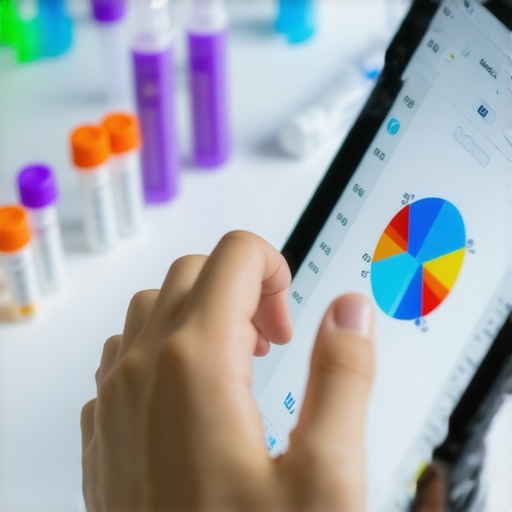
The Unexpected Truths I Discovered About Wellness Tracking
One of the most eye-opening lessons I learned was that not all health indicators are created equal. Early in my wellness journey, I relied solely on standard blood panels, assuming they provided the full picture. It wasn’t until I started paying close attention to liver enzymes, especially ALT, that I realized how much my body was signaling even before symptoms appeared. This taught me that sometimes, the smallest data points hold the biggest insights—when interpreted correctly, they can be game-changers for your health.
Another insight was that virtual care isn’t just a convenience; it’s a strategic tool that, when used wisely, can dramatically improve health outcomes. I found that combining telehealth consultations with home testing kits allowed me to stay proactive—catching potential issues early and adjusting my lifestyle accordingly. This experience underlined the importance of integrating technology with personal health management, rather than relying solely on traditional methods.
Lastly, I uncovered that trusting the right resources and tools can make a difference. Many of us are tempted by quick fixes or generic advice, but personalized guidance from reputable platforms and expert-curated testing protocols provided me with tailored insights. This personalized approach was a core reason I could stay consistent and motivated in my wellness pursuit, realizing that your health data is your most valuable asset—if you know how to interpret it.
My Top Picks for Your Wellness Arsenal
- Home Lab Testing Kits from Trusted Providers: These kits, like those linked through telehealth-enabled services, offer accuracy coupled with convenience, empowering you to monitor vital markers like ALT, vitamin D, and lipid profiles without leaving home.
- Secure Health Data Platforms: Platforms connected with your testing services provide detailed explanations, trends, and personalized recommendations. They transform raw data into actionable insights—making sense of your health journey.
- Wearable Devices and Apps: Devices like the Oura Ring or Apple Health can help track sleep, activity, and stress—all crucial factors influencing your lab results and overall wellness, enabling a comprehensive view of your health.
- Educational Resources and Expert Guidance: Reputable blogs, like this in-depth guide, and professional virtual consultations can deepen your understanding and help you make smarter health choices.
This Is Your Moment to Take Action
Harnessing the power of telehealth, precise lab testing, and personalized insights isn’t just a cool trend—it’s a foundational shift towards proactive wellness. The more you understand your body’s subtle signals, the better equipped you’ll be to prevent future health issues. Start today by exploring reliable home testing options, interpret your results with expert help, and weave these insights into your daily routine. Remember, health isn’t just about avoiding illness; it’s about thriving at every stage of life.
So, I invite you to reflect: Have you ever wondered what your blood tests might be hinting at behind the scenes? Share your thoughts below—I’d love to hear your experiences or questions about making these approaches work for you.