
Why Your Child’s Growth Chart is Only Half the Story

I remember sitting in that tiny plastic chair, staring at the jagged line on the exam table paper, feeling like a total failure. My son was hitting the 75th percentile for height, and the doctor kept nodding like everything was textbook. But I was the one dragging him out of bed every morning, watching him listlessly push food around his plate while his friends sprinted around the playground. I fell into the trap of thinking that because he was growing, he was thriving. It took me six months and a lot of unnecessary stress to realize that why your child’s growth chart is only one piece of the health puzzle is a lesson every parent needs to learn early. We were measuring his outside, but we were completely ignoring what was happening on the inside. Today, I want to show you how to look deeper so you can stop guessing and start supporting your child’s actual needs.
That Percentile Line Doesn’t See Everything
Look, those curves and dots are helpful for spotting major developmental red flags, but they are essentially a map of average. They don’t account for the fuel in the tank or the quality of the engine. Early on, I made the huge mistake of assuming normal growth meant perfect health. I wasted weeks researching how to fix your sleep schedule without using melatonin because I thought he was just a bad sleeper. In reality, a simple blood draw would have shown me the sneaky reason your child is always tired. According to research cited by the CDC, iron deficiency is one of the most common nutrient gaps in children and often goes undetected because it doesn’t immediately stunt physical height. We need to move past the idea that a tall kid is automatically a healthy kid.
Is my doctor missing something important?
It is a terrifying thought, right? You trust your pediatrician, but their time is limited. They often have less than fifteen minutes to check ears, eyes, and throat. Unless you specifically advocate for understanding the role of lab tests in preventive wellness, you might never know that your kid’s perfect growth is hiding sub-optimal nutrient levels or a sluggish immune system. Have you ever walked out of a check-up feeling like the doctor checked all the boxes but missed the actual kid sitting in front of them? We have to realize that why regular lab tests are critical for your wellness journey applies to our children just as much as it does to us. Assessing the internal data is the only way to get the full story.
Get a clear picture of what is happening inside
To move from guessing to knowing, you have to treat your child’s health like a high-performance machine rather than a static chart. The growth chart tells you the size of the car, but it says nothing about the quality of the oil or the pressure in the tires. I stopped waiting for the annual physical to ask questions and started treating wellness as a year-round data collection project. The first real shift happened when I realized that unlocking the power of telehealth for fast convenient wellness access meant I could consult with experts about specific symptoms the moment they appeared, rather than waiting six months for a fifteen-minute slot in a crowded office.
Use virtual visits to skip the waiting room chaos
The most efficient way to start this process is by scheduling a baseline consultation through a digital platform. I remember the first time I did this; I was sitting at my kitchen table with a notebook, and for the first time, I felt like the doctor was actually listening because we weren’t being interrupted by a screaming toddler in the next room. During these sessions, you can discuss telehealth innovations how virtual care is changing wellness and use that time to request specific laboratory orders. This prevents the ‘wait and see’ brush-off that often happens during busy in-person check-ups. You get your orders sent straight to a local lab, and you show up for the draw on your own terms. 
Request the labs that actually matter
When you get to the lab, don’t just settle for a basic CBC. You need to understand understanding lab tests your roadmap to clearer diagnosis to know which markers to push for. For my daughter, the ‘normal’ growth chart was masking a massive Vitamin D deficiency that was making her irritable and prone to every cold that swept through her preschool. I had to specifically ask for a 25-hydroxy vitamin D test because it wasn’t part of the standard ‘healthy kid’ protocol. Looking at how lab tests can detect hidden health risks early in your wellness pathway allowed us to fix her levels before they impacted her bone density or long-term immunity.
Map out a proactive prevention strategy
Once you have the internal data, you can align it with your preventative care. This includes looking at the essential lab tests you need for accurate vaccination planning. If a child’s immune system is currently bogged down by a secret nutrient deficiency or an underlying inflammatory issue, you might want to discuss the timing of their shots with your provider. I learned that why your child’s vaccination schedule matters more than you think isn’t just about following a calendar; it is about ensuring their body is in the best possible state to build a strong immune response. We started scheduling our wellness checks three weeks before any planned immunizations just to make sure her ‘engine’ was running clean before we added anything new to her system.The biggest trap parents fall into is the ‘normal range’ fallacy. Most lab reports use a reference range that is essentially an average of the people who visited that specific lab over the last year. Think about that: who usually visits a lab? People who are already feeling sick. This is why I always warn that why your lab results come back normal while you still feel like trash is a common outcome of standard medicine. You shouldn’t settle for being ‘average’ compared to a population that isn’t at peak health. We need to look for optimal levels, not just stay within the lines. 
Why ‘Normal’ Lab Results Might Be Lying to You
I remember a friend whose son was constantly battling fatigue. His pediatrician said his blood work was fine because every marker fell within the ‘standard’ bracket. It wasn’t until they looked at functional ranges that they realized his ferritin was at the absolute bottom of the scale. A study published in the Journal of Clinical Pathology highlights that reference intervals can vary significantly between different laboratories, meaning what counts as healthy in one office might be a red flag in another. By revolutionizing wellness how telehealth transforms personal care, we can now consult with specialists who look at these markers with a much finer lens. They don’t just see a kid who isn’t sick; they see a kid who isn’t yet reaching his full potential.
Does my lab test timing actually change anything?
The short answer is yes—massively. One of the most common mistakes is getting labs drawn when the body is in an atypical state. For example, why your morning coffee is sabotaging your anxiety labs is a lesson in how stimulants and morning stress can artificially inflate your markers. If you drag a screaming, dehydrated toddler into a lab at 4 PM, their results will look vastly different than if they were calm and hydrated at 8 AM. This ‘oops’ factor leads to thousands of misinterpretations every year. When you use virtual care, you can take the time to learn how to spot a better telehealth provider in 3 specific questions, ensuring you work with someone who actually advises you on the best preparation for these tests.
The Vaccination Trap Most Parents Fall Into
Another area where nuances are often ignored is the standard immunization schedule. While we know that vaccinations myths busted what you need to know in 2025 helps clear up general confusion, the advanced approach involves personalization. Most people follow a cookie-cutter timeline because it’s convenient for the clinic, not necessarily because it’s the perfect moment for the child’s immune system. By looking at personalized vaccination schedules for better disease prevention, you can align shots with your child’s actual health status. This ensures that their body isn’t already fighting off a minor infection or dealing with a nutrient deficiency when we ask it to build new antibodies. It’s about being precise rather than just being compliant. Have you ever fallen into the ‘normal is good enough’ trap? Let me know in the comments.
Ditch the Paper Folders for Digital Health Mastery
Keeping the momentum going requires a shift from reactive panic to proactive maintenance. I stopped keeping my kids’ medical history in a messy kitchen drawer and moved everything to a dedicated secure digital vault. This allows me to see the trajectory of their health over years, not just weeks. I’ve found that why regular lab tests are critical for your wellness journey isn’t just a catchy phrase; it is the difference between catching a trend and reacting to a crisis. For example, by tracking my son’s ferritin levels over three years, I could see them dipping long before he ever complained of being tired. I personally use a smart scale and a Bluetooth-enabled cuff because I’ve learned that the better way to track blood pressure at home is to remove the friction of manual logging. If it doesn’t sync automatically to my phone, I probably won’t do it.
How can I stay consistent with wellness as my kids grow?
The secret is to integrate these checks into your existing seasonal routines. Just as you swap out summer clothes for winter coats, use those transitions to review your family’s data. This is where why wellness checks are your first step to better health at 945 am becomes a practical strategy. By scheduling a quick virtual touch-base every six months, you can adjust nutrition or supplement plans based on the latest data. According to research published in the Journal of the American Medical Informatics Association (JAMIA), the integration of patient-generated health data into clinical workflows significantly improves the precision of long-term wellness outcomes. We aren’t just patients anymore; we are the primary investigators of our own health. 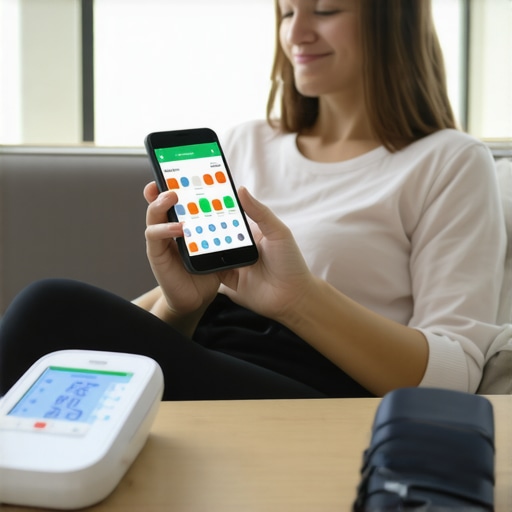
The Future of Wellness Is Moving Inside the Home
I believe we are rapidly approaching a time where our smart devices won’t just track steps, but will actually interface with our lab providers in real-time. We are already seeing telehealth innovations how virtual care is changing wellness by making specialized doctors available at the click of a button. In the next few years, I predict AI-driven analysis will be able to look at our understanding lab tests your roadmap to clearer diagnosis and suggest dietary tweaks before we even realize our vitamin levels are flagging. This level of telehealth insights the future of accessible healthcare services will make the old ‘wait until it hurts’ model of medicine look prehistoric. To stay ahead, you need to start maximize your health combining vaccinations and lab testing strategies now, so you have a baseline to compare against when the technology evolves. My challenge for you this week is simple: pull up your child’s last two lab reports and look for any markers that are slowly moving toward the high or low ends of the ‘normal’ range. If you see a trend, don’t wait for the next annual physical—book a five-minute digital consult and ask about it today.
The Hard Truth About My Year of ‘Good Enough’ Health
Reflecting on that first year, I realize my biggest mistake was thinking that a lack of illness meant the presence of wellness. I spent so much time comparing my son to the kids in his class that I forgot to compare him to his own potential. I finally understood that why your lab results come back normal while you still feel like trash is a trap for parents too. It isn’t about being ‘sick’; it is about ensuring every cell has what it needs to thrive. I learned that data is my best friend—not to obsess over, but to use as a compass. If I had known how to find a telehealth provider who actually listens to your symptoms earlier, I would have saved dozens of hours of anxiety. The biggest lesson? Trust your gut, but verify it with the numbers.
Better Tools for Your Home Wellness Command Center
To keep things simple, I’ve narrowed my focus to three specific resources that keep our family on track. First, I maintain a digital ‘Health Log’ where I can see trends in blood work over years, which is far more powerful than a single snapshot. Second, I rely on virtual platforms for all my initial screenings; exploring the benefits of telehealth in managing chronic wellness has been the single greatest time-saver for our busy schedule. Lastly, I keep a curated list of evidence-based guides to boost your immunity with expert vaccination tips in the afternoon at 454 pm so I’m never making decisions based on fear or social media rumors. Having these tools ready means I’m never starting from zero when a health question pops up.
#IMAGE_PLACEHOLDER_E#
Ready to See What the Numbers Are Really Saying?
You don’t have to be a medical expert to be the CEO of your child’s health. You just need to be willing to look past the surface. By combining the convenience of modern technology with the precision of internal data, you can build a foundation of wellness that lasts a lifetime. Whether it is scheduling that first digital consult or finally requesting a deep-dive lab panel, your future self will thank you for being proactive today. Don’t let a ‘normal’ chart keep you from finding an ‘optimal’ life. Have you ever noticed a symptom in your child that the doctor brushed off as normal? Let me know in the comments below.