
Why you should check your iron status before changing your diet

I remember sitting at my kitchen table three years ago, staring at a plate of steamed kale and quinoa, feeling like my limbs were made of lead. I had just started a restrictive ‘clean eating’ lifestyle, convinced it would fix my midday crashes. Instead, I was more exhausted than ever. My hair was thinning, my heartbeat felt erratic after a single flight of stairs, and I was perpetually cold. I figured I just needed more discipline or more coffee. The reality was much simpler but more dangerous: I was flying blind. I hadn’t looked at my internal dashboard before changing the fuel, and I was paying for it in real-time.
Stop Throwing Darts at Your Health in the Dark
A few years ago, I made the classic mistake of jumping into a massive lifestyle change because a popular influencer promised it would ‘reset my metabolism.’ I didn’t realize that my internal baseline was already shaky. If you are planning to cut out red meat, dive into a caloric deficit, or even start a grueling new workout routine, you absolutely must know where your iron stores stand first. Why? Because wellness screenings before a diet are not just for show—they prevent you from digging a deeper hole of deficiency. For me, the reason I was still tired was not a lack of willpower; it was a total depletion of ferritin that I was unknowingly making worse by cutting out heme-rich foods. I learned the hard way that a ‘healthy’ change can be a health hazard if your body lacks the raw materials to support it.
Is a Lab Test Really Necessary for a Simple Diet?
I get it. You want to start your transformation today, and a trip to the lab feels like an annoying delay. But here is the kicker: iron is not just about a number on a page. It is about how your body transports oxygen and creates cellular energy. According to the World Health Organization, iron deficiency is the most common nutritional disorder in the world, affecting over 30% of the population, yet many people only find out when they hit a physical wall. Have you ever started a new diet only to feel significantly worse within the first two weeks? If so, I would love to hear your experience—did you push through it or stop to check your vitals? I once tried to ‘self-prescribe’ a random supplement because I felt sluggish, only to realize later through proper lab testing that my body could not even absorb the form I was taking. It was a waste of money and time. By prioritizing preventive wellness lab tests, you stop the guesswork and start treating your health like the science it is. Today, I am going to show you exactly which markers to look for so you do not repeat my mistakes.If you walk into a clinic and ask for ‘routine labs,’ you’re effectively asking a mechanic to ‘look at the car’ without mentioning the engine is smoking. You need a specific, surgical approach to your data. I remember when I first tried to order your own blood work without a doctors note, I was completely overwhelmed by the options. I ended up checking things I didn’t need and completely missing the 7 lab markers that prove your metabolism is stalling. The result? I spent $200 to find out my cholesterol was fine, but I still didn’t know why I couldn’t lose a single pound while eating 1,200 calories a day.
Build Your Custom Testing Checklist
To avoid my expensive mistakes, you have to prioritize the markers that actually dictate how your body handles energy. Most standard panels skip the nuances of nutrient storage. You want to see the ‘inventory’ in the warehouse, not just what’s currently on the delivery truck. This means going beyond a standard CBC and looking at the building blocks of your endocrine system. 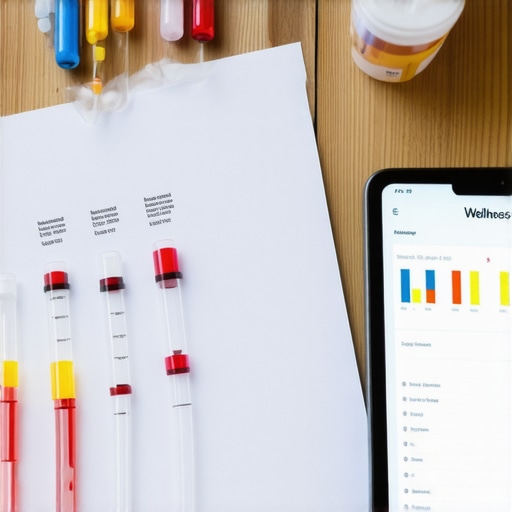
Why Ferritin Matters More Than Hemoglobin
Hemoglobin is like the cash in your wallet; it tells you what you have to spend right now. Ferritin is your savings account. You can have a wallet full of twenties (normal hemoglobin) but be five dollars away from bankruptcy (low ferritin). When I started my last ‘clean’ diet, my hemoglobin was perfect, but my ferritin was a four. My body was basically running on emergency credit. If I hadn’t checked, I would have kept pushing my body into a deeper deficit, wondering why I was losing hair and felt dizzy every time I stood up. Ensure your panel includes a full iron profile, Vitamin D, and B12, especially if you are leaning toward a plant-based shift.
Get the Timing Right for Clean Data
Your body is a chemical factory that changes shifts every hour. If you take your blood test at 4 PM after three cups of coffee and a stressful meeting, your cortisol and glucose levels will look like a heart rate monitor during a sprint. I once made the mistake of testing my fasting glucose after a night of poor sleep and a morning ‘black’ coffee that actually had a splash of almond milk. My results suggested I was pre-diabetic, which sent me into a month-long panic. I later learned that why your morning routine is sabotaging your blood sugar is a real phenomenon that can skew your data for days.
Avoid the Post-Gym Spike
To get clean data, you must be fasted for at least 10 to 12 hours—water only—and you need to be consistent with why your lab results change based on when you woke up. If you usually wake at 7 AM, don’t go to the lab at 11 AM. Your hormones have already started their midday shift change by then. Also, skip the gym. Intense exercise can temporarily elevate liver enzymes and inflammatory markers, leading to a ‘false positive’ that might result in unnecessary worry or even unneeded prescriptions. Give your body 24 to 48 hours of rest before the needle hits your arm.
Find a Professional Who Actually Listens
Reading your own labs is like trying to translate a book in a language you only half-know. You will recognize some words, but you will miss the poetry and the warnings. I spent weeks convinced I had a thyroid issue because my TSH was ‘borderline,’ only to have a specialist explain through a virtual consult that my intense calorie restriction was the actual culprit. It is vital to learn how to find a telehealth provider who actually listens to your symptoms rather than just glancing at the ‘normal’ range markers. A good provider looks at the trends and the ‘optimal’ ranges, not just the ‘standard’ ones that were designed for the average person—who, let’s be honest, usually isn’t in peak health.Most people think that if their labs are in the green, they are ‘good to go.’ But here is the contrarian truth: the ‘normal’ range on a lab report is often just a statistical average of the people who visit that lab—most of whom are already symptomatic or sick. It is a bell curve of dysfunction. If you want to feel optimal, you have to look for different numbers entirely. For example, a standard glucose test might show you are ‘fine,’ but why the fasting insulin test matters more than A1c for weight loss is a nuance that most primary care doctors overlook until you are already facing a crisis. Have you ever fallen into this trap where you were told ‘everything looks fine’ but you still felt terrible? Let me know in the comments.
Why Did My Labs Come Back Normal When I Feel Like Trash?
This is the most common question I receive. The ‘trap’ is that standard labs are designed to look for active disease, not proactive wellness. According to research published in the Journal of Clinical Endocrinology & Metabolism, reference ranges are often too broad to catch early-stage hormonal or metabolic shifts that impact daily energy. If you are only checking your TSH and not a full panel, you might miss why your lab results come back normal while you still feel like trash. We need to move toward a more proactive model, such as maximizing your health by combining vaccinations and lab testing strategies to ensure your immune system is actually primed and not just ‘surviving.’ 
Stop Settling for the Average of a Sick Population
Another common myth is that allergy testing is a one-and-done deal. In reality, why standard allergy panels often miss environmental triggers is because they often look for IgE antibodies alone, ignoring the delayed IgG sensitivities that cause chronic inflammation. When you utilize telehealth insights the future of accessible healthcare services, you get the benefit of a specialist who can look at these advanced markers without the constraints of a traditional 10-minute office visit. If you are serious about your transformation, stop looking for ‘normal’ and start looking for ‘optimal.’ The gap between those two words is exactly where your energy and longevity live.Once you identify that gap, you need a system to bridge it. I used to think I could just ‘feel’ my way into health, but feelings are fickle and prone to the influence of a bad night’s sleep or a stressful day at work. I had to move from intuition to instrumentation. For me, that started with finding the better way to track blood pressure at home. Most people use those bulky, inaccurate wrist cuffs, but investing in a medical-grade upper-arm monitor that syncs with my phone changed everything. It removed the ‘white coat hypertension’ and gave me a true average.
Ditch the Guesswork with Bio-Feedback Gear
I also started using a Continuous Glucose Monitor (CGM). Even as someone who isn’t diabetic, seeing how my body reacted to ‘healthy’ snacks was eye-opening. This kind of real-time data is at the heart of telehealth innovations how virtual care is changing wellness today. You aren’t just waiting for a yearly check-up anymore; you are gathering the evidence required to make daily adjustments. 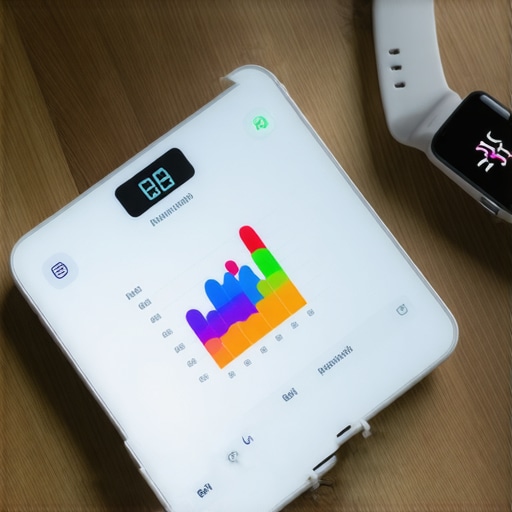
How can I stay on top of my labs year-round?
The secret isn’t just ordering more tests; it’s about strategic, seasonal oversight. I now treat my health like a high-performance engine that needs a tune-up every six months. This is why regular lab tests are critical for your wellness journey—your internal chemistry shifts with the seasons, your stress levels, and even your aging process. According to a 2023 study in the Journal of Medical Internet Research, patients who utilized remote biometric monitoring showed a 14% higher adherence to wellness protocols than those relying on annual office visits. By catching a drifting marker in July, I prevent a full-blown deficiency by December.
Make Your Health Data Work for You Long-Term
Maintenance also means being proactive about your defense systems. I moved away from the ‘standard’ approach and started looking at personalized vaccination schedules for better disease prevention. Instead of guessing if I’m still protected, I use titer tests to see if my immunity is actually holding up. When you are looking for a clinician to help manage these moving parts, you have to be picky. You need to know how to spot a better telehealth provider in 3 specific questions so you don’t end up with someone who just reads the ‘normal’ range back to you. I predict that within the next five years, we will all have AI-driven ‘digital twins’ that simulate our health outcomes based on this very lab data. But until then, the manual work is on us. My challenge for you: the next time you get blood work, ask for a fasting insulin test alongside your glucose. It is the most powerful early warning system for your metabolism that most doctors are still ignoring.
The Most Expensive Lesson I Learned at the Lab
I used to treat my blood work like a pass/fail exam in high school. If the numbers weren’t perfect, I felt like I had failed at ‘being healthy.’ But the hardest lesson I have learned is that data without context is just noise.
- Trends matter more than single snapshots: A one-time high glucose reading might just be a bad night’s sleep, but a three-month trend tells you exactly where your metabolic health is headed.
- Optimal is not the same as ‘Normal’: I spent years in the ‘normal’ range while feeling like a ghost of myself. Don’t let a lab report tell you that you are fine when your body is screaming otherwise.
- Your lifestyle writes the labs: I realized that understanding the role of lab tests in preventive wellness isn’t about finding disease; it is about seeing how your daily choices—like that late-night snack or morning espresso—actually manifest in your chemistry.
#IMAGE_PLACEHOLDER_E#
A Few Resources to Help You Own Your Data
If you are ready to take the driver’s seat, you do not have to do it alone. Here are the tools and sources I return to whenever I feel lost in the numbers:
- ‘Outlive’ by Dr. Peter Attia: This is my ‘health bible’ for understanding why how lab tests can detect hidden health risks decades before they become problems.
- Quality Home Monitoring: Ditch the cheap wrist cuffs. A medical-grade upper arm monitor is the only way to get actionable blood pressure data and avoid white-coat anxiety.
- Specialized Telehealth: When my local GP could not explain my fatigue, I leaned into telehealth insights the future of accessible healthcare services to find specialists who look at functional ranges, not just the clinical bottom line.
Stop Waiting for Permission to Feel Good
Your health is the only asset you cannot truly replace once it is gone. It is so easy to delay that blood draw because you are ‘too busy’ or ‘feel fine for now,’ but true longevity is built in the quiet moments of prevention. By committing to why regular lab tests are critical for your wellness journey, you are essentially buying insurance for your future self. You do not need to be an expert to start; you just need to be curious enough to look under the hood. Take that first step, get the data, and start building a life where you thrive, not just survive. Have you ever had a lab result come back ‘normal’ even though you knew something was wrong? Let me know in the comments below!