
Why your child’s immunization schedule is key for overseas travel

I was standing at the check-in counter at JFK, sweat pooling under my collar, as the gate agent gave me that sympathetic but firm head shake. My daughter’s routine school shots were fine, but for our specific destination, they were practically useless. I’d spent months choosing the perfect sunscreens and the most comfortable hiking boots, yet I completely ignored the one thing that actually mattered: her immunization schedule. It was a heart-pounding realization that almost cost us a three-week dream vacation. If you’re planning a trip abroad, please don’t make my mistake. A child’s standard school record is rarely a golden ticket for crossing international borders safely. [IMAGE_PLACEHOLDER]
The Day My Passport Wasn’t Enough
When we travel, we usually worry about lost luggage, delayed flights, or finding the best local coffee. We rarely think about the biological barriers that exist between countries. I learned the hard way that your child’s vaccination schedule matters more than you think, especially when crossing into regions where diseases like typhoid or yellow fever are still very real risks. My early mistake was assuming ‘fully vaccinated’ for the local school district meant ‘immune’ to the world. It doesn’t. Today, I’m going to walk you through exactly how to align those routine shots with international requirements so you can focus on making memories, not chasing down clinics in a foreign language.
Are these extra shots just a way for clinics to charge more?
I totally get the skepticism. My first thought was that my pediatrician was just being overly cautious, and maybe the travel clinic was just looking for an upsell. However, according to the Centers for Disease Control and Prevention, thousands of travelers bring home preventable diseases every year because they lacked site-specific immunity. It isn’t just about ‘extra’ shots; it’s about the timing. Some boosters need weeks to actually kick in and provide protection. If you find yourself in a rush, you might need to find how to get your family’s vaccine records for a last-minute trip without losing your mind. Have you ever had a moment where you realized your records weren’t as ready as you thought? Let me know in the comments—I can’t be the only one who nearly got grounded by a missing booster!
Why Your Routine Schedule Isn’t a Travel Passport
The reality is that most pediatricians focus on what’s circulating in your immediate neighborhood. They aren’t necessarily thinking about the endemic risks of Southeast Asia or the specific health mandates of Central Africa. To stay ahead of the game, you need to proof your immunity records for international travel at least two months before you zip up your suitcase. This isn’t just about personal safety; it’s about legal entry. Some countries will literally turn you away at the gate without the right stamps in your yellow card. We actually used how to get a travel health consultation from your couch to sort out the mess I made, and it saved our entire trip. While routine wellness is the foundation, international travel requires a very specific, expert-led blueprint.
Give Your Immune System Time to Charge
Think of your child’s immunity like a high-end smartphone battery. You can’t just plug it in for five minutes before a cross-country flight and expect it to stay powered for a week-long trek through the jungle. Most travel-specific vaccines, like Hepatitis A or Japanese Encephalitis, require weeks to build a sufficient wall of antibodies. I learned this the hard way when I tried to squeeze in a booster just three days before takeoff. The doctor looked at me and said, “He’ll have the shot, but he won’t have the protection until you’re already halfway home.” To avoid this, you need personalized vaccination schedules for better disease prevention that start at least eight weeks out. This window allows for multi-dose series and gives you a buffer if your child catches a seasonal cold and needs to delay their appointment by a few days.
Stop Hunting Through Junk Drawers for Old Records
I remember the absolute panic of tearing apart our home office, looking for a crinkled piece of paper from a pediatrician we hadn’t seen in four years. I was literally sweating through my shirt while on hold with a clinic in another state. If you are in a pinch, knowing how to get your family’s vaccine records for a last-minute trip is a lifesaver, but the real pro move is digitizing everything now. Use your phone to scan every document into a secure cloud folder. This digital paper trail is your best friend when you need how to verify your child’s MMR status without a paper trail at a moment’s notice. 
Why Lab Work and Needle Pokes Belong Together
Most people think of blood work and vaccinations as two entirely different worlds, but they are actually two sides of the same coin. Before you start poking your kids with extra needles, it’s worth checking if they actually need them. A quick titer test can reveal if their previous shots are still providing protection. I’ve found that you can maximize your health by combining vaccinations and lab testing strategies. For example, while your child is getting a wellness check, a provider can run the essential lab tests you need for accurate vaccination planning to see if a booster is even necessary. It saves a trip, and more importantly, it saves your child from an unnecessary injection.
How Virtual Care Beats the Waiting Room
In the old days, getting a travel consultation meant taking a half-day off work and sitting in a room full of sick kids. Now, you can leverage telehealth insights to handle the logistics from your kitchen table. We used a virtual visit to review our itinerary—from the altitude of our hikes to the local water quality—and the provider sent the orders straight to a local clinic. This is the faster way to update your yellow fever card before your flight because it cuts out the administrative middleman. Once you have the plan, you can focus on the harder part: how to handle your child’s needle phobia for school shots so the actual visit is over in minutes rather than a dramatic hour-long ordeal.Let’s dig deeper into the stuff that usually gets glossed over in brochures. Most people treat a vaccination record like a fixed achievement—once you unlock it, you’re safe forever. But here is the contrarian truth: your biological memory is far more fickle than your paper one. I used to think that as long as I had the stamps, I was invincible. Then a travel nurse pointed out that for many of us, immunity fades way faster than the 10-year standard we’re often quoted. This is why vaccination myths can be so dangerous; they give you a false sense of security while you’re walking into a high-risk area. The “Oops” Factor you have to watch out for is timing your lab work incorrectly. If you get a blood draw while you’re fighting a minor cold or even just severely sleep-deprived, it can skew your results. I’ve seen people panic because their titers looked low, only to realize why your lab results change based on when you woke up and what you ate can drastically shift the data.
Does a previous infection actually count as a vaccination for travel?
This is the million-dollar question for the advanced traveler. Many people assume that because they had a “mild case” of something years ago, they are naturally immune. However, natural immunity can be incredibly inconsistent. According to research from the Journal of Infectious Diseases, the antibody response from natural infection can vary by up to 200% between individuals. Relying on a memory of being sick in the second grade is a huge gamble when you’re heading into a region where the local strain might be more aggressive. This is where you need to look at the essential lab tests you need for accurate vaccination planning. A quantitative titer test doesn’t just say “yes” or “no”; it tells you exactly how much protection you have left in the tank.  Another nuance that drives me crazy is the “Wellness Check” trap. Most people schedule these just to get a signature on a form. But if you’re not using that time to see why regular lab tests are critical for your wellness journey, you’re missing the forest for the trees. You shouldn’t just be checking boxes; you should be looking at how your travel stressors—like jet lag and dietary changes—will interact with your underlying health markers. For example, did you know why high stress levels make your tetanus shot more painful? It’s not just in your head; cortisol levels actually change your pain threshold and immune response. By using personalized vaccination schedules for better disease prevention, you move away from the “one-size-fits-all” model and toward a strategy that actually works for your specific body. It’s the difference between wearing a generic raincoat and having a custom-tailored suit that’s actually waterproof. Have you ever fallen into this trap of assuming you were “covered” only to find out your immunity had waned? Let me know in the comments—I’m curious how many of you have had a similar wake-up call! To get ahead of the curve, you can unlock the power of telehealth to review your titers before you even book your flights.
I used to keep our family records in a tattered blue folder that smelled like old basement air. It was a nightmare. Now, I’ve shifted entirely to a ‘Digital First’ strategy using the SMART Health Cards framework. I use this specifically because it provides a cryptographically signed QR code that health authorities can verify instantly. It’s not just a photo of a document; it’s a verified data packet. This is how you maximize your health by combining vaccinations and lab testing strategies—by having the data ready to show any provider, anywhere in the world. 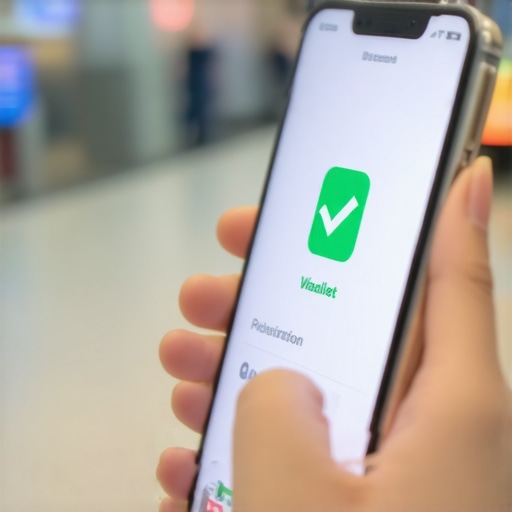
How do I keep my family’s records accurate for the long haul?
Maintenance isn’t about doing everything at once; it’s about the ‘Annual Audit.’ Every October, while everyone else is focused on holiday planning, I sit down and log into our patient portals. I cross-reference our current records with the CDC Yellow Book to see if any of our frequent destinations have updated their entry requirements. This habit helps me boost your immunity with expert vaccination tips before the travel rush begins. By staying proactive, you realize the role of lab tests in preventive wellness isn’t just about finding problems, but about confirming your defenses are still standing tall. I personally use a simple spreadsheet to track titer expiration dates so I’m never surprised by a waning antibody count.
Your Future Doctor is in Your Pocket
I’m calling it now: within the next few years, we won’t even think about ‘scheduling’ a manual travel check. We’re moving toward a world where telehealth innovations include AI-driven alerts that ping your phone when your Hepatitis B titers are dipping. According to technical standards maintained by the Vaccination Credential Initiative (VCI), the push for total interoperability is the new frontier. This means your lab results from a clinic in London will talk to your primary doctor back home without you lifting a finger. This level of fast, convenient wellness access is already starting to take shape. My advice? Start using a digital health wallet today. Don’t wait for the next border policy change to realize your paper records are a relic of the past. If you haven’t yet, try scanning your current records into a secure, encrypted app this weekend. It’s the single most effective way to ensure you never get stuck at a check-in counter like I did.
The Most Expensive Immunity Mistakes I Ever Made
One thing I learned after years of traveling with kids is that a vaccine on paper doesn’t always mean protection in the blood. I once assumed my son was ‘covered’ for everything because he finished his kindergarten series, but we found out during a pre-trip checkup that his titers were surprisingly low. This is why you might need a booster even if you’re fully vaccinated. Another lightbulb moment? Stress isn’t just a mental game. When I was frantically packing for our trip to Peru, my own immune response took a hit; I didn’t realize why high stress levels make your tetanus shot more painful until a nurse explained the cortisol connection. Finally, never trust a decade-old memory of having a disease—natural immunity can be wildly inconsistent compared to the controlled doses of modern science.
The Small Toolkit That Saved Our Summer Safari
I don’t leave the country without three specific things in my digital health bag. First, the CDC Yellow Book—it is the gold standard for knowing what’s actually required versus what’s just recommended. Second, I rely on telehealth innovations to bridge the gap between my local doctor and the specific needs of my destination. If you aren’t sure where to start, you can literally learn how to get a travel health consultation from your couch while your kids are napping. Lastly, I keep a digital ‘Yellow Card’ (the International Certificate of Vaccination or Prophylaxis) in a secure cloud folder, because physical paper is just one spilled coffee away from being useless.
Don’t Let a Paperwork Error Ground Your Dreams
Travel is supposed to be about expansion, culture, and connection—not stress over lab markers and gate agents. By shifting your perspective from ‘compliance’ to ‘prevention,’ you ensure that your family’s health is just as prepared as your itinerary. Remember, the role of lab tests in preventive wellness is to give you certainty, not just a bill. When you use personalized vaccination schedules for better disease prevention, you’re not just following a rule; you’re building a shield for the people you love most. [IMAGE_PLACEHOLDER] Have you ever been blindsided by a vaccine requirement at the last minute or found a gap in your records right before a flight? Let me know in the comments below!