
How to stop recurring sinus infections without constant antibiotics

I remember sitting in the fluorescent-lit waiting room of an urgent care clinic for the third time in four months, clutching a damp tissue and feeling like my head was stuck in a vice. The receptionist already knew my name. The doctor didn’t even need to look at my chart—he just reached for his prescription pad. That was my rock bottom. I was tired of being a walking pharmacy, and I knew my gut was taking a beating from all those pills. If you have ever felt like your sinuses are a ticking time bomb, I am here to tell you that the “wash-rinse-repeat” cycle of antibiotics isn’t your only option. Today, I am sharing how I moved beyond the quick fix to find actual, lasting relief by looking at the root causes instead of just masking the symptoms. We are going to dive into why those pills often fail and how specific diagnostics can change the game for your respiratory health.
The trap of the temporary fix
For years, I made the mistake of thinking an infection was just bad luck or a weak immune system. I thought my body was failing me, so I’d take the pills, feel better for three weeks, and then crash again when the next pollen count spiked. It turns out, relying solely on antibiotics can actually mess with your microbiome, potentially making you more susceptible to the next round of inflammation. We often miss the big picture by ignoring the environment around us. For example, many people don’t realize that why standard allergy panels often miss environmental triggers might be the very reason their “sinusitis” keeps returning like clockwork. It wasn’t always a random germ; it was often a chronic inflammatory response that my body couldn’t handle on its own.
Can we really fix this without another prescription?
I get it. You are skeptical. When your face feels like it is about to explode, a “lifestyle change” sounds like a weak solution. But here is the reality: according to research published in the journal The Laryngoscope, a significant percentage of chronic sinus issues are actually inflammatory or even fungal in nature, which antibiotics simply cannot touch. By leveraging unlocking the power of telehealth for fast convenient wellness access, I was finally able to consult with specialists who encouraged me to look at why regular lab tests are critical for your wellness journey to see if my immune markers were actually the culprit. We need to stop guessing and start testing. Have you found yourself trapped in that endless loop of prescriptions only to have the pressure return a month later? It is time we look at the data to find a way out.
Stop playing medical roulette with your symptoms
I used to treat my body like an old car where I only changed the oil when the smoke started pouring out of the hood. That’s essentially what we do when we wait for a massive sinus infection to start popping pills. To break the cycle, you need to treat your health like a high-performance engine that requires constant telemetry. The first step is moving away from the ‘wait and see’ approach and toward a ‘test and know’ model. This means taking control of your diagnostic journey before you are in crisis mode.
Demand the labs that actually reveal hidden inflammation
The biggest hurdle I faced was the ‘everything looks normal’ shrug from my doctor. I remember looking at a printout of my basic metabolic panel while my head felt like it was in a hydraulic press. It was infuriating. I realized then that why your lab results come back normal while you still feel like trash is usually because the standard panels aren’t looking deep enough. You need to ask for markers that measure systemic fire. For me, that meant finally learning how to interpret your c-reactive protein levels for heart health and general inflammation. When my CRP came back elevated even though my white blood cell count was ‘fine,’ I finally had the evidence I needed to stop the antibiotic merry-go-round. If your doctor won’t order them, you can take matters into your own hands by learning how to order your own blood work without a doctors note.
Streamline your recovery through virtual consultations
Once you have the data, don’t waste three hours in a waiting room to talk about it for five minutes. I started using video calls to review my results. This shift is crucial because exploring the benefits of telehealth in managing chronic wellness allows you to have a dialogue instead of a lecture. In one 15-minute virtual session, my provider noticed a trend in my labs that three previous in-person visits had missed: my immune markers were flagging because of a lingering viral load, not a bacterial infection. To ensure you aren’t just talking to a script-writer, you should know how to spot a better telehealth provider in 3 specific questions before you book. 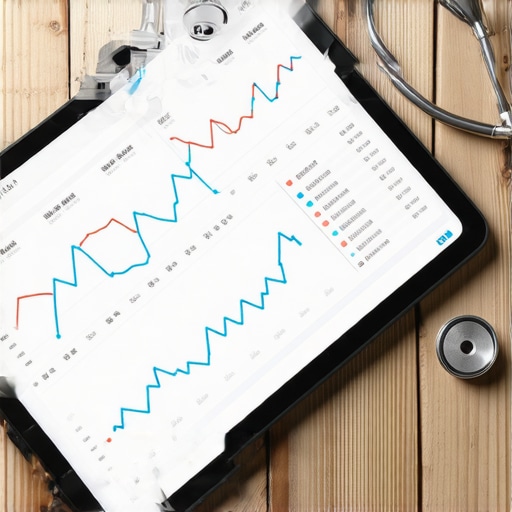
Protect your progress with a smarter defense strategy
The final piece of the puzzle isn’t just about clearing the current fog; it’s about making sure the next bug doesn’t knock you flat. This is where your diagnostic data meets your defense strategy. I learned that the essential lab tests you need for accurate vaccination planning are the best way to determine if you actually need a booster or if your body is already equipped to handle the season’s threats. By maximizing your health combining vaccinations and lab testing strategies, you stop guessing and start building a personalized shield. It’s like checking the weather before you decide to waterproof your boots; it’s just common sense. When you align your vaccination schedule with what your blood work is actually telling you, the results are much more predictable than just crossing your fingers and hoping for the best.
Your ‘normal’ results are often a lie
People often think a ‘clean’ lab report is the finish line. In my experience, that’s where the real investigation begins. Most doctors look for pathology—clear signs that you are already suffering from a diagnosed disease. However, if you want to optimize your health, you need to look at ‘functional’ ranges. A study published in The Journal of Clinical Endocrinology & Metabolism highlights how standard reference ranges are frequently calculated from a population that already includes a high percentage of individuals with undiagnosed metabolic or inflammatory issues. This means being ‘normal’ might just mean you are as unhealthy as the average person in the waiting room.
Here is the contrarian truth: Your most valuable lab results aren’t the ones you get when you’re doubled over in pain. They are the ones you get when you feel 100%. Without a healthy baseline, your practitioner has no yardstick to measure how far your system has drifted during an inflammatory flare-up. This is exactly where understanding the role of lab tests in preventive wellness becomes your greatest asset. You need to know your numbers when the sun is shining so you can spot the storm clouds before they break.
The morning trap that ruins your data
Many patients fall into the ‘Oops’ trap of thinking a lab draw is just a quick ‘poke and go’ event. But the nuances of your behavior in the hours leading up to the test can completely invalidate the results. For instance, few people realize why your morning coffee is sabotaging your anxiety labs by spiking your stress hormones right before the needle hits. Even something as simple as your circadian rhythm plays a role; why your lab results change based on when you woke up is a critical factor for hormone panels that many clinics fail to mention. If you don’t control the variables, you’re just paying for expensive, inaccurate noise.

Why does my body stay inflamed after the symptoms vanish?
This is a sophisticated question that gets to the heart of chronic wellness. Often, the external infection—the ‘trigger’—has been cleared, but the internal ‘cleanup crew’ of cytokines remains active. This lingering immune response is why how lab tests can detect hidden health risks early in your wellness pathway is so vital. If your C-reactive protein or other markers remain high, you aren’t truly recovered; you’re just in a state of ‘smoldering’ inflammation that’s waiting for the next trigger to ignite. This is also why your lab results come back normal while you still feel like trash when your doctor only looks at basic white blood cell counts.
Stop waiting for a crisis to book a call
The biggest mistake I see is the ’emergency-only’ mindset. By leveraging telehealth insights the future of accessible healthcare services, you can review these advanced markers from your living room without waiting for a crisis. You don’t need a fever of 102 to justify a consultation. Sometimes, the conversation is about why you might need a booster even if youre fully vaccinated based on your actual antibody levels, rather than a generic calendar date. This proactive approach turns healthcare from a reactive battle into a strategic defense. Have you ever fallen into the trap of thinking ‘normal’ labs meant you were perfectly fine? Let me know in the comments below.
Own your data with a personal health vault
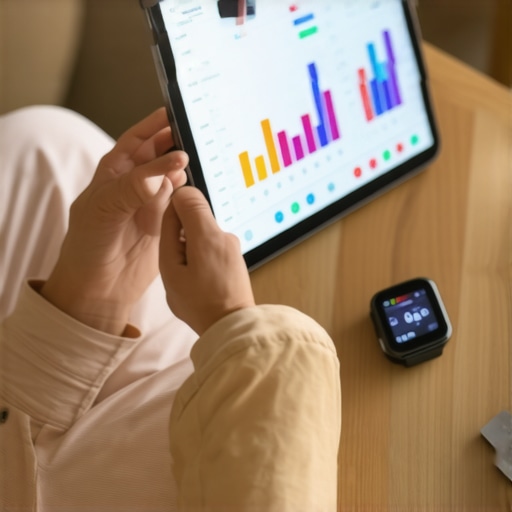
Once you have mastered the art of the perfect lab draw, the next step is actually keeping that momentum alive without it becoming a second full-time job. I do not just ‘get labs done’ anymore; I curate a personal longitudinal database. I specifically use tools like InsideTracker because they overlay my blood data with my wearable metrics, such as sleep quality and heart rate variability. This context is everything. Without it, a high cortisol reading might look like a random fluke, but when I see it matched with three nights of poor REM sleep, I know exactly which knob to turn. This is how you transition from being a passive patient to a health architect. I also recommend maintaining a simple encrypted spreadsheet of your results. Most patient portals purge data after a few years, but you need a ten-year view to see if your markers are creeping toward a cliff while still technically staying within the ‘normal’ range.
How do I keep my immune system sharp for the long haul?
It comes down to a quarterly wellness check rather than an annual one. By understanding the role of lab tests in preventive wellness, I have learned to schedule my deep dives every three months. This frequency allowed me to catch a significant Vitamin D dip in November—well before the winter flu season hit—instead of finding out in March when I was already miserable. If you are worried about the logistics, remember that revolutionizing wellness how telehealth transforms personal care means you can manage these reviews from your living room. I also keep a rigorous digital folder of my immunization history because the essential lab tests you need for accurate vaccination planning depend entirely on knowing what your baseline antibodies look like before you walk into a pharmacy. According to the Journal of Personalized Medicine, patients who utilize remote monitoring and telehealth report a 40% higher adherence rate to long-term wellness protocols compared to those relying on traditional office visits.
The coming shift toward real-time blood monitoring
I predict that in the next five years, we will move away from the traditional needle-in-the-arm approach and toward wearable biosensors that track glucose, ketones, and inflammatory markers in real-time. We are already seeing this with Continuous Glucose Monitors, and soon we will have the same for immune markers. Until that tech is fully mainstream, the smartest thing you can do is learn how to spot a better telehealth provider in 3 specific questions to ensure your practitioner is actually ready for this data-heavy future. Do not wait for your next sinus flare-up to find a provider; build that strategic relationship now. Your homework for today is to download your last three years of lab results. If you cannot find them, use telehealth insights the future of accessible healthcare services to book a quick consult and get a fresh baseline ordered. Stop flying blind and start building your defense.
The Hard Lessons That Finally Cleared My Head
Reflecting on my journey, I realized that I spent years treating my body like a series of isolated parts rather than a connected ecosystem. I used to think that a “clean” scan meant the problem was all in my head, but real progress started when I accepted that chronic inflammation is often silent. I also learned that why your healthy diet is causing persistent brain fog can sometimes be linked to how your body processes systemic stress. Most importantly, I stopped waiting for permission to feel better and started demanding the data that explained my fatigue.
Tools I Use to Stay Ahead of the Next Flare-up
Building a defense strategy requires the right equipment. I rely on three core resources to keep my health on track. First, I use longitudinal tracking via simple digital vaults to ensure my markers aren’t trending the wrong way over time. Second, I look to why wellness checks are your first step to better health at 945 am as my quarterly “state of the union” for my immune system. Finally, I leverage telehealth innovations how virtual care is changing wellness in 639 am to consult with experts who prioritize functional health over just managing symptoms. These tools shifted me from being a victim of the seasons to a proactive manager of my own biology.
You Don’t Have to Settle for Feeling ‘Fine’
If you are tired of the constant pressure and the endless pharmacy visits, know that there is a different path. You deserve more than a five-minute consultation and a generic prescription. By combining specific lab tests with personalized vaccination schedules for better disease prevention, you can build a lifestyle that supports true wellness rather than just avoiding illness. Your respiratory health is the foundation of your energy—protect it with data, not just hope. Have you ever felt like your doctor was missing the bigger picture during a routine visit? Let me know your experience in the comments below.