
How to stop the afternoon crash for good

It was exactly 2:47 PM on a humid Tuesday when I realized I couldn’t go on like this. I was slumped in my office chair, staring at the same three rows of an Excel sheet for twenty minutes, my brain feeling like it had been replaced by a wet sponge. I’d already had my lunch and a large coffee, but the exhaustion was heavy, physical, and honestly, a bit embarrassing. I used to think this was just part of the deal of being a productive adult—a tax we all pay for being awake—but after years of trial, error, and some pretty public face-plants, I’ve learned that the afternoon slump isn’t a character flaw; it’s a physiological signal we’re mostly ignoring. I wasted so much time thinking my morning coffee was my best friend, when in reality, it was just masking a deeper cycle of metabolic burnout. Today, I’m going to show you how to break that cycle once and for all, stop the 3 PM wall from hitting you, and actually have enough gas in the tank to enjoy your evening without needing a nap.
Why your lunch is a secret energy thief
My biggest mistake early on was thinking I could out-caffeine a bad metabolic rhythm. I would eat what I thought was a healthy, high-carb meal and then wonder why I wanted to hibernate an hour later. I didn’t realize that my lunch was sending my glucose on a vertical climb, followed by a terrifying drop. This is why the hidden cause of your constant sugar cravings usually kicks in right when you should be most productive. If you don’t anchor your blood sugar with the right nutrients, you’re basically asking your body to crash. I even went through a phase where I ignored my actual health markers because I felt ‘fine’ most mornings, but learning why your lab results come back normal while you still feel like trash was a huge lightbulb moment for me. It forced me to look at the data, not just my symptoms.
Is coffee actually making the problem worse?
It’s the question no one wants to hear the answer to, but that afternoon ‘pick-me-up’ is often a ‘keep-me-down.’ According to the Sleep Foundation, caffeine blocks adenosine receptors in the brain, but it doesn’t actually stop the ‘sleep pressure’ from building up; it just delays the inevitable crash (Source: sleepfoundation.org). I’ve seen so many people try to fix their energy with stimulants when they really need moves to stabilize blood sugar instead. We often reach for the mug when we should be checking for the one vitamin deficiency that mimics chronic fatigue. Have you ever felt like you’re doing everything ‘right’ but still find yourself nodding off at your computer? It is a frustrating loop, but we can fix it by changing how we approach our daily fuel.To actually fix the slump, you have to stop treating the symptoms and start looking at the hardware. Think of your body like a high-performance engine; if the spark plugs are fouled, adding more premium fuel (or caffeine) won’t make it run smoother. First, you need to see what’s actually happening under the hood. Most people wait until they are broken down on the side of the road before they open the bonnet, but why regular lab tests are critical for your wellness journey is because they catch the ‘check engine’ light before the smoke starts.
Identify the hidden leaks in your energy tank

Stabilize your fuel lines before you crash
I remember one specific Monday where I thought I was being a health hero. I prepped a massive kale and fruit smoothie, thinking the nutrients would carry me through. By 1 PM, I was literally nodding off in a meeting because my ‘health’ drink was actually a glucose bomb. Now, I use 3 moves to stabilize blood sugar: I never eat ‘naked’ carbs, I walk for ten minutes after lunch, and I prioritize fiber first. If you’re struggling with weight alongside the fatigue, you should know why the fasting insulin test matters more than a1c for weight loss. A1C is like looking at a three-month average of your bank account balance, but fasting insulin tells you exactly how much your body is overworking right now to keep that balance.
Shift your care to the digital fast lane
Waiting three weeks for an appointment just to discuss a refill or a minor fatigue issue is a relic of the past. Telehealth innovations mean you can get professional eyes on your labs from your sofa. Think of it like a pit stop in Formula 1—quick, efficient, and focused on getting you back on the track. This is especially true if you are managing long-term issues; for instance, why virtual consultations are the best fit for chronic skin care often comes down to the frequency and ease of follow-up. You don’t need to drive across town just to show a provider how a patch has cleared up.
Check your hormone and mineral levels
If the basics are covered and you’re still hitting a wall, it’s time to dig deeper into specific markers. Many of us are walking around with ‘normal’ results that are actually suboptimal. For example, why your thyroid meds arent clearing your brain fog might be because your provider isn’t looking at the full panel. Similarly, if you’ve decided to cut out red meat to be ‘healthier,’ you absolutely must know why you should check your iron status before changing your diet. Low iron mimics every symptom of burnout, and no amount of green juice will fix a literal lack of oxygen-carrying capacity in your blood. Don’t ignore the protective layer of your health either. Staying current with personalized vaccination schedules for better disease prevention ensures your body isn’t wasting metabolic energy fighting off preventable threats. It’s about building a fortress so you can spend your energy on your life, not on recovery.Most people treat a ‘normal’ lab result as a definitive clean bill of health, but in my experience, that is the biggest trap in modern wellness. The reality is that the standard reference range on your blood work is often based on a statistical average of the general population—many of whom are already struggling with chronic issues. If you want to feel elite, you need to look for optimal levels, not just ‘normal’ ones. I’ve seen countless clients who feel like zombies despite their records looking perfect on paper. This is precisely why your annual physical is missing your real health risks; it simply isn’t designed to catch the subtle shifts in your biology before they become full-blown symptoms. To get a real grip on your energy, you need to be looking at 7 lab markers that prove your metabolism is stalling, because those are the early warning lights that standard tests usually ignore. 
The dangerous mistake of ignoring your test timing
One of the most common ‘oops’ factors I see involves the timing of the tests themselves. Did you know that why your lab results change based on when you woke up is a critical factor in accuracy? If you’re testing your fasting glucose or cortisol after a stressful morning of emails and four cups of coffee, your data is essentially junk. You’re looking at a snapshot of your stress, not your baseline health. I always tell my readers that understanding lab tests is your true roadmap to a clearer diagnosis, but only if you follow the prep rules to the letter. This isn’t just about skipping breakfast; it’s about understanding how your lifestyle variables on the morning of the draw can skew the numbers.
Why did my TSH look perfect while I was still losing hair?
This is the question that drives most of my advanced readers crazy. Many doctors only test TSH (Thyroid Stimulating Hormone), which is like checking the thermostat to see if the furnace is actually burning. You might have enough ‘signal,’ but your body might not be converting that signal into active energy. This is one of the biggest vaccination and medical myths: that a single marker tells the whole story. According to a study published in the Journal of Clinical Medicine, traditional reference ranges often fail to identify subclinical deficiencies that significantly impact daily cognitive function and metabolic rate (Source: mdpi.com). If you aren’t looking at the 3 thyroid markers your doctor probably ignored, you’re only getting half the story.
Don’t wait for the flu to think about your immunity
We often treat preventative care as a seasonal chore, but your immune system requires a year-round strategy. A major nuance people miss is that you shouldn’t wait until October for your flu shot or boosters if your labs show your internal defenses are already compromised. By the time the ‘sick season’ hits, your body should already be a fortress. Using virtual care to keep your records straight and your levels checked is the modern way to stay ahead. Have you ever fallen into the trap of thinking ‘normal’ meant ‘healthy’ only to find out later you were deficient? Let me know in the comments! If you’re ready to stop guessing, the first step is finding the most accurate way to test your levels so you can build a plan based on facts, not feelings.I didn’t just wake up one day and decide to be a data nerd; it was a survival tactic. Once I realized that ‘feeling okay’ was a low bar, I started building my own health dashboard. I use a simple encrypted spreadsheet to track my biomarkers year-over-year. Most people look at their results once and toss them in a drawer. I compare my current markers against my 2021 baselines to see if my stress management or my new diet is actually working. This is the real secret to understanding the role of lab tests in preventive wellness. If you aren’t tracking the delta—the change over time—you’re just guessing. I also keep a digital folder of my immunization records, which saved me hours of stress when I needed to know how to get your familys vaccine records for a last-minute trip.
Ditch the Paper Files for a Digital Health Vault
I personally use a combination of a secure cloud drive and a specialized health tracking app to keep my data organized. According to the health informatics standards set by HL7 (Health Level Seven International), the future of healthcare relies on this kind of data liquidity—the ability for your information to move with you (Source: hl7.org). By having my lab history at my fingertips, I can show a provider exactly when my ferritin started to dip during a telehealth innovation session. It turns a thirty-minute ‘getting to know you’ appointment into a high-level strategy meeting.
How do I maintain my metabolic edge over time?
The key to long-term success is a quarterly ‘check-in’ rhythm. Every 90 days, I look at my labs and my lifestyle habits side-by-side. If my fasting insulin is creeping up, I know I’ve been too lax with my ‘no naked carbs’ rule. This proactive approach is why regular lab tests are critical for your wellness journey; they act as a GPS, rerouting you before you hit a dead end. I also use these check-ins to maximize your health combining vaccinations and lab testing strategies, ensuring my titers are still strong and my boosters are on schedule. 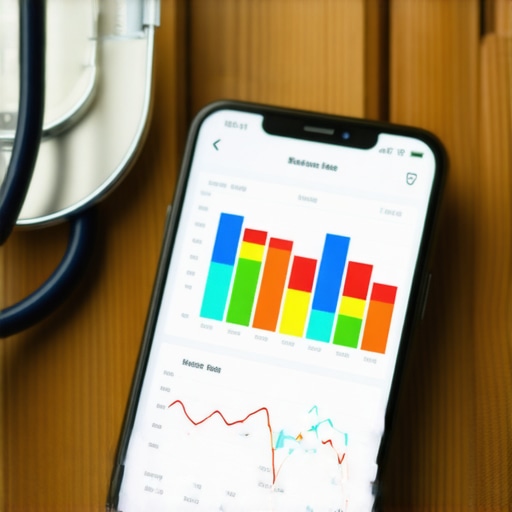
AI Diagnostics are Coming Sooner Than You Think
Looking ahead, I predict we are less than five years away from widespread AI-integrated blood analysis that monitors your levels in real-time via wearable sensors. We are moving from ‘reactive’ sick care to ‘predictive’ life care. We’re already seeing this with unlocking the power of telehealth for fast convenient wellness access, where algorithms can help flag trends in your lipid panels before a human eye even sees them. If you want to stay ahead of the curve, stop treating your health like a once-a-year event. My challenge to you: pick one marker you’ve been worried about—maybe it’s your thyroid or your iron—and order your own blood work without a doctors note this week to establish your true baseline.
The Costly Mistakes I Made While My Labs Looked Perfect
Looking back at my years of struggling, the biggest trap was the word normal. I stayed exhausted because I didn’t realize why your lab results come back normal while you still feel like trash. My lightbulb moment was switching from reactive care to proactive data collection. I learned that my metabolism wasn’t broken; it was just sending signals I didn’t know how to read. Specifically, checking for 7 lab markers that prove your metabolism is stalling changed how I approached my diet and sleep immediately. It turned out my normal thyroid was actually sub-optimal because I was missing the 3 thyroid markers your doctor probably ignored during my last visit. It is much easier to fix a problem when you have the full picture rather than just a snippet of data.
My Go-To Resources for Staying Ahead of the Curve
To keep my system running smoothly, I’ve moved everything into a digital-first environment. I rely heavily on telehealth innovations to bypass the waiting rooms and get direct answers. I also suggest reading up on understanding the role of lab tests in preventive wellness so you can ask better questions during your appointments. If you’re looking for a comprehensive strategy, focus on maximizing your health by combining vaccinations and lab testing strategies. This dual approach ensures your immune system and your metabolism are both working for you, not against you. Having these tools at my fingertips has completely eliminated the guesswork from my morning routine.
Stop Letting Exhaustion Dictate Your Schedule
You don’t have to accept the 3 PM wall as an inevitable part of your day. By taking the lead on your own diagnostics, you move from being a passenger to being the pilot of your health journey. Real wellness checks are your first step to better health, giving you the power to make informed choices. Don’t be afraid to take the first step and order your own blood work without a doctors note to see where you truly stand. Your future self will thank you for the clarity. Which lab marker has always been a mystery to you? Let me know in the comments below!