
How to identify food triggers that cause your skin to flare up

It was 3:00 AM, and I was staring at my reflection in the bathroom mirror, fighting the urge to tear at my own skin. My face was hot, itchy, and covered in angry red welts that seemed to appear out of nowhere. I’d spent the last month being “perfect”—eating salads, drinking gallons of water, and using every hypoallergenic lotion on the market. Yet, there I was, looking like I’d walked through a patch of poison ivy. I felt betrayed. It took me years to realize that my “healthy” spinach and almond milk smoothies were actually fueling the fire. If you are tired of waking up wondering why your skin is acting out again, I want you to know that you aren’t crazy, and you don’t have to just “live with it.” Today, we are going to stop the guesswork and start the detective work to find your specific food triggers.
Stop Putting Band-Aids on an Internal Fire
I spent a small fortune on luxury serums before I admitted a hard truth: you can’t out-moisturize a bad inflammatory response. My biggest mistake early on was assuming that “clean eating” was a one-size-fits-all solution. I didn’t realize that even nutritious foods can cause a flare if your gut isn’t happy with them. According to a study published in the Journal of Clinical and Aesthetic Dermatology, specific dietary components can trigger hormonal shifts and inflammatory cascades that manifest directly on your face and body. Have you ever noticed your skin getting worse right after you thought you were eating healthy? It is a frustrating cycle, but identifying the culprit is easier when you know the specific labs to request for persistent skin issues rather than just buying another tube of cream.
Is Changing My Diet Really Worth the Hassle?
I get the skepticism. You don’t want to give up bread or cheese if it isn’t actually the problem. The fear is that you’ll restrict your life for zero results. But the real “hassle” is the constant anxiety of a breakout before a big event or a date. When I finally decided to stop guessing which lab test identifies real gluten sensitivity, the clarity I got was worth more than a thousand cheat meals. Sometimes, the trigger isn’t what you think. It could be a specific preservative or even a healthy lectin. If the thought of going to a doctor’s office for every little skin tweak sounds exhausting, remember that why virtual consultations are the best fit for chronic skin care is because they allow you to track these changes from your own kitchen. We are going to look at how to systematically strip back the noise so your skin can finally breathe.
Strip it Back to Find the Fire
Imagine your body is a high-performance engine. If you put the wrong fuel in, it won’t just stall; it’ll smoke and rattle. For your skin, that smoke is the redness, the itching, and the cysts. The first actionable step is the “Strip-Down” method. You aren’t just cutting out random foods; you are removing the most common inflammatory suspects—dairy, gluten, refined sugar, and soy—for exactly three weeks. I call this the “Reset Window.” In my own journey, the first ten days were brutal. I had a headache that wouldn’t quit, and I craved a bagel like a desert traveler craves water. But on day fourteen, something happened. The heat under the skin of my cheeks finally cooled down. This is why you should consider a wellness screening before starting a diet; you need a baseline to see where your inflammation sits before you start tinkering with your nutrients. 
The Hidden Trap in Your Green Smoothie
I used to be the “Green Juice Queen.” I thought my daily spinach and almond milk blends were the ultimate health hack. I was wrong. It turns out, I was loading my system with oxalates and lectins that my gut simply couldn’t handle. My face stayed flared despite my “perfect” diet because I was ignoring my biological individuality. This is the danger of generic advice. You have to realize that the specific labs to request for persistent skin issues go far beyond a standard CBC. When I finally looked at my specific sensitivity markers, the culprit wasn’t the pizza I ate once a month—it was the spinach I ate every single morning.
Data Beats Guessing Every Single Time
Don’t let a “normal” result fool you. I spent months being told I was fine while my skin was screaming otherwise. This happens because why your lab results come back normal while you still feel like trash is often due to laboratories using broad averages rather than optimal health ranges. You need a deep dive into understanding the role of lab tests in preventive wellness. If your C-Reactive Protein (CRP) is even slightly elevated, your body is fighting something. It could be a food, or it could even be a reaction to recent changes in your preventative care. For instance, knowing how to boost your immunity with expert vaccination tips can help you manage the temporary inflammatory spikes that come with staying up-to-date on your shots.
Stay Home and Get Answers on Your Terms
The biggest hurdle is often the logistics of the doctor’s office. If you’re like me, the stress of the waiting room alone is enough to cause a breakout. That’s where the digital shift comes in. Exploring the benefits of telehealth in managing chronic wellness means you can consult with a specialist who actually understands functional medicine without leaving your couch. I used a virtual provider to review my panels, and they spotted my nutrient deficiencies in twenty minutes—something my local GP missed for three years. It’s about leveraging the tech to get specific, tailored advice so you can stop the guessing game and start the healing.
We need to talk about the “Normal” trap because it is the number one reason people give up on their wellness journey. Most doctors look at reference ranges which are just averages of the general and often unhealthy population. If you want skin that glows and a body that doesn’t feel like a lead weight, you need to look at functional ranges. This is why your lab results come back normal while you still feel like trash. I have seen patients with normal iron who were actually functionally deficient, causing hair loss and dull skin. Before you accept a clean bill of health, make sure you are understanding the role of lab tests in preventive wellness from an optimal perspective rather than just avoiding disease.
Your “Normal” Lab Results Might Be the Problem
One of the biggest mistakes I see is timing. You cannot just roll into a lab at 2:00 PM after a stressful morning and three cups of coffee and expect accurate results. Your cortisol will be spiked, your glucose will be wonky, and your inflammation markers will be skewed. In fact, why your morning coffee is sabotaging your anxiety labs is a real phenomenon that many clinicians overlook. If you are serious about getting the truth, you need to coordinate your testing. For example, did you know that combining vaccinations and lab testing strategies incorrectly can lead to temporary spikes in C-Reactive Protein that look like a chronic issue? It is better to wait at least two weeks after a shot before checking your baseline inflammation levels.
Does the Time You Wake Up Change Your Results?
Yes, absolutely. Your body operates on a circadian rhythm that dictates hormone release and nutrient metabolism. If you usually wake up at 6:00 AM but drag yourself to a lab at 10:00 AM after sleeping in, your data is already compromised. This is a nuance most people ignore, but why your lab results change based on when you woke up is vital for tracking sensitive markers like TSH or testosterone. To get a truly accurate picture, you need to be consistent with your routine.
The Hidden Flaw in Standard Allergy Panels
Everyone thinks a standard skin prick or IgE blood test is the gold standard for food issues. Here is the contrarian truth: those tests only look for immediate, anaphylactic-style allergies. They completely miss the delayed, IgG-mediated sensitivities that cause the skin welts and brain fog we have been talking about. Research published in Nature Reviews Gastroenterology & Hepatology suggests that non-celiac sensitivities often escape traditional diagnostic nets. This is why standard allergy panels often miss environmental triggers and food intolerances that keep your skin inflamed. You need a more comprehensive approach, which might include the lab test that identifies real gluten sensitivity beyond just celiac markers. 
The oops factor here is relying on a single data point. Wellness isn’t a snapshot; it is a movie. If you only test once a year, you are missing the plot. I recommend why regular lab tests are critical for your wellness journey—think of it as a quarterly performance review for your cells. Have you ever fallen into this trap where a doctor told you everything was fine but your mirror said otherwise? Let me know in the comments. By leveraging telehealth innovations, you can now manage these deep dives without the friction of traditional clinics, ensuring you get the expert eyes your skin deserves.
Stop Drowning in Spreadsheets and Start Using a Health Dashboard
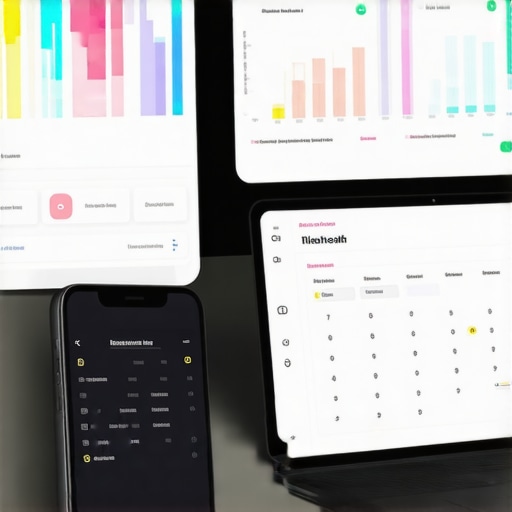
Once you stop guessing and start testing, you’re going to end up with a mountain of data. If you’re like me, you probably have PDFs scattered across three different email accounts and a physical folder that’s bursting at the seams. This is where the maintenance phase usually falls apart. To keep my skin clear, I moved away from manual tracking and started using a dedicated health dashboard. I personally use platforms that integrate with the HL7 FHIR (Fast Healthcare Interoperability Resources) standard, which is the technical backbone allowing different healthcare systems to actually talk to each other. This means my lab results from three different clinics can finally live in one place. By understanding the role of lab tests in preventive wellness through a unified lens, I can spot a trend in my inflammation markers weeks before a breakout actually hits the surface.
AI is Coming for Your Blood Work Results
I predict that in the next five years, we won’t even be reading our own lab reports. We are moving toward a ‘Medicine 3.0’ approach where AI-driven models will analyze your biomarkers in real-time. Imagine an app that pings you saying, ‘Hey, your C-Reactive Protein is creeping up, maybe skip the dairy this weekend.’ Until that’s fully mainstream, leveraging telehealth innovations is your best bet. I now use a virtual provider to run ‘gap analyses’ on my blood work, looking specifically for what changed since my last ‘perfect’ skin month. This proactive stance is how lab tests can detect hidden health risks early in your wellness pathway, preventing the physical and emotional toll of a full-blown flare-up.
How can I maintain my clear skin results for years?
The secret isn’t a secret at all; it is consistency and coordination. You can’t just fix your gut once and assume it’s done. I schedule a ‘Wellness Audit’ every quarter. During these audits, I check my basic inflammation markers and ensure my preventative care is on track. For example, I make sure to maximize your health by combining vaccinations and lab testing strategies so that I’m not testing my blood work too close to an immune-boosting shot, which could give me a false inflammatory reading. Maintaining results means knowing why regular lab tests are critical for your wellness journey; it’s the only way to catch the ‘lifestyle creep’ that leads to brain fog and cystic acne. If you want to take the first step toward this high-level maintenance, my advanced tip is to learn how to order your own blood work without a doctors note. This puts the power back in your hands, allowing you to test specific triggers the moment you feel a symptom, rather than waiting six weeks for a specialist appointment.
The Hardest Lesson I Learned While Chasing Clear Skin
The most painful realization for me was that my ‘healthy’ habits were often my biggest hurdles. I used to think that because a food was a ‘superfood,’ it couldn’t possibly be the cause of my red, itchy skin. I learned the hard way that biological individuality matters more than any generic diet plan. I also realized that why your morning coffee is sabotaging your anxiety labs is a nuance that can make or break your diagnosis. If you don’t account for how your stress levels interact with your testing window, you’ll keep getting ‘normal’ results while feeling like trash.
- Don’t ignore the timing: Your body’s rhythm dictates the story your blood tells.
- Optimal is not the same as standard: Move beyond the general reference ranges.
- Persistence requires a roadmap: Use data to guide your intuition.
My Essential Toolkit for Long-Term Wellness
I don’t leave my health to chance anymore. I’ve built a system that allows me to monitor my internal environment without the friction of traditional office visits. First, I use telehealth innovations to keep a direct line to specialists who actually understand the skin-gut connection. Second, I learned how to order your own blood work without a doctors note, which gives me immediate power when symptoms flare. #IMAGE_PLACEHOLDER_E# Third, I always prioritize why regular lab tests are critical for your wellness journey, checking my markers quarterly to catch issues before they reach the surface. I also make sure I am maximizing your health by combining vaccinations and lab testing strategies correctly to ensure my baseline data remains clean and actionable.
The Future of Your Skin is in Your Hands
You don’t have to be a victim of your flare-ups. By embracing the power of specific lab tests and the ease of modern telehealth, you can finally move from guessing to knowing. Your wellness journey isn’t a destination; it’s a series of small, data-driven decisions that add up to a life free from the anxiety of the mirror. It’s time to stop treating symptoms and start addressing the source of the fire. Which food do you suspect is your secret trigger? Let me know in the comments below!