
How to prepare your toddler for a flu shot without the tears

The air in the waiting room always smells like sterile citrus and anxiety. Last year, my three-year-old, Leo, sensed it the second we walked in. He didn’t just cry; he transformed into a flailing, screaming octopus that defied the laws of physics. It was exhausting, embarrassing, and honestly, it made me want to skip the whole thing. But we can’t just skip it. I learned the hard way that why you shouldn’t wait until October for your flu shot is more than just a suggestion—it’s about building immunity before the season peaks. I am going to share exactly how we moved from high-volume meltdowns to what I now call the ‘brave kid’ routine.
Stop the Pediatric Office Panic Before It Starts
I used to think that being a ‘good’ parent meant explaining every clinical detail. Big mistake. I over-explained the needle, and it just gave him more time to build up a wall of fear. I was basically narrating a horror movie to a toddler. Now, I focus on a mix of strategic distraction and honest, age-appropriate preparation. Dealing with how to handle your child’s needle phobia for school shots starts days before the appointment, not when the nurse walks in with the tray.
Is a Tear-Free Flu Shot Actually Possible?
You might be skeptical. I was too. I thought some kids were just ‘good’ with needles and mine simply wasn’t. However, research from the American Academy of Pediatrics highlights that ‘comfort positioning’ and distraction techniques can reduce distress scores by nearly 50 percent. It’s not just about the physical pinch; it’s about the overwhelming loss of control they feel. My biggest failure early on was the ‘surprise’ approach—not telling him where we were going until we parked. It destroyed his trust for months. We’ve since learned that why your child’s vaccination schedule matters more than you think because staying on track means fewer ‘multi-shot’ visits that overwhelm their sensory system. Have you ever had that ‘octopus moment’ in the doctor’s office where you just wanted the floor to swallow you whole? Today, we are going to walk through the practical steps to ensure your next visit is remarkably quiet.The first thing I changed was my vocabulary. We don’t say ‘it’s just a pinch’ anymore because, to a three-year-old, that ‘pinch’ feels like a betrayal of the highest order. Instead, I use the ‘Sandbox Method.’ We play-act the visit with a toy doctor kit. Last Tuesday, Leo was the doctor and his stuffed giraffe was the patient. When the giraffe didn’t cry, Leo looked at me and said, ‘He’s brave, Mommy.’ That small shift in perspective is huge. Next, we look at the logistics. 3 signs your child is falling behind on the standard vaccine schedule often include missed opportunities during wellness checks, so I make sure our records are airtight before we even arrive. I’ve found that how we cut pediatric vaccine wait times to under ten minutes is largely about pre-registration and knowing exactly what the visit entails. When you spend less time in a cramped waiting room, the anxiety doesn’t have time to simmer.
Control the Exam Room Before the Needle Appears
When the nurse opens that door, the clock is ticking. You need a plan that doesn’t involve wrestling a toddler onto a cold table. One tactic I swear by is ‘Comfort Positioning.’ Instead of laying them flat—which feels vulnerable and scary—I hold Leo on my lap, chest-to-chest. It’s a hug that happens to involve a needle. The American Academy of Pediatrics calls this ‘therapeutic hugging,’ and it changed our lives. The last time we did this, Leo didn’t even see the tray; he was too busy burying his face in my sweater. 
Master the Therapeutic Hug Instead of Restraining
Physical restraint usually triggers a fight-or-flight response that makes the experience traumatic. By using a comfort hold, you are providing a secure base. I once tried to hold Leo’s arms down while he was lying on the table, and he fought so hard he ended up with a bruise from his own struggling. Now, we sit upright. It keeps his limbs secure but his heart close to mine.
Sync Your Wellness Strategy with Real Data
Don’t go in blind. Sometimes we assume a child needs a specific shot when they might actually need a booster or a different timing based on their current health. Checking the essential lab tests you need for accurate vaccination planning can help you and your pediatrician make a custom roadmap. It’s like checking the weather before a road trip; you wouldn’t drive into a storm without knowing. If your child is already under the weather, you need to know the specific way to handle a toddlers fever at midnight before deciding if they are healthy enough for their scheduled doses.
Try the Birthday Candle Distraction
Timing the visit is half the battle. I never book appointments during nap time or right before lunch. A hungry or tired child is a child primed for a breakdown. Instead, I aim for that ‘sweet spot’ mid-morning. You can also boost your immunity with expert vaccination tips by preparing their body with hydration and a light snack beforehand. During the actual shot, we use ‘the blow’—I tell Leo to blow out a ‘birthday candle’ as hard as he can the moment the needle touches. It’s impossible to tense your muscles and scream while you’re busy exhaling a giant breath of air.We often fall into the trap of thinking that a ‘normal’ lab result means the job is done. But here’s the contrarian truth: standard reference ranges are based on a bell curve of the general population—many of whom are already struggling with sub-clinical issues. In my experience, waiting for a lab to flag as ‘abnormal’ is like waiting for the engine light to smoke before you change the oil. We need to look for optimal levels, not just ‘not-sick’ levels. This is where understanding the role of lab tests in preventive wellness becomes your secret weapon. Research from the American Journal of Clinical Pathology indicates that reference intervals can vary significantly between laboratories, meaning ‘normal’ is often a moving target that doesn’t account for your child’s unique baseline.
Ditch the Idea That Normal Labs Mean Optimal Health
If you’ve ever looked at a report and felt frustrated because your child still seems sluggish or off-balance, you aren’t alone. One of the biggest vaccinations myths busted in recent years is the idea that a single snapshot of health tells the whole story. Real expertise means looking at the trends over time. This is why why wellness checks are your first step to better health; they provide the historical data needed to spot a downward trend before it becomes a diagnosis. Have you ever fallen into this trap where a doctor told you everything was fine, but your gut told you otherwise? Let me know in the comments.
Watch Out for the Dehydration Trap During Blood Draws
Here is a specific ‘oops’ factor that parents almost always miss: the hydration status of the child before the lab work. If your child is even slightly dehydrated, it can artificially concentrate certain markers, making their kidney function or electrolyte levels look skewed. This leads to unnecessary panic and repeat pokes. I always make sure Leo drinks an extra glass of water the night before and the morning of a draw. It makes the veins easier to find and the data much more reliable. 
Why Does My Child Still Feel Sick if Their Blood Work is Normal?
Sometimes, why your lab results come back normal while you still feel like trash is because standard panels aren’t sensitive enough to catch early-stage micronutrient deficiencies or low-grade inflammation. For example, a standard iron test might look fine, but a ferritin test—which measures stored iron—could show they are running on empty. If we don’t dig into the nuances, we miss the chance to fix the root cause. This level of detail is exactly why telehealth innovations are so powerful; they allow us to have long-form, deep-dive consultations about these results without the rush of a traditional office setting. By using virtual care to review the ‘why’ behind the numbers, you can stay ahead of the curve and ensure your child isn’t just surviving, but truly thriving.
I used to keep Leo’s vaccination records and my own lab results in a ‘safe place’—which really meant they were buried under a pile of pizza coupons in a kitchen drawer. This ‘method’ failed me spectacularly when we needed a quick turnaround for a school form. Now, I use a dedicated digital health folder. It sounds simple, but knowing how to track down your child’s school immunization history instantly is a superpower for a busy parent. I personally use a nested folder system in iCloud labeled by family member and year. This way, whether I’m dealing with a school nurse or a specialist, I’m not digging through paper. I also ensure every record is saved as a searchable PDF. It’s about building a longitudinal view of our health, not just surviving one visit.
How can I keep my family’s health on track for the long haul?
Maintenance isn’t about more appointments; it’s about better data intervals. We live in an era where you can take control of the ‘when’ and ‘what’ of your diagnostics. If I feel my energy flagging, I don’t wait for my annual physical. I’ve learned how to order your own blood work without a doctors note to catch a dip in B12 or iron before it becomes a full-blown crash. This proactive approach is exactly why regular lab tests are critical for your wellness journey. You are looking for your ‘personal best’ markers. For instance, I track my metabolic health by seeing the one lab marker that tells you if your mediterranean diet is actually working. If that number moves, I adjust my meal prep, not my medication.
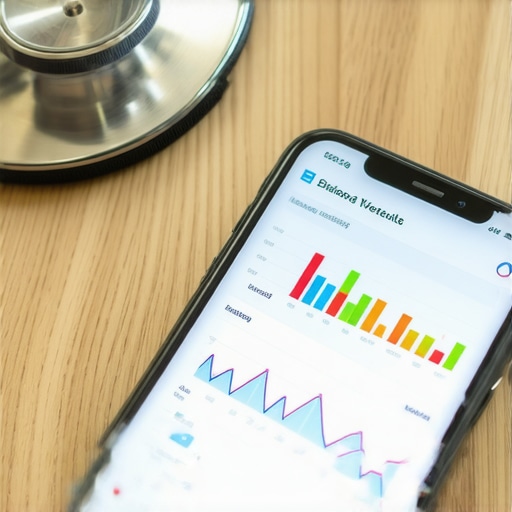
One tool I swear by is the ‘Health Trend Spreadsheet.’ Every time a new lab result comes in via the patient portal, I manually enter five key markers: Fasting Insulin, CRP, Ferritin, Vitamin D, and TSH. Seeing these numbers side-by-side over three years tells a story that no single lab report can. As noted by Dr. Eric Topol in his book Deep Medicine, the shift toward patient-owned data is the most significant change in modern healthcare. He argues that the future of medicine isn’t in the clinic, but in the continuous, digitized monitoring of our own unique biological signatures. I predict that within the next five years, we won’t even look at generic ‘reference ranges.’ We will have AI-integrated apps that compare today’s blood draw to our five-year average and alert us if we are even 2% off our personal baseline. This is why staying ahead of telehealth insights is so vital. We are moving toward personalized vaccination schedules for better disease prevention where your internal data dictates the timing of your boosters, rather than a generic calendar. Stop being a passive recipient of care and start building your own health database today—begin by creating a simple folder on your phone and uploading every lab result you have from the last two years.
The Hard-Won Lessons That Changed My Approach to Pediatric Wellness
Looking back at our journey from office meltdowns to empowered health management, a few lightbulb moments stand out. First, I stopped viewing ‘normal’ results as a finish line. I’ve realized that how lab tests can detect hidden health risks early in your wellness pathway is about more than just data—it’s about peace of mind. Second, never underestimate the power of a glass of water; hydration is the single biggest factor in making a needle visit ‘easy’ and the data accurate. Third, your intuition is a valid data point—if the labs are fine but your child still seems off, keep digging into understanding lab tests your roadmap to clearer diagnosis at 322 pm to find the nuances doctors might overlook in a standard check-up.
Tools and Sources That Kept Us Sane During Flu Season
Building a health toolkit shouldn’t be overwhelming. I personally rely on a few specific resources to stay organized. I highly recommend Deep Medicine by Dr. Eric Topol; it completely shifted how I view the importance of owning my family’s medical data. For day-to-day management, unlocking the power of telehealth for fast convenient wellness access has been our lifeline for quick questions that don’t require an office visit. I also swear by a simple nested folder in iCloud for searchable PDFs of every record. This allows us to revolutionizing wellness how telehealth transforms personal care by having our history ready at a moment’s notice.
#IMAGE_PLACEHOLDER_E#
Take the Driver’s Seat in Your Child’s Health Journey
You don’t have to be a medical professional to be the expert on your child. By combining preparation, better data, and a proactive mindset, the fear of the unknown begins to fade. When we maximize your health combining vaccinations and lab testing strategies, we aren’t just reacting to illness; we are actively building a foundation for lifelong wellness. Start small—upload those old records today and take back control of your family’s story. Have you ever felt like your ‘gut feeling’ was more accurate than a lab report? Let me know in the comments below!