
The quick way to treat a persistent sinus infection without leaving your couch
I remember the exact moment my head felt like it was being compressed in a heavy-duty industrial vice. It was 3 AM, the pressure behind my eyes was throbbing in time with my heartbeat, and the mere thought of driving across town to sit in a sterile, fluorescent-lit waiting room felt like an impossible marathon. I spent three weeks pretending I could ‘tough it out’ with steam and sheer willpower. It was a massive mistake. That delay only turned a simple congestion issue into a month-long facial war zone that cost me my sanity and my productivity. I once thought that unless a doctor physically looked up my nose with a flashlight, it wasn’t a ‘real’ appointment. I was wrong, and that stubbornness kept me miserable far longer than necessary. Today, I am going to show you exactly how you can get relief and a professional diagnosis without even putting on real shoes.
How I Finally Stopped Letting Sinus Pressure Win
The reality is that most of us wait far too long to seek help because the process of getting that help is often more painful than the infection itself. We tell ourselves it is just allergies or a cold, but when that yellow-green drainage and facial pain persist, you need a strategy. According to the Centers for Disease Control and Prevention (CDC), nearly 29 million adults are diagnosed with sinusitis every year, making it one of the most common reasons for primary care visits in the United States. If you are tired of the cycle, learning how to stop recurring sinus infections without constant antibiotics can be a total game-changer for your long-term health. I discovered that the fastest way to treat a sinus infection via video visit isn’t just a shortcut; it is often the most logical way to get a prescription before the infection takes over your entire head. Have you ever tried to ‘power through’ a sinus headache only to have it ruin your entire week?
Is a video call actually enough for a ‘real’ infection?
This was my biggest skepticism early on. I worried that a doctor through a screen couldn’t possibly understand the intensity of the pressure in my maxillary sinuses. However, modern telehealth insights show that experienced providers can effectively diagnose acute sinusitis by reviewing your symptom history, duration, and specific pain points. They don’t need to touch your face to know you’re in pain when you can’t even lean forward without wincing. While understanding the role of lab tests in preventive wellness is important for chronic issues, for an acute sinus flare-up, time is your most valuable asset. By skipping the commute and the germs of a physical clinic, you can start your recovery hours—or even days—sooner than the traditional route allows. This isn’t just about convenience; it’s about reclaiming your day before the brain fog settles in for good.
Gather Your Evidence Before You Dial
The biggest mistake I made during my first virtual visit was showing up unprepared. I was so lightheaded from the sinus pressure that when the doctor asked me for my current temperature, I realized I hadn’t even looked for my thermometer in months. I spent three minutes of a fifteen-minute appointment stumbling around my bathroom cabinets while the provider waited patiently on my smartphone screen. It was embarrassing and a total waste of time. Don’t let your brain fog get the better of you. Before you log on, grab a piece of paper and write down the essentials: when the pain started, the exact color of any drainage (it sounds gross, but it matters), and your current temperature. This level of preparation is the unlocking the power of telehealth for fast convenient wellness access that ensures your provider can make an accurate diagnosis without the guesswork.
The Lean Forward Test and Other Crucial Details
During the video call, the doctor will likely ask you to perform a few simple physical maneuvers to confirm the location of the infection. One of the most effective techniques is what I call the ‘lean forward’ test. I remember sitting on the edge of my bed, following the doctor’s instructions to slowly lower my head toward my knees. The moment my head passed my waist, the pressure in my maxillary sinuses felt like it was going to burst through my cheekbones. That was all the evidence she needed. Be ready to describe the quality of your pain—is it a constant dull ache, or does it throb every time your heart beats? Mention if the pressure has moved to your upper teeth, which is a classic sign of a sinus flare-up. This specific feedback is why the fastest way to treat a sinus infection via video visit is so effective; you are acting as the doctor’s hands.
Why Virtual Care Beats the Germy Waiting Room
When you are already feeling miserable, the last thing your body needs is to be exposed to a lobby full of new pathogens. I once sat for two hours in an urgent care lobby just to get a script for an ear infection, only to catch a stomach bug from the person sitting next to me. It was a nightmare. Whether you are seeking relief for yourself or wondering why virtual care is the best choice for late-night earaches for your kids, the benefit is the same: you stay in a controlled, comfortable environment. You can even handle these issues with minimal disruption to your day, much like how many people now get a professional counseling session on your lunch break. Efficiency is the key to recovery.
When You Need to Look at the Bigger Picture
If you find yourself booking a virtual visit every time the seasons change, you have to stop treating the symptoms and start looking at the cause. I used to think I just had ‘bad luck’ with my health until I started tracking my patterns. This is where you move into long-term strategy. Why regular lab tests are critical for your wellness journey became obvious to me when my blood work revealed that my chronic inflammation wasn’t just ‘allergies’ but a systemic issue. If your infections are recurring, don’t just ask for another antibiotic. Ask about understanding the role of lab tests in preventive wellness. It might turn out that a simple adjustment to your routine—based on actual data—could keep your sinuses clear for years instead of just weeks.
I used to think that as long as my blood work didn’t have any scary red exclamation points, I was in the clear. I was wrong. The contrarian truth that most people—and even some doctors—overlook is that ‘normal’ reference ranges are often just statistical averages of the general population, which unfortunately includes many people who aren’t actually healthy. If you are only aiming for ‘normal,’ you are aiming for the middle of a pack that is increasingly struggling with chronic fatigue and metabolic issues. True expertise in your own health means looking for optimal levels, not just avoiding the ‘danger zone.’ For instance, why your fasting insulin matters more than your a1c for metabolic health is a nuance that can identify pre-diabetes years before a standard screening would catch it. A study published in the Journal of Clinical Medicine confirms that laboratory reference intervals can vary significantly, meaning a ‘pass’ in one lab might be a ‘warning’ in another. This is why understanding lab tests your roadmap to clearer diagnosis at 322 pm is so vital; it empowers you to ask the right questions during your virtual follow-up.
Stop Settling for Average Reference Ranges
The ‘Oops’ factor in modern wellness is a trap I fell into myself: the Biotin Blur. I was taking a high-dose hair and nail supplement, thinking I was doing my body a favor. However, I didn’t realize that biotin can significantly interfere with laboratory assays, specifically those for thyroid function and heart health markers. I spent weeks stressed about a potential thyroid issue that didn’t actually exist, all because I didn’t know to stop my supplements 72 hours before my draw. This is a prime example of why your vitamin b12 results might be misleading if you take certain supplements. It is these small, technical nuances that make the difference between a productive telehealth session and a cycle of unnecessary anxiety.
Does your multivitamin mess with your blood work?
Beyond biotin, many people don’t realize that their current nutrient status should dictate their preventative care schedule. We often treat shots as a one-size-fits-all calendar event, but maximize your health combining vaccinations and lab testing strategies allows you to ensure your immune system is actually primed to respond. If your labs show you are severely vitamin D deficient or dealing with high systemic inflammation, your body might not mount the best response to a booster. This is the sophisticated level of care that telehealth innovations how virtual care is changing wellness in 639 am provides; you can review these markers from home and time your preventative care for when your body is strongest. When you look at the essential lab tests you need for accurate vaccination planning, you realize that your internal biology is far more important than a generic age-based chart.
Sync Your Immunity Schedule With Your Biology
Another common myth is that once you’ve had your childhood series, you’re ‘done’ with the big stuff. In 2025, we are seeing a shift in how we view adult immunity. Checking out vaccinations myths busted what you need to know in 2025 at 1207 pm reveals that waning immunity is a real factor that can be monitored through titer testing—a lab test that measures the level of antibodies in your blood. Instead of guessing, you can use data to decide if you actually need that booster. Have you ever fallen into the ‘normal’ lab result trap only to find out later something was actually wrong? Let me know in the comments. By shifting from a reactive mindset to a data-driven, proactive one, you take the guesswork out of your wellness journey and finally start feeling the way you were meant to feel.
The Digital Toolkit That Replaced My Paper Records
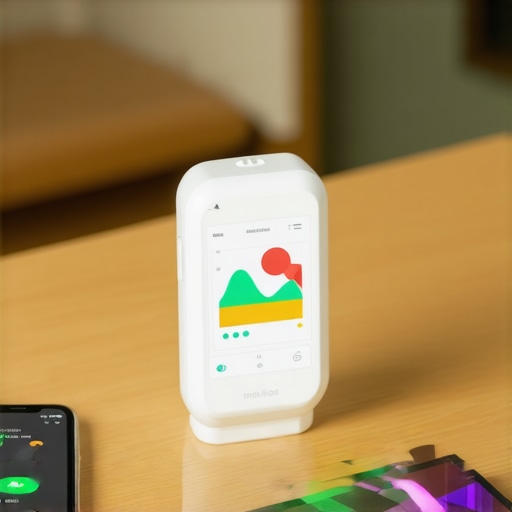
Once I realized that my own forgetfulness was the biggest barrier to getting good care, I stopped relying on my memory. I switched to what I call a ‘Digital Health Locker.’ It sounds high-tech, but it is essentially a centralized, encrypted folder where I store every single lab PDF and immunization record. This is a total lifesaver when you need to know how to track down your childs school immunization history instantly 4 or even your own Tdap status before a trip. I also integrated a smart thermometer that syncs directly to my phone. Having a time-stamped record of my temperature shifts is the ultimate unlocking the power of telehealth for fast convenient wellness access because it gives the doctor hard data they can actually use to differentiate between a viral bug and a bacterial infection.
How can I stay on top of my labs and shots year-round?
The secret is to stop treating doctor visits like a reactive emergency and start treating them like a scheduled oil change. I perform a ‘Quarterly Health Audit’ where I check my status against the current clinical guidelines. This is particularly useful for the easiest way to manage heart health markers between scheduled doctor visits. By reviewing your own trends, you notice when a marker starts creeping up long before it hits the ‘red zone’ on a standard report. This proactivity is why wellness checks are your first step to better health at 945 am, as they allow you to pivot your diet or lifestyle based on evidence rather than guesswork. According to research published in the American Journal of Managed Care (AJMC), patients who use remote monitoring and telehealth tools see a significant decrease in preventable emergency room visits because they catch issues in the early phases.
Why the Future of Medicine Is Moving From the Hospital to Your Home
I predict that in the next few years, we won’t even think of ‘telehealth’ as a separate category; it will just be ‘health.’ We are moving toward a world of ‘ambient sensing’ where your bathroom mirror might analyze your skin for signs of dehydration or your smart watch will suggest the essential lab tests you need for accurate vaccination planning based on local outbreak data. This isn’t science fiction; it is the natural evolution of telehealth innovations how virtual care is changing wellness in 639 am. We are shifting from a ‘sick-care’ system that waits for you to break, to a ‘well-care’ system that keeps you running. My advanced tip for you today: Don’t wait for your next annual physical. Log into your patient portal right now, download your last three sets of labs, and look for the markers that are ‘normal’ but trending in the wrong direction. That is where your real health story begins.
I spent years thinking that being healthy meant just not being sick. It was a reactive, exhausting way to live. Once I embraced the digital shift, I realized that I could manage my sinus issues, my nutrition, and my family’s records without the constant stress of the waiting room. The transition to a data-driven approach wasn’t just about convenience; it was about taking back the time I used to lose to illness.
The Reality Check That Changed How I Manage My Health
The hardest lesson I learned was that my own observations were often flawed because of my ‘tough it out’ mentality. Here are the core shifts that finally gave me control:
- Stop trusting ‘normal’ labs blindly. If you feel like garbage but your results are in the green, keep digging. Optimal health is a narrow band, not a wide statistical average.
- Timing is everything with supplements. I learned the hard way that why your vitamin b12 results might be misleading if you take certain supplements is a critical piece of knowledge before any blood draw.
- Distance is no longer a barrier to expertise. Virtual care allows you to consult with providers who view health through a proactive lens, not just a diagnostic one.
What I Keep in My Digital Wellness Toolkit
I don’t need a medical degree to be an expert in my own body, but I do need the right resources. These are the tools that have made revolutionizing wellness how telehealth transforms personal care a reality for my household:
First, I prioritize a digital record-keeper. Whether it is for school or travel, knowing how to track down your childs school immunization history instantly 4 saves hours of frantic phone calls to old clinics. Second, I rely on regular biomarker tracking. By looking at trends over months instead of single snapshots, I can see where my inflammation levels are headed before a sinus infection even starts. Finally, I use titer testing to confirm my immunity status rather than following a generic calendar. It is about using precision rather than a one-size-fits-all approach.
Your Health Journey Deserves More Than Just Guesswork
You don’t have to wait for the next heavy-duty sinus headache to make a change. The tools are already in your hand. By shifting toward a proactive mindset, you ensure that your ‘well’ days far outnumber your ‘sick’ days. Remember, why wellness checks are your first step to better health at 945 am isn’t just a catchy phrase—it is a lifestyle that protects your future self from the burnout of reactive medicine. Have you ever felt like your ‘normal’ lab results didn’t match how you actually felt? Let me know in the comments below.