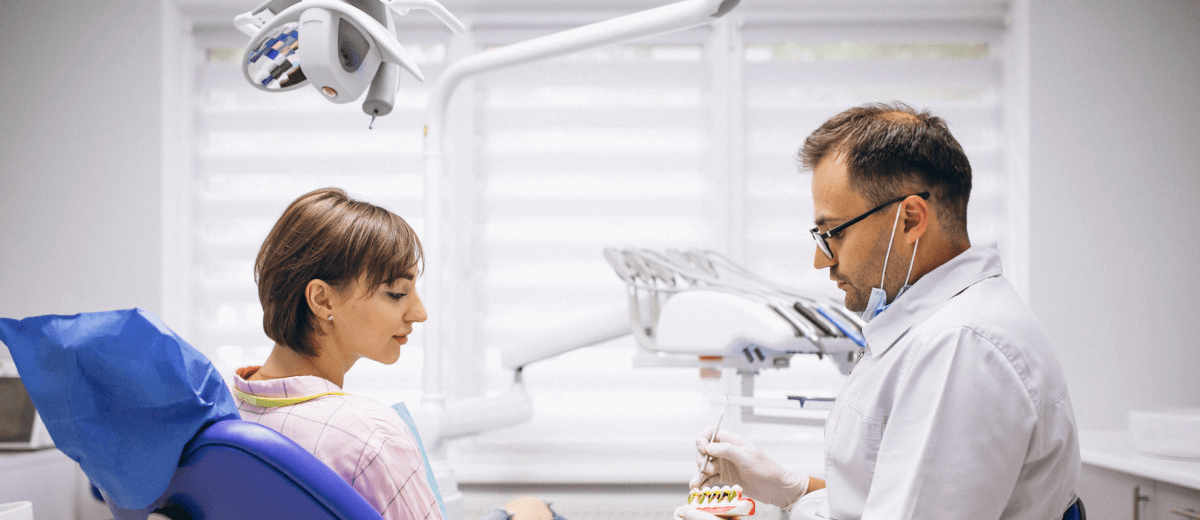

It hit me unexpectedly during a routine checkup. I sat in the sterile clinic chair, waiting for the nurse to call my name, feeling a flicker of anxiety—not because I was unwell, but because I couldn’t shake the feeling that I was missing something vital about my health. Despite regular habits, screenings, and vaccinations, I wondered if there was a better way to stay ahead of potential health issues before they became emergencies.
Why Waiting for Symptoms Isn’t the Smart Move
For years, I operated under the assumption that as long as I felt good, I was fine. But experience has taught me otherwise. Many serious health conditions, like hypertension or early-stage diabetes, quietly develop without obvious signs. Early detection is crucial, and that’s where routine wellness screenings come in. Interestingly, a recent study highlighted that early diagnosis through regular screenings significantly improves health outcomes and reduces treatment costs over time. Yet, many adults still delay or skip these vital checks, often due to the hassle or fear of testing.
The good news? Advances in telehealth and lab testing are transforming how we approach wellness. Instead of long waits, inconvenient appointments, or last-minute scrambles, now you can access essential screenings more conveniently and proactively. In this post, I’ll share the five screenings that are set to be essential for adults by 2026—and how to make them work for you. I’ll also reveal common pitfalls I fell into early on, like relying solely on symptoms or ignoring preventive care, and how to avoid these mistakes.
Are you caught in the cycle of reactive health checks—waiting until symptoms appear—without knowing you might be missing silent risks? If so, you’re not alone. Together, we’ll explore how to stay one step ahead, taking control of your wellness journey with smarter strategies.
Ready to discover how you can leverage new tools and insights for better health in 2026? Let’s dive into the must-know screenings and why they’re game-changers.
Schedule Regular Lab Tests with Precision
Think of lab tests as diagnostic tools—they’re like a health detective uncovering hidden risks before symptoms appear. To do this effectively, create a routine: set reminders every 6 months for key screenings such as blood sugar, cholesterol, and vitamin levels. Use trusted virtual care platforms to order these tests remotely, then visit a local lab or opt for at-home sampling kits. Once results are in, review them thoroughly—most platforms provide easy-to-understand reports. For a seamless process, consider using online portals linked to your telehealth provider to track trends and receive personalized advice. My own experience changed after I committed to biannual testing, catching early signs of iron deficiency that I would have otherwise ignored, allowing me to adjust my diet proactively. For more about the significance of lab tests in preventive care, explore this guide: Understanding the role of lab tests.
Leverage Telehealth for Quick and Convenient Consultations
Imagine having a medical consultation as simple as a video call—no waiting rooms, no travel. Telehealth services have evolved into a vital component of proactive wellness. First, identify a reputable telehealth provider; many offer comprehensive wellness check-ins and rapid assessments. Schedule virtual appointments around your convenience, using platforms that integrate seamlessly with your health tracking apps. During these calls, review your lab results, discuss symptoms, or plan vaccinations—saving hours and reducing exposure risk. Once you identify potential issues, your provider can prescribe tests or treatments, often shipped directly to your home. I once connected with a telehealth specialist on a busy Monday morning, got my blood pressure and cholesterol assessed remotely, and scheduled an early follow-up for potential lifestyle modifications. For further insights on how telehealth is transforming personalized care, visit: revolutionizing wellness.
Adopt a Personalized Vaccination Strategy
Standard vaccinations are just the beginning; a tailored plan can boost your defenses more effectively. Start by consulting a virtual care provider who can analyze your medical history and lifestyle risks. They may recommend specific vaccines aligned with your age, travel plans, or health conditions—like a custom shield designed just for you. Use trusted online platforms to access vaccination schedules, receive reminders, or even get vaccines administered at local clinics or via mobile units, especially for travel or special exposures. I found that updating my vaccination plan through a telehealth consultation before a trip ensured I was protected against emerging diseases, avoiding last-minute scramble. To learn how to construct your personalized vaccination schedule, check this resource: personalized vaccination schedules.
Combine Tools for Maximum Impact
The real power lies in integrating lab testing, telehealth, and vaccinations. This triad creates a proactive health shield, catching issues early while maintaining convenience. For example, I paired regular labs with virtual consultations to interpret results and adjusted my vaccination schedule accordingly. For a comprehensive approach, explore this guide: maximizing your health with combined strategies. Remember, the goal is to make these steps routine, not reactive, so your body benefits from ongoing, personalized care—keeping you ahead of potential health setbacks.
Despite the rapid integration of digital tools into healthcare, many individuals hold misconceptions that can hinder their proactive wellness efforts. One common myth is believing that lab tests are only necessary when symptoms manifest. In reality, routine screening can reveal hidden risks long before any signs appear, which is crucial for early intervention. For example, early detection of elevated blood sugar or cholesterol levels through regular testing enables you to make lifestyle changes proactively, reducing long-term complications. To deepen your understanding, explore the expert insights on preventive lab testing.
Many think that telehealth is just a convenience, but it’s actually a strategic tool for maintaining consistent communication with healthcare providers. The misconception is that virtual consults can’t match the thoroughness of in-person visits; this couldn’t be further from the truth. With advanced platforms, you get comprehensive assessments, real-time data review, and even remote diagnostics — all designed to catch issues early. Check out how telehealth is transforming personal care.
When it comes to vaccinations, some assume that standard shots suffice for everyone. But a nuanced approach recognizes that personalized vaccination strategies consider individual health history, travel destinations, and emerging disease profiles. Skipping a tailored plan might leave gaps in your immunity, especially as new threats emerge. For detailed guidance, visit personalized vaccination planning resources.
One of the most insidious misconceptions concerns the trust placed solely in symptoms. Many believe that feeling perfectly fine equals good health. However, silent diseases like hypertension or early-stage cancers often develop unnoticed. Relying only on symptoms risks late diagnosis, making routine regular lab tests and screenings indispensable.
A hidden nuance often overlooked is the integrative use of these tools. Combining telehealth, lab testing, and vaccinations not only amplifies health security but also innovates the wellness journey. For instance, scheduling lab tests based on telehealth assessments and updating vaccination plans accordingly optimizes preventive care. To master this holistic approach, review comprehensive strategies for maximizing your health.
Have you ever fallen into this trap? Let me know in the comments. Recognizing these misconceptions is the first step toward truly effective and personalized health management.
How do I maintain my health tools over time?
Keeping your health management tools effective requires consistent updates and proactive maintenance. I personally rely on a few key technologies that have transformed my approach to wellness. First, I use a digital health journal app—specifically, MyFitnessPal—because it not only tracks my daily nutrition and activity but also syncs seamlessly with my wearable device, allowing real-time data collection. This integration helps me identify patterns and adjust habits proactively. Second, I utilize a reliable blood pressure monitor like the Omron Platinum, which I check weekly at home. Its Bluetooth connectivity streams results directly to my smartphone, enabling easy trend analysis and sharing with my healthcare provider via telehealth platforms like this. Regularly verifying the calibration of my devices ensures accuracy over months, reducing measurement errors.
When it comes to long-term results, maintaining these tools involves schedule-based reviews—like quarterly device checks and annual app updates—to ensure compatibility with new OS versions. Moreover, I set up automated reminders on my calendar linked to my health management platform. A tip from a recent medical device study emphasizes that regular recalibration of at-home testing kits, such as glucometers and cholesterol monitors, can improve measurement reliability here. As technology advances, integration between devices is likely to become even more intuitive, with AI-driven analysis offering predictive insights—think of it as having a virtual health assistant. To stay ahead, I recommend trying out a combined approach: using a trusted virtual care platform to review your data and schedule maintenance tasks regularly. For example, scheduling quarterly telehealth check-ins can help you interpret data trends and adjust your health strategies accordingly.
Scaling these techniques involves choosing devices that are compatible across multiple platforms, investing in cloud-based data backup, and staying informed about emerging tools—such as AI-powered health coaching apps. As my own wellness approach continues to evolve, I see a future where biofeedback sensors embedded in everyday clothing could provide continuous monitoring without extra effort, making maintenance passive yet highly informative. If you’re ready to give this a try, start by setting a recurring reminder to review your device calibrations and sync your health data, then schedule a virtual consultation to interpret the results—it’s a game-changer for personalized, sustained health management.
The Hidden Lessons I Wish I Knew About Proactive Care
One of my biggest realizations has been that early signals often hide in plain sight—silent indicators that traditional testing or symptom checks might miss. I used to believe that feeling good meant everything was fine, but diving into the complexities of preventive health taught me otherwise. Now, I prioritize routine screenings and virtual consultations, understanding that they’re my best ambassadors for long-term wellness.
There’s a deep wisdom in questioning assumptions—like the idea that lab tests are only necessary when symptoms arise. This misconception can delay crucial early interventions. Remember, catching a condition like high blood pressure before it manifests symptoms could prevent serious health issues down the line. Embracing technology, like at-home testing kits and telehealth, enables me to stay a step ahead, making health a proactive journey rather than reactive.
Another lightbulb moment was realizing how interconnected these tools are. Combining regular lab tests, personalized vaccination plans, and virtual assessments creates a comprehensive shield. I’ve found that the more I integrate these practices into my routine, the more empowered I feel in managing my health. For a detailed roadmap on this, check out this guide.
My Essential Tools to Accelerate Wellness Progress
After exploring countless options, I’ve curated a toolkit that keeps my health on track. Trustworthy virtual care platforms like this have revolutionized the way I connect with healthcare providers, offering quick, convenient assessments. For lab testing, I rely on at-home sampling kits linked to my digital health portal—these help me identify emerging issues early and without the hassle of clinic visits.
Keeping my vaccination schedule updated through personalized plans has become a routine, thanks to virtual consultations that analyze my medical history and travel needs. This proactive approach has saved me from last-minute scrambling and ensures I stay protected against new health threats as they evolve. For insights into building a personalized vaccination strategy, explore this resource.
Lastly, I track my health data using wearable devices synced with my apps, creating a real-time picture of my wellness. Regular data review and device calibration are crucial for accuracy, which in turn shapes my health decisions. Combining these tools allows me to maintain a dynamic and comprehensive wellness routine that adapts as I age and as new health challenges emerge.
Seize the Moment and Take Control of Your Health
Investing in smarter health practices isn’t just a trend—it’s a necessity in today’s fast-changing medical landscape. Your wellness journey starts with small, deliberate steps: schedule that regular lab test, book a virtual check-in, or update your vaccination plan. Each action compounds, building a resilient foundation that can weather unforeseen health storms.
Remember, the power lies in your hands. Embrace technology, question old assumptions, and commit to continuous improvement. The future of health is proactive, personalized, and accessible—are you ready to be part of it? If you’ve faced challenges in integrating these tools into your routine, share your experiences below. Your insights might just inspire someone else to take that leap forward.




One response to “Skip the Line: 5 Vital Wellness Screenings for Adults in 2026”