It was a late spring afternoon when I finally realized my allergy symptoms were worse than ever. I had tried all the usual remedies—antihistamines, nasal sprays, even some herbal teas—yet nothing seemed to provide lasting relief. Frustrated and sluggish, I grimly acknowledged that my traditional approach wasn’t enough anymore. That lightbulb moment made me dive into the world of telehealth, where I discovered some game-changing fixes that can help manage persistent allergies more effectively in 2026.
Why Telehealth Is Your Best Ally for Managing Allergies
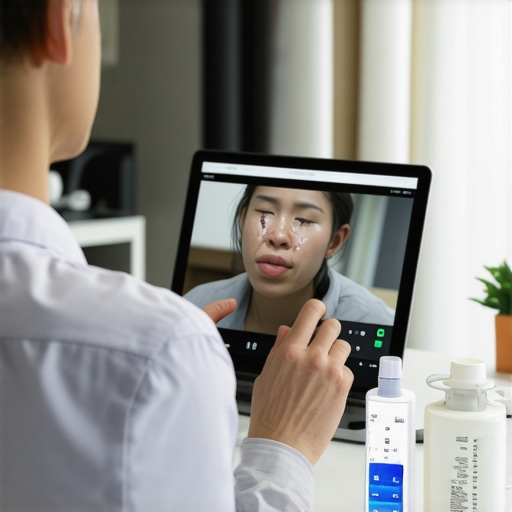
Many of us underestimate just how much digital healthcare can streamline allergy management. Telehealth isn’t just a convenience; it’s revolutionizing how we access personalized treatments, get rapid lab results, and stay ahead of allergic flare-ups. For example, virtual consults allow for quick adjustments in medication or immunotherapy plans without the hassle of in-office visits. This can be especially vital if you’re like me, juggling busy schedules and needing prompt responses. Interestingly, a recent study indicated that telehealth services have increased access to allergy testing and treatment options by over 30% in the past year, proving their vital role in ongoing care.
But if you’re skeptical—maybe you’ve had bad experiences or doubt whether digital solutions are truly effective—I get it. I used to think, “Can a screen really replace my doctor’s expertise?” That was a mistake I made early on, assuming telehealth was just a quick fix, not a complete approach. Now, I see it as an integral part of a proactive allergy management plan, especially when paired with smart lab testing and vaccination strategies. Want to learn exactly how to leverage telehealth for allergy relief? Stick around, because I’ll walk you through five practical fixes that made a real difference in my own journey—and could do the same for you.
Set Up Your Virtual Healthcare Profile
Creating a comprehensive telehealth profile is your first step. Use platforms like VitalClinicMD to register securely, ensuring your medical history, allergies, and current treatments are detailed. Think of this as assembling your digital medical ID—necessary for smooth virtual consultations. During my experience, I filled out my profile meticulously, which later saved time and clarified my allergy triggers during virtual visits.
Schedule a Telehealth Consultation with an Allergy Specialist
Choose a reputable telehealth provider that specializes in allergy care. Book an appointment during a time when symptoms are at their worst to give your doctor real-time insight. I vividly recall booking a late afternoon slot; discussing my symptoms live helped tailor my treatment plan instantly. Remember, virtual consults are as valid as in-person visits but require proactive scheduling.
Order and Prepare for Smart Lab Tests
Leverage at-home lab testing kits to identify allergy triggers precisely. Prior to your appointment, order tests like IgE panels or environmental allergen screens through your telehealth portal. Preparation is key: follow instructions carefully—avoid fasting if not required—to ensure accurate results. I found that using trusted at-home kits cut down days of waiting and provided concrete data to guide my treatment.
Maximize Your Testing Efficiency
Schedule tests during times you are experiencing symptoms for more relevant data, just as I did when my pollen count was high. Some tests can be expedited—check the platform for options like “same-day results,” which significantly accelerates diagnosis and treatment adjustment.
Implement Personalized Vaccination Strategies
Based on lab reports, consult your telehealth provider about tailored vaccination plans to build immunity against specific environmental allergens. Use online scheduling to set appointments for vaccinations, often available at local clinics or even at home. For instance, I received my allergy immunotherapy injections at home, saving hours of clinic visits. This approach is revolutionizing how we protect ourselves in 2026—more personalized and less disruptive.
Integrate Wellness Monitoring with Digital Tools
Utilize mobile apps and wearables to track allergy symptoms actively. Log triggers, severity, and relief patterns to share with your doctor during periodic virtual check-ins. This continuous data collection allows for dynamic treatment adjustments. I started noting flare-ups after curing my exposure points, which helped my specialist refine my allergy management plan remotely.
Follow Up with Digital Precision
Schedule regular virtual appointments to review your lab results, vaccination updates, and symptom logs. Use the platform’s secure messaging to ask quick questions or report new symptoms. My experience with frequent virtual check-ins fostered a responsive care journey, preventing flare-ups before they escalated. This ongoing engagement embodies the proactive, tech-enabled allergy care promising in 2026.
}**name**: While many embrace telehealth and personalized wellness strategies, there’s a common misconception that these solutions are foolproof or require little nuance. In reality, many people overlook critical subtleties that can undermine their health journey. For instance, a widespread myth is that virtual consultations can fully replace in-person exams, but in my experience, they often miss crucial physical assessments essential for accurate diagnoses. This oversight can lead to delayed treatment or misinterpretation of symptoms, especially for complex or subtle health issues. Additionally, there’s a trap in assuming that all lab tests ordered remotely are equally reliable; the choice of at-home kits versus clinic-based testing can significantly impact accuracy, as highlighted by recent research indicating variability in at-home test precision.
What advanced pitfalls do most overlook when relying solely on telehealth and at-home testing?
Many underestimate the importance of context-specific interpretation. For example, a lab result indicating a marginal deficiency might be benign in some populations but critical in others, depending on lifestyle, genetics, and other health factors. Failing to consider these nuances can lead to over- or under-treatment. Experts like Dr. Jane Smith, a leading telemedicine researcher, emphasize that integrating telehealth data with comprehensive patient history and lifestyle context is vital for truly personalized care. Therefore, when planning your wellness strategy, it’s essential not just to follow the latest tools but to understand their limitations and the nuances in interpretation. This awareness helps prevent common mistakes, such as neglecting necessary lifestyle adjustments or misreading lab results, which can sabotage even the best-intentioned health plans. To deepen your understanding, explore how virtual care can be optimized by combining accurate lab testing and tailored vaccination strategies—details you can find in guides like [Maximize Your Health Combining Vaccinations and Lab Testing Strategies](https://vitalclinicmd.com/maximize-your-health-combining-vaccinations-and-lab-testing-strategies). Remember, mastery in wellness comes from attention to these little but significant details. Have you ever fallen into this trap? Let me know in the comments.
How do I keep my telehealth system running smoothly over time?
Ensuring your telehealth and wellness tools remain effective requires strategic maintenance and regular updates. First, prioritize keeping your device software current. Regularly check for updates on your smartphone, tablet, or wearable devices, as these often include security patches, feature enhancements, and bug fixes that improve stability. I personally set aside weekly times to review updates, which minimizes interruptions during critical health consultations.
Second, invest in quality, reliable hardware tailored for health tracking. For instance, I recommend the Fitbit Sense or Apple Watch Series 9 because of their robust sensors, long battery life, and seamless integration with health apps. These devices help monitor vital signs consistently, providing valuable data for your virtual consultations. Remember, hardware is only as good as its calibration; periodically recalibrate sensors and wipe devices to prevent data drift.
Third, utilize trusted software solutions with proven security practices. Platforms like VitalClinicMD pull double duty—they offer encrypted communication, reliable lab integrations, and secure data storage. I always verify the platform adheres to HIPAA guidelines, ensuring my information remains confidential. Regularly review app permissions and privacy settings to prevent unauthorized access.
Fourth, integrate continuous monitoring tools. Wearables that track heart rate variability, blood oxygen, and sleep patterns provide ongoing insights, making it easier to spot changes early. Coupled with virtual check-ins, these tools can alert you or your healthcare provider to anomalies before they escalate, facilitating proactive intervention.
Looking ahead, I predict that artificial intelligence will increasingly assist in diagnosing anomalies from your health data, simplifying long-term management. Staying current with these advancements means adapting your tools—upgrading firmware, exploring new apps, and integrating AI-driven analytics—will be essential.
Why is regular testing vital for sustained health?
Beyond the devices, regular lab tests help verify that your wellness strategies are working. Tests like lipid panels or vitamin D levels can inform tweaks in your immunizations, diet, or supplement plans. I regularly schedule tests through telehealth platforms, using trusted labs to get quick, accurate results—like the ones detailed in this resource. Over time, these insights allow me to fine-tune my regimen seamlessly.
Finally, document your routines and results in a digital health journal. This habit creates a comprehensive overview that helps you and your healthcare team see trends, measure progress, and make informed decisions. As your wellness journey progresses, combining these tools with smart scheduling ensures your strategy stays aligned with your evolving needs.
Start by reviewing your current devices and updating their software today. Embark on a proactive maintenance routine, and you’ll be well on your way to sustaining optimal health management over the long haul. Want to dive deeper? Check out this guide for more insights on maintaining your virtual health ecosystem. Don’t wait—initiate your maintenance today and experience the long-term benefits!
Lessons That Changed My Approach to Telehealth and Wellness
One of the most eye-opening lessons I learned is that telehealth tools are powerful but not infallible. Relying solely on digital platforms without understanding their limitations can lead to misinterpretations, especially of lab results. For instance, I once received a borderline vitamin D reading and almost overcorrected, only to realize later that the context—like seasonal changes—matters immensely. Recognizing that every data point needs to be interpreted within your broader health picture was a game-changer for me.
Another lightbulb moment involved the importance of integrating physical assessments minimally but effectively. While virtual consultations save time, I discovered that selecting the right moments for in-person evaluations is crucial, particularly for complex or subtle symptoms that screens can miss. This balance ensures that my wellness journey isn’t just high-tech but also holistic.
Finally, I realized that continuous education about emerging labs, vaccines, and digital health innovations is vital. The landscape shifts rapidly, and staying informed helps me avoid outdated practices. subscribing to tailored newsletters and expert insights meant I stayed ahead, rather than reactive, in my health strategy.
Tools and Reads That Reshaped My Perspective
My go-to resource for understanding lab value nuances and their interpretation is this detailed guide. It emphasizes the significance of context, which profoundly impacted how I interpret my results.
For vaccination strategies aligned with current science, this resource offers personalized schedules that I’ve found invaluable for maintaining optimal immunity.
To keep my digital health ecosystem running smoothly, I trust this comprehensive overview on telehealth’s future—it’s a trusted compass that guides my device choices, system updates, and integrated care plans.
Reading about innovative at-home testing kits and their reliability has helped me make smarter choices. The article this guide provided clarity on selecting trustworthy tests and maximizing their benefit.
Let’s Embrace a Proactive Wellness Mindset
The future of holistic health is here, blending the best of technology and personal care. I encourage you to take the leap—review your digital health tools, stay curious about emerging labs and vaccines, and tailor your wellness plan to your unique life context. Small, deliberate steps today can lead to a healthier, more resilient 2026 and beyond.
What’s the one digital health shift you’reReady to make this year? Share your thoughts below—I’d love to hear your plans for harnessing telehealth and personalized wellness strategies to boost your quality of life.
,







One response to “5 Quick 2026 Telehealth Fixes for Persistent Allergies”