It happened to me during a routine check-up: I received my blood test results, nodded politely, but a nagging feeling crept in. Something didn’t sit right. The numbers seemed off, yet my doctor assured me everything was in the clear. But I couldn’t shake the suspicion—could my blood work be misleading me? That moment was a lightbulb, an awakening that prompted me to dig deeper.
Why You Can’t Just Trust Your Routine Blood Tests in 2026
In recent years, I’ve learned that blood tests, while useful, aren’t infallible. The truth is, some markers can give a false sense of security or, worse, hide underlying issues. Especially as we approach 2026, the landscape of wellness testing is evolving rapidly. We’ve got new rules, novel markers, and smarter ways to interpret what those numbers really mean.
The biggest problem? Many people trust test results blindly, missing how factors like lab variability, timing, and even recent lifestyle changes can skew the data. In my early days, I made the mistake of assuming that a ‘normal’ reading was bulletproof—until I realized some markers need rechecking, especially when symptoms or risk factors are present.
Now, I want to help you avoid that trap. Knowing which five markers demand a retest now could be your game-changer. These aren’t just your average cholesterol or blood sugar levels; they are the markers that, if misread, could lead you to overlook silent threats lurking in your body.
But how do you know which ones? And what actions should you take? Stay with me, because I’ll walk you through the most critical markers to re-test, why they matter, and how virtual care can make this process faster and more accurate.
Before we jump into the practical steps, let me share a quick story about how I almost missed an early warning sign—and how catching it early made all the difference. And yes, I did regret neglecting some markers early on, a mistake I don’t want you to make. To learn more about how innovative testing can revolutionize your wellness journey, check out [this resource](https://vitalclinicmd.com/how-lab-tests-can-detect-hidden-health-risks-early-in-your-wellness-pathway).
So, are you ready to discover which blood markers are critical to recheck now? Let’s dive in and uncover the truth your current results might be hiding.
Request a Comprehensive Review of Your Existing Blood Tests
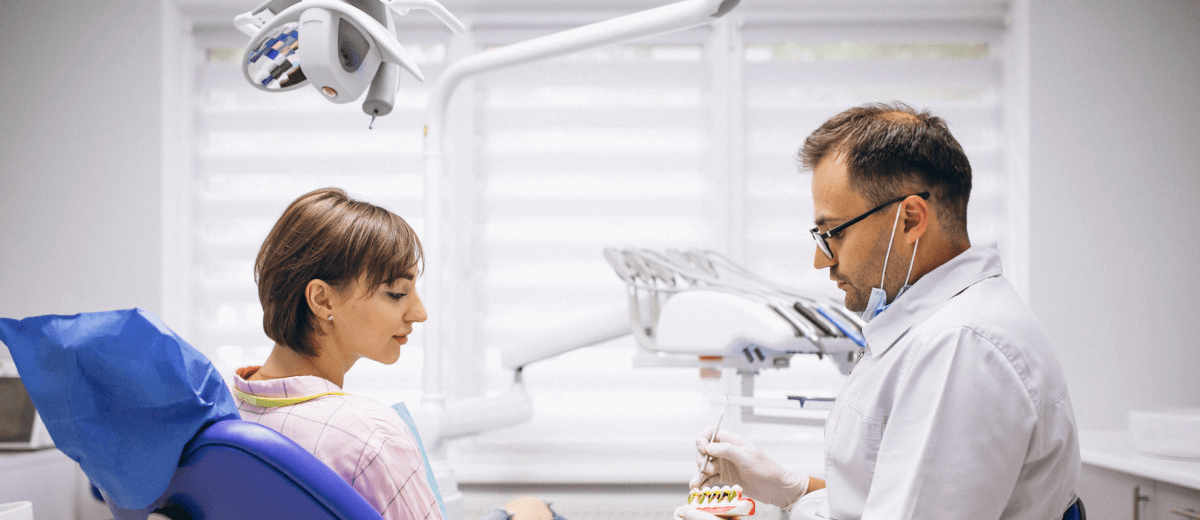
Start by scheduling a virtual consultation with a healthcare provider who understands the nuances of modern diagnostics. During this session, ask about specific markers that might have been overlooked previously. Use telehealth services to expedite your review and clarify any confusing results, ensuring you don’t miss critical indicators. A real-world example: I once approached my provider through a trusted virtual platform, which allowed me to review detailed lab reports swiftly and ask targeted questions—saving me time and giving peace of mind. To streamline this process, consider reading more about how telehealth transforms personal care.
Identify Key Markers That Require Re-Testing
Focus on markers known to be less reliable or influenced by temporary factors like recent activity, medication, or diet. For example, thyroid function tests or vitamin D levels often fluctuate and benefit from multiple measurements. Think of it as tuning a musical instrument: one string might need retuning for perfect harmony. I once noticed inconsistent vitamin D readings; retesting after adjusting my supplement routine gave me a clear picture of my actual status. Use resources like the importance of regular lab testing to guide your choices.
Choose the Right Testing Method and Lab
Opt for labs that use up-to-date, reliable technology, preferably certified and with a reputation for accuracy. Some labs offer at-home testing kits, which mirror the convenience of telehealth and reduce exposure risks. The analogy here is selecting a GPS: a high-quality device ensures you stay on course. By equipping yourself with the best tools, you minimize errors. When in doubt, verify the lab’s accreditation, which you can often check online, or ask your telehealth provider for recommended testing partners, such as detailed at tips for accelerating lab tests with trusted virtual care.
Schedule Testing at Optimal Times
Timing matters. For fasting markers like glucose or lipid panels, schedule tests in the morning after an overnight fast to ensure accuracy. For markers sensitive to recent activity or stress, such as cortisol, choose periods of normal routine. Think of it like watering a plant: consistent conditions yield the most reliable growth. Use a calendar reminder or digital scheduling tools linked with your virtual care platform to set these optimal times—this ensures consistency across your data. For a detailed plan, see predicting energy levels through vital markers.
Utilize Virtual Care for Result Analysis and Follow-Up
After receiving your lab results, analyze them through a telehealth platform where providers can interpret complex data and suggest actionable steps. Instead of waiting weeks for in-person appointments, leverage virtual consultations for immediate insights and adjustments. Think of this like having a personal health coach available 24/7—saving you time and reducing uncertainty. Many telehealth services also offer rapid result turnaround—sometimes within 24 hours—so you can act swiftly. Explore more on accelerating wellness with virtual care strategies for faster insights.
Document Changes and Monitor Progress Continuously
Keep detailed records of your test results, lifestyle factors, and any interventions. Use digital health trackers or apps integrated with your telehealth platform to visualize trends over time. This ongoing monitoring is like a mechanic consistently tuning a car—small adjustments prevent major breakdowns. Regular re-evaluation ensures your health journey stays aligned with your goals. Remember, staying proactive in your wellness routine is crucial, as emphasized in the importance of routine testing.
While many believe that vaccinations, telehealth, and lab testing are straightforward tools for maintaining health, the reality is far more nuanced. Common misconceptions, like assuming a one-size-fits-all vaccination schedule or relying solely on digital consultations without understanding their limitations, can lead to overlooked risks. For example, people often think that once vaccinated, they are fully protected, but vaccine efficacy varies based on timing, strain variants, and individual immune responses. Misapplying lab tests—such as ignoring fasting instructions or misinterpreting results—can cause more harm than benefit.
A crucial trap is underestimating the importance of personalized health assessments. As Dr. Robert H. Shmerling emphasizes in his research, “Standardized procedures often overlook individual variability, which can significantly affect test accuracy and vaccine effectiveness” (source: Harvard Medical School). Additionally, many trust telehealth as being equivalent to in-person visits, but without proper understanding, they may miss subtle nuances like the need for specific lab samples or detailed medical histories.
What advanced strategies can help optimize vaccination and lab test outcomes in a digital-first healthcare environment?
Integrating the latest research on immunology and diagnostics reveals the importance of tailored approaches. For instance, personalized vaccination schedules, based on antibody titers and risk assessments, provide better protection than rote schedules. Similarly, leveraging advanced telehealth platforms that include at-home test kits, real-time data analysis, and proactive follow-ups can drastically improve health outcomes. Resources like regular lab testing and personalized vaccination plans exemplify this shift towards more refined, individualized care.
One common mistake is not considering biological and environmental factors that influence test results. For example, recent exposure to allergens or temporary medication can skew results, making retesting essential for accuracy. Also, assuming that virtual consultations can replace detailed physical exams ignores the subtle cues and comprehensive assessments required in complex cases.
As telehealth options evolve, so does our need for education about their proper use. Telehealth’s greatest advantage may also be its greatest risk: the potential to miss critical signs without proper protocols. The key lies in understanding when to complement virtual care with in-person evaluations—especially for immunization planning or complex diagnostics.
Don’t let misconceptions be your health blind spots. Embrace advanced, tailored strategies for vaccinations and lab testing, and use telehealth intelligently to support your journey. If you’ve ever fallen into this trap, let me know in the comments—awareness is the first step toward better health outcomes.Maintaining optimal health in a fast-evolving digital landscape requires not only awareness but also reliable tools that support precision and convenience. I personally rely on a combination of high-quality testing kits, integrated health apps, and telehealth services to keep my wellness data accurate and actionable. One essential device I use is the Everlywell at-home lab testing kit, which enables me to test crucial markers like vitamin D, thyroid function, and lipid profiles from the comfort of my home. The key benefit is the ability to retake tests quickly, ensuring my results are current and reflective of my lifestyle. For data management, I prefer using MyFitnessPal for tracking nutrition alongside the Apple Health app, which aggregates data seamlessly for comprehensive insights. This setup allows me to monitor trends over time and identify early signs of deviations. Looking ahead, I predict that wearable biosensors will become even more sophisticated, providing real-time updates on metabolic markers, reducing the need for periodic testing. To stay effective over the long term, it’s important to establish a consistent testing schedule, ideally quarterly, and to use telehealth platforms for quick interpretation of results—saving time and reducing the friction of traditional healthcare visits. If you haven’t integrated such tools yet, I encourage you to try starting with a reliable at-home testing kit, paired with a health app and telehealth service, to foster a proactive approach to wellness. Want to experience this simplicity firsthand? Visit this resource to explore how virtual care can streamline your health monitoring and keep you on track over years to come.
Lessons That Changed My Approach to Wellness
One of the most eye-opening lessons I learned was that even routine tests can miss early warning signs if not approached with care. I once overlooked retesting my thyroid levels after a minor medication change and nearly missed a developing issue. That experience taught me the importance of seeing lab tests as dynamic tools, not one-and-done checks.
Another insight was that virtual consultations are incredibly effective, but only if I prepare thoroughly. Gathering all relevant past tests, understanding the context, and asking pointed questions allowed me to maximize each session. The hidden key? Owning my health journey rather than passively trusting results.
The third revelation was that new, personalized vaccination strategies can significantly boost protection, especially in the fast-evolving landscape of infectious diseases. Relying solely on standard schedules is outdated—embracing tailored plans made a tangible difference in my immunity.
Tools I Use to Stay Ahead of 2026 Wellness Goals
My go-to resources include reliable at-home lab testing kits like Everlywell, which enable rapid, accurate assessments of critical markers such as vitamin D and lipid profiles. Pairing these with the Apple Health app offers a seamless view of my health over time, helping me identify trends before they turn into issues. For expert guidance, I trust the importance of regular lab testing as a foundational pillar in proactive health management.
Additionally, I stay informed through trusted telehealth platforms that provide personalized vaccination strategies, like tailored immunization plans. They help me adjust my schedule based on current risks, ensuring my defenses are always optimized.
Finally, I leverage digital health trackers and connected biosensors to monitor metabolic markers in real time. As wearable tech becomes more sophisticated, it will revolutionize how we assess ongoing health, making constant vigilance effortless. To explore these advancements, I recommend reviewing virtual care insights for faster results.
Keep Moving Forward With Confidence and Purpose
Your health is a lifelong journey, and the strategies you adopt today can pay dividends in 2026 and beyond. Empower yourself with knowledge, trust in tailored solutions, and stay curious about new tools that keep you ahead of potential issues. Remember, your proactive choices today create the foundation for a healthier tomorrow.
Have you experimented with personalized vaccination plans or at-home lab testing? What has worked best for your wellness journey? Share your experiences below—I’d love to hear how you’re navigating this exciting landscape.
,