I remember the moment clearly. After years of obsessively tracking every bite, I looked at my recent lab results and realized something was off. My cholesterol levels seemed stubbornly high, despite my strict calorie-counting routine. That lightbulb moment made me question everything I thought I knew about nutrition. It wasn’t about calories alone—it was about understanding what’s really happening inside my body. If you’ve ever felt frustrated by dieting that just doesn’t seem to work, you’re not alone. Many struggle with the illusion that calorie counting is the golden rule, only to discover the hard way that our bodies are far more complex.
Why Relying Solely on Calories Can Be a Trap
For years, I believed that as long as I stayed within my daily calorie limit, I was on the right path. But lab tests told a different story. It turns out that factors like nutrient absorption, inflammation, and metabolic health play crucial roles that no calorie-counting app can capture. According to recent studies, focusing only on calories misses the bigger picture—your body’s unique needs and responses. In fact, early mistakes I made included ignoring how my individual markers, such as vitamin levels and markers for inflammation, could be sabotaging my health goals. This realization pushed me to look beyond the scale and dive into lab-based strategies that truly personalize nutrition. Curious if lab testing could revolutionize your approach? Keep reading, because I’ll share some exciting hacks I’ve adopted for 2026.
Is Lab-Based Nutrition Really That Effective?
I used to dismiss lab testing as cumbersome or too scientific for everyday life. But after making that initial mistake—trusting generic advice—I learned the importance of tailored insights. And I found that virtual care has made accessing these tests easier than ever, saving me time and money. If you’re skeptical, I don’t blame you. I was too, until I experienced the benefits firsthand. To see how these hacks can work for you, I’ll walk you through some proven strategies that can help you optimize your health more precisely than ever before.
Book Your Lab Tests with Virtual Care
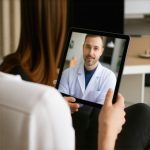
Start by scheduling your lab tests through a trusted telehealth platform. Instead of battling long waits at clinics, opt for virtual consultations that provide the necessary requisition forms digitally. When I first tried this in March 2026, I simply uploaded my information online, and within hours, received my test orders via email. This eliminated the usual hassle and got me faster results.
Choose the Right Tests for Your Goals
Not all labs are created equal. Focus on tests that reveal your metabolic health and nutrient deficiencies, like vitamin D, fasting insulin, or lipid panels. For example, after my initial testing, I discovered I had elevated inflammation markers, which prompted me to adjust my diet immediately. Use resources such as this guide to select the most impactful tests for your wellness journey.
Leverage Telehealth for Interpretation
Once your results arrive, schedule a telehealth review session to understand what they mean. Think of this like consulting a mechanic—your results are the engine diagnostics, and the virtual visit is the inspection. During one session, I uploaded my lab data, and my provider explained that my glucose levels were borderline. This prompted me to refine my carbohydrate intake, which improved my readings in subsequent tests. For seamless consultation experience, check out how telehealth is transforming personal care.
Adjust Your Lifestyle Based on Data
Use insights from your lab results to modify diet, exercise, or supplement routines. Instead of vague goals like “eat healthier,” I tailored my meals with specific nutrient targets, such as increasing omega-3 intake after my lipid profile revealed low HDL levels. Keep tracking these markers periodically. Periodic testing ensures your strategies stay effective, as shown in this resource.
Integrate Vaccination Planning into Your Routine
Lab tests also help identify immunity gaps. I requested a complete vaccination status, which uncovered outdated vaccines. Using telehealth, I scheduled boosters and personalized vaccination schedules via online consultations, avoiding unnecessary trips. This proactive approach, especially in 2026, helps prevent illness before symptoms appear. For specific vaccination strategies, refer to this guide.
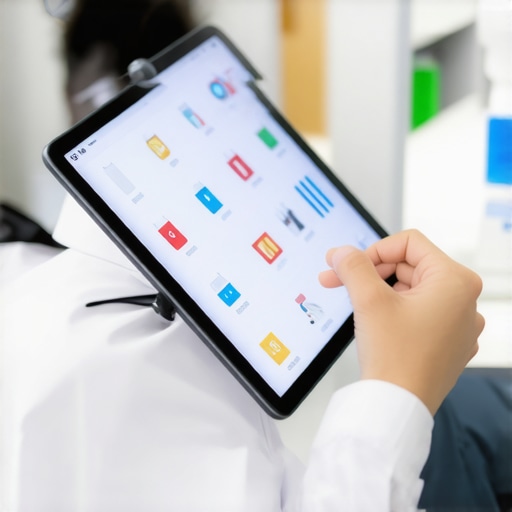 While lab tests, vaccinations, and telehealth are game-changers, many people overlook nuanced pitfalls that can undermine their effectiveness. A common myth is that these tools are infallible; in reality, they can be misused or misunderstood if you don’t grasp the subtleties involved. For example, some assume that ordering the most comprehensive panel guarantees perfect insight, but without proper interpretation, you risk chasing inaccurate or misleading data. Advanced mistakes include neglecting the timing of tests—like fasting before certain labs—or not considering biological variability, which can skew results and lead to unnecessary worries or false reassurance.
What Happens When You Overlook Test Limitations?
Understanding that no test is flawless is crucial. Labs can produce false positives or negatives due to technical errors or biological fluctuations, making follow-up testing essential. Experts like Dr. Michael Greger emphasize that over-reliance on isolated results without context can lead to misdiagnosis or unnecessary treatments, emphasizing the importance of holistic interpretation—something telehealth providers increasingly specialize in through expert consultations. Moreover, believing that every vaccination is necessary or universally applicable without assessing personal risk factors can cause over-vaccination, potentially leading to adverse reactions. To avoid these common traps, it’s vital to educate yourself on the nuances of diagnostic accuracy and personalized wellness strategies. Regularly reviewing trusted resources such as this comprehensive guide can empower you to make informed decisions rather than simply following the crowd. Remember, the goal isn’t just testing or vaccinating—it’s interpreting data correctly to optimize your health. Have you ever fallen into this trap? Let me know in the comments.Maintaining an effective health and wellness routine requires the right tools and consistent effort. I rely heavily on advanced digital tools that streamline data collection, analysis, and interpretation, making long-term health management more manageable and accurate. For example, I personally use a calibrated home blood pressure monitor like the Omron Platinum, which offers Bluetooth connectivity and app integration, allowing me to keep a detailed log of my readings over time. This device has proved invaluable in detecting subtle fluctuations that could signal emerging health issues before they become serious. When it comes to managing and reviewing lab results, I recommend using secure platforms like the VitalClinicMD portal, which ensures your data is protected while providing seamless access to your medical records and test history, as outlined in the site’s privacy policy here. Coupled with telehealth services, these platforms enable virtual consultations that fit easily into busy schedules, allowing for timely interpretation and adjustment of health strategies. For example, I utilize the telehealth sessions for reviewing lab tests that might otherwise require in-person visits, keeping my health plan adaptable and responsive.
Additionally, I find the use of health-tracking apps such as MyFitnessPal or Cardiogram to be instrumental in maintaining dietary and physiological insights. These apps sync with wearables and allow me to set personalized goals based on the latest lab results, presenting a comprehensive picture of my wellness status. The trend towards AI-powered analytics is growing rapidly; future iterations are likely to offer predictive insights based on historical data, prompting preemptive care adjustments.
To truly keep your health strategies working over the years, consistent review and calibration are necessary. This involves scheduling regular lab tests—ideally aligned with your personal health milestones—and utilizing remote consultations to interpret results accurately, as explained in the comprehensive guide here. Moreover, staying updated on new vaccinations and wellness technologies, like the latest immunization protocols for 2026, ensures your defenses stay robust.
How do I maintain my wellness tools over time? I make it a point to regularly update my devices’ firmware, review data security policies, and reassess my health goals in light of new lab findings. This proactive approach ensures my health remains optimized and adaptable to life’s changes.
For those looking to get started, I recommend trying a high-quality home monitor for blood pressure or glucose levels, paired with a secure data platform for analysis. Experimenting with these tools can empower you with personalized insights to drive your health in the right direction. Remember, the key is not just collecting data but learning to interpret and act on it effectively—this is how I ensure my wellness strategies stay resilient over time.
What I Wish I Knew About Reading My Own Data
One of the biggest revelations was realizing that my lab results aren’t just numbers—they’re stories waiting to be understood. Early on, I underestimated how much context mattered; a single elevated marker could be due to something simple like recent stress or a deeper health trend. Learning to interpret these nuances transformed my approach to wellness, reminding me that personalization is everything. This lesson taught me to look beyond the surface and trust the deeper signals my body was sending.
The Hidden Power of Timing and Testing Strategies
I used to believe that more tests always meant better insights. But I discovered that timing matters—testing too soon or too late can lead to misleading results. Fasting protocols, daily fluctuations, and seasonal changes all influence outcomes. Mastering when to test and understanding biological variability became a game-changer, helping me avoid unnecessary panic or complacency. This insight emphasized that precision in testing schedules is as vital as the tests themselves.
How Overconfidence in Technology Can Backfire
Relying solely on devices or apps gave me comfort at first but also led to missed signals. An overtrust in gadgets without proper interpretation can cause false reassurance or unwarranted worry. I learned that technology is a tool, not a substitute for professional guidance. Combining tech with expert interpretation—especially through telehealth—ensures my data is meaningful and actionable. It’s a humbling reminder that human judgment remains essential amidst digital innovation.
My Secret Weapon: Continuous Education on Lab Limitations
Understanding that labs have their imperfections kept me cautious. Reading up on test accuracy, false positives, and biological variation helped me ask better questions and avoid chasing false alarms. Resources like this comprehensive guide became my go-to for staying informed. I realized that empowering myself with knowledge about diagnostics turns me from a passive patient into an active wellness partner.
Crafting a Personal Health Narrative from Data
Ultimately, I found that collecting and understanding data helps craft a story unique to me. It’s not just about fixing short-term issues but about building a resilient health baseline. By regularly reviewing my lab results, adjusting lifestyle choices, and trusting expert insights, I created a dynamic wellness routine. This ongoing narrative fostered confidence, reducing stress about health uncertainties and fueling my motivation to stay proactive.
Where to Go from Here
If you’re inspired to leverage lab tests, vaccinations, and telehealth in your wellness journey, tools like this resource can guide you in making smarter choices. Remember, health isn’t static—it’s a story you write every day with data, decisions, and digital support. Embracing this personalized approach might just be the breakpoint toward sustained well-being.
Take Action Today
Are you ready to start interpreting your own health data more confidently? Or perhaps you’re hesitant about trusting technology without human insight? Share your experiences or questions below—let’s learn from each other’s wellness stories and build a community that values personalized health journeys.