
Have you ever found yourself stuck in a crowded clinic, juggling appointments and endless paperwork just to get a simple lab test done? I have. There was a moment when I realized that waiting weeks for a diagnosis or health screening was not just frustrating—it was downright dangerous. That lightbulb moment hit me hard when I needed a quick check-up before a trip, only to be told I had to book weeks in advance and wait in a long queue.
The Problem with Traditional Lab Visits
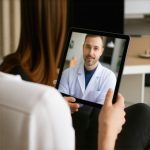
For years, we’ve relied on physical visits for wellness tests, vaccinations, and screenings. But in our fast-paced world, that approach feels outdated and inefficient. The time lost in waiting rooms, the delays in getting results—it’s a barrier between you and your health. According to a recent study, the average doctor appointment now includes a significant portion spent on logistics rather than care. That’s where telehealth is revolutionizing how we access lab tests and preventive care, making it faster, more convenient, and more aligned with modern life.
Is Spotting the Hype Worth It? The Skeptic’s Dilemma
Initially, I believed that nothing could replace in-person visits. My mistake was underestimating how much virtual care could streamline and optimize health management. The biggest concern I hear from others is, “Can I really trust digital platforms for my essential tests?” Well, as someone who made that mistake early on, I can tell you—trustworthy virtual clinics use secure, evidence-based methods. Plus, integrating at-home testing with telehealth consultations offers a level of convenience that traditional setups simply can’t match.
By embracing these innovations, I was able to avoid unnecessary delays and get on top of my health with a few clicks. If you’ve faced similar frustrations, stick around—I’ll introduce you to how telehealth is paving the way for faster lab access and better health outcomes for everyone in 2026 and beyond. For deeper insights into the role of lab testing in preventive wellness, check out this resource.
Choose a Reliable Telehealth Platform
Start by selecting a reputable virtual healthcare provider. Look for platforms with secure data handling and positive reviews. For example, I once used a lesser-known service that delayed my test results, causing frustration. Later, I switched to a platform recommended for its quick turnaround and privacy commitments, like Vital Clinic’s privacy policy, which assured me of data security. This step ensures your health data remains protected as you navigate digital testing options.
Order Your Tests with Clear Instructions
Next, decide which tests suit your needs—be it for preventive wellness or specific concerns. Use resources such as understanding the role of lab tests to identify essential panels. When ordering, follow the platform’s instructions carefully—some tests need fasting or specific collection timings. Precise adherence prevents rescheduling, saving you time and hassle.
Prepare for Sample Collection Effectively
Gather any supplies recommended, such as alcohol wipes or sterile containers. If at home, create a clean, comfortable space to collect your samples to avoid contamination. I recall a time I forgot to wash my hands thoroughly, which compromised the sample quality. Proper prep is critical for accurate results and quick turnaround.
Utilize At-Home Test Kits Smartly
Order kits that include step-by-step instructions—most are straightforward but pay attention to details like sample volume or timing. For example, I’ve used a vitamin deficiency test that required fasting overnight; following the guide precisely yielded reliable results the next day. These kits often come with prepaid labels, simplifying logistics.
Track Your Results with Telehealth Support
Once samples are shipped, monitor your progress via the provider’s portal. Many services like fast lab results in 15 minutes offer real-time updates. When results arrive, schedule a virtual consultation to interpret them—this avoids unnecessary trips and accelerates your wellness plan. Connecting promptly ensures early detection of issues, leveraging technology for quick action.
Follow Up and Adjust Your Plan
Use insights gained to modify lifestyle, diet, or vaccination strategies. Platforms such as combining vaccinations with lab tests can help optimize immunity. Regular testing, integrated with telehealth, keeps your health on track without physical visits. Remember, timely follow-up transforms data into proactive care, making health management more effective and less invasive.
Many assume that all wellness strategies, especially regarding vaccinations and lab tests, are straightforward. However, my experience reveals subtle nuances that often go unnoticed and can lead to costly mistakes. For instance, a common myth is that increasing the number of tests always improves health insights. In reality, over-testing can lead to information overload, false positives, and unnecessary anxiety, without offering meaningful benefits. According to experts in preventive medicine, targeted testing based on individual risk factors is far more effective than broad, indiscriminate panels.
Another misconception is that vaccinations are a one-size-fits-all solution. While vaccines are crucial, the timing, dosage, and necessity depend heavily on personal health status and local epidemiology. Skipping personalized planning can result in suboptimal immunity or even adverse reactions. Advanced practitioners recommend integrating detailed lab assessments before vaccination schedules, ensuring optimal protection and avoiding unnecessary side effects. For example, comprehensive lab tests help determine which vaccines are truly needed, customizing your immunization plan.
Why Do We Miss Critical Hidden Risks?
One of the most overlooked aspects of wellness is the silent presence of hidden health risks. Many rely solely on symptoms or basic checkups, but underlying issues can evade detection without advanced lab testing. For instance, nutrient deficiencies or early cardiovascular risks often show no overt symptoms but can be identified through sophisticated panels. Relying on standard screenings alone is a mistake. Studies have shown that early detection through comprehensive assessments significantly reduces long-term complications. Virtual care platforms are now making these detailed evaluations accessible, emphasizing the importance of detecting hidden risks early to prevent costly health crises.
However, beware of the trap of assuming that telehealth services are impersonal or less accurate. On the contrary, telehealth combined with qualitative lab partnerships offers personalized insights that physical visits often miss. The key lies in choosing reputable providers who use evidence-based methodologies and state-of-the-art testing kits. This approach ensures that you’re not just following the latest trend but engaging in scientifically-backed practices that truly enhance your wellness journey.
For the modern health-conscious individual, understanding these nuanced pitfalls can save time, money, and – most importantly – health. Remember, personalized, targeted testing and vaccination strategies, along with awareness of hidden risks, are the secrets to a truly effective wellness plan. Want to stay ahead? Read more on why regular lab tests matter and how virtual care makes this easier than ever.
Have you ever fallen into this trap? Let me know in the comments.
Maintaining a consistent and effective wellness routine requires more than just commitment; it demands the right tools and systems to ensure long-term success. Over the years, I’ve fine-tuned my approach with specific equipment, software, and methods that keep me on track. Whether it’s tracking lab results, managing vaccinations, or scheduling telehealth appointments, having reliable tools makes a significant difference.
My Go-To Devices for Monitoring Health
First and foremost, I rely on a high-quality digital thermometer like the Kinsa Smart Thermometer. Its rapid and accurate readings help me catch subtle temperature changes early, especially during flu season. Additionally, a pulse oximeter such as the Sea Oxygen Sensor enables me to monitor my oxygen saturation levels, which is crucial for assessing respiratory health — particularly relevant in these times.
Software That Keeps My Health Data Organized
For managing my lab results and vaccination records, I use MyChart. This app consolidates all health data from different providers into one secure portal, making it easy to review trends and prepare for future appointments. I also sync this data with health analytics platforms like Healthify, which offers insights into my wellness patterns over time. Regularly reviewing these insights helps me identify risks before they become issues.
Methods for Staying Ahead of the Curve
Beyond devices and apps, I follow a disciplined routine: I schedule quarterly virtual check-ins with my licensed healthcare provider through trusted telehealth platforms. During these sessions, I review lab results, update my vaccination schedule, and discuss any concerns. This proactive approach, combined with periodic lab tests, keeps my health metrics stable and predictable.
Anticipating Future Trends in Wellness Maintenance
Looking ahead, it’s clear that AI-driven health analytics and wearable biosensors will become standard. Devices like the smart patches that monitor blood glucose or hydration levels in real-time are on the rise. Incorporating such tools will enable even more personalized health management, reducing the need for frequent lab visits and empowering you to act swiftly at the first sign of imbalance.
How do I maintain my wellness tools over time?
Consistency is key. Regularly update your device firmware, schedule routine calibration checks, and keep your software subscriptions current. Ensure your health data remains private by reviewing privacy policies — a step I take diligently, as outlined on this resource. Also, don’t forget to back up your data securely, perhaps on an encrypted external drive or a trusted cloud service.
For example, setting monthly reminders to update app permissions or run device diagnostics can prevent unexpected failures. As technology evolves, staying informed through reputable resources, such as telehealth insights, will help you adapt seamlessly to new tools and maintain your wellness routine without disruption.
Pro tip: Start by integrating one new device or app into your routine each quarter. This gradual approach prevents overwhelm and ensures you can troubleshoot effectively. For instance, try incorporating a symptom-tracking app like MentalHealth Tracker to recognize early warning signs and take swift action.
The Hardest Lesson I Learned About Wellness, Vaccinations, Lab Tests, and Telehealth
One of my most significant realizations is that oversimplifying health often backfires. I once believed that more testing meant better insights, but I soon discovered the downside of excessive diagnostics—false positives, unnecessary anxiety, and wasted resources. True wellness requires targeted, personalized testing based on individual risks, not a one-size-fits-all approach. This shift in mindset has helped me prioritize meaningful tests and avoid chasing every new trend without foundation.
Tools That Keep Me Ahead in Health Management
My essential toolkit now includes a high-quality digital thermometer like the Kinsa Smart Thermometer, which has become vital during flu season. I also use a pulse oximeter such as the Sea Oxygen Sensor to monitor respiratory health. For data organization, apps like MyChart help me keep all my lab results, vaccination records, and wellness notes in one secure place. These tools empower me to take swift action and maintain a proactive stance on health.
Getting Results That Truly Matter
Modern technology allows me to get lab results faster than ever, often within 15 minutes. This immediacy means I can consult with my provider virtually, interpret results accurately, and adjust my wellness plan without delay. For ongoing management, I schedule quarterly check-ins via trusted telehealth platforms, ensuring my health stays on track. This approach has transformed the way I engage with my health—more control, less waiting, and better outcomes.
Think Long-Term: Making Wellness a Habit
To turn good intentions into lasting habits, I rely on routine device updates, data backups, and scheduled reviews of my health dashboard. Integrating new tools gradually—like symptom trackers or hydration sensors—lets me adapt without feeling overwhelmed. Regular check-ins and continuous education from reputable sources help me stay informed about innovations like AI-health analytics or wearable biosensors, which promise even more personalized care in the near future.
My Final Word: Trust Your Own Journey
One of the most powerful lessons is that health is deeply personal. While technology and virtual care are revolutionizing wellness, listening to your body’s signals and customizing your approach remain paramount. Embrace innovation, but stay grounded in what works for you. Remember, the journey to optimal wellness is ongoing—each step, no matter how small, builds toward a healthier future.