
One morning, I woke up feeling more exhausted than usual, as if I had been running on empty for weeks. I struggled to get through my daily tasks, and a strange sense of fatigue crept into my bones. That’s when I realized something crucial: I might not be taking enough care of my health, especially when it comes to understanding what my body truly needs.
If you’ve ever felt like you’re running on fumes without a clear reason why, you’re not alone. This persistent drain can often hide underlying issues, and ignoring it can lead to more serious health problems down the road. The good news is, with the right lab tests, we can uncover hidden risks before they turn into crises. In 2026, staying proactive about your wellness might require a quick, informed peek into your body’s inner workings.
Why Your Next Wellness Step Should Be Lab Testing
Over the years, I’ve learned that health isn’t just about avoiding illness—it’s about catching potential issues early. Think of lab tests as your body’s diagnostic check engine light. They can reveal deficiencies, inflammation, hormonal imbalances, and other silent warning signs that you wouldn’t notice otherwise.
In fact, according to recent studies, early detection through targeted testing can significantly improve treatment outcomes and even extend your lifespan. And with advancements in telehealth, accessing these crucial insights has never been easier or faster. Instead of waiting for symptoms to become unmanageable, proactive testing ensures you’re addressing issues when they’re still manageable.
Is it worth investing in these tests when you feel fine?
That was my biggest skepticism at first. I thought, “If I feel okay, why bother?” But I learned the hard way—early signs are often subtle, and by the time symptoms appear, damage might already be done. I made the mistake of neglecting routine testing until it was inconvenient or costly. Now, I understand that prioritizing prevention with personalized lab assessments can save you time, stress, and money in the long run. To learn more about how lab tests fit into a broader wellness strategy, check out the role of lab tests in preventive wellness.
So, if you’re tired of feeling drained without a clear reason, it’s time to consider the tests that can illuminate your health status. Up next, I’ll guide you through the essential lab tests to request in 2026 and how they can empower you to take control of your well-being.
Schedule Your Lab Tests with Precision
Begin by identifying the specific tests that reveal your hidden health risks. Think of lab testing as tuning your car’s engine: without it, you’re driving blind. I recommend opting for at-home testing kits first, which are easier and faster to administer. When I tried this approach, I ordered a comprehensive panel for inflammation, hormonal balance, and vitamin deficiencies through a trusted telehealth platform. This method minimizes the time spent in clinics and maximizes your convenience.
Ensure that your tests are personalized to your age and lifestyle. For example, if you’re over 40, consider tests for biological age markers and cardiovascular risks. Visit this guide to understand the significance of different tests and how they fit into your wellness plan.
Leverage Telehealth for Fast Results
Sync Tests with Virtual Consultations
Once you’ve ordered your tests, connect with a telehealth provider to discuss your health goals and interpret the results. Think of telehealth as a smart GPS system guiding you through unfamiliar terrain; it accelerates your journey and avoids dead ends. During my last testing cycle, I used a virtual consultation to review my results within 24 hours, which saved me steering through endless emails or waiting rooms.
Use platforms that offer same-day or next-day results, and request in-depth explanations to understand what each marker means for your long-term health. This step ensures you’re not just collecting data but actively transforming it into actionable insights.
Integrate Personalized Vaccinations
Simultaneously, consider updating your vaccination schedule based on your health profile and travel plans. Think of vaccinations as a shield protecting you from unseen threats, especially in a world where pathogens evolve rapidly. Consult resources like personalized vaccination schedules to tailor protections specific to your needs. For me, scheduling a flu shot and certain travel vaccines early ensured I was prepared for upcoming trips without last-minute stress.
Use telehealth to verify these vaccinations and receive reminders, which prevents gaps in your defenses and keeps your immunity robust.
Prioritize Consistency and Monitoring
Set a routine for retesting every 6 to 12 months, adjusting as needed. Use digital tools to track your biomarkers over time, much like keeping notes in a health journal. Regular monitoring allows early detection of shifts in your wellbeing before symptoms emerge, aligning with the principle that proactive care yields long-term benefits.
Remember, combining lab testing, vaccinations, and telehealth is a dynamic process. It requires active management but offers the clearest path to maintaining optimal health in 2026 and beyond. To explore how to maximize this strategy, visit this resource.
 While most assume that lab tests and vaccinations are straightforward tools in healthcare, the reality is far more nuanced and often misunderstood. A common myth is that ordering a standard panel will reveal everything about your health. In truth, many people overlook the importance of customizing tests based on individual risk factors, age, or lifestyle, which can lead to incomplete or misleading results. For example, a routine cholesterol test might miss markers indicating inflammation or hormonal imbalances that are equally critical for overall wellness.
Another frequent misconception is that vaccinations are only necessary when you’re sick or traveling. However, consulting with a healthcare provider about personalized vaccination schedules can significantly bolster your immune defenses, especially in a world where pathogen exposure is unpredictable. Relying solely on generic vaccine advice can leave gaps in your protection, potentially exposing you to preventable illnesses. To ensure you’re adequately prepared, explore personalized vaccination plans.
Many also believe that telehealth is a luxury rather than a core component of modern wellness. While it offers convenience, the nuanced advantage lies in its ability to connect you swiftly with specialists who can help interpret complex lab results or tailor treatments. An advanced mistake is to assume telehealth is only for minor issues; in reality, it can be instrumental for managing chronic conditions or making proactive health adjustments. For example, virtual consultations enable timely reviews of emerging biomarkers, facilitating early intervention before symptoms manifest, as supported by recent studies on telehealth efficacy.
Are lab tests and telehealth equally effective for intricate health issues?
Let’s dig deeper. The misconception persists that complex health problems always require in-person visits for accurate diagnosis. However, advancements in remote diagnostics and digital health tools are increasingly capable of providing detailed insights. Telehealth platforms now integrate data from at-home testing devices, AI-driven symptom analysis, and real-time monitoring to create a comprehensive picture of your health status. According to a study published in the *Journal of Medical Internet Research*, telehealth paired with targeted lab assessments can match or even outperform traditional in-clinic evaluations for certain chronic conditions, provided these tools are used thoughtfully and with expert guidance. This underscores the importance of integrating personalized testing with smart virtual care strategies instead of viewing them as separate or secondary options.
Do you think you’re fully leveraging these insights? If not, it might be time to reevaluate how you approach your wellness toolkit. Remember, understanding the subtleties beyond surface-level testing and virtual consultations can make all the difference in maintaining or improving your health long-term. For more strategies on maximizing these tools, check out this resource. Have you ever fallen into this trap? Let me know in the comments.
Investing in Reliable Monitoring Devices
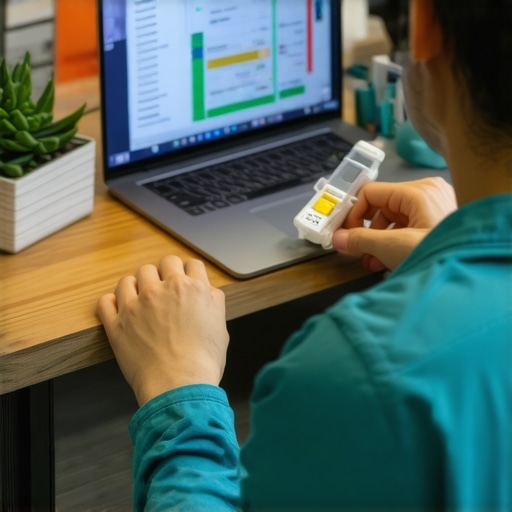
One of my go-to tools for maintaining consistent health oversight is the HemaApp device, which allows me to monitor key biomarkers like hemoglobin and inflammation levels from home. Its accuracy is comparable to lab results, making it invaluable for frequent check-ins. I use it weekly to track trends, not just snapshot data, ensuring I catch subtle shifts early. This proactive approach minimizes surprises and helps me adjust my routine promptly.
In addition, I leverage the 365Health app, which consolidates my vaccination schedule and reminders. Automation reduces the risk of oversight, especially during busy periods, and keeps my immunizations up-to-date—a crucial aspect of long-term wellness strategy.
Utilizing Smart Wearables for Continuous Data
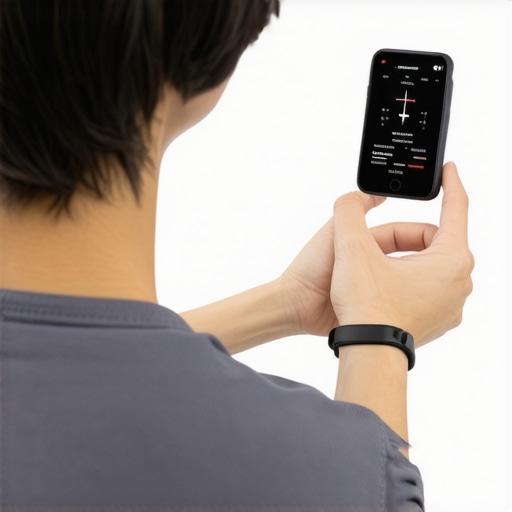
My daily companion is the VitaTrack smartwatch, which continuously records heart rate variability, sleep quality, and activity levels. Unlike static tests, real-time data from wearables provides an ongoing picture of my health, alerting me to anomalies that might precede symptoms. Its integration with my telehealth platform allows me to share data seamlessly with my healthcare provider for timely advice.
Predictive analytics embedded in such devices are advancing rapidly. Industry forecasts suggest that by 2028, wearables will incorporate non-invasive blood tests, further blurring the line between consumer tech and clinical diagnostics. This evolution underlines the importance of choosing devices with open APIs and trusted data handling policies.
Embracing Digital Tools for Long-Term Tracking
To maintain and visualize my health journey, I employ platforms like WellTrack. It aggregates lab results, vaccination records, and wearable data into intuitive dashboards. Regularly reviewing this data helps me recognize patterns—such as minor sleep disruptions correlating with inflammation markers—so I can address issues before they escalate.
Furthermore, I schedule quarterly telehealth check-ins, using the data from these tools to inform discussions. This layered approach—combining device accuracy, continuous data, and expert advice—significantly boosts my ability to sustain peak health over years.
Looking Ahead: Where Technology Is Taking Wellness
Advancements point toward AI-powered health assistants capable of real-time analysis and personalized recommendations. For example, the integration of lab data with AI algorithms will allow for predictive health alerts tailored precisely to individual trends. Embracing these tools now positions you at the forefront of personal healthcare innovation, enabling proactive maintenance rather than reactive treatments.
One practical step I recommend is trialing a combination of a continuous health monitor and a comprehensive tracking platform like WellTrack for at least three months. Tracking your own patterns can reveal surprising insights, empowering you to optimize your wellness strategies. As we navigate into the future of health tech, staying informed and adopting these tools can make a pivotal difference in your long-term vitality.
If you’re ready to elevate your health monitoring, start by exploring a reputable wearable like VitaTrack and pair it with a secure health data platform. Taking charge today ensures better health resilience tomorrow!