
How hi-def liposculpture reveals muscle definition that your gym routine misses
How Hi-Def Liposculpture Reveals Muscle Definition That Your Gym Routine Misses
You have dedicated yourself to the lifestyle. You hit the gym five days a week, your diet is meticulously tracked, and your cardiovascular health is at its peak. Yet, when you look in the mirror, that “shredded” look remains elusive. For many of my patients, the frustration of the “fitness plateau” is real. You can feel the muscles underneath – the solid wall of the rectus abdominis or the peak of the deltoid – but a persistent, thin layer of stubborn fat acts as a veil, obscuring the hard-earned definition you’ve worked years to build. This is where the limitations of physiology meet the precision of modern medicine.
As a board-certified plastic surgeon, I often see patients who are in excellent shape but cannot achieve the “shrink-wrapped” aesthetic through traditional means. This anatomical challenge requires more than just fat removal; it requires an artistic and surgical refinement known as hi-def liposculpture. Unlike the procedures of decades past, which focused solely on reducing volume, advanced liposculpture is about light, shadow, and the reveal of the underlying musculature. In collaboration with experts like dr jason miller, we have seen how this technology bridges the gap between being “fit” and looking “defined.”
The Science of Stubborn Fat vs. Muscle Visibility
To understand why the gym often fails to deliver that final 5% of definition, we must look at the biology of fat. There are two primary types of fat in the midsection: visceral fat, which surrounds your internal organs, and subcutaneous fat, which sits just under the skin. While diet and exercise are highly effective at reducing visceral fat and overall body mass, subcutaneous fat is often governed by genetics and hormonal receptors that make it resistant to metabolic breakdown.
Even at a low body fat percentage, the body may prioritize storing a thin layer of fat over the “valleys” of your muscles. This is why you might have a flat stomach but no visible “six-pack.” The concept of minimally invasive fat removal has evolved to address this specific biological hurdle. We aren’t just removing fat for weight loss; we are “etching.” This philosophy, pioneered by innovators like Dr. Alfredo Hoyos, suggests that a surgeon should follow the natural lines of the human musculature – the linea alba, the semilunaris, and the serratus anterior – to create a result that looks natural both at rest and in motion.
Furthermore, fat distribution is rarely uniform. You may find that your metabolism is stalling due to underlying health factors. In my practice, I often recommend looking at 7 lab markers that prove your metabolism is stalling before undergoing surgery, as a healthy metabolic foundation ensures the longevity of your surgical results. Understanding why the fasting insulin test matters more than A1C for weight loss can also help patients maintain their new contours long-term.
What Makes “High-Definition” Different from Traditional Lipo?
Traditional liposuction was designed for “debulking.” If a patient had a significant amount of excess fat, the goal was to remove as much as safely possible to create a smaller silhouette. While effective for its time, traditional lipo often left the body looking “flat.” It removed the fat but didn’t respect the three-dimensional nature of the human frame.
High-definition liposculpture (HDL) is a different discipline entirely. It utilizes VASER (Vibration Amplification of Sound Energy at Resonance) technology. This ultrasound-assisted method is critical because it is “tissue-selective.” The ultrasound energy specifically targets and emulsifies fat cells while leaving the vital connective tissue, nerves, and blood vessels intact. Because the fat is liquefied before removal, we can get much closer to the skin and the muscle than ever before.
When searching for micro laser lipo near me or laser fat removal near me, it is important to understand that the tool is only as good as the hand wielding it. HDL allows us to perform “abdominal etching,” where we selectively remove fat from the grooves between muscle groups while leaving a thin layer over the muscle bellies themselves. This creates the highlights and shadows that define a muscular physique. It is a body contouring procedures approach that treats the body like a sculpture rather than a task of simple extraction.
Targeting the “Trouble Zones”: From Abs to Arms
High-definition techniques can be applied to almost any area where muscle definition is desired, but there are several “high-impact” zones where the results are most transformative.
The Abdomen and Core
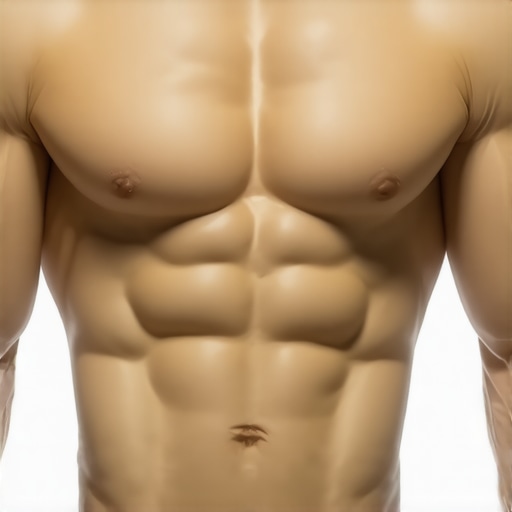
The goal here is the “six-pack” or “four-pack” look, but it goes deeper than that. We aim to define the lateral lines of the obliques and the “V-cut” of the lower abs. By reviewing body sculpture before and after photos, patients can see how etching the linea alba (the vertical line down the center) and the transverse inscriptions (the horizontal lines) creates a truly athletic appearance. For those interested in this specific area, looking at abdomen liposuction before and after galleries reveals the dramatic difference between a “flat” stomach and a “toned” core.
Flanks and Back
For men, the goal is often the “V-taper” – broad shoulders tapering down to a narrow waist. This requires aggressive love handle liposuction and back lipo. Removing the fat from the posterior flanks allows the latissimus dorsi muscles to pop, enhancing the masculine frame. In male liposculpture, we focus on creating a tighter, more angular appearance compared to the softer curves usually sought in female procedures.
The Arms and Shoulders
The “deltoid-tricep groove” is a hallmark of fitness. Even fit individuals often carry a small pocket of fat on the back of the arm or the top of the shoulder that hides this separation. Through arm liposculpture, we can reveal the separation between the muscle heads, giving the arms a lean, powerful look that shows through even in a t-shirt.
The Role of Skin Tightening in Muscle Definition
Removing the fat is only the first half of the equation. If the skin is loose or lacks elasticity, it will simply hang over the new contours, hiding the muscle definition we’ve worked so hard to etch. This is why the “shrink-wrap” effect is so vital. To achieve this, we often utilize a belly skin tightening laser or advanced technologies like Renuvion (J-Plasma).
These devices use helium plasma and radiofrequency energy to contract the collagen fibers under the skin. By applying this energy immediately after the fat removal, we encourage the skin to adhere tightly to the newly sculpted muscle layers. This prevents the sagging that can sometimes occur with traditional liposuction and is a cornerstone of the high-definition result. Without proper skin contraction, the “etching” would be lost under a layer of laxity. Before moving forward, I always suggest that wellness checks are your first step to better health, as they ensure your skin’s regenerative capabilities are at their best.
Recovery, Results, and Reality Checks
While HDL is a minimally invasive fat removal technique compared to major excisional surgeries like a tummy tuck, it is still a surgical procedure that requires a dedicated recovery period. Patients should expect some swelling and bruising, which is why the use of compression garments is non-negotiable. These garments help “mold” the skin into the new etched grooves during the initial healing phase.
Most patients want to know: when will I see my abs? While some results are visible immediately, the final “high-definition” look usually emerges between 3 to 6 months post-op as the internal swelling subsides and the skin fully retracts. I encourage everyone to read The Truth About Recovery Times for Micro Laser Lipo to get a realistic timeline for their journey. Reading through lipo reviews can also provide insight into the patient experience, from the first day of recovery to the final reveal. Seeing body sculpture before and after images of real patients can help manage expectations regarding how much definition can be achieved based on your starting point.
Understanding Liposculpture Cost and Value
When considering this procedure, liposculpture cost is a frequent topic of discussion. It is important to realize that HDL is more labor-intensive and requires more specialized equipment than traditional lipo. Factors that influence the price include the surgeon’s expertise, the facility fees, the number of areas being treated, and whether skin-tightening technologies are used.
I always advise patients to look at this as an investment in permanent body contouring. Unlike temporary fixes, the fat cells removed during liposculpture are gone for good. However, to maintain the “etched” look, a stable weight is required. I recommend learning how to compare the cost of liposculpture without getting hit with hidden fees so you can make an informed financial decision without sacrificing safety or quality.
Conclusion: Is Hi-Def Lipo Right for You?
Hi-def liposculpture is not a weight-loss tool; it is a finishing tool. It is designed for the individual who is already near their goal weight but wants to break through the final barrier to peak physical aesthetics. If you are tired of your hard work in the gym being hidden, it may be time to consult with professional lipo raleigh specialists. To learn more about your options or to see if you are a candidate for this life-changing procedure, visit carolinalipo.com to schedule a consultation and take the first step toward the definition you’ve earned.