
How to Build a Personalized Supplement Strategy That Actually Works
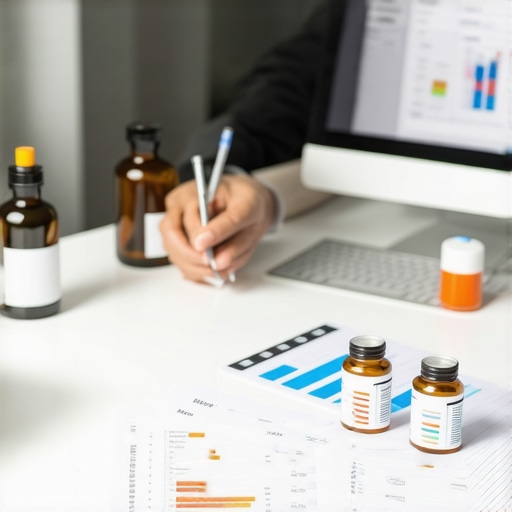
I remember the moment clearly. I was tossing and turning late into the night, frustrated with the endless stream of generic supplement advice and health hacks that just didn’t seem to make a difference. It felt like shouting into the void, desperate for a solution that could actually help my body function better. That’s when I had my lightbulb moment: why am I relying on one-size-fits-all recommendations when my body’s needs are unique?
Why Customizing Your Supplement Plan Matters More Than Ever
Embracing a personalized approach transformed my health journey. Instead of guessing which vitamins or minerals to take, I learned to identify my specific deficiencies and health risks through targeted tests. This not only saved me money but also eliminated guesswork and unnecessary supplements. As a result, I started feeling more energetic, focused, and resilient.
Here’s the truth: no two bodies are alike. Factors like genetics, lifestyle, and baseline health influence how we absorb nutrients and respond to supplementation. Ignoring these differences can lead you down a path of wasted effort and even adverse effects. I made this mistake early on, trying to supplement blindly based on trendy advice or random online tips. Don’t fall into that trap.
Have you ever invested in multiple supplements, only to wonder if they’re actually helping—or harming you?
If your answer is yes, you’re not alone. Many people fall prey to the myth that piling on supplements guarantees better health. But without knowing your biological markers, you’re essentially flying blind. That’s why understanding the role of lab tests in shaping your supplement strategy is crucial. It provides clarity and confidence, making your efforts more effective and safer.
By using reliable data from lab testing, I could pinpoint my nutritional gaps and tailor a supplement plan that fit my unique needs. I also learned to keep my plan flexible, adjusting as my health evolved. Want to see how this approach can work for you? I’ll walk you through practical steps to crafting your own personalized supplement strategy, starting with essential lab tests and ongoing monitoring. Ready? Let’s dive in.
Schedule Targeted Laboratory Tests with Precision
The first step in customizing your supplement plan is obtaining accurate data. Use telehealth services to order specific lab tests that uncover your nutritional deficiencies and health risks. When I decided to test my vitamin D, iron, and hormone levels, I used an online platform that conveniently sent blood collection kits to my home. This approach eliminated the need for inconvenient clinic visits and increased my compliance. Read about how lab tests can detect hidden health risks early in your wellness pathway by visiting this resource. Afterwards, analyze the results carefully to identify deficiencies or imbalances.
Choose the Right Tests for your Unique Needs
Not all lab tests are equal. Prioritize assessments that provide actionable insights for your health goals. For example, if fatigue is a concern, request a comprehensive thyroid panel along with vitamin B12 and ferritin levels. For stress management, consider cortisol and adrenalin tests. Pay attention to markers that reveal your biological age and inflammation levels, which impact overall vitality. For guidance, review this comprehensive list of essential tests.
Integrate Telehealth for Interpretations and Adjustments
Once your results arrive, schedule a telehealth consult to interpret the data. Virtually meeting with a healthcare professional allows you to understand complex markers without in-office visits. During the consultation, discuss your results in detail and create a tailored supplementation plan. Think of it like using a GPS to navigate health — you need accurate data and expert guidance to stay on course. Telehealth makes this process accessible, fast, and private. Discover how telehealth transforms personal care by exploring this article.
Implement Supplements Strategically
Armed with personalized data, start supplementing based on your specific needs rather than generic advice. For instance, if your vitamin D is low, supplement accordingly and plan re-evaluation in a few months. Maintain a simple tracking system to monitor changes and symptoms, adjusting doses as recommended by your provider. Keep in mind; over-supplementation can be as harmful as deficiencies. Regular re-testing, perhaps every 3-6 months, ensures your plan remains aligned with evolving needs. Find out how to understand your testosterone results without guesswork by visiting this guide.
Use Technological Tools for Continuous Improvement
Leverage telehealth platforms to stay connected with your healthcare team. Use apps or portals that allow you to upload new test results and receive professional feedback promptly. This ongoing process fosters a dynamic wellness strategy tailored to your body’s responses. Think of it like a fitness tracker but for your internal health—evolving and responsive. As your health improves or changes, adjust your supplement intake, diet, and lifestyle accordingly.
Integrate these actionable steps into your routine to shift from one-size-fits-all advice to a personalized, data-driven wellness journey. Remember, each step—ordering targeted tests, consulting virtually, adjusting your plan—brings you closer to optimal health tailored specifically for you. For more on how to make the most of telehealth in your wellness path, explore this resource.
While telehealth, lab tests, and vaccinations have revolutionized healthcare access, many individuals hold misconceptions that could hinder their wellness journey. A common myth is that all lab tests are equally reliable when, in reality, the precision of tests varies significantly depending on the laboratory and methodology used. Relying on generic or non-standardized testing can lead to misdiagnoses or overlooked health risks, making it crucial to choose reputable providers and understand the nuances behind test accuracy.
Another widespread mistake is assuming that vaccinations alone are sufficient for disease prevention. In truth, integrating vaccination strategies with targeted lab testing provides a more comprehensive protection plan. This approach helps identify individual susceptibilities and tailors preventive measures, enhancing efficacy beyond a one-size-fits-all vaccination schedule.
Many people underestimate the importance of understanding the biological context of their results. For example, a normal lab range doesn’t necessarily mean optimal health; it could signify a subclinical or early-stage issue. This is why grasping the role of lab tests in preventive wellness is essential for proactive health management. Advanced analysis of biological markers can uncover hidden risks before symptoms manifest, offering a critical window for intervention.
How can advanced testing and personalized strategies challenge conventional health beliefs?
Recent studies highlight that personalized health strategies, especially those combining detailed lab analyses with telehealth consultations, can significantly improve health outcomes. For instance, monitoring specific inflammation markers or hormone levels allows for tailored treatments that static, broad recommendations can’t achieve. Experts advocate for a shift from reactive to proactive medicine, emphasizing the nuanced insights derived from sophisticated testing. Learn more about this perspective by reviewing why regular lab tests matter and how they can reshape your health approach.
One valuable warning is to beware of over-trusting online symptom checkers or health platforms that provide generic advice without context. These tools often lack the nuance necessary for an accurate assessment, especially regarding complex interactions among lab results, vaccinations, and lifestyle factors. Always consult with qualified healthcare professionals who can interpret your data in the broader context of your unique health profile.
Have you ever fallen into this trap? Let me know in the comments. Embracing a nuanced understanding of your wellness options empowers you to make smarter, evidence-based decisions — moving beyond myths to real, personalized health improvements. Remember, integrating precise testing with telehealth and smart vaccination planning can unlock a higher level of well-being tailored specifically for you.
Invest in Reliable Equipment and Platforms
Maintaining a personalized health routine requires not just knowledge but also the right tools. I personally rely on the Everlywell at-home lab testing kits because they enable me to routinely monitor vital markers like vitamin D, iron, and cortisol levels without visiting a clinic. These tests are highly accurate, thanks to their partnership with CLIA-certified laboratories, and offer quick turnaround times — usually within 48 hours. Incorporating regular testing with platforms like Everlywell helps me catch subtle changes in my health early, making adjustments more manageable and less costly over time.
Choose Technology That Simplifies Data Tracking
Data is only useful if you can interpret and act on it. I recommend using specialized telehealth portals that allow you to upload your latest results and view trend analyses. These platforms often integrate with health apps, giving you a centralized dashboard. For instance, I sync my lab results with the telehealth service I trust, enabling me to schedule follow-ups or adjust supplements based on real-time data—all from my phone.
Why Routine Re-Testings Matter for Longevity
Consistency is key. Biological markers fluctuate due to lifestyle, stress, and aging. That’s why I schedule re-tests every 3-6 months, depending on my current health objectives. This iterative process ensures I’m not just reacting to immediate symptoms but proactively managing my long-term wellness. As cited by expert studies, regular biological monitoring reduces the risk of developing chronic issues by catching early deviations from optimal ranges.
Predictions for Future Wellness Tools
Looking ahead, I anticipate wearable biosensors will become more integrated with telehealth platforms, providing continuous biometric data — from glucose levels to hydration status. These developments promise to make real-time health monitoring more accessible and less intrusive. In the coming years, expect to see AI-driven analytics that offer personalized recommendations instantly, helping us stay ahead of potential health concerns with less effort.
How do I maintain my health tools over time?
Regular calibration and updates are essential. For instance, I ensure my blood pressure cuff is calibrated annually and my health apps are updated to the latest versions to benefit from improved features and security. Additionally, I keep an open line of communication with my healthcare providers through secure telehealth portals, so I can discuss any concerning trends promptly. This ongoing active management aligns with the advice found in current best practices for sustainable wellness.
Remember, integrating specialized testing with reliable technology and continuous re-evaluation creates a robust foundation for your health. Try scheduling a re-test using the tips above and see how small, consistent actions build a resilient wellness system. For more detailed guidance tailored to your needs, reach out via this contact page.
One of the most profound realizations on my health journey was recognizing that the smallest details—like specific lab markers or subtle symptoms—can make all the difference. Embracing personalized strategies isn’t just about optimizing current health; it’s about future-proofing your well-being by trusting data over assumptions. The real game-changer came when I moved beyond generic advice and started listening to my body’s unique signals, guided by precise lab tests and expert insights.
3 Lessons That Changed How I Approach my Wellness
- Don’t ignore the whispers of your body: Subtle signs like fatigue or mood swings often point to underlying deficiencies or imbalances. Personalized testing reveals these hidden issues early, allowing for targeted interventions before symptoms worsen.
- Data over opinions: Relying on lab results, rather than internet searches or third-party advice, provides clarity and confidence. It’s empowering to see concrete numbers that guide your supplementation and lifestyle adjustments.
- Stay adaptable: Health is dynamic. Regular re-testing and consultations with telehealth platforms enable me to refine my plan as my needs evolve, making my wellness strategy more resilient over time.
- Everlywell at-home kits: Trusted for their accuracy and convenience, these kits help monitor vital markers like vitamin D, iron, and hormonal health without leaving home.
- Specialized telehealth portals: These platforms streamline result interpretation and facilitate ongoing dialogue with healthcare professionals, transforming complex data into actionable steps.
- Educational resources from VitalClinicMD: Having access to guides about lab test significance and vaccination strategies keeps me informed and confident in my choices.
- Personal health tracker apps: Integrating results and monitoring progress, these tools ensure I stay committed and aware of my internal health trends.
My Tools for a Smarter Wellness Journey
Time to Take Your Wellness into Your Hands
Deciding to prioritize personalized care through telehealth, tailored lab testing, and informed vaccinations has been transformative. It’s about more than just avoiding illness—it’s about cultivating a vibrant, resilient life that adapts to your changing needs. Remember, the power to improve your health lies within your choices and the tools you adopt. You don’t have to navigate this alone—trusted platforms and expert guidance are here to support every step of your journey.
What’s your next move towards personalized wellness? Have you tried integrating lab testing or telehealth into your routine? Share your experiences below—I’d love to hear!
****