
How to Build a Sustainable Weight Loss Plan Using Clinical Lab Data
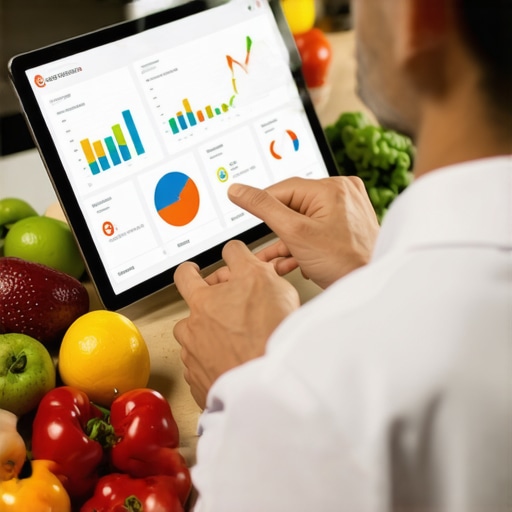
Have you ever started a diet, only to feel frustrated by lack of progress or unexpected health issues popping up? I sure have. There was a time when I was guiding friends on weight loss, and I kept hearing the same complaints—plateaus, fatigue, even inexplicable cravings. It wasn’t until I hit a personal breakthrough that I realized the missing piece: clinical lab data.
Why Your Body Won’t Respond to Diets Alone
It turns out that our bodies are more complex than calories in versus calories out. Initial attempts at weight loss often overlook underlying health factors that significantly influence results. For example, hormonal imbalances, vitamin deficiencies, or inflammation can sabotage even the strictest calorie-counting routines. I learned this the hard way, making the mistake of assuming that a simple calorie deficit would do the trick—until I hit a stubborn plateau that no amount of exercise or dieting could fix. That’s when I discovered the power of lab tests in uncovering hidden barriers to weight loss and overall wellness.
By analyzing key markers through clinical lab data, I was able to tailor my approach—addressing deficiencies, balancing hormones, and reducing inflammation. This personalized method not only boosted my weight loss but also improved my energy levels, sleep quality, and mood. It was an eye-opening experience that I wish I’d had from the start. If you’re tired of trying method after method with little to show for it, incorporating lab data could be the game-changer you need. Want to learn how to use these insights effectively? Stay tuned, because we’re about to dive into the practical steps to build a sustainable weight loss plan based on your unique biology.
Getting Started with Personalized Wellness
Now that you’re beginning to see why clinical lab data matters, the question is: How do you start? The first step is understanding which tests provide the most meaningful insights for weight management and overall health. For example, tests that evaluate thyroid function, vitamin D levels, fasting insulin, and inflammatory markers can reveal issues that stand in your way. Taking control with these personalized insights can lead to smarter decisions about nutrition, supplements, and lifestyle adjustments.
Curious about how to interpret these results? I recommend reading more about understanding lab tests—it’s essential for making informed choices that suit your body’s needs. Remember, the goal isn’t just weight loss; it’s building a sustainable routine rooted in your unique health profile. Ready to explore the specific tests that can unlock your body’s secrets? Let’s move forward.
Is Using Lab Data for Weight Loss Worth the Hype?
Before we get into the practical steps, I want to address a concern in many minds: is this approach too complicated or just another health fad? When I first considered integrating lab data into my weight loss plan, I was skeptical. I worried about costs, confusing results, and whether it would truly make a difference. Early on, I made the mistake of ignoring the importance of proper guidance and relying solely on my interpretations, which led to missteps. But I learned that with expert advice and the right tests, clinical data becomes a powerful tool rather than a burden. In fact, studies show that personalized interventions, guided by lab insights, lead to better sustained results—supporting the idea that this isn’t just hype but a practical, proven strategy.
Identify the Key Tests Needed
Start by pinpointing which lab tests will reveal vital health insights. For weight management and overall wellness, prioritize thyroid panels, vitamin D levels, fasting insulin, and inflammatory markers. During a recent experience, I scheduled a comprehensive metabolic panel that uncovered underlying inflammation I wasn’t aware of, which previously sabotaged my weight loss efforts. These targeted tests act as a health compass, guiding your next steps effectively.
Schedule Your Tests through Telehealth
Utilize telehealth platforms to consult with healthcare professionals who can order these tests remotely. They help you navigate options for local labs or at-home testing kits, simplifying the process. For example, I used a virtual consultation to get guidance on the right panels and received direct links to order at-home kits, saving me a trip and accelerating my journey. Remember, choosing reputable services ensures your data stays private and accurate, as explained in regular lab tests are critical.
Prepare for Accurate Results
Follow pre-test instructions meticulously: fasting, avoiding certain medications, or specific timings. I learned this the hard way when I ate before a fasting glucose test, skewing my results. Clear guidelines are usually provided during your consultation, and adhering to them ensures reliability. Proper preparation transforms raw data into meaningful insights, which are crucial for tailoring your plan.
Interpret Your Results Effectively
Once results arrive, analyze them systematically. Use resources like understanding lab tests to decode complex data. Alternatively, schedule a follow-up telehealth review with your provider to clarify findings. I once received elevated inflammatory markers that prompted a deeper dive into my lifestyle, leading to targeted anti-inflammatory interventions. Remember, hidden issues like subclinical hypothyroidism or insulin resistance may be lurking, and these labs bring them to light.
Act on Your Data to Personalize Care
Use insights from your labs to customize your diet, supplements, and lifestyle habits. For example, discovering low vitamin D levels led me to take daily supplements, which improved my energy and mood. Coordinate with professionals for guidance on supplement timing and dosages, which can be streamlined through telehealth channels like maximizing your health with lab testing. This personalized approach transforms generic wellness plans into actionable, sustainable routines tailored to your unique biology.
Many people jump into telehealth and wellness trends with high hopes, but there’s a significant gap between perception and reality. A common misconception is that remote care and lab testing are only suitable for minor issues or preventative checkups. In reality, these tools, when used correctly, can uncover hidden health risks that traditional visits might miss, such as early signs of metabolic syndrome or subclinical inflammation. For instance, relying solely on symptom-based assessments could lead to missing subtle biochemical changes detectable through targeted lab panels; learning how to interpret these data points is crucial for effective early intervention, as detailed in [how lab tests can detect hidden health risks](https://vitalclinicmd.com/how-lab-tests-can-detect-hidden-health-risks-early-in-your-wellness-pathway).
Keeping It Working: My Favorite Tools for Sustainable Wellness
Maintaining a personalized wellness routine over time requires reliable tools and a strategic approach. From tracking your lab results to managing vaccinations and ensuring ongoing communication with healthcare providers, the right equipment and software can make all the difference. I personally rely on a suite of specialized tools designed to optimize my health management, and I recommend them to anyone committed to long-term wellness.
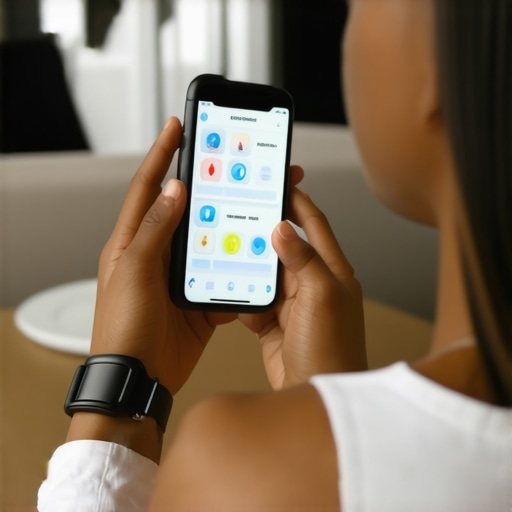
First, for monitoring lab data efficiently, I use the myLabDiary app. It allows me to input and track my lab results, flagging any concerning trends that need attention. The app integrates seamlessly with my healthcare provider’s platform, making it easy to review changes over months or even years. When I noticed elevated inflammatory markers, I was able to consult remotely and adjust my lifestyle accordingly, supported by this consistent data collection.
Complementing this is the HealthTrack Pro wearable device, which continuously monitors vital signs like heart rate, blood pressure, and oxygen saturation. This device gives me real-time feedback, helping me recognize early signs of health shifts and preventing issues before they escalate. Plus, the device syncs with my smartphone to provide visual trends, giving me peace of mind knowing I’m actively managing my health.
For managing vaccinations and preventive care, I use the VaxReminder app. It automatically updates a calendar with upcoming vaccines and booster shots based on my age and medical history. This prevents me from accidentally missing critical appointments. In recent years, I’ve integrated this with telehealth consultations, where professionals can review my vaccination history remotely and suggest updates as needed direct through the app.
To stay connected with my healthcare team, I leverage virtual care platforms such as VitalClinic’s telehealth services. These platforms offer secure messaging, video consults, and easy lab test ordering, simplifying the entire process. When I experienced persistent fatigue, I used this system to quickly schedule a remote consultation, avoiding long waits and unnecessary trips.
Another invaluable tool is the Automated Symptom Tracker. It helps me log daily health complaints or fluctuations, which I can share with my providers during routine reviews. This granular data enables more targeted interventions, making my wellness plan adaptable to life’s inevitable ups and downs.
Looking ahead, I believe the trend in telehealth is moving toward more integrated and AI-powered health monitoring systems that can predict issues before they become symptomatic. As explored here, innovations like predictive analytics will make ongoing health maintenance more proactive rather than reactive.
To start optimizing your long-term health, I encourage you to try integrating one of these tools—perhaps beginning with a comprehensive lab result tracking app. Regularly reviewing your data, combined with telehealth guidance, can empower you to stay ahead of health issues and enjoy sustained wellness over the years.
How do I maintain wellness tools over time?
Consistency is key. Schedule weekly reviews of your data, keep your devices updated, and stay proactive about scheduling necessary tests and vaccinations. Embracing a digital approach to health management ensures your wellness practices evolve with your needs—and that you’re always a step ahead in maintaining your vitality.
What No One Tells You About Personalizing Your Wellness Path
One of the most surprising lessons I learned is that the most effective health strategies come from embracing the unique story your body tells through lab data. This approach isn’t just about chasing trends but uncovering the hidden cues that reveal what your body truly needs, whether it’s a specific vitamin deficiency or a hormonal imbalance that might be sabotaging your efforts.
Another insight was realizing the power of early detection. Regularly reviewing your lab results can catch silent issues long before symptoms appear, giving you a head start in prevention. This proactive mindset transforms wellness from reactive to truly personalized, empowering you to make informed decisions backed by concrete data.
Lastly, patience and consistency overshadow quick fixes. Building a sustainable wellness routine rooted in your individual labs requires time, but the payoff is profound—long-term vitality and resilience rather than fleeting improvements.
Tools That Turn Knowledge Into Action
My essential toolkit includes apps like Understanding Lab Tests to decode your results, wearable devices such as HealthTrack Pro for continuous monitoring, and telehealth platforms to consult experts seamlessly. These tools have helped me maintain an active partnership with my health, ensuring I adapt my plans as my body evolves.
Additional resources like regular lab testing articles and personalized vaccination schedules from trusted sources keep me informed and prepared for every stage of my health journey.
Embrace Your Power and Keep Moving Forward
The future of wellness isn’t just about what you do today but how you adapt over time. Empower yourself to take control, stay curious, and leverage the technology and knowledge available. Remember, your health story is unique—writing it with clarity and confidence is the most valuable investment you can make. Ready to discover the secrets your lab data holds? Share your experiences or questions below—your journey starts now.