
How to Get a Pediatric Consultation After Normal Business Hours
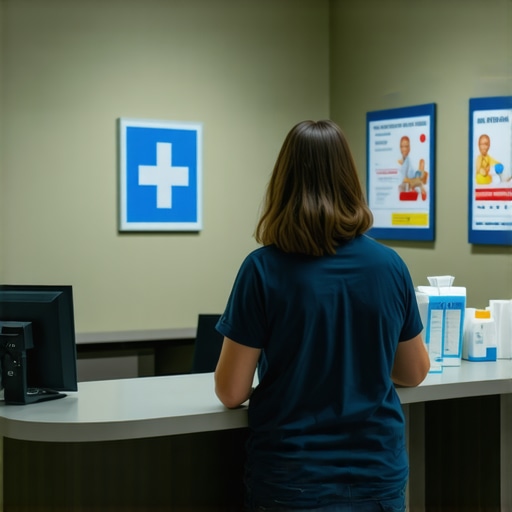
It was late on a chilly Thursday evening when I realized my child wasn’t feeling right. No fever, no obvious signs of illness, but something about his fussiness and sluggishness set off alarm bells in my mind. Frustrated by the lack of options after traditional clinic hours, I found myself scrambling to find reliable advice or care, feeling helpless and overwhelmed. That night was a wake-up call—requiring flexible, accessible pediatric consultation becomes a real emergency when your child’s health is involved.
Why Accessing Pediatric Care Beyond Office Hours Matters
Is It Really Worth the Hassle to Seek After-Hours Care?
Many parents, including myself at the start, underestimate how critical it is to have reliable options for pediatric care outside standard hours. Emergencies don’t adhere to a 9-to-5 schedule, and minor concerns can quickly escalate if not addressed promptly. For example, delayed treatment for illnesses like ear infections or dehydration can lead to more serious complications.
Furthermore, with the rise of telehealth solutions, seeking advice after hours has become not just feasible but often more convenient than rushing to an urgent care center or emergency room. But I’ve learned that early missteps—like trying to navigate unreliable sources or ignoring the need for expert guidance—can make the situation worse. Trust me, I made the mistake of relying solely on generic online advice early on, which often led to unnecessary anxiety.
Getting professional pediatric advice after hours can be a game-changer, especially when your child’s symptoms are subtle or developing rapidly. The key is knowing how to access trusted, timely care without the stress of figuring it out in the heat of the moment.
Have you ever faced a situation where your child’s health concern hit outside regular clinic hours, leaving you feeling stranded? You’re not alone. Fortunately, there are many ways to bridge that gap effectively, which I’ll guide you through now.
Identify Trusted Telehealth Platforms Immediately
Start by researching reliable telehealth services that specialize in pediatric care. During my experience, I found virtual care platforms offer quick, expert advice without long wait times. Bookmark these services beforehand, so you’re not scrambling when your child needs urgent attention. Think of this as having a spare key; you don’t want to hunt for it in a crisis.
Verify Credentials and Privacy Compliance
Ensure the platform is licensed, and the practitioners are certified. Check their privacy policies to confirm your data’s security. I learned this the hard way when rushing through a quick consultation, only to realize afterward that the platform wasn’t properly vetted. This step ensures your child’s health info remains confidential, preventing unnecessary worries.
Prepare Relevant Medical Information
Gather your child’s vaccination records, recent symptoms, and any medications they’re taking. Having this info ready streamlines the consultation. For example, I kept digital copies of my child’s vaccine history, which proved invaluable when discussing options for booster shots. Imagine this as assembling ingredients before cooking—everything is ready for a smooth process.
Utilize Symptom Checklists and Input Details Accurately
Accurately describe symptoms using structured checklists. Be specific about duration, severity, and any patterns. I once described my son’s fussiness as “persistent for 3 hours, with slight fatigue,” which helped the doctor determine whether immediate intervention was necessary. Think of this like filling a GPS with precise coordinates to avoid wrong turns.
Schedule Follow-Up and Record Visit Details
After the consultation, note down recommendations, prescribed medications, or required tests. Some services allow electronic prescriptions directly to your pharmacy. I recall getting a virtual prescription that I picked up the same evening, preventing a midnight emergency run. Keep this record accessible—you might need it for future visits or insurance claims.
Know When to Transition to In-Person Care
If symptoms worsen or don’t improve, be ready to seek in-person evaluation. Virtual care is a powerful first step, but not a complete substitute for physical exams in certain cases. Remember, think of virtual visits as the front door—sometimes, you’ll need to step inside for a more thorough check. For additional insights on lab testing and vaccinations, visit this resource.
Many healthcare discussions are clouded by misconceptions, especially around vaccinations, wellness, lab testing, and telehealth. While mainstream narratives focus on the basics, true experts know that these topics have layers of complexity often overlooked. For instance, a common myth is that vaccines are one-size-fits-all, but in reality, personalized vaccination schedules, considering individual health history and risk factors, offer superior protection. Discover more about this approach at personalized vaccination planning.
Another misconception involves wellness routines; many believe frequent testing or supplementing without understanding underlying deficiencies can substitute a balanced lifestyle. The truth is, lab tests can reveal hidden deficiencies or inflammation markers that standard assessments often miss, enabling targeted interventions. Learn about critical tests for wellness at comprehensive lab testing insights.
People also tend to underestimate the importance of the nuances in telehealth. It’s not just about convenience—telehealth can sometimes be misused or misinterpreted. For instance, virtual visits may miss certain physical signs, leading to missed diagnoses. That’s why understanding when to transition from virtual to in-person care is essential. Explore the future of accessible healthcare at telehealth innovations.
A critical mistake is assuming lab results or telehealth consultations are always straightforward. Variations in test accuracy, timing, or patient reporting can lead to misinterpretations. For example, interpreting elevated cholesterol without context can cause unnecessary stress or overtreatment. It’s helping to consult with experts who consider the full clinical picture, emphasizing that these tools are guides, not absolute answers. Understand the depth of lab markers at wellness check strategies.
Finally, misinformation often stems from oversimplification. Vaccinations, wellness, and telehealth are interconnected in a complex ecosystem. Recognizing this — and the subtle, often overlooked details — can be the difference between effective prevention and missed opportunities. Don’t fall into the trap of one-size-fits-all advice. For more advanced insights, visit vaccination myths busted.
Have you ever fallen into this trap? Let me know in the comments as we continue to unravel these hidden healthcare nuances.Maintaining a proactive approach to health and wellness often hinges on the right tools and methods. Over the years, I’ve integrated specialized equipment, software, and routines that ensure long-term results and scalability. One crucial aspect I’ve found effective is leveraging digital health platforms that synchronize with lab testing services, allowing me to monitor markers such as vitamin D levels or inflammatory indicators directly from my smartphone. Platforms like understanding the role of lab tests provide comprehensive insights, enabling timely interventions. Additionally, I utilize personalized vaccination planning, which is vital for tailored disease prevention, as discussed in this resource. To manage telehealth appointments efficiently, I recommend establishing a dedicated, secure communication channel, ensuring privacy compliance, which can be verified by reviewing privacy policies. For tracking progress, I rely on specialized wearable devices that monitor sleep, activity, and stress levels, helping me adjust my routines dynamically. As telehealth continues to evolve, integrating AI-driven symptom checkers can provide preliminary assessments, streamlining consultations. Looking ahead, I believe predictive analytics will play a pivotal role, enabling preemptive health strategies based on accumulated data. To get started, I suggest trying a comprehensive lab test panel combined with personalized vaccination schedules, which can significantly enhance your wellness trajectory. For detailed guidance on managing these tools, explore why regular lab tests matter and start building your scalable health toolkit today.
My journey into understanding the nuances of extended pediatric care taught me invaluable lessons that I wish I’d known sooner. The first lightbulb moment was realizing that trusting the right telehealth platforms can save you hours of worry and even prevent unnecessary emergency visits. I once hesitated, relying on generic online advice, which only heightened my child’s distress and my anxiety. Authentic, specialized virtual care isn’t just a convenience—it’s a critical lifeline during vulnerable moments.
Secondly, I learned that preparing detailed medical history and symptom descriptions beforehand transforms virtual consultations from guesswork into precise guidance. I now keep digital copies of my child’s vaccination and health records, which streamlines every discussion and decision. It’s akin to having your medical toolkit ready at all times, making every minute count, especially when time is of the essence.
Lastly, I discovered the importance of knowing when virtual care is enough—and when to head to the ER. Recognizing signs that warrant in-person assessment has empowered me to act swiftly, ensuring my child’s safety without unnecessary delays. These insights have reshaped how I approach pediatric wellness, blending technology with vigilance for the best outcomes.
My Unexpected Playbook for Pediatric Well-Being After Hours
- Choosing vetted telehealth platforms ensures expert advice when every second counts; I trust these virtual care services for rapid responses.
- Having digital records of vaccines, allergies, and recent symptoms accelerates diagnosis and action, much like having a trusted map in unfamiliar territory.
- Knowing the subtle cues that signal the need for in-person care keeps my child safe and gives me peace of mind, transforming fear into confident stewardship.
Tools and Resources That Made a Difference
- Personalized vaccination schedules: I leverage these tailored plans to optimize my child’s protection, avoiding the pitfalls of one-size-fits-all approaches.
- Understanding lab tests: Deep insights from comprehensive testing help me catch hidden risks early and make informed decisions.
- Secure telehealth platforms: The privacy policies at these sites assure me my child’s information remains confidential and protected during every consultation.
Your Next Step Toward Confident Kid-Care
Empowering yourself with knowledge and trustworthy tools transforms the daunting task of after-hours pediatric care into a manageable, even enriching experience. The secret lies in preparation, credible technology, and decisive action—because every moment counts when caring for your child’s health. Remember, proactive steps today lay the foundation for a healthier tomorrow.
What has been your biggest challenge in managing your child’s health outside regular hours? Share your story below and let’s learn together!