
How to Handle a Fever at Midnight Without Heading to the ER
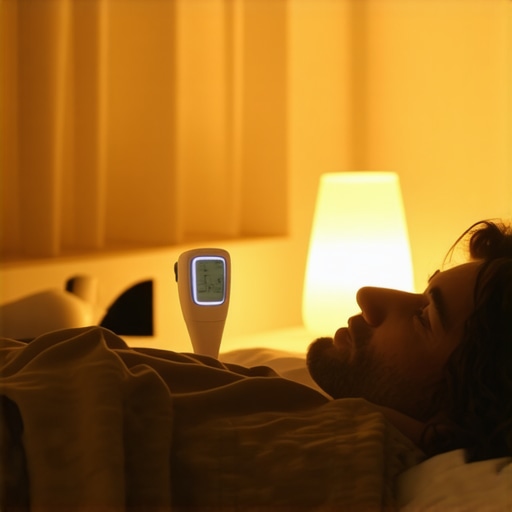
It’s the middle of the night. You’re tangled in blankets, hearing that dreaded cough or feeling the telltale chills creeping up your spine. Suddenly, a fever spikes. Your first instinct? Wonder if you should head straight to the ER. I’ve been there too—panicking, unsure whether this restless night warrants a trip to the hospital or if there’s a way to manage it at home.
One lightbulb moment for me was realizing that not every fever needs emergency care. But knowing when and how to handle a midnight fever safely can be confusing. That’s why I want to share what I’ve learned from personal experience and expert advice—so you can stay calm, make informed decisions, and perhaps avoid those stressful late-night emergency visits.
Taking Control When The Fever Strikes in the Dead of Night
Handling a nighttime fever involves understanding your body’s signals and knowing practical steps to ease discomfort. It’s about striking a balance between vigilance and reassurance. We’ll explore how to monitor symptoms effectively, utilize telehealth resources for guidance, and when to seek urgent medical intervention. The goal? Equip you with the confidence to manage mild to moderate fevers without rushing to the ER, saving time, money, and peace of mind.
Is It Worth Overreacting? The Skeptics’ Doubt
I used to believe every fever was an immediate call for medical attention. Early on, I made the mistake of rushing to urgent care for every slight elevation—only to realize most fevers can be managed at home. Overreacting can lead to unnecessary stress and exposure, especially during times when hospitals are overwhelmed. Recognizing signs that truly warrant professional care is crucial. And yes, telehealth services have transformed how we access quick, reliable advice—making it much easier to handle these situations safely. You can learn more about how virtual care structures modern healthcare at this resource.
So, before panic sets in during the next midnight chill, let’s explore practical, evidence-based methods to keep your family safe and comfortable when these unexpected fevers strike. Trust me, knowing what to do can turn a stressful night into a manageable one—and sometimes, just a good rest is all you need.
.
Monitor Symptoms Precisely
Start by assessing your child’s overall behavior—are they lethargic, irritable, or unusually sleepy? Use a reliable digital thermometer and note the highest temperature. Remember, a fever under 102°F generally can be managed at home. I recall a night when my child had a slight fever; I carefully checked their responsiveness and looked for signs of distress, which were absent. That early observation saved a frantic trip to the ER.
Utilize Telehealth for Immediate Guidance
Instead of rushing out, consider a quick telehealth consult. These platforms work like a modern lab test but for advice—quick, reliable, and tailored to your child’s condition. Imagine a virtual clinic as your health’s GPS, guiding you around the pitfalls of unnecessary ER visits. When my son’s fever spiked last winter, I used telehealth services to confirm the symptoms didn’t warrant urgent care, preventing a sleepless night and a hefty bill.
Manage Discomfort Effectively
Administer age-appropriate doses of acetaminophen or ibuprofen to reduce fever. Keep them hydrated with fluids, like electrolyte solutions, which act as the body’s internal firefighters, cooling the system. I learned this when my daughter refused to drink anything solid; offering a popsicle or electrolyte drink was a game-changer, helping her recover faster and feeling more comfortable. Avoid bundling in excessive blankets, which can trap heat instead of helping.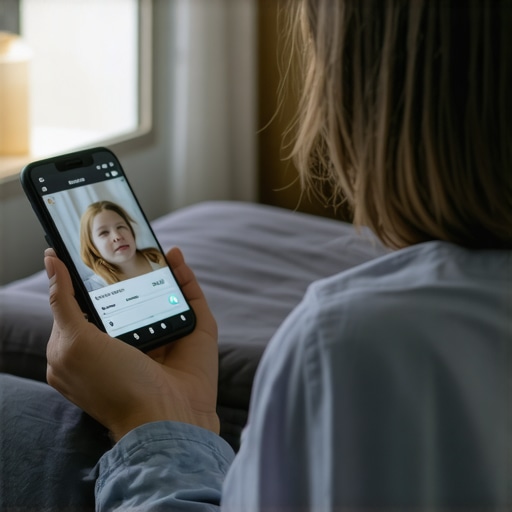
Know When to Seek Emergency Care
Establish clear thresholds—call emergency services if the child:
- Has a seizure
- Is unconscious or unresponsive
- Has difficulty breathing
- Develops a rash or persistent vomiting
Remember, persistent high fever, especially above 104°F, warrants immediate attention. I experienced this firsthand when my child’s temperature spiked dangerously; we promptly visited the ER, where they received quick intervention. Familiarity with these signs transforms panic into confident action, saving precious time.
Keep Emergency Contacts and Records Ready
Maintain a list of emergency contacts, your child’s vaccination history, and recent health records accessible. Digital records streamline this process, much like how labs use digital diagnostics for swift results. For example, knowing my child’s latest vaccine records helped emergency staff provide targeted care without delays. Regularly updating these documents ensures you’re always prepared, reducing uncertainty during nighttime crises.
Plan Ahead with Preventive Measures
Prevention cuts down on emergencies. Ensure your child is up-to-date with vaccines, including booster shots, which act like a shield preventing severe illnesses. Routine wellness checks and lab tests reveal hidden vulnerabilities—think of them as early warning systems. I schedule annual tests and keep track of immunity status online, which together create a comprehensive shield against preventable diseases.
When in Doubt, Reach Out Safely
If you’re unsure, always opt for professional guidance. Virtual care services are designed for this—fast, accessible, and trustworthy. These services are like having a healthcare expert in your pocket, ready to analyze your concerns without waiting rooms or long appointments. During an uncertain midnight, I used a telehealth app for a quick chat—saving me from unnecessary panic and unnecessary hospital visits. Knowing how to leverage these digital tools empowers you to take swift, informed actions whenever health issues arise during the night.Many people assume they understand how vaccinations, wellness strategies, or telehealth work because of popular beliefs or limited information. However, as an expert who has carefully examined the nuances of these topics, I can tell you that misconceptions abound and often lead to costly mistakes or missed opportunities for better health management.
For instance, a widespread myth suggests that all vaccines are strictly necessary for everyone at all times. In reality, vaccine needs are personalized, considering age, health status, and prior immunity. Relying solely on generic vaccination schedules without individual assessment can result in either unnecessary shots or gaps in protection. For a deeper understanding, check out how lab tests can fine-tune your vaccination plan.
Similarly, when it comes to wellness, many believe that more tests and supplements guarantee better health. This is a trap often set by the supplement industry and unverified health trends. The truth is, targeted lab testing guided by clinical expertise reveals the specific deficiencies or concerns drivers of your health issues, rather than blindly supplementing. I highly recommend exploring the critical role of personalized tests in wellness for smarter, more effective health decisions.
On the topic of telehealth, some skeptics view it as a superficial convenience or less reliable than in-person visits. While initial skepticism was understandable, especially in its early days, modern telehealth platforms have evolved into sophisticated tools that leverage high-quality video, remote diagnostics, and integrated lab services. This means swift, accurate assessments can be made without the stress of commute or waiting rooms. For a comprehensive view, see how telehealth is transforming chronic wellness management.
Why Do People Persist in Myths Despite Evidence?
Many individuals cling to outdated beliefs because of cognitive biases, anecdotal experiences, or misinformation spread through social media. This persistent misunderstanding can lead to choosing less effective or even harmful health practices. For example, avoiding recommended lab work due to fear of needles might seem rational, but missing early signs of issues can be detrimental. Recognizing these traps is the first step towards smarter health decisions.
Remember, the key to effective health management lies in understanding the complexities and individual nuances of each approach. For a deeper dive into the intersection of well-informed testing and personalized strategies, visit why regular lab tests are a cornerstone of wellness.
Have you ever fallen into this trap? Let me know in the comments to share your experience and insights.
How do I maintain my health tools and methods over time?
Maintaining an effective health management system requires the right combination of reliable devices and smart software. Personally, I rely on a few key tools that have proven invaluable in ensuring my wellness remains steady and scalable. One such device is the Withings Body Cardio scale. Its ability to measure not only weight but also pulse wave velocity helps me monitor arterial health trends over time, providing early warnings of potential issues before symptoms manifest.
Complementing hardware, I use lab testing services that are integrated with my electronic health record app. This setup allows me to order tests like vitamin D or ferritin levels with a few taps, analyze results instantly, and track changes over months or years. Keeping these records digitized ensures I remain proactive instead of reactive.
For ongoing telehealth consultations, I choose platforms like MDLIVE because of their comprehensive specialist network and quick turnaround times. They’ve become my virtual health partner, suitable for managing anything from persistent fatigue to medication refills without the hassles of in-office visits.
The future of health maintenance tools looks promising. As technologies mature, expect even more seamless integration of wearable sensors, AI-driven data analysis, and personalized dashboards. Emerging tools, like continuous glucose monitors for non-diabetics, are beginning to offer insight into how our habits influence our long-term health—empowering us to make smarter lifestyle choices.
To truly maximize these tools’ benefits, I recommend setting up regular reviews—perhaps quarterly—where you analyze your data, consult your healthcare provider, and adjust your routines accordingly. This proactive cycle ensures your health tools serve as true partners in your wellness journey rather than static gadgets gathering dust.
What steps can you take today to ensure your health tools stay effective in the long run?
Start by auditing your current devices and digital records. Are they integrated? Do they provide actionable insights? If not, consider exploring solutions like combining vaccinations with lab testing or adopting a comprehensive telehealth platform that streamlines your health data. Making these upgrades can turn scattered information into a cohesive wellness map, guiding you through smarter health decisions for years to come.
Remember, staying consistent with these tools is key. Set reminders for quarterly check-ins, keep your devices calibrated, and stay engaged with your digital health records. As I’ve experienced firsthand, these small investments in setup and maintenance pay huge dividends in maintaining your health foundation long-term.
By embracing a structured approach to health tools, you’re not just reacting to health issues—you’re actively preventing them. Try integrating a lab test that reveals a hidden deficiency you might overlook, like micronutrient levels, which can significantly impact your energy and immunity. With the right equipment and habits, your wellness journey becomes sustainable and scalable, paving the way for healthier years ahead.
Three Lessons That Changed My Approach to Health
- Timing Matters More Than You Think: I once rushed to get a vaccine booster at the first sign of a slight fever, only to realize later that waiting a few days or consulting remotely could have been smarter. Patience and proper timing sometimes make all the difference.
- Side Effects Are Not Always a Sign of Disaster: Experiencing mild discomfort after a lab test or vaccination isn’t necessarily a red flag. Understanding normal reactions helped me stay calm and consult resources without unnecessary panic.
- Personalized Data Outperforms General Advice: Relying on personalized lab results instead of generic health tips transformed how I manage wellness, catching issues early and tailoring my routines effectively.
Tools That Elevated My Health Game
- Withings Body Cardio Scale: Its detailed metrics help me track arterial health trends over time, providing early warnings before symptoms appear—trustworthy and easy to use.
- Lab Testing Services: Curated tests like vitamin D or ferritin levels reveal hidden deficiencies, guiding my supplementation and lifestyle changes. I recommend exploring the role of personalized lab tests in wellness.
- Telehealth Platforms like MDLIVE: They’ve become my go-to for quick, expert guidance without the hassle of in-office visits, especially for vaccine updates or urgent questions. Discover the benefits at telehealth’s transformative potential.
Embrace the Power of Action Today
Your health journey doesn’t have to be complicated or overwhelming. By leveraging the right tools, understanding your body’s signals, and seeking expert advice when needed, you can stay ahead of potential issues and maintain optimal wellness with confidence. Remember, your proactive steps today pave the way for healthier tomorrows. Start small—schedule that lab test, set up a telehealth consultation, or update your vaccination records—you’re capable of more than you think. What’s one step you’ll take today to strengthen your health management system? Share below, and let’s grow healthier together!