
How to handle a pediatric fever at 2 AM without the ER
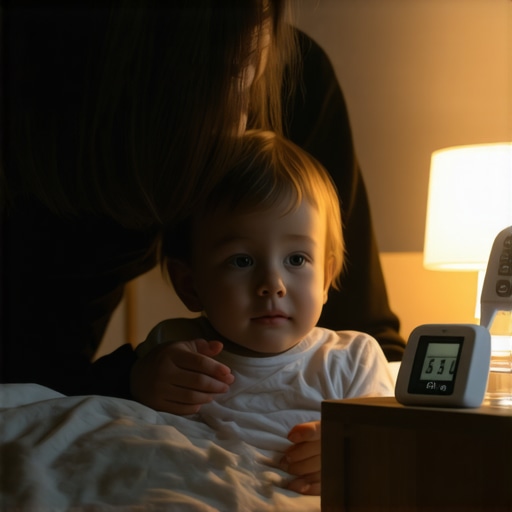
It was exactly 2:14 AM when the crying started. My three-year-old was radiant—not with joy, but with a heat that felt like it could toast bread. I did what every panicked parent does: I fumbled for the thermometer, saw 102.8, and immediately started looking for my shoes. I almost spent six hours in a crowded waiting room, surrounded by coughing strangers, just to be told to give him some Tylenol. It was a classic rookie mistake. I’ve been there, shivering in the garage with my keys in hand, convinced that every degree on that plastic stick was a siren call for emergency intervention. Today, I’m going to show you how to breathe, assess the situation, and decide if you really need to leave the house or if you can handle this from your couch.
That 2 AM Panic is Real
Fever is just your child’s body doing its job, but man, it’s terrifying when the house is dark and silent. Early on, I thought the number on the thermometer was the only thing that mattered. I didn’t realize that the specific way to handle a toddlers fever at midnight is more about how they act than what the mercury says. You’re likely worried about febrile seizures or dehydration, and those are valid fears, but most of the time, the ER is the last place a sick kid needs to be. We are going to look at the ‘red flags’ and the ‘green lights’ so you can actually get some sleep.
Shouldn’t I Just Go to the Hospital?
It’s the question that keeps us up. Is a video call enough? You might be skeptical that a screen can replace a physical touch, but telehealth innovations have made it so you can get an expert opinion without the trauma of a midnight car ride. According to the American Academy of Pediatrics, fever itself isn’t an illness—it’s a sign that the body is fighting off an infection, and it’s actually a healthy response.
Keep the Car in the Garage
My biggest blunder was assuming every spike meant a crisis. I once dragged my daughter out in a snowstorm for a 101-degree fever because I didn’t know about why virtual care is the best choice for late night earaches and fevers. We ended up catching a stomach bug from the waiting room! Now, I check their hydration and mood first. Have you ever found yourself halfway to the hospital before realizing your kid was actually acting totally fine? Tell me about your most frantic midnight health scare in the comments. If you’re stuck on a weekend, remember you can often get things like a prescription refill on a Sunday without the ER through simple virtual visits. Let’s dive into the actual checklist you need to stay home safely.
The 3-Step Assessment to Run Before You Grab Your Keys
Thinking of a fever like a car’s engine light helps. The light doesn’t mean the engine is exploding; it means you need to check under the hood. First, look at their activity level. If your toddler is running around or even just whining for a snack despite a 102-degree temperature, their body is handling the stress well. I remember a Tuesday night when my son had a spike and I was already halfway through a ‘should we go?’ text to my husband. Instead of rushing out, I sat him up and offered a popsicle. He ate it and asked for his favorite cartoon. That was my sign to stay put. If they are lethargic, won’t make eye contact, or seem unusually floppy, that’s when you shift from the couch to the car.
Watch Their Eyes and Their Water Intake
Dehydration is the real enemy of the midnight fever. If they aren’t peeing or their mouth looks like a desert, you have a problem. You can often manage these symptoms and even learn how to handle a flu outbreak in your house using video visits, which keeps you away from other germs. It’s about keeping the fluids moving. If you’ve been focused purely on the number on the thermometer, you’re missing the big picture of their overall hydration status.
Let a Digital Doc Do the Triage
The most efficient way to clear the ‘ER or not’ hurdle is by unlocking the power of telehealth for fast convenient wellness access. A provider can see the work of breathing and the color of their skin through your phone’s camera. I once had a virtual doctor point out a slight tugging at the ears that I hadn’t noticed—it turned out to be an ear infection, not just a random virus. It felt like having a medical safety net in my living room without the three-hour wait. 
Check Their Long-Term Defense System
Sometimes a fever is more complicated if your child is behind on their protective care. If you aren’t sure where they stand, look for 3 signs your child is falling behind on the standard vaccine schedule. Knowing their history helps a doctor determine if that fever is a common cold or something preventable. It’s like checking the castle walls while the battle is already raging. This is also why your childs vaccination schedule matters more than you think; it narrows down the list of scary possibilities during a midnight scare.
When the Fever Becomes a Clue for Better Labs
If the fever keeps coming back or doesn’t follow the usual viral pattern, that’s your body signaling that a deeper look is needed. This is why regular lab tests are critical for your wellness journey—they catch the quiet issues that only surface during a physical crisis. Understanding the role of lab tests in preventive wellness helps you move from reactive panic to proactive health management. Getting a baseline while they are healthy makes it much easier to spot what’s wrong when they are sick.
Stop Trusting ‘Normal’ Reference Ranges
We’ve been conditioned to think that a green checkmark next to a lab result means everything is fine. But here is the nuance most people miss: ‘normal’ is not the same as ‘optimal.’ In my experience, most standard ranges are based on a statistical average of whoever walked into that lab over the last year—people who are often already sick or struggling. This is exactly why your lab results come back normal while you still feel like trash. If you’re just scraping by at the bottom of a ‘normal’ range for iron or vitamin D, you’re going to feel it.
Why do my labs look great when I feel like garbage?
It usually comes down to what we aren’t testing. We often focus on trailing indicators—the markers that change only after a problem has been there for years. For instance, why the fasting insulin test matters more than a1c for weight loss is a perfect example. Your A1c might look perfect for a decade while your insulin is skyrocketing to keep it that way. By the time the A1c moves, the damage is already done. According to a study in the Journal of Clinical Medicine, traditional reference intervals may fail to identify individuals in the early stages of metabolic dysfunction because the ‘healthy’ cohort used for the average isn’t strictly screened for health. 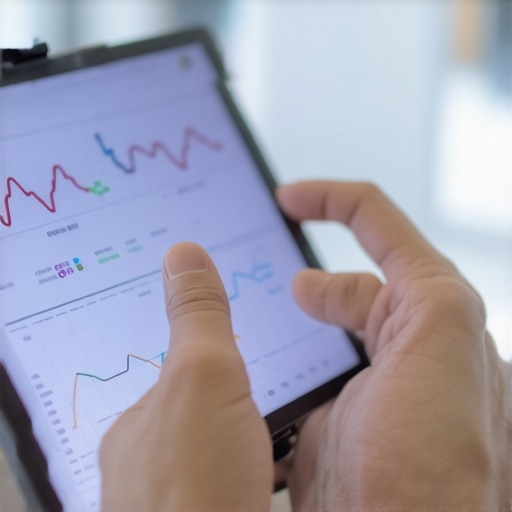
Don’t Let Your Morning Coffee Sabotage Your Data
Here is a specific ‘oops’ factor I see all the time: the pre-lab ritual. We know about fasting, but did you know why your morning coffee is sabotaging your anxiety labs? Caffeine can spike your cortisol and glucose, giving your doctor a completely skewed picture of your baseline stress levels. It’s a common trap that leads to unnecessary prescriptions. Similarly, people often ignore 3 thyroid markers your doctor probably ignored last time, focusing only on TSH while ignoring the active hormones that actually dictate how you feel.
Vaccine Myths and Midnight Realities
Even when it comes to preventative care, there’s a lot of noise. We focus so much on the schedule that we forget the biological context. For example, did you know why high stress levels make your tetanus shot more painful? Your body’s inflammatory response is linked to your nervous system. If you’re heading into a clinic stressed out, your recovery will likely be tougher. I always recommend checking out vaccinations myths busted what you need to know in 2025 at 1207 pm to clear up the confusion between what’s required and what’s actually necessary for your specific lifestyle. Have you ever had a doctor tell you that you were ‘fine’ despite feeling exhausted? Have you ever fallen into this trap? Let me know in the comments.I’ve realized that the secret to staying out of that 2 AM panic isn’t just knowing what to do in a crisis; it’s about the infrastructure you build when everyone is healthy. I keep a digital health vault where I scan every single lab result, even the ones that look boring. This is exactly understanding lab tests your roadmap to clearer diagnosis at 322 pm because it allows me to see trends over several years rather than just a snapshot of today. If my ferritin is dropping 10 points every six months, I can catch it before the fatigue hits, rather than waiting for a doctor to flag it once it is already dangerously low.
How do I maintain this health momentum over time?
Consistency beats intensity every single time. I set a recurring calendar alert for every six months to review my family’s records. This is why regular lab tests are critical for your wellness journey; it’s about maintenance, not just repair. I also use a medical-grade blood pressure cuff at home because it eliminates white coat syndrome and helps me find 3 ways to lower blood pressure naturally before your physical. When I show up to a telehealth innovation appointment with two weeks of home data, the conversation changes from let’s wait and see to here is exactly what is happening. The American Medical Informatics Association emphasizes that patient-generated health data significantly improves chronic care outcomes because it fills the massive gaps between office visits.
The specific gear that actually makes a difference
You don’t need a hospital-grade lab in your basement, but a few tools are non-negotiable. I recommend a high-quality pulse oximeter and a reliable thermometer that does not lose its mind every time the battery gets low. More importantly, I’ve started maximizing your health combining vaccinations and lab testing strategies. For example, if I am getting a booster, I will often schedule my blood work for the week before to ensure my micronutrients are optimal for a strong immune response.  Looking ahead, I predict we are less than five years away from AI-driven dashboards that will pull data directly from our wearables into our medical records, flagging issues before we even feel a symptom. This will make revolutionizing wellness how telehealth transforms personal care even more seamless. If you want to take control today, my best advice is to stop waiting for your annual exam to ask questions. Download your last three lab reports tonight and look for the markers that are normal but trending toward the edges of the range.
The Hard Truth About My Midnight Panic Attacks
I spent years thinking my doctor’s ‘you’re fine’ was the final word. It wasn’t until I realized that why your annual physical is missing your real health risks often comes down to the lack of trend tracking. My ‘lightbulb moment’ was seeing that a stable health baseline is a shield against fear. I also learned that personalized vaccination schedules for better disease prevention are much more effective than a one-size-fits-all approach. Finally, never ignore your gut—if you feel something is off, how lab tests can detect hidden health risks early in your wellness pathway can give you the objective proof you need to act.
The Smart Parent’s Home Health Kit
Accuracy is everything when you are making a 2 AM decision. I trust a Braun ear thermometer because it’s consistent. I also keep a digital folder for every PDF lab result my family receives. I rely on telehealth insights the future of accessible healthcare services because it bridges the gap between my living room and the clinic. Also, keep a log of symptoms before you call; it makes the virtual visit ten times more productive.
#IMAGE_PLACEHOLDER_E#
Take Back Your Sleep
You don’t have to be a medical expert to be a prepared parent. By shifting from reactive panic to proactive care, you change the narrative of your household. Remember that why wellness checks are your first step to better health at 945 am isn’t just about the appointment—it’s about the peace of mind that follows. You’ve got this. Have you ever had a midnight health scare that turned out to be nothing? Tell me your story in the comments!