
How to handle a sudden asthma flare-up using virtual care
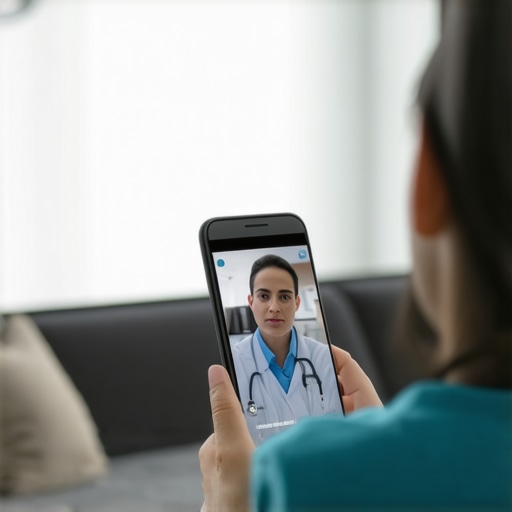
It happened last summer when I was out gardening, hands full of soil and sunlight. Suddenly, that tight, relentless squeeze came back in my chest—the kind that used to terrify me in my sleep. I froze, realizing I couldn’t dash to the ER this time; I was miles from the nearest urgent care, and the usual inhaler just wasn’t enough. That moment was a stark reminder of how vulnerable I am during an unexpected asthma flare-up and how far virtual care has come in bridging that gap.
Why Being Prepared for an Asthma Spike Matters More Than Ever
Living with asthma means constantly juggling triggers, medications, and knowing when to seek help. But what do you do when a flare-up strikes suddenly, especially in situations where rushing to a clinic isn’t an option? I’ve learned firsthand that relying solely on in-person visits isn’t enough anymore. Telehealth offers a lifeline—fast, accessible, and surprisingly comprehensive if you know how to tap into it.
Early in my journey, I made a critical mistake: I delayed reaching out for virtual help because I thought my symptoms weren’t serious enough. That hesitation could have turned dangerous. According to the American Lung Association, prompt virtual consultations can help prevent asthma attacks from escalating, saving not only potential hospitalization costs but also lives (exploring the benefits of telehealth in managing chronic wellness).
So, what’s the secret to turning your phone or tablet into an instant asthma rescue kit? It’s simpler than you might think, and I promise, once you’re equipped, you’ll feel more in control during every unexpected episode. Ready to uncover the practical steps that turned my approach around? Let’s dive in.
Master Your Emergency Response Plan
Start by drafting a clear action plan tailored to your asthma. Keep a written copy accessible and share it with family members and your healthcare provider. During my messy attempt, I kept a checklist on my fridge to remind myself when symptoms flair and how to respond quickly. This simple step prevents panic and ensures consistent care, especially during sudden attacks.
Leverage Telehealth for Rapid Assistance
Set up your telehealth account before an emergency strikes. Use platforms like virtual care services to familiarize yourself with scheduling quick consultations. When symptoms escalate, a quick video chat can provide immediate guidance, prescribe rescue inhalers, or advise whether you should seek urgent in-person care. Think of telehealth as your on-demand, virtual lifeline—like having a doctor in your pocket.
Understand and Utilize Lab Tests Effectively
Regular lab testing paints a clearer picture of your asthma triggers and overall lung health. For instance, a specific blood marker can indicate airway inflammation levels—acting as an early warning system. I once ordered a spirometry test through my virtual provider and discovered that my lung capacity was declining faster than I thought, prompting an earlier intervention. Learning about and acting on such results can prevent severe flare-ups.
Prepare Your Testing Routine
Coordinate with your doctor to schedule necessary tests, such as allergy panels or lung function assessments, and discuss how these inform your treatment. Consider fasting or avoiding certain medications before tests, but always follow your provider’s guidance. This proactive step is akin to checking the engine before a road trip, ensuring smooth driving during emergencies.
Maintain a Medication and Trigger Log
Record each flare-up, possible triggers, medication use, and the response outcome. This record becomes a personalized manual for your care team, especially when discussing virtual visits. I keep a quick journal on my phone, noting activities, environment changes, and symptoms. Over time, patterns emerge, revealing stressors like pollen or cold air, which I can then address in consultation or through preventive measures.
Stay Connected with Your Care Team
Establish regular check-ins via telehealth to review your asthma management plan. This keeps your treatment optimized and allows adjustments before minor issues escalate. My experience confirms that consistent virtual communication fosters a sense of control—like having a coach cheering you on remotely during your health journey.
Integrate Vaccinations and Wellness Checks
Combine routine vaccinations, such as influenza and pneumonia shots, with your wellness tests to bolster your defenses. A comprehensive schedule customized through your virtual check-ups can be a game-changer. For example, I scheduled a vaccination at just the right time this year, significantly reducing my chances of a severe infection coinciding with an asthma flare.
Practice Trigger-Avoidance Strategies
Identify environmental or lifestyle factors that provoke your symptoms and implement avoidance measures—like using air purifiers or adjusting activity times. My meticulous tracking helped me realize that evening outdoor activities increased my flare risk, prompting a shift to morning walks. Such practical adjustments are key to mitigating triggers alongside medical interventions.
 Many believe that lab tests and vaccinations are straightforward tools that provide clear-cut answers for health. However, as an expert in the field, I’ve learned that misconceptions run deep, often leading to missed opportunities or even health risks. One common myth is that more testing always equals better health; in reality, over-testing without proper interpretation can cause unnecessary anxiety and interventions. For instance, frequent lab panels might reveal minor fluctuations that are benign, but patients sometimes react as if they’ve uncovered a crisis, prompting unneeded treatments.
Another pervasive misconception revolves around vaccinations, where many assume that a vaccine’s presence in the body guarantees immunity. But immunity isn’t solely about antibodies; cellular responses and individual health conditions matter immensely. Relying solely on vaccination records without understanding the nuances of immune response can give a false sense of security. To optimize protection, personalized vaccination schedules based on lab assessments and immune markers can be far more effective, a strategy that many overlook but is supported by recent studies (see how to maximize your health through combined strategies).
What advanced markers should you consider beyond standard tests to truly gauge health risk?
In terms of telehealth, a common misconception is that virtual consultations are inferior or too superficial to handle complex health issues. While it’s true that telehealth has limitations, recent innovations have enabled remote monitoring and in-depth diagnostics that rival in-person visits. For example, integrating wearable data and remote lab testing allows practitioners to assess nuanced health metrics, such as inflammatory markers or hormonal fluctuations, from afar. This evolution in virtual care expands access and early detection capabilities, but patients often remain uninformed about its true potential. Navigating these tools intelligently can significantly enhance preventive care and chronic disease management (learn more about how telehealth is transforming wellness).
Furthermore, many underestimate how wellness optimization involves decoding intricate lab data rather than following generic advice. For example, understanding how specific nutrient levels and inflammatory markers interact can reveal hidden health risks or opportunities for improvement. Overlooking these details often leads to suboptimal outcomes, especially in conditions like prediabetes or autoimmune disorders. Leveraging advanced lab insights allows for tailored interventions, which are far more effective than one-size-fits-all protocols (discover the power of targeted lab testing).
In conclusion, let’s challenge ourselves to look beyond the surface and appreciate the layered complexity of modern health tools. By recognizing the nuances—such as the limitations and potentials of lab tests, vaccinations, and telehealth—we enable smarter health decisions and better outcomes. Have you ever fallen into this trap? Let me know in the comments and share your experiences with nuanced health strategies.
Maintaining an effective health toolkit requires more than just acquiring the latest gadgets or signing up for virtual consultations. It involves a proactive, methodical approach to ensure everything functions smoothly over time. Personally, I rely on specific software and equipment that I’ve tailored to my wellness journey, and I recommend adopting similar strategies for sustainable health management.
Optimize Your Lab Test Tracking System
Choose a secure digital platform like a comprehensive lab results app that allows you to upload, organize, and interpret lab reports. I’ve found that integrating my lab data with health tracking apps helps me identify patterns—such as inflammation markers or nutrient deficiencies—that influence my daily decisions. Regularly reviewing these insights ensures I stay ahead of potential issues and adjust my lifestyle accordingly.
Leverage Telehealth Platforms for Routine Check-Ins
Consistent communication with your healthcare provider is key. I set up my telehealth account with a service that offers quick, secure video consultations, allowing me to review lab results or discuss symptom changes without waiting weeks for an in-person appointment. As a forward-looking trend, virtual care is evolving rapidly, now incorporating remote monitoring devices that transmit real-time data—making long-term maintenance more manageable (future of accessible healthcare services).
Invest in Quality Monitoring Devices
Accurate and reliable devices like pulse oximeters, blood pressure monitors, and wearable fitness trackers are essential. I personally use a smartwatch with advanced health metrics that sync with my virtual care platform, enabling continuous observation of my vital signs over days and weeks. This approach helps catch subtle signs of stress or inflammation early, prompting timely interventions.
Establish a Routine for Immunizations and Wellness Checks
Scheduling periodic vaccinations and wellness labs isn’t a one-time task; it’s an ongoing process. I mark mine on an annual health calendar and use online reminders to ensure I don’t overlook critical updates, like flu shots or specific lab panels tailored to my needs (maximize your health with combined strategies). This structured routine preserves my health defenses and keeps my wellness profile current.
Plan for Future Trends in Personal Wellness Tech
Advancements like AI-driven analysis and portable diagnostic tools are set to revolutionize long-term health maintenance. Staying informed through credible sources {like expert reviews} and experimenting with emerging tech can give you an edge in managing your wellness more effectively. Regularly updating your tools and methods prevents obsolescence and maximizes benefits.
To put these ideas into practice, I recommend starting with one area—perhaps upgrading your lab testing system or integrating a new wearable—and measuring the impact over a few months. Small, consistent improvements can yield formidable long-term results, ensuring your health tools serve you well into the future.
Interested in taking your health maintenance to the next level? Consider exploring advanced blood markers like |the specific-protein that predicts heart failure years in advance|, as informed by recent studies (learn more here), and incorporate tests that align with your personal health goals. Don’t wait for symptoms—be proactive.
Ready to enhance your long-term wellness strategy? Start by reviewing your current tools and setting up a dedicated maintenance routine today. Regular check-ins, proper equipment, and staying informed will keep your health system functioning at its best for years to come.
What I Wish I Knew About Personal Health Data
One of the most eye-opening lessons was realizing that not all lab tests are created equal. Some, like comprehensive inflammation panels, reveal hidden risks that standard screens overlook. I once ignored a subtle marker indicating early autoimmune activity, which could have been caught early with targeted testing, emphasizing the importance of understanding the nuances behind each result.
Another insight involved vaccinations—it’s not just about having a shot on your record. The immune response varies widely among individuals, and supplemental or booster vaccines tailored through lab insights can be game-changers. Relying solely on generic recommendations can leave gaps in protection, so personalized schedules based on detailed health data are worth considering.
Curated Resources to Elevate Your Wellness Strategy
My essential toolkit includes the platform Understanding Lab Tests. It helped me decode complex results into actionable steps. For staying connected, Telehealth Insights provided a glimpse into how virtual care is transforming health management—making expert advice accessible anytime. Additionally, I trust wellness tips from experienced practitioners for guiding vaccination timing and preventive care tailored to my lifestyle.
Your Next Step Toward Smarter Wellness
Empower yourself to leverage data and technology—your health’s best allies. Small adjustments, like regular lab testing and strategic virtual consultations, create compounding benefits over time. Don’t wait for symptoms to appear; proactive, data-driven decisions now can prevent bigger health challenges later. It’s about making informed choices that truly resonate with your unique body and needs. Are you ready to transform your health journey using these insights? Share your plans below and let’s grow together.