
How to Handle a Sudden Panic Attack With a 5-Minute Telehealth Check-In
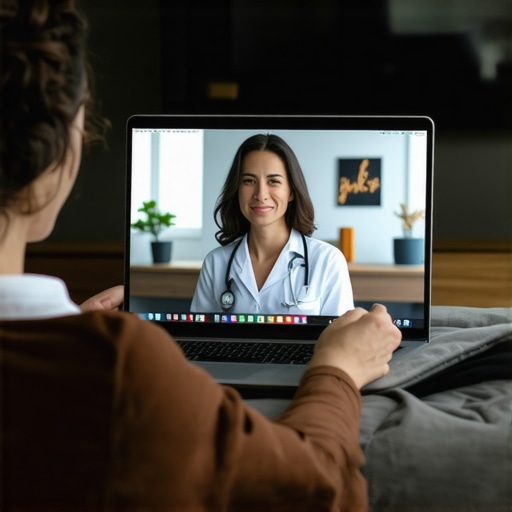
I remember the moment vividly. I was at work, eyes glued to my computer screen when suddenly, a wave of uncontrollable anxiety slammed into me. My chest tightened, my vision blurred slightly, and I felt completely powerless—all in the middle of an important meeting. Frantically, I reached for my phone, hoping to find quick help, but in a crowded office, the idea of rushing to a doctor’s office seemed impossible and overwhelming. That lightbulb moment made me realize how much I underestimated the power of instant virtual healthcare.
Why a 5-Minute Telehealth Check-In Could Save You in a Crisis
When panic strikes unexpectedly—a situation many of us face at some point—the last thing you want is to wait for hours or spend precious minutes securing an appointment or visiting an ER. Thankfully, with the rise of telehealth, you can now access a healthcare provider from the comfort of your home or even your desk in just minutes. This isn’t just about convenience; it’s about responding effectively in critical moments, managing symptoms early, and preventing escalation.
Imagine this: you’re mid-anxiety attack, your breathing is fast, and you’re unsure whether it’s just stress or if you need urgent medical attention. A quick telehealth check-in can provide immediate reassurance, guidance, and if necessary, prescription adjustments or recommendations to calm your systems promptly. According to a recent study, virtual consultations have proven effective in managing acute symptoms, including anxiety and panic attacks, significantly reducing the need for emergency room visits. This makes telehealth a crucial tool in our wellness toolkit.
But I know what some of you might be thinking—”Is telehealth actually reliable for something as serious as a panic attack?” That’s a fair question. Early in my experience, I made the mistake of assuming remote care couldn’t replace face-to-face visits, especially for mental health emergencies. However, I quickly learned that trained professionals can offer immediate strategies, medication adjustments, or referrals, making a noticeable difference when every second counts.
So, if you’ve ever found yourself battling sudden panic, or worried about what to do without immediate medical access, I want to show you how to leverage quick telehealth check-ins. We’ll go through the simple steps to prepare, what questions to ask, and how to make sure you’re maximizing this powerful tool for your wellness. Ready to take control of those overwhelming moments? Let’s get started.
Prepare Your Environment for a Seamless Telehealth Visit
Just like tuning your car before a long drive, setting up your environment ensures smooth virtual consultations. Find a quiet, well-lit space where distractions are minimal. Keep your device charged and consider using headphones to improve audio clarity. I once scheduled a last-minute mental health session from a noisy cafe, which made it hard to focus, highlighting the importance of a dedicated space.
Gather Your Medical Information in Advance
Think of this as packing for a trip—having everything ready saves time and reduces stress. Collect your current medications, vaccine records, and recent lab results. For instance, I kept digital copies of my recent blood tests, which helped my doctor quickly assess my health during a virtual appointment. If you need to update your immunization status, the process is straightforward through telehealth platforms, allowing you to upload documents securely. Learn how to update your vaccine record via telehealth in minutes.
Use Digital Tools Efficiently
Leverage apps and online portals to streamline your data sharing. Upload images of your vaccine certificates or lab reports directly within the telehealth platform. This approach reduces gaps and enhances communication. Remember, secure your information by reviewing privacy policies, like the one found at Vital Clinic’s privacy policy.
Ask Precise Questions to Get the Most from Your Consultation
Be specific to receive actionable advice. For example, rather than asking, “Am I okay?” specify, “Based on my blood pressure readings, do I need a medication adjustment?” I once prepared a list of questions about my lab results, which helped my provider pinpoint issues quickly. This step ensures you don’t miss critical details during a limited time slot.
Follow Up with Personalized Action Plans
Treat your telehealth session as a stepping stone to better health. Request tailored recommendations, such as adjusting your supplement regimen or scheduling additional tests. If you’re considering vaccinations or lab tests, explore strategies to optimize these, like combining vaccinations and lab testing for efficiency. Check out how to maximize your health by combining vaccinations and lab testing strategies. After the call, review your plan and set reminders to follow through on prescriptions or tests.
Maintain a Digital Health Journal
Track symptoms, medication changes, and appointments digitally. This record helps identify patterns and prepares you for future consultations. I started a simple spreadsheet, noting how I felt after each medication adjustment, which proved invaluable during follow-ups. Consistent documentation ensures your care remains personalized and proactive.
Many people assume that telehealth and modern medical strategies are straightforward, but understanding the nuanced realities can greatly enhance your health journey. One common misconception is that virtual care is less precise than in-person visits; however, experts emphasize that with proper data collection and communication, telehealth can be just as effective for complex health assessments. For instance, tracking specific lab markers remotely using digital tools allows for comprehensive monitoring that was previously only possible during face-to-face visits. Yet, many overlook the importance of ordering the right tests. A frequent mistake is relying solely on standard panels, which might miss early signs of inflammation or metabolic stress—vital indicators for preventive health. Instead, targeted testing, such as specific inflammation markers, can reveal underlying issues before symptoms manifest, as highlighted in recent research published in the Journal of Preventive Medicine. Moreover, many believe vaccinations are a one-size-fits-all process; in reality, personalized vaccination schedules can significantly improve disease prevention outcomes, a strategy detailed on Vital Clinic’s site. A hidden nuance often ignored is the risk of assuming lab results are fully comprehensive. Lab tests are snapshots influenced by diet, hydration, and timing—factors that can lead to misinterpretation if not contextualized properly. For example, doing blood work immediately after consuming certain foods can mask deficiencies or inflammation levels, which is why fasting protocols are crucial before testing. Finally, the allure of quick solutions might tempt you to skip detailed planning, such as combining lab tests with vaccinations for efficiency. This approach optimizes time and health benefits, a concept explained in depth at this article. Understanding these subtle but critical aspects can prevent costly mistakes and lead to genuinely personalized wellness plans. Have you ever fallen into this trap? Let me know in the comments.Maintaining an effective remote healthcare routine requires reliable tools and consistent strategies. One essential piece of equipment I personally rely on is a high-quality webcam like the Logitech C920, which offers crisp video clarity and dependable connectivity for telehealth visits. Paired with noise-canceling headphones like the Bose QuietComfort series, I ensure clear communication during virtual consultations, free from background distractions. On the software side, I use secure health portals such as MyChart or the patient-specific apps provided by telehealth platforms, which allow seamless document uploads, appointment scheduling, and prescription management—making the process straightforward and private. For lab work tracking, I prefer digital health journals like MySymptoms or Apple Health, which enable detailed symptom logging and trend analysis to effectively prepare for your virtual check-ins. As for long-term results, I regularly review data collected through these tools to identify patterns and adjust my wellness strategies accordingly. Looking ahead, I believe these digital tools will become even more integrated with AI-powered analysis, providing personalized insights and early warnings—potentially transforming preventive care. For example, emerging research emphasizes the importance of tracking specific inflammation and metabolic markers remotely, allowing proactive interventions before symptoms fully develop (see https://vitalclinicmd.com/understanding-the-role-of-lab-tests-in-preventive-wellness). So, how do I keep my tools working smoothly? Routine maintenance is key—regularly updating software, calibrating devices, and backing up data ensures everything functions optimally. Additionally, I schedule monthly system checks to confirm my devices are running the latest firmware and security patches, protecting my privacy as outlined in https://vitalclinicmd.com/privacy-policy. To maximize your longevity with these tools, avoid dragging your device unnecessarily into complex environments; instead, dedicate a quiet, Wi-Fi-optimized space for virtual visits, which minimizes disruptions and technical glitches. Also, consider investing in an external hard drive or cloud backup service for your health data—this practice ensures you won’t lose vital information if hardware fails. I encourage you to implement one advanced tip today: synchronize your digital health journals with your calendar alerts to remind you of upcoming lab tests, vaccinations, or medication refills, keeping your wellness plan on track effortlessly. Remember, consistent maintenance of your tools isn’t just about hardware; it’s about creating a seamless, reliable system that supports your health goals over time. Ready to perfect your digital health setup? Start with reviewing your current devices and updating any outdated software or accessories to ensure your virtual health journey stays uninterrupted.
The Hardest Lesson I Learned About telehealth,lab tests,wellness,vaccinations
One of the most profound lessons was realizing that not all virtual consultations are created equal; the depth of data and communication style truly affect outcomes.
3 Myths About telehealth,lab tests,wellness,vaccinations That Held Me Back
I used to believe that virtual care couldn’t replace in-person visits for complex issues—that was wrong. Also, I thought lab tests were always standard and reliable, but many miss early warning signs without targeted analysis.
What Experts Won’t Tell You About telehealth,lab tests,wellness,vaccinations
Many professionals overlook the role of personalized test selection, like inflammation markers, which can preempt larger health issues before symptoms appear. Knowing these hidden factors can transform your wellness approach.
My Essential Toolkit for Digital Wellness
- Secure Health Portals: crucial for seamless data sharing; I rely on platforms like MyChart for real-time updates.
- Reliable Devices: a high-quality webcam and noise-canceling headphones ensure clear communication during every virtual visit.
- Digital Monitoring Apps: tools like Apple Health help track symptoms and lab results over time, providing invaluable insights for providers.
Your Journey Starts Now
Empower yourself by embracing these technological and strategic tools for telehealth, lab testing, and vaccinations. Remember, taking proactive steps today can safeguard your health tomorrow—don’t wait for symptoms to drive action. If you haven’t already, explore how personalized vaccination schedules and targeted lab tests can revolutionize your wellness path (learn more here), and keep pushing toward a healthier, more informed you. Your health is worth it—start today!
What has been your biggest breakthrough in managing wellness virtually? Share your stories below and inspire others on their path to better health.