
How to Handle a Sudden Prescription Gap Over the Weekend
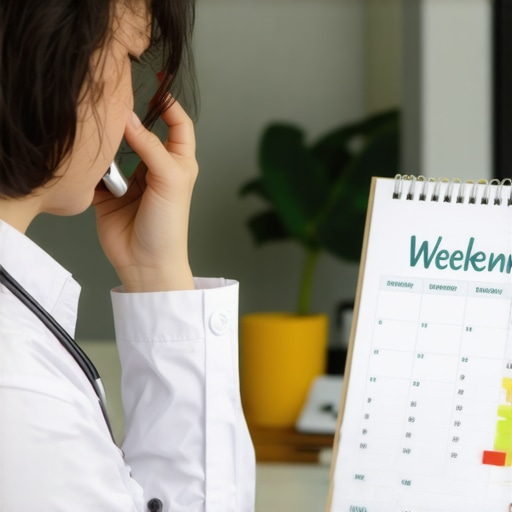
Imagine waking up on a Saturday morning, feeling that sinking dread—your prescription medicine has run out, and the pharmacy isn’t open until Monday. I’ve been there, caught off guard when my routine suddenly hits a snag. That lightbulb moment when I realized, “What do I do now?” can be unsettling, especially since your health shouldn’t have to wait for business hours.
The Weekend Prescription Dilemma: It’s More Common Than You Think
For many of us, medications are a vital part of daily wellness. When a prescription runs dry unexpectedly, the immediate concern is often: “Is this dangerous? Will my condition worsen?” The truth is, sometimes a temporary gap doesn’t have to spiral into a health crisis. But it does require quick thinking and a little know-how, which I wish I had learned early on. Transitioning smoothly from Friday to Monday without missing doses or causing unnecessary stress can make all the difference.
Check if Your Medication Has Flexible Alternatives
One mistake I made early on was assuming I had to wait for a refill without exploring other options. Turns out, some medications can be substituted or adjusted safely if you consult your healthcare provider. Virtual care services, like telehealth innovations, allow you to get quick advice and even emergency prescriptions without leaving home. This can be a lifesaver when office hours are over.
If you’re unsure about your medication’s stability or the possibility of temporary substitutes, consider reviewing your prescription plan or talking to your pharmacist ahead of time. It’s surprising how many medications have emergency protocols, which can be accessed through your healthcare provider or pharmacist. For insight into how lab tests and regular checkups can help you stay ahead, visit this resource.
Why Planning Ahead Can Save You During Those Unpredictable Moments
Staying proactive about your wellness—by keeping an updated medication list, scheduling regular check-ins, and understanding your treatment plan—can make handling weekend surprises much easier. If you’ve faced this dilemma before, you’re not alone. Many don’t realize how beneficial it is to have a plan in place before an emergency strikes. It can prevent unnecessary stress and ensure continuity of care.
So, have you encountered a prescription gap over the weekend? How did you handle it? Share your experiences or drop your questions below. Remember, there are simple steps you can take today to transform this common issue into a manageable part of your wellness journey.
.
Quickly Access Emergency Medications
If you find yourself without your medication on a weekend, call your pharmacist immediately. Many pharmacies have protocols for providing emergency supplies, especially for chronic medications like hypertension or diabetes drugs. When I faced this last summer, I called my local pharmacy and explained my situation. They directed me to a nearby urgent care, where I obtained a temporary prescription through telehealth consultation—saving me from a stressful weekend and potential health risks.
Leverage Telehealth for Immediate Advice
Utilize virtual care services for urgent questions or prescriptions. Platforms like telehealth innovations function like a 24/7 emergency room accessible from your couch. During my last prescription shortage, I booked an appointment and received a digital prescription within an hour, avoiding unnecessary trip to urgent care and maintaining my medication schedule.
Develop a Robust Planning System for Medications
Maintain an up-to-date medication list stored digitally and physically. I created a simple spreadsheet linked to my health records, updated quarterly. This way, when I ordered refills, I could verify my current medications quickly. For example, I discovered I could switch temporarily to a generic alternative from my pharmacist—saving time and money. This proactive step reduces stress when schedules are tight and prevents last-minute scrambling.
Schedule Regular Wellness Checks
Set recurring appointments for lab tests and checkups. Regular testing, such as wellness checks, can uncover hidden issues that may aggravate if left unmonitored. I recently scheduled a quarterly health review that included blood pressure, glucose, and vitamin D levels. When my results showed borderline vitamin D deficiency, I promptly adjusted my supplement routine, preventing potential fatigue or immune issues later. This proactive approach mimics a mechanic regularly tuning a car to prevent breakdowns.
Embark on a Preventive Lab Testing Plan
Identify essential lab markers, such as key lab tests, tailored to your age and health history. I scheduled a panel that checked for inflammation markers, hormone levels, and nutrient deficiencies. An unexpected result was elevated CRP levels, indicating early inflammation. Acting on this knowledge, I incorporated anti-inflammatory foods and scheduled follow-up tests, which improved my overall health. Think of lab tests as the diagnostic tools in an engineer’s toolbox—crucial for pinpointing issues before they become crises.
Explore Personalized Vaccination Schedules
Consult your healthcare provider about custom vaccination plans. When traveling abroad, I used a virtual consultation to determine which vaccines I needed and scheduled appointment slots to fit my busy schedule. This ensured I stayed protected without last-minute stress, like booking last-minute flights. Personalized schedules help you optimize protection based on your lifestyle, age, and health conditions—much like customizing a car for optimal performance.
Integrate Strategies for Long-Term Wellness
Combine regular lab testing, vaccination planning, and telehealth check-ins into a cohesive wellness routine. During a recent health overhaul, I set quarterly reminders to review my health data online, update vaccinations, and consult virtually for new issues. This integrated approach allowed me to stay ahead of potential health problems, keeping me feeling energized and in control. Consider it as maintaining a garden: consistent care and adjustments promote healthy growth over time.
Stay Updated With Certification and Records
Keep digital and physical copies of all health records, including vaccination history, lab results, and prescriptions. I used a secure online portal to store my vaccination certificate, making it easy to verify or share during travel or with new providers. Ensuring these records are accessible prevents delays and protects your health data privacy—explained further at privacy policy.
Many people assume they fully understand vaccinations, wellness routines, or the role of lab tests, but beneath the surface lie misconceptions that can undermine your health management strategies. A common myth is that more frequent testing or vaccination equals better health; however, excessive or unnecessary interventions may lead to confusion and overlooked nuances. For instance, embracing telehealth without knowing its limitations might cause delays in diagnosing complex conditions, especially when physical examinations are crucial. One trap to avoid is relying solely on standard panels or routine checks without considering individual risk factors—this can result in missing hidden health risks that targeted testing could unveil, as discussed in [how-lab-tests-can-detect-hidden-health-risks-early-in-your-wellness-pathway](https://vitalclinicmd.com/how-lab-tests-can-detect-hidden-health-risks-early-in-your-wellness-pathway). Advanced patients often ask about the optimal frequency of lab testing or vaccinations; my experience shows that personalized plans, developed with healthcare professionals, outperform generic schedules. A sophisticated question to ponder is: “How can I leverage telehealth to uncover subtle, yet significant, health issues that span beyond what standard in-person visits typically catch?” Studies suggest that virtual care, combined with strategic testing, enhances early detection and boosts long-term outcomes. Yet, an often-overlooked nuance is that telehealth might not be suitable for diagnosing or managing certain chronic conditions that require detailed physical assessments, underscoring the importance of understanding when in-person visits are indispensable. To optimize your wellness journey, make sure your approach is evidence-based, tailored to your unique needs, and incorporates a nuanced understanding of each tool’s strengths and limitations. Have you ever fallen into this trap? Let me know in the comments. Remember, unearthing these subtle truths empowers you to make smarter health decisions and avoid costly pitfalls.
Invest in Digital Health Records for Seamless Monitoring
One of the most effective tools I personally rely on is a comprehensive digital health record system. I use a secure cloud-based platform that allows me to store and access all my vaccination history, lab results, and medication lists. This practice ensures that whenever I visit a new provider or need to verify my immunization status for travel, I can quickly retrieve accurate information. Keeping digital copies also helps prevent the loss or misplacement of essential documents, which can delay critical care. To safeguard your data, I recommend reviewing the platform’s privacy policies (see privacy policy) and choosing reputable services that prioritize security.
Leverage Lab Testing for Preventive Care
Regular lab tests are crucial for long-term health maintenance. I schedule comprehensive panels that focus on markers like inflammation (CRP), vitamin D, and blood sugar levels, which can reveal hidden issues before they manifest as symptoms. For example, I recently discovered a borderline inflammation marker, prompting me to adjust my diet and supplement intake, which improved my overall energy and wellness. The key is integrating these tests into a consistent routine—ideally every six to twelve months. For specifics on which tests to consider, check out this detailed guide.
Adopt Telehealth for Ongoing Monitoring
Telehealth isn’t just for urgent care—it’s an invaluable tool for ongoing wellness management. I set up periodic virtual check-ins with my healthcare team to review lab results, discuss new symptoms, or update my vaccination plan. Telehealth allows me to maintain continuous care without the hassle of frequent clinic visits, especially during busy months. Platforms like this innovative telehealth service have made it easier to receive personalized guidance from the comfort of my home. As telehealth continues to evolve, I predict it will integrate more wearable device data for real-time health tracking, making long-term maintenance even more precise.
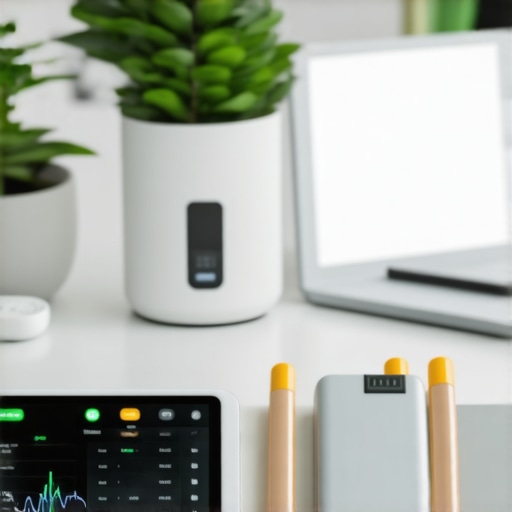
Imagine a sleek setup where your smartphone, digital health records, and home testing kits work together seamlessly, providing a comprehensive picture of your wellness. An ideal image would feature a modern home office with a tablet displaying health metrics, a blood sample collection kit, and a laptop open to a health portal. Alt Text: Digital health tools for wellness management. Title: Streamlining Your Wellness Routine with Tech Tools.
How do I maintain my preventive health tools over time?
The secret to long-term success lies in integrating these tools into your daily habits. Schedule quarterly reviews of your health data, set calendar reminders for lab tests, and regularly update your vaccination schedule. Developing this routine ensures that your tools remain effective and your health information stays current. Remember, technology can be a double-edged sword—while it simplifies health management, complacency can lead to gaps. Stay proactive, and periodically reassess your tools and methods to adapt to new health concerns or technological advancements. For a deeper dive into optimizing your wellness tools, explore this comprehensive resource.
Lessons Hidden in My Journey with Preventive Care
One of the most eye-opening lessons I learned was the value of proactive planning—waiting until an emergency happens often means compromise. I realized that having a detailed, up-to-date health record made chasing down missing vaccinations or lab results a breeze, saving me time and stress.
Another insight was the power of personalized health strategies. Generic advice rarely fits our unique needs. Engaging with healthcare providers to tailor my vaccination schedule and lab testing plan helped me avoid unnecessary procedures and focus on what truly matters for my wellness.
The biggest lightbulb moment came with embracing technology—not just as a convenience but as a vital tool. Telehealth platforms, combined with digital records, transformed how I manage chronic conditions and preventive care. It’s about turning technology into an extension of your health team.
My Go-To Resources for Staying Ahead in Wellness
My first stop is this guide on lab testing. It demystifies how targeted tests can reveal hidden health risks before they escalate, empowering me to act early. For virtual care, I trust telehealth insights—they’ve saved me countless trips and made health management accessible. Keeping my health records secure with this privacy-focused platform ensures my data stays protected while I stay in control. Lastly, I consult regular wellness check guidelines to stay on top of vital metrics that influence my long-term health.
Your Next Step to Wellness Power
Embarking on a journey of organized, proactive health management isn’t just about preventing illness—it’s about reclaiming control. Using digital tools, personalized plans, and telehealth resources, you can transform your approach to vaccinations, lab tests, and ongoing wellness. The future belongs to those who prepare today, not tomorrow—so why wait to become your healthiest self? Share your experiences or ask your questions below, and let’s build healthier habits together.