
How to handle the 3 p.m. crash without reaching for more sugar

Have you ever found yourself desperately reaching for that last cookie or candy bar around 3 p.m., only to realize it’s become a daily ritual? I used to dismiss those energy dips as nothing more than a necessity—just part of the afternoon grind. But one day, after a particularly sluggish afternoon, I had a lightbulb moment. What if my constant sugar cravings weren’t just habit but a sign that I was missing something crucial in my wellness routine? That realization changed everything.
Why Your Afternoon Slump Is More Than Just a Lack of Coffee
Many of us brush off that 3 p.m. crash as normal. We chalk it up to busy schedules or a lack of sleep. But scientifically speaking, this energy dip often signals that your blood sugar is plummeting or your hormones are out of balance. It’s a sign your body is craving quick fuel because it’s running low on sustainable energy sources. Instead of reaching for more sugar, understanding the root cause can help you tame that crash for good.
According to recent research, nearly 60% of adults experience a mid-afternoon energy dip that impairs productivity and mood. And guess what? It’s often avoidable with the right approach to nutrition and wellness. I personally learned this the hard way—early on, I kept relying on caffeine and sweets, which only led to more crashes and health worries. It was a mistake I see many making—that quick fix that spirals into longer-term issues.
Are Natural Remedies Really Enough to Beat the Crash?
Initially, I believed that snacking on fruit or sipping herbal tea could solve my energy problems. While those natural options help, they aren’t a magic cure. The real solution lies in a holistic approach—balancing blood sugar, improving sleep, and supporting your metabolism with proper lab testing. For that, I recommend exploring comprehensive health strategies, like regular wellness checks, which can reveal hidden deficiencies or hormonal imbalances that sabotage your energy levels. You might want to start by understanding the importance of routine lab tests—see how they can be your secret weapon in resolving persistent fatigue. Find out more about why regular lab tests are critical here.
So, if you’ve faced this midday slump more often than you’d like, you’re not alone—and there’s a way out that doesn’t involve more sugar. Let’s dive into simple, practical strategies to keep your energy steady and your cravings in check, starting today.
First, set a recurring reminder to schedule comprehensive health assessments, including lab tests like thyroid, vitamin D, and blood sugar levels. I personally booked my first wellness check using telehealth services—think of it as a video call with a health expert, but instead of a clinic, you’re in your living room. This approach eliminated waiting rooms and streamlined my appointments. Regular tests reveal hidden issues like insulin resistance or hormonal imbalances, providing clarity beyond symptoms. For example, my recent lab results showed elevated inflammation markers I didn’t suspect, prompting targeted dietary changes—something I discuss further here.
Next, focus on dietary habits that stabilize blood glucose. Instead of grabbing sugary snacks, I replaced them with high-protein nuts and fiber-rich vegetables, which act like a buffer, preventing sharp blood sugar dips. Think of your blood sugar as a roller coaster—natural, steady hills beat wild drops. I learned this the hard way when I tried an afternoon fruit smoothie, only to be hit with a brutal crash two hours later. A better approach involves understanding your body’s signals and adjusting your meals accordingly. Plus, supplementing with micronutrients through vetted lab tests can fine-tune your nutritional intake. Discover how lab tests can identify deficiencies here.
Simple exercises like brisk walking or stretching can restore alertness immediately. I once took a quick 5-minute walk around the block after noticing my energy waning during work, and it made a significant difference—imagine rebooting your computer with a fast system refresh. Regular movement increases blood flow and releases endorphins, acting as natural energizers. Consider setting interval alarms to remind yourself to stand and move, especially during long desk sessions. If you’re unsure about safe exercises, telehealth provides virtual consultations to tailor activity plans specific to your needs here.
Dehydration can mimic fatigue—think of your body as a car running low on fuel. I recommend keeping a water bottle nearby and sipping steadily rather than chugging large amounts infrequently. Herbal teas with adaptogens can also support adrenal health, which influences energy production. But beware; overly caffeinated drinks may spike cortisol, causing more crashes. Practice mindful hydration, and listen to your body’s thirst signals. Additionally, telehealth services now enable you to consult with hydration specialists remotely, ensuring you’re on the right track without unnecessary clinic visits here.
Finally, prioritizing vaccinations and immune support is a game-changer for consistent energy. Think of vaccines as shields that prevent infections which drain your vitality. I used to overlook this until I got a personalized vaccination schedule through a telehealth provider—saving time and reducing exposure risks. Regular immunizations, combined with lifestyle tweaks, can markedly improve overall health. Explore how bespoke vaccination plans attend to your unique needs here. These strategies collectively turn midday sluggishness into a thing of the past, empowering you to maintain steady energy throughout the day.When it comes to personalized health, many assume that routine lab tests, vaccinations, and telehealth services are straightforward tools that offer clear-cut answers. However, beneath the surface lies a complex landscape riddled with misconceptions and pitfalls. Let’s dig deeper into some common myths and advanced mistakes that even seasoned health enthusiasts often overlook.
A prevalent misconception is that all lab tests are equally informative. In reality, the specificity and timing of these tests matter greatly. For example, relying solely on standard lipid panels may miss critical markers like lipoprotein (a) or small LDL particles, which are more predictive of cardiovascular risk. Expert clinicians emphasize targeted testing, such as regular lab evaluations tailored to your health profile, for meaningful insights.
Another misconception revolves around vaccinations. Many believe a single booster once is sufficient indefinitely. But immunological memory varies among vaccines; some require periodic re-administration to maintain optimal protection. Overlooking this nuance can leave you vulnerable. Personalized vaccination schedules, informed by antibody titers, can be more effective—see how personalized plans are game-changers.
The rise of telehealth has revolutionized access, yet many think that virtual visits can completely replace in-person examinations. While telehealth offers convenience, it’s crucial to recognize its limitations, especially for diagnostics that depend on physical assessments or complex lab work. There’s a common trap of trusting telehealth for everything, which can delay crucial diagnoses. Efficiently combining virtual consultations with lab testing—like bloodwork ordered remotely—is a sophisticated approach? Explore more about telehealth’s potential.
A surprising pitfall is the assumption that all labs and wellness tests are covered or reimbursed the same way. Many are unaware of the importance of understanding your coverage and opting for labs that focus on predictive markers rather than generic screening tests. This oversight can result in false reassurance or missed opportunities for early intervention.
Make no mistake: blindly trusting these tools without understanding their limitations may do more harm than good. For instance, a comprehensive analysis of inflammation markers like hs-CRP alongside traditional labs offers a more complete picture of your heart health—discover why knowing your labs in depth is vital.
So, before relying solely on the surface-level information, educate yourself about the nuances and advanced strategies that health experts employ. Asking the right questions—like whether your lab tests are capturing the full scope of your risk factors or if your vaccination schedule accounts for immunity decay—can lead to better outcomes. Have you ever fallen into this trap? Let me know in the comments.
How do I maintain my health strategies over time?
Staying consistent with wellness routines can be challenging, especially when juggling busy schedules. That’s where specific tools and systems come into play. I personally rely on a combination of advanced lab testing, secure telehealth platforms, and digital tracking to ensure my health remains optimal. These tools not only help me catch issues early but also streamline my ongoing wellness efforts.
One of my most valuable investments is a continuous glucose monitor (CGM). Devices like the Abbott Libre or Dexcom G6 offer real-time blood sugar readings, which are invaluable for fine-tuning diet and activity levels. I use these devices to observe how specific foods or stress impact my blood glucose, enabling me to make precise adjustments. As research shows, tracking blood sugar trends over time informs better dietary choices and reduces the risk of metabolic issues here.
For comprehensive labs, I advocate for *at-home testing kits* that can be ordered remotely. These are particularly useful for hormone panels, vitamin D levels, and inflammatory markers. Regular lab assessments, recommended at least once a year, help detect deficiencies and hormonal imbalances that are often missed during routine physicals. Regular testing is a cornerstone of preventive health—see why here.
To synchronize care and keep track of health data, I integrate a secure digital platform—preferably a HIPAA-compliant app—that consolidates lab results, vaccination records, and medical notes. Digital dashboards give a holistic view of your health status, helping identify patterns that might otherwise go unnoticed. As telehealth continues to advance, virtual consultations with specialists become easier and more frequent. Platforms like these innovative services are transforming how we access personalized care.
When planning my vaccinations, I use an app that tracks my immunization history and alerts me when boosters or specific vaccines are due. Personalized vaccination schedules, tailored to my age, health status, and travel plans, ensure I stay protected. To learn more about customizing your immunizations, check here.
Looking ahead, the trend is moving toward integrated health platforms that combine blood testing, telehealth, wearables, and AI-driven analytics. These systems will provide predictive insights, allowing proactive adjustments to prevent illness rather than just reacting to symptoms. The key is to embrace these tools now, maximizing their potential for long-term benefit.
What’s the best way to keep your wellness tools effective long-term?
Consistency is vital. Establish routine testing schedules, regularly review your data, and use telehealth services to consult with professionals when needed. A good practice is to set calendar reminders for lab re-evaluations and health check-ins, turning health maintenance into a habit. Experiment with integrating new tools like wearable devices or advanced test kits to refine your approach. Remember, the entire system hinges on a proactive mindset—staying ahead keeps wellness sustainable.
Want to try one of these advanced strategies today? Start by incorporating a continuous glucose monitor into your routine. It provides instant feedback, empowering you to make smarter dietary choices. For setup guidance and personalized advice, explore this detailed resource and consider a virtual consultation to tailor the best plan for you.
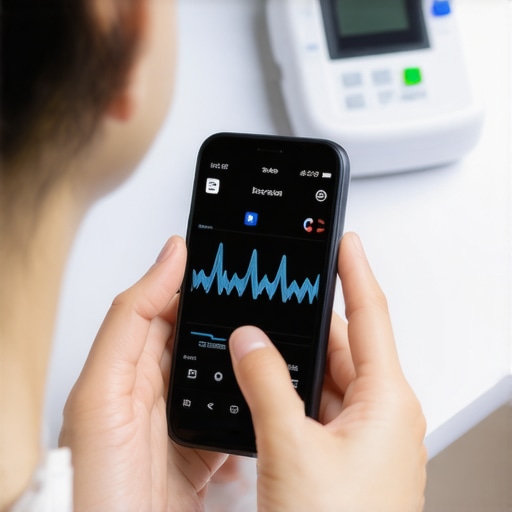
Lessons Most Don’t Discover About Virtual Wellness
- One of the hardest lessons I faced was realizing that standard lab tests often miss the nuanced markers crucial for true health insights. It taught me to request targeted evaluations like lipoprotein(a) and small LDL particle counts, which provide a clearer picture of heart risk. Only by going beyond routine panels can you truly understand your body’s needs.
- Another revelation was the importance of tracking my immune health proactively. While many believe annual vaccines suffice, I learned that personalized vaccination schedules, based on antibody titers, could significantly boost protection—especially in today’s unpredictable viral landscape. It’s a game-changer for long-term immunity.
- Accessing care through telehealth opened my eyes to the convenience of remote labs and specialist consultations. But I also discovered the critical need to know the limits of virtual visits. Combining telehealth with precise at-home testing ensures comprehensive care without unnecessary delays or missed signals—an approach I now swear by.
- The biggest lightbulb moment? Understanding that quick fixes like sugar or caffeine are band-aids, not solutions. Prioritizing balance—through nutrition, movement, and hydration—has transformed my energy levels. It’s about creating sustainable routines tailored to your unique biochemistry rather than chasing fleeting highs.
Tools and Resources That Redefine Wellness
- At-Home Lab Testing Kits: These have become my baseline for ongoing health monitoring. They’re affordable, convenient, and reveal hidden deficiencies or hormonal imbalances that standard exams often overlook. Trusted providers like regular lab evaluations form the cornerstone of my preventive approach.
- Continuous Glucose Monitors (CGMs): Devices like Dexcom or Abbott Libre provide real-time insight into my blood sugar fluctuations. Knowing how foods and stress impact my levels empowers me to make smarter dietary choices daily, helping prevent metabolic issues before they escalate.
- Secure Telehealth Platforms: Collaborating with health professionals remotely has made regular check-ins seamless. These platforms allow me to combine virtual consultations with ordering labs, scheduling vaccinations, and tracking progress—making long-term wellness approachable and personalized.
- Personalized Vaccination Schedules: Using apps that track immunization history and recommend boosters ensures I stay protected without unnecessary shots. It’s a simple tool with profound impact, especially as immunity wanes over time, which I explore more here.
Cheers to Your Next Level of Wellness
Embarking on a journey of personalized, well-informed health decisions is about more than just quick fixes; it’s about empowering yourself with knowledge and tools tailored specifically to your body’s unique story. Small steps like scheduled labs, regular movement, and strategic vaccinations can build a resilient foundation for lifelong vitality. Remember, the future of wellness is increasingly accessible, proactive, and personalized, so why not start today? How are you planning to incorporate these insights into your health routine? Share your thoughts below—I’d love to hear your next step towards optimal wellness!