
How to Manage Seasonal Allergy Symptoms Using Virtual Urgent Care
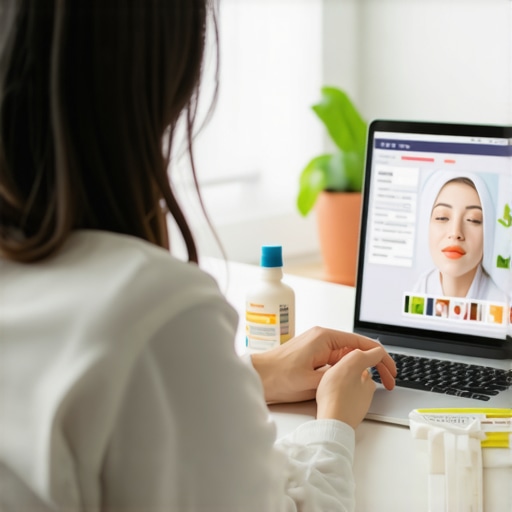
I remember the first spring after moving to a new city—gusts of pollen seemed to cling to everything, and my itchy eyes, sneezing fits, and runny nose turned my days into a relentless battle. Despite trying over-the-counter remedies and avoiding the worst-ragweed hotspots, nothing truly brought relief. One evening, exhausted and frazzled, it hit me—all the trips to crowded clinics, the waiting rooms, and the hours lost, all just for a quick consultation that I could have easily handled from home. That was my lightbulb moment: virtual urgent care could be a game-changer, especially during allergy season.
Struggling with seasonal allergy symptoms every year?
If you’re like I was, battling pollen, dust, or pet dander without a clear plan, you might feel overwhelmed and frustrated. Allergies can turn even the most beautiful spring days into misery, and trying to manage symptoms with a mix of unreliable home remedies often feels like guessing. But what if I told you that you don’t have to suffer in silence or spend precious hours at a clinic? With the rise of telehealth services, managing allergy symptoms has become more accessible, efficient, and tailored to your needs.
Many people don’t realize that virtual care isn’t just for emergencies or chronic conditions—it’s also perfect for quick allergy management and preventive strategies. I learned this the hard way early on—trusting only traditional in-office visits but missing out on the convenience and timely support telehealth can offer. There’s a common mistake I made that I want you to avoid: delaying consultation until symptoms become unbearable, which can lead to unnecessary discomfort and complications. Instead, proactive use of virtual services allows you to consult with healthcare professionals from the comfort of your home, often with same-day appointments.
For more insights on how regular check-ins and lab tests fit into this picture, you might find this article about [the importance of lab tests for wellness](https://vitalclinicmd.com/why-regular-lab-tests-are-critical-for-your-wellness-journey) helpful. It highlights the role of understanding your body’s signals and tailoring treatment plans accordingly. But before jumping into solutions, let’s address some common concerns—like whether virtual care truly works for allergy management. Spoiler alert: it does, if used correctly.
In the following sections, I’ll share practical steps to harness telehealth for allergy relief, including how to prepare, what questions to ask, and how virtual services can help you avoid unnecessary hospital visits. Ready to reclaim those spring days? Let’s get started.
Prepare Your Home and Documents
Start by organizing your health history and allergy triggers. Make a list of recent symptoms, medications, and any previous lab results. Take photos or scan relevant documents to upload during your virtual consultation, ensuring your doctor has full context. Clear your space for a quiet, well-lit environment, which helps during video calls, and have your insurance info ready. Think of this step as laying a solid foundation—like assembling the tools before fixing a car—so your virtual visit runs smoothly.
Order Lab Tests Online and Understand Your Results
Next, leverage telehealth platforms to order specific lab tests that can pinpoint hidden sources of inflammation or deficiencies affecting your allergy symptoms. For example, testing for certain inflammatory markers could reveal underlying issues exacerbating your allergies. When results arrive, use online portals to review and compare them with recommended reference ranges. Imagine lab test data as a map highlighting trouble spots; understanding this map enables targeted action rather than guesswork.
Use the analogy of an engine check-up:
Just like a mechanic diagnosing subtle engine problems through specialized diagnostics, lab tests reveal hidden health signals. By requesting tests such as the one key inflammatory marker, you gain insight into your body’s internal environment, helping to tailor your allergy management plan effectively.
Integrate Personalized Vaccinations and Supplements
Once lab results identify specific deficiencies or immune vulnerabilities, consider a personalized vaccination schedule or targeted supplements. Telehealth services now facilitate scheduling vaccines tailored to your needs without clinic visits; think of it as having a personal concierge for health. For example, if tests show low vitamin D, your provider can recommend appropriate supplementation—helping your immune system stay resilient against allergens and other pathogens. To optimize this process, check out resources on personalized vaccination plans.
Schedule Follow-Ups and Continue Monitoring
Set up regular virtual check-ins to track symptom progression and lab markers. Use telehealth to adjust treatments promptly—saving you trips and reducing delays. Think of this as a driver’s dashboard: real-time data helps you steer clear of worsening conditions. Additionally, some platforms allow you to order repeat labs or medications with a few clicks, streamlining ongoing care. Remember, continuous monitoring is key to adapting your allergy treatment plan before symptoms escalate.
Many individuals believe they understand the basics of lab tests, vaccinations, and telehealth, but there are often overlooked nuances that can significantly impact your health outcomes. A common myth is that all lab tests are created equal—many think ordering a standard panel is enough. In reality, strategic testing tailored to your unique profile, such as requesting specific markers like inflammatory markers, can provide early insights into hidden health risks. Relying solely on generic tests might miss subtle signals, delaying critical interventions. This mistake can be costly; proactive, personalized testing is the key to true preventive care.
When it comes to vaccinations, a widespread misconception is that once you’re vaccinated, you’re fully protected for life. However, immunity can wane over time—especially for vaccines like tetanus or certain travel immunizations—and booster doses become essential. Many skip regular updates, assuming their records suffice. To ensure optimal immunity, consider requesting up-to-date immunization schedules via telehealth, which makes routine updates easier than ever.
Most people see telehealth as inferior to in-person visits, but the misconception that virtual care lacks nuance is false. High-quality telehealth platforms now incorporate sophisticated diagnostic tools and data-sharing capabilities, making remote assessments more comprehensive. Yet, a trap to avoid is thinking telehealth is suitable for all concerns; complex symptoms may require in-person evaluations. The sweet spot lies in utilizing telehealth for routine monitoring and immediate access, reserving in-depth diagnosis for when necessary. Learn more about optimizing telehealth for wellness in preventive care.
Another overlooked aspect is the importance of continuous monitoring. Many assume a single lab test provides a full picture. This is a mistake. Chronic wellness requires **regular check-ins** and dynamic testing to track progress over time. For example, monitoring hormonal or inflammatory markers periodically can reveal trends and prompt timely interventions. Think of lab testing as a series of snapshots—collectively, they tell your health story more accurately than a one-time glance.
So, are you falling prey to any misconceptions about your health tests or virtual care? Remember, typical assumptions can hinder proactive wellness strategies. Real expertise involves understanding these layers. Want to learn more about integrating these insights into your routine? Check out maximizing your health with strategic testing and vaccinations.
Have you ever fallen into this trap? Let me know in the comments.Maintaining your health and wellness is an ongoing journey, and having the right tools can make all the difference. As someone deeply involved in personalized healthcare, I rely on specific equipment, software, and methods to ensure consistent progress. One indispensable instrument I use is a high-quality home blood pressure monitor, like the Omron Platinum. It’s not just about taking readings; it’s about tracking trends over time to catch early signs of issues such as hypertension. Data variability can be tricky, so I periodically calibrate my device against readings at my healthcare provider’s office using digital medical scales and tools, which enhances accuracy. Additionally, I employ health tracking apps like Apple Health or MyFitnessPal, which seamlessly sync with my wearable devices, providing a comprehensive picture of my activity, sleep, and nutrition. These platforms help me identify patterns and adjust habits proactively. For lab tests, I prefer utilizing telehealth services that allow me to order and review results without leaving home. Regularly scheduled labs, like inflammatory markers or vitamin D levels, give me insights into my body’s internal environment—crucial for long-term wellness. In the future, I anticipate more integration between wearable sensors and AI-driven analytics, enabling even more personalized, real-time health management. When it comes to scaling this approach, cloud-based platforms that aggregate data from multiple sources will allow healthcare providers to offer more tailored recommendations, moving us closer to truly preventative care. To maintain your health routines over time, I recommend establishing a routine of monthly reviews of your tracked data and quarterly lab assessments. This systematic approach helps catch anomalies early and adapt your plan accordingly. Why not start by investing in a reliable home monitoring device and setting up health tracking apps today? Implementing these tools can transform your wellness journey, making it more data-driven and sustainable over the long haul.
Lessons from My Wellness Wake-Up Call
One eye-opening experience taught me that proactive health management through personalized testing and virtual care isn’t just a convenience—it’s a necessity. I realized that trusting generic checkups often misses the subtle signs our bodies give—like unnoticed inflammation markers or vitamin deficiencies—that could be tweaked early on to prevent more significant issues. Embracing specialized lab tests changed my approach, revealing truths that standard panels overlooked, and I wish I had started sooner.
Another key lesson was the importance of consistent monitoring. Tracking my lab results over time, coupled with regular telehealth consultations, helped me adapt my lifestyle before symptoms worsened. Waiting until discomfort hits is like ignoring warning lights on a dashboard—by then, repairs are costlier. Now, I see health as a dynamic story woven through data and expert insights, not just static numbers.
The third insight is embracing technology without over-relying on it. Digital tools aid in tracking, but they’re most effective when combined with informed medical advice. Personalized vaccination schedules and targeted supplements based on my lab results exemplify how tailored care can supercharge wellness, saving time and reducing unnecessary treatments. This synergy transforms reactive illness management into proactive wellness mastery.