
How to manage your child’s fever after their first MMR shot
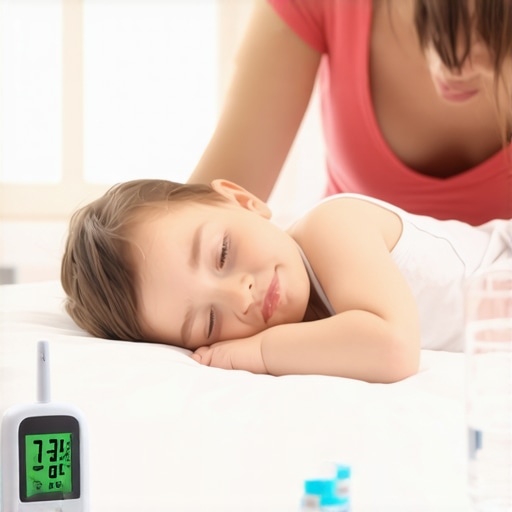
It was late one evening when I first truly understood how delicate managing a child’s post-vaccination fever can be. My little one, usually full of giggles and boundless energy, was suddenly miserable, running a fever that made my stomach tighten with worry. Despite having read the general guidelines, I felt unsure if I was doing enough, or worse, doing something wrong. That night was a lightbulb moment for me—realizing that simple mistakes in fever management could escalate anxiety and discomfort for both parent and child.
Why Taking Charge of Your Child’s Fever is a Game Changer
Managing a child’s fever after vaccinations like the MMR isn’t just about giving medicine and hoping it passes. It’s about understanding **what really works**, knowing when to seek help, and how to keep your child’s comfort as the top priority. As a parent, I learned that being proactive, rather than reactive, makes all the difference. You don’t have to be a medical expert to do this—you just need the right info and a little confidence to act accordingly.
In fact, mismanaging these fevers can sometimes lead to unnecessary hospital visits or extended distress. I found myself caught in a whirlwind of conflicting advice until I discovered that a well-informed approach — like monitoring symptoms closely and knowing the signs of when to escalate care — can be lifesaving. For more detailed guidance, I highly recommend checking out resources like this comprehensive guide on lab tests that help differentiate serious issues from routine reactions.
Have you ever felt overwhelmed wondering if your child’s fever is normal or warrants a doctor visit? You’re not alone. The good news is, with some practical tips, you can navigate this caring journey confidently.
Is Your Fear of Missing Something Putting Your Child at Risk?
One common mistake I made early on was underestimating how quickly a fever can escalate or how important it is to track other symptoms. No parent wants to overreact but ignoring subtle signs can be dangerous. That’s why understanding the nuances of fever management—like proper hydration, temperature monitoring, and recognizing warning signs—are essential skills. It’s worth investing a few minutes in learning what actions truly support your child’s recovery and when professional care is necessary.
In the next section, we’ll explore specific steps you can take today to make sure you’re prepared for the next fever episode—so you can feel more like a helpful neighbor instead of a nervous wreck.
Performing Daily Temperature Checks
Start by using a reliable digital thermometer, preferably rectal for infants, to monitor your child’s temperature every 2-3 hours. I remember the first night after my child’s vaccination, I kept a simple chart to track the readings. This immediate data helped me notice that the fever was gradually decreasing, reducing my anxiety. Consistent monitoring allows you to catch rapid spikes early and respond promptly. Ensure the thermometer is sanitized properly before and after each use to prevent infection.
Implementing Comfort Strategies to Reduce Discomfort
Provide lightweight, breathable clothing, and keep the room temperature moderate. Use a cool, damp cloth on your child’s forehead to help lower the fever gently. I once used a quick home remedy, applying a gentle cool cloth, which worked wonders in calming my child’s discomfort without medication. Remember, avoid cold baths or alcohol rubs, as they can cause shock. Hydration is vital, so offer small sips of water or electrolyte solutions frequently.
Optimizing Hydration to Prevent Dehydration
Fever increases fluid loss, so encouraging fluids is crucial. Offer breast milk, formula, or water regularly. I learned that dehydration signs include dry mouth and decreased urination—things to watch for closely. For infants, try small, frequent feeds, and use a syringe if necessary. Proper hydration not only cools the body but also speeds recovery. Keep track of fluid intake and output, and consult your medical provider if urination decreases or the child becomes lethargic.
Using Telehealth for Immediate Guidance
In moments of uncertainty, a virtual consultation can be invaluable. Platforms like telehealth services allow you to connect with healthcare professionals quickly, without the waiting room stress. I used a telehealth visit when my child’s fever persisted beyond 24 hours and wasn’t responding to common measures. The virtual doctor advised me on the next steps, saving a trip to the emergency room. Keep your child’s vaccination history handy and prepare notes of symptoms to streamline the consultation.
Recognizing When to Seek Urgent Medical Care
While most fevers are benign, certain signs indicate the need for immediate attention. These include difficulty breathing, persistent high fever over 104°F, seizures, unresponsiveness, or signs of dehydration like no urine for 8 hours or vomiting repeatedly. I learned to trust my instincts—if something feels wrong, don’t hesitate to seek professional help. Having a list of local urgent care centers or emergency numbers ready can save critical minutes.
Preparing for Future Fever Episodes
Maintain an emergency kit containing essentials like a digital thermometer, oral rehydration salts, and health records. I now keep a dedicated folder with vaccination dates, previous fever episodes, and medication info. Knowing how to act confidently becomes easier with this preparation. Additionally, consider discussing personalized vaccination schedules with your healthcare provider, which can help prevent or lessen future reactions. For more tailored advice, visit this resource.While many believe lab tests are a definitive snapshot of health, in reality, they often only reveal part of the story. A common misconception is that standard panels catch all significant issues, but evidence shows they frequently miss early warning signs like inflammation markers crucial for preventing chronic diseases. For instance, relying solely on cholesterol levels can overlook underlying metabolic stress, potentially leading to missed opportunities for early intervention. Moreover, telehealth is sometimes seen as a less effective alternative to in-person visits; however, advances now allow virtual consultations to provide comprehensive assessments—if you know how to leverage them. Recognizing the nuances of these tools is essential for meaningful wellness management.
One major trap many fall into involves overestimating the reliability of generic lab panels. Standard tests may not detect hidden risks such as insulin resistance or low-grade inflammation, which subtly fuel conditions like heart disease or autoimmune disorders. For an advanced approach, integrating specialized tests—like lipid particle size analysis or inflammatory markers—can uncover risks that traditional screens miss. Check out this guide to learn how targeted lab testing enhances early detection.
Similarly, many assume telehealth isn’t suitable for complex health issues. Yet, with the right protocols, virtual care can deliver results comparable to traditional visits, especially in chronic wellness or preventive strategies. Telehealth minimizes barriers and allows for frequent check-ins, making it ideal for ongoing monitoring—like tracking inflammation levels or adjusting vaccination schedules. For a deeper dive into these innovations, explore this resource.
What about vaccinations? The myth persists that more vaccines mean more risk. In fact, the opposite is often true: tailored vaccination strategies, supported by recent antibody and lab tests, can optimize immunity without overloading the immune system. Personalized schedules are designed to fill immunity gaps, not to introduce unnecessary doses. To see how lab data can inform smarter vaccination plans, review this article.
Finally, a hidden nuance is the misconception that all lab results are straightforward. The reality is that results must be interpreted contextually, considering lifestyle, genetics, and early biomarkers. An advanced understanding involves knowing which tests are most predictive and how to act on subtle abnormalities before they manifest clinically. As Dr. Mark Hyman emphasizes, catching these early signals can drastically alter health trajectories—so don’t rely on averages alone. For more insights, see this resource.
Have you ever fallen into this trap? Let me know in the comments.Maintaining a consistent wellness routine and ensuring your lab tests and telehealth visits run smoothly requires the right tools and strategies. One of my top recommendations is investing in a high-precision digital thermometer, such as the Braun No Touch + Forehead Thermometer. I personally use this device because it provides quick, accurate readings without disturbing my child’s sleep, which is essential during illness management. Reliable temperature tracking allows me to spot early signs of fever escalation, and integrating this data into a digital health journal helps monitor trends over days, facilitating more informed discussions during telehealth consultations.
How do I keep my wellness tools effective over time?
Regular calibration of your thermometer is crucial. I recommend pairing it with a dedicated app like myHealth Assistant, which syncs temperature readings automatically, creating a comprehensive health log. This method not only saves time but also reduces errors caused by manual recording. As telehealth technology advances, using integrated tools like remote blood pressure monitors, such as the Omron Gold Wireless Bluetooth, becomes invaluable. I’ve found that tracking blood pressure at home and sharing the data live with my doctor during virtual visits has improved management of my health conditions. These devices seamlessly connect to smartphone apps, providing real-time insights and trends, which are particularly useful for long-term monitoring of wellness metrics.
Predicting where this is headed
As wearable technology and IoT (Internet of Things) devices become more sophisticated and affordable, I anticipate a future where continuous health monitoring is the norm, seamlessly integrated into daily life. These innovations will enable us to catch potential issues before symptoms even appear, allowing for proactive interventions and personalized health plans. Embracing these tools now positions you to benefit from the evolving landscape of wellness technology.
Are you maintaining your health tools properly?
To keep your monitoring devices in top shape, establish a routine of regular cleaning and calibration based on manufacturer instructions. Additionally, staying updated with the latest firmware updates ensures your devices work accurately and securely. For example, manufacturers often release firmware updates that improve measurement accuracy or security features, which can be easily installed via smartphone apps. Implementing a monthly check-in to review your tools’ functionality can prevent costly errors and misinterpretations.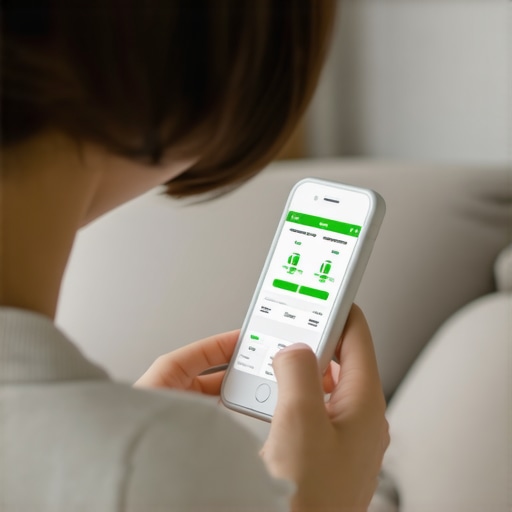
Imagine a well-organized digital dashboard displaying your temperature trends, blood pressure, and lab results at a glance. This visual overview makes it easier to spot early warning signs and communicate with your healthcare provider effectively. Using a centralized system like this enhances your ability to maintain wellness proactively and saves time during medical consultations.
One effective way to streamline your health management is to set up automated reminders for calibration and maintenance of your devices. Many smart tools now offer app notifications for calibration due dates, ensuring you never forget this crucial step. Moreover, embracing cloud-based storage for your health data means you can access your information anytime, anywhere—crucial for quick responses during telehealth visits or urgent care needs.
Stay ahead in your wellness journey by choosing tools that grow with your needs. For example, integrating continuous glucose monitors or advanced sleep trackers can provide deeper insights into your health, helping you make better lifestyle choices. These devices, paired with analytical platforms, will likely become standard in long-term health strategies, providing a comprehensive picture beyond occasional lab tests.
Don’t wait until an issue arises—equip yourself with these proven tools today and establish a maintenance routine that keeps your health tracking accurate and reliable. Start by calibrating your thermometer monthly and syncing data with your app, then explore adding a blood pressure monitor for a holistic approach. These small steps can make a big difference over time, delivering long-term wellness benefits that are both measurable and manageable. For personalized advice on selecting the right devices for your specific needs, consider consulting experts through platforms like our contact page.
What No One Tells You About Interpreting Your Lab Results
One of my biggest surprises was realizing that lab results are just one piece of the puzzle. They can hint at underlying issues but often miss the full picture, especially when interpreted without context. For instance, a normal cholesterol panel might hide early signs of inflammation—a subtle warning sign I wish I’d known earlier. Learning to connect lab data with lifestyle, symptoms, and other markers transformed my approach to health and helped me catch problems before they became severe.
The Power of Questioning in Virtual Care
I used to think telehealth was less effective than in-person visits, but I quickly learned that asking the right questions during virtual appointments can unlock valuable insights. Whether it’s clarifying lab test results or discussing vaccination schedules, being proactive with your inquiries leads to better understanding and plan adjustments. It’s a skill worth developing—your health depends on your curiosity and engagement.
Why Personalization Is the Future of Vaccinations
During my own experience, I discovered that one-size-fits-all vaccination plans often overlook individual differences. Personalized schedules based on lab testing and antibody levels can boost immunity more efficiently and reduce unnecessary shots. This tailored approach is gaining momentum because it respects each person’s unique health needs, making vaccinations safer and more effective. Trusted resources like this guide helped me understand how to advocate for a customized plan for my family.
My Hidden Wisdom for Embracing Wellness Technology
Using tools like smart thermometers and remote monitoring devices has been a game-changer. Regular calibration and understanding how these devices connect to health platforms empower you to spot early warning signs. The real benefit comes when these tools seamlessly integrate into your routine, providing real-time data that informs smarter decisions. I found that investing in reliable devices and maintaining them properly makes a tangible difference in managing health proactively.