
How to navigate a gluten-free diet without feeling deprived

I remember standing in the middle of a bakery aisle, clutching a package of gluten-free bread that cost seven dollars and felt like a literal brick. I almost cried right there next to the muffins. It wasn’t just about the bread; it was the realization that my life was about to become a series of ‘no’s’ and cardboard-flavored compromises. If you have ever felt like your world shrunk the moment you had to cut out gluten, I am here to tell you that the deprivation phase is a choice, not a requirement. We are going to fix your relationship with food today by shifting from ‘taking away’ to ‘adding in.’ Have you ever walked out of a grocery store feeling completely defeated by the sheer price and poor quality of gluten-free substitutes?
When I first started this journey, I made a massive mistake that I see almost everyone make: I tried to replace every single cracker, cookie, and loaf of bread with its gluten-free equivalent. My grocery bill doubled, and quite frankly, I felt even more sluggish because I was essentially fueling my body with processed potato starch and extra sugar. If you are struggling with that same heavy feeling, it might be worth checking the real reason you are craving sugar every afternoon and how to fix it. It took me a year to realize that a ‘gluten-free’ label doesn’t automatically mean ‘healthy’ or ‘satisfying.’
Rethink Your Relationship with the Bread Aisle
The secret to not feeling deprived is leaning into foods that are naturally gluten-free rather than fighting for a pale imitation of a wheat-based bagel. Think about it: a perfectly seared steak, roasted sweet potatoes, and a zesty chimichurri sauce. There is zero deprivation there. Yet, we often focus so much on the missing crust that we forget the feast. If you still feel like you are running on empty, you might want to look at why your afternoon energy crash isn’t just about caffeine and see if your new diet is missing key nutrients. According to a study published in the Journal of Alimentary Pharmacology & Therapeutics, individuals on a gluten-free diet often lack sufficient fiber and B-vitamins because they rely too heavily on refined GF flour substitutes.
Does going gluten-free mean the end of real flavor?
Absolutely not, but it does mean you have to become a bit of a detective in your own kitchen. I used to think I was doing everything right until I realized my gut still felt like it was in a knot. Sometimes the issue isn’t just the gluten, but how your body handles the change. I finally got clarity when I looked into the lab test that reveals if your gut is actually absorbing nutrients. It turns out, I was eating the right things but my system was too inflamed to use them. We are going to talk about how to heal that damage and actually enjoy your dinner parties again without feeling like the ‘difficult’ guest. Let’s dive into the practical shifts that make this lifestyle feel like a luxury instead of a limitation.
Ditch the Processed Boxes for Real Fuel
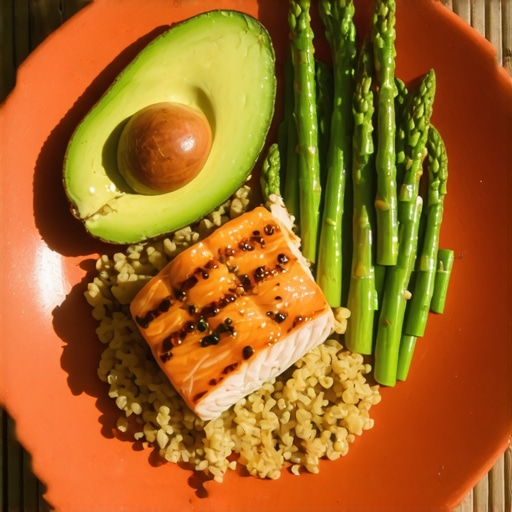
The fastest way to fail at a gluten-free lifestyle is to try to recreate a Standard American Diet using rice flour. Instead, treat your kitchen like a fresh market. Focus on the perimeter of the store: colorful produce, quality proteins, and healthy fats. When I first transitioned, I spent forty dollars on three boxes of GF crackers that tasted like sawdust. Now, I use sliced cucumbers or radishes for that crunch. It’s not just about avoiding wheat; it’s about ensuring your body isn’t reacting to the fillers found in processed GF foods. If you’re still feeling sluggish, you need to look at the one marker that proves your healthy diet is actually causing inflammation. Sometimes, the ‘safe’ alternatives are just as hard on your gut as the gluten was.
Pinpoint Silent Inflammation Before It Slows You Down
You cannot manage what you do not measure. Think of your body like a high-performance engine; you wouldn’t just guess which oil to use, you’d check the manual and the dipstick. Standard blood panels often miss the nuance of how your metabolism is shifting on a new diet. I remember three months into my journey, I was still crying in the afternoons from exhaustion. I thought I was ‘failing’ at being healthy. It turned out, my gut wasn’t absorbing nutrients properly because of lingering damage. I finally got answers by checking the lab test that shows if your body is actually absorbing expensive supplements. I was literally flushing money down the toilet because my intestinal lining was too inflamed to work.
Address the Hidden Metabolic Gaps
Don’t stop at just checking for Celiac antibodies. You need to know how your blood sugar is responding to those high-glycemic GF starches like tapioca and potato starch. Often, people trade gluten for a spike in blood sugar that leads to insulin resistance. This is why why your fasting insulin matters more than your a1c for metabolic health when you are overhauling your diet. If you are struggling with mood swings or low motivation, consider that the specific vitamin deficiency that mimics clinical depression is incredibly common in the gluten-free community due to malabsorption issues. Mapping these markers gives you a roadmap instead of a blindfold.
Connect with Specialists via Your Smartphone
You don’t have to navigate the grocery aisles or the lab results alone. One of the biggest shifts in modern wellness is the ability to bypass the crowded waiting room. When I was struggling to interpret my results, I didn’t wait six weeks for a local specialist. I used a virtual consult to get immediate feedback. By unlocking the power of telehealth for fast convenient wellness access, you can review your inflammatory markers with a provider who understands functional nutrition while you’re sitting on your couch in your pajamas. It removes the friction of ‘going to the doctor’ and turns it into a collaborative strategy session for your health.
One of the biggest misconceptions I see in the wellness world is the ‘binary’ view of health: you are either sick or you are healthy. Most doctors will tell you that if your numbers fall within the lab’s printed reference range, you are perfectly fine. But here is the contrarian truth: those ranges are often based on a bell curve of an increasingly unhealthy population. If you want to feel vibrant rather than just ‘not sick,’ you need to look at how lab tests can detect hidden health risks early in your wellness pathway before they ever cross that ‘critical’ threshold. We are not just looking for absence of disease; we are looking for optimal performance.
Stop Settling for ‘Normal’ Lab Results
I fell into this ‘Oops’ trap myself. I assumed that because my basic labs were ‘normal,’ my lingering fatigue was just something I had to live with. In reality, why regular lab tests are critical for your wellness journey is that they provide a baseline for your specific body, not an average of thousands of strangers who might be twice your age. When you are on a restricted diet, your biomarkers shift. You need to know your personal ‘best’ so you can spot a decline before it becomes a diagnosis. If you only test when you feel miserable, you have already missed the window for easy prevention.

Why your daily supplements might be lying to your doctor
Here is a nuance that even experienced biohackers miss: the very things you take to get healthy can sabotage your data. For example, why your vitamin b12 results might be misleading if you take certain supplements is a classic trap. High doses of biotin, common in hair and nail vitamins, can interfere with the chemical reactions used in many lab assays, leading to false highs or lows in thyroid and hormone panels. According to a safety communication from the FDA and research in the Journal of the American Medical Association (JAMA), biotin interference is a significant clinical concern that can lead to dangerous misdiagnosis. Always disclose your full supplement list to your provider before the needle hits your arm.
Why does my blood work look fine when I feel terrible?
It is usually because standard panels are too blunt an instrument for the refined needs of a gut-health journey. We also tend to ignore the long-term immune side of the equation. We focus so much on the ‘now’—the bloating, the brain fog—that we forget the specific vaccine adults forget after they turn fifty, such as shingles or Tdap boosters. Maintaining your immune resilience is just as vital a part of ‘wellness’ as eating organic kale. A truly advanced approach looks at the metabolic data and the preventative immunization record simultaneously.
Use Remote Strategy Sessions to Decode the Data
Finally, do not make the mistake of thinking telehealth is just a digital Band-Aid for a quick prescription. In my experience, exploring the benefits of telehealth in managing chronic wellness allows for much deeper, more analytical dives into your lab results. Because the virtual provider is often less constrained by the frantic pace of a physical clinic, you can treat your appointment as a collaborative strategy session rather than a five-minute check-in. This is where the real magic happens—connecting the dots between your diet, your labs, and your long-term goals. Have you ever fallen into the trap of thinking ‘normal’ labs meant you were fine? Let me know in the comments.
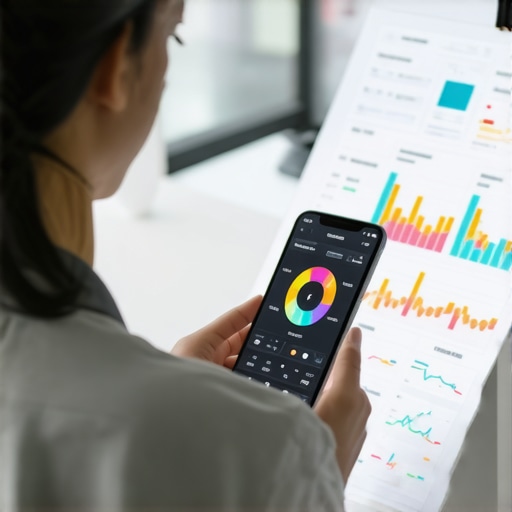
Maintaining a gluten-free lifestyle without losing your mind requires more than just willpower; it requires a data-driven system. I do not rely on my memory to know if I am getting enough B12 or if my inflammation is creeping back up. Instead, I treat my body like a high-end software project. I use a combination of digital tracking and quarterly ‘health audits.’ If you are just starting, you have to realize that why wellness checks are your first step to better health is not just a catchy phrase—it is the functional foundation of your long-term success. I personally use the Cronometer app to track micronutrients because standard food diaries often miss the subtle gaps in gluten-free flours. I also keep a dedicated digital folder of every blood panel I have ever had. This allows me to see trends that a doctor might miss in a single, rushed visit.
Build Your Own Health Tech Stack
When I see a dip in energy, I do not guess anymore. I go back to understanding the role of lab tests in preventive wellness. I look at my historical data to see if my iron or vitamin D levels are trending downward before they ever hit the ‘deficient’ range. This is the difference between surviving and thriving. It is also why I stay on top of my shots; using the essential lab tests you need for accurate vaccination planning helped me realize my immunity was lower than expected after a year of gut issues. I am not just guessing if I am protected; I am confirming it through clinical data. A study published in the Journal of Clinical Medicine found that long-term adherence to a gluten-free diet can significantly alter the gut microbiome, necessitating regular monitoring of bacterial diversity to prevent new sensitivities. If you are not looking at the data, you are just throwing expensive supplements at a problem you haven’t defined yet.
How do I maintain my gut health over time?
The key is consistency over perfection. You need a personalized vaccination schedule and a regular testing cadence that matches your lifestyle. If I am traveling or under high stress, I might even use telehealth innovations to check in with my provider for a quick protocol adjustment without leaving my desk. I also swear by 7 proven moves to lower a1c without adding more meds to keep my metabolic health in check, especially when I find myself leaning too heavily on those starch-heavy gluten-free treats during busy weeks.
The Future of Personalized Diagnostics
In the next five years, I predict we will see AI-integrated lab software that alerts you the moment a biomarker deviates from your personal baseline by more than five percent. We are moving away from ‘one-size-fits-all’ medicine and into a world where your phone knows you are getting sick before you even feel a sniffle. I challenge you to log into your patient portal today and look at your CRP levels—is that number trending up or down compared to last year? Do not wait for your next ‘annual’ to find out where your health is headed.
What My Lab Results Taught Me That a Cookbook Couldn’t
Reflecting on my first two years of being gluten-free, the biggest ‘lightbulb moment’ wasn’t finding a good pizza crust; it was realizing that my symptoms were a language, and lab tests were the translator. I spent months feeling like a failure because I was still tired despite eating ‘clean.’ The truth is, you can’t out-eat a malabsorption issue without first using lab tests as your roadmap to a clearer diagnosis. Here are the three most critical lessons I learned the hard way:
- The ‘Safe’ Label is a Distraction: Just because a box says gluten-free doesn’t mean your gut likes the fillers. If you are still bloated, your body might be reacting to cross-reactive proteins.
- Nutrient Gaps are Real: Even with a perfect diet, many of us struggle with storage. For instance, why your ferritin levels explain that constant brain fog is a major piece of the puzzle that standard panels often overlook.
- Testing is an Investment, Not an Expense: I spent hundreds on ‘gut-healing’ powders that did nothing because I hadn’t identified my specific inflammatory markers first.
My Essential Strategy for Data-Driven Wellness
To truly thrive, you need more than a grocery list; you need a system that tracks how your biology responds to your lifestyle. I personally use three specific pillars to keep my health from slipping through the cracks. First, I use the Cronometer app to ensure I’m hitting my micronutrient targets, which is vital since GF diets are notoriously low in B-vitamins. Second, I utilize telehealth insights for accessible healthcare services so I can adjust my protocols the moment I feel a dip in energy. Finally, I maintain a ‘Health Audit’ folder that combines my lab trends with my immunization records. I’ve found that combining vaccinations and lab testing strategies is the only way to ensure my immune system is as resilient as my digestive tract.
Give Yourself Permission to Feel Great Again
Transitioning to a gluten-free life shouldn’t feel like a life sentence of restriction. It is an invitation to finally listen to what your body has been trying to tell you for years. Don’t let the fear of being ‘difficult’ at dinner or the confusion of complex lab results stop you from advocating for yourself. When you lead with data and support your system with the right tools, the deprivation disappears and is replaced by a level of energy you might have forgotten was possible. You deserve to live a life where you aren’t just surviving the day, but actively thriving in it. Have you ever felt like your ‘normal’ blood work was missing the real reason you still feel tired? Let me know in the comments below.