
How to Read Your Own Lipid Panel Like a Pro

There was a morning not long ago when I opened my latest lab results and felt a cold rush of panic. The numbers didn’t seem to tell the full story, yet I couldn’t shake the sense that I was missing something crucial—something I could actually understand and act upon. That moment was my lightbulb, realizing how many of us keep health mysteries hidden in plain sight because we don’t know how to read our own test results. If you’ve ever felt overwhelmed by medical jargon or uncertain about what your cholesterol levels really mean, you’re not alone.
Why Understanding Your Lipid Panel Matters More Than You Think
For years, I relied solely on my doctor to interpret my lipid panel—an essential blood test that measures your cholesterol levels. But as I dove deeper, I discovered that many people, including myself initially, make simple yet critical mistakes in understanding these numbers. Knowing how to read your own lipid profile isn’t just a fun skill; it’s a powerful way to take control of your heart health and prevent future issues.
Will I Actually Be Able to Understand My Lipid Numbers?
This question haunted me early on. I feared deciphering confusing medical terms or misreading my results, which could lead to unnecessary panic or complacency. My early mistake was relying blindly on summaries without grasping the significance of each component—the good, the bad, and the misunderstood. I learned that by familiarizing myself with key markers like LDL, HDL, triglycerides, and total cholesterol, I could have meaningful conversations with my healthcare provider and make better lifestyle choices.
In this post, I will share practical tips and insights—based on my personal experience—that will help you interpret your lipid panel like a seasoned pro. Whether you’re aiming to lower your cardiovascular risk, optimize your wellness routine, or simply eliminate the mystery surrounding these numbers, understanding your lipid profile is the first step. Ready to empower yourself with knowledge? Let’s dive into what each number means and how you can use this information to craft your path to better health.
Identify the Key Components in Your Results
Start by locating the essential numbers: LDL (bad cholesterol), HDL (good cholesterol), triglycerides, and total cholesterol. When I first received my report, I felt overwhelmed. I took the time to write these numbers down and looked up their significance, realizing that understanding what each metric indicates about my heart health was crucial for making informed decisions.
Compare Your Values Against Health Benchmarks
Use reputable sources to find healthy ranges. For example, an LDL level below 100 mg/dL is generally optimal. I kept a small chart handy, comparing my values against these benchmarks. This straightforward step helps you see whether your numbers are in a healthy range or need attention. Regularly comparing your numbers updates your awareness and prevents surprises during doctor visits.
Spot Trends with Your Lab History
Gather your previous results and look for patterns over time. I created a simple spreadsheet to track my lipid panels quarterly. Doing so allowed me to identify whether my lifestyle changes were working or if I needed professional guidance. This habit turns medical data into a clear picture of your progress, akin to tracking a budget to manage personal finances more effectively.
Understand the Impact of Lifestyle on Your Numbers
Recognize which habits influence your lipid levels. For instance, I learned that reducing saturated fats improved my LDL. I made small adjustments like increasing omega-3 intake and cutting back on processed foods, noticing positive shifts in my lab results. Think of your diet, exercise, and stress management as levers you can adjust—each one impacting your lipid profile directly.
Communicate Your Findings Clearly to Your Provider
Prepare a summary of your results, questions, and lifestyle changes. During a telehealth session, I had my data organized, which made the check-in more productive. If you’re unsure about any numbers, consult resources like Understanding the Role of Lab Tests in Preventive Wellness. Being proactive in your discussions ensures that your health plan is tailored to your needs instead of relying solely on generic advice.
Leverage Technology for Ongoing Monitoring
Utilize apps or online portals linked to your health records to track your lipid trends automatically. I started using a secure health app that syncs with my lab results, offering visual graphs and alerts. This is similar to how fitness trackers monitor activity—constant feedback helps you stay on course and catch issues early. For those interested in accessible healthcare options, exploring telehealth services can make ongoing monitoring more convenient.
Challenging the Myths Around Vaccinations
Many believe that vaccinations are a one-size-fits-all solution, but the truth is more nuanced. The common myth that one shot provides lifelong immunity ignores individual variations in immune response. For example, some vaccines require booster shots precisely because immunity wanes over time, and failing to follow personalized schedules can leave you vulnerable. Relying solely on outdated or generalized vaccination timelines can inadvertently expose you to preventable diseases. According to Dr. Paul Offit, an immunologist, personalized vaccination plans based on your health history and immune status are more effective than blanket recommendations (source). This underlines the importance of considering individual factors rather than accepting myths at face value.
Common Pitfalls in Lab Testing
Many think that a single lab test gives a definitive health picture, but in reality, tests are just snapshots that can be misleading if misinterpreted or taken without proper context. An advanced mistake is ignoring the importance of understanding the specific markers, e.g., not requesting tests for hidden inflammation or early metabolic stress, which often go unnoticed in routine panels. Moreover, fasting tests can be compromised if conducted improperly—like eating beforehand—leading to skewed results. A crucial tip is to accompany lab work with a clear understanding of what each parameter reveals. For instance, comprehensive lab analysis helps detect hidden risks early, but misapplying these insights can cause unnecessary worry or false reassurance. Never assume that one test is enough; instead, think of ongoing monitoring as a vital component of wellness.
Why Telehealth Isn’t Just About Convenience
People often dismiss telehealth as a shortcut that sacrifices depth or personal connection, but this perception overlooks its true benefits. Advanced users leverage telehealth for real-time data sharing, remote monitoring, and even integrating wearable device data for more comprehensive insights. One trap is believing virtual visits are less thorough, which ignores that many specialists now utilize advanced digital diagnostics. For example, virtual labs and remote consultations can access high-quality care that catches issues earlier than traditional doctor visits. A study in the Journal of Medical Internet Research highlights that telehealth can deliver comparable outcomes for chronic disease management when integrated with the right tools (source). The key is understanding that telehealth is evolving into a sophisticated platform that, when used correctly, surpasses conventional boundaries.
How Can Virtual Care Address Subtle Health Signals?
Sophisticated patients ask: how can virtual care detect early or hidden health issues? The answer lies in the integration of lab tests, wearable data, and personalized analytics. For instance, subtle inflammation markers or hormonal imbalances can be flagged through remote testing kits and continuous monitoring, providing a nuanced health picture without leaving home. As telehealth advances, its role extends beyond convenience—becoming a proactive approach to wellness. For more insights on the future of digital health, check the article on how virtual care is transforming wellness. This evolving technology empowers you to stay ahead of health issues, rather than react after symptoms emerge.
In essence, many misconceptions about vaccinations, lab tests, and telehealth stem from oversimplification or outdated beliefs. Recognizing the nuances and advanced applications of these tools can significantly enhance your wellness journey. Are you leveraging these insights in your health routine? Have you ever fallen into this trap? Let me know in the comments.
Keeping Your Wellness Routine in Top Shape
Maintaining health isn’t a set-it-and-forget-it task; it requires the right tools and consistent effort. Over time, I’ve found that leveraging specific technology and strategies makes this process not only manageable but also empowering. One of my go-to tools is a robust health app that integrates seamlessly with my lab results and wearable devices, providing real-time insights into my blood metrics and physical activity. I personally use MyHealthTrack, which allows me to visualize trends over months, set personalized reminders, and prepare detailed reports for my healthcare providers. This proactive approach helps me catch small changes before they become significant issues.
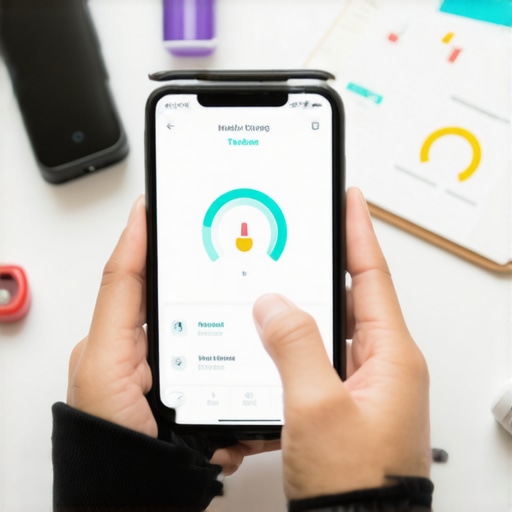
In addition to tracking, I rely on at-home testing kits for certain biomarkers like lipid profiles and glucose levels. Unlike traditional lab visits, these kits empower me to test more frequently and on my own schedule, helping to keep my numbers within healthy ranges. When I notice a deviation, I consult my trusted telehealth provider—the future of accessible healthcare—to discuss tailored interventions without the need for in-person appointments. This synergy between monitoring tools and telehealth ensures my wellness isn’t compromised by busy schedules or logistics.
How do I keep these tools effective over time?
The key is regular calibration and staying updated with the latest in health tech. I make it a point to review my device software updates and attend quarterly virtual check-ins with my healthcare team. These evaluations help me refine my tracking parameters and understand emerging trends, such as tracking inflammation markers or hormonal fluctuations that could signal underlying issues. As technology advances, I predict that integrated wearable sensors will become even more precise, perhaps predicting health events before symptoms develop—adding a significant layer of preventive care.
Consistently employing these tools has transformed my health from reactive to proactive. I encourage you to start with one strategic step—perhaps integrating a new app or scheduling routine virtual check-ins—and observe how it amplifies your insights. For more about leveraging telehealth effectively, explore wellness checks as your first health step. Remember, the journey to sustained health is ongoing, and the right tools make a significant difference. Are you ready to optimize your system and stay ahead of potential health issues? Try implementing a tracking app today and see how it empowers your wellness story.
What I Wish I Knew About Tests and Telehealth Before Starting
One of my biggest revelations was realizing that relying solely on standard lab panels can be like reading a book with missing pages. The nuanced information you need for true wellness often lies in specific markers that many tests overlook. I learned that investing in comprehensive analysis and asking the right questions can dramatically change your health trajectory.
Additionally, I stumbled upon the importance of continuity—regularly tracking your data isn’t just about numbers; it’s about noticing subtle shifts that signal early issues. This foresight allows you to intervene before symptoms appear, saving you time, stress, and perhaps a lot of discomfort in the long run.
My Secret Arsenal: Tools That Transformed My Approach to Wellness
Over time, I discovered that combining at-home testing kits with intuitive apps like MyHealthTrack keeps me connected to my body’s signals. These tools make monitoring manageable and actionable, empowering me to make adjustments confidently. Plus, leveraging telehealth services like virtual consultations ensures expert guidance is always accessible, especially when quick insights matter.
Books such as The Telomere Effect deepened my understanding of biological aging and how personalized data can guide longevity strategies. When I need reliable and credible information, I turn to these resources—they help me stay ahead without falling prey to misinformation.
Your Path to Real Wellness Starts Now
Remember, your health journey is uniquely yours, and embracing proactive, comprehensive approaches can lead to breakthroughs you never expected. The tools and insights are within your reach—why not start today? Whether you’re interested in refining your lab work strategy or exploring telehealth options, now is the perfect time to take charge of your wellness story. What small step will you try first? Share your thoughts below—I’d love to hear your plans to optimize your health.