
How to Read Your Own Lipid Panel Without a Medical Degree
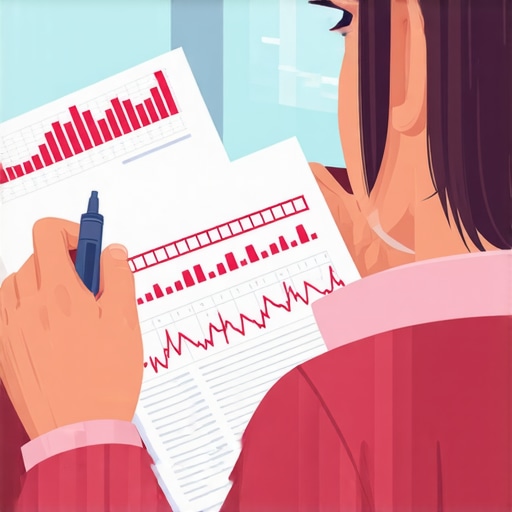
I remember the first time I received my blood test results and felt completely lost. The numbers, the jargon, the confusing lab reports—they all looked like a foreign language. I knew I needed to understand my health better, not just rely on a doctor’s interpretation, but I didn’t have a medical degree to decipher the details. That lightbulb moment got me digging into how to read my own lipid panel, and surprisingly, I found it simpler than I thought.
Many people overlook the power of understanding their blood work, especially their lipid profile, which can reveal so much about heart health and overall wellness. The good news? You don’t have to be a doctor to spot key indicators or catch early warning signs. Knowing how to interpret your lipid panel can empower you to take control of your health, make informed lifestyle changes, and even have more meaningful conversations with your healthcare provider.
Today, I’ll walk you through the essential steps to make sense of your lipid numbers—no fancy medical jargon required. Whether you’re waiting for a routine check or trying to optimize your diet and exercise, understanding what those numbers really mean can be a game changer. Before diving into the specifics, I want to ask: have you ever received your blood test results feeling overwhelmed or unsure what they meant? If so, you’re not alone.
Understanding your lipid profile isn’t just about knowing your cholesterol levels. It’s a window into your heart health, metabolic function, and even inflammation levels. By learning to interpret these results, you’re taking a proactive step toward prevention, which is always better than waiting for symptoms to appear. And here’s a fact that might surprise you—studies show that early detection through blood tests can significantly reduce the risk of cardiovascular events by catching issues before they escalate (American Heart Association).
So, what’s next? Let’s explore the common components of a lipid panel, how to read them, and what actions you can take based on your numbers. Knowledge is power, and your blood work holds valuable clues—if you know how to read it.
Get Organized Before You Dive In
Start by gathering all your recent blood test reports, including previous results if available. Create a dedicated folder or digital file to compile these documents. This clarity helps you track changes over time and spot trends that might otherwise go unnoticed.
How I Did It
I once found my old results buried in a cluttered email folder. Digitizing and organizing them into a spreadsheet revealed a subtle upward trend in my LDL cholesterol over months, prompting me to consult my healthcare provider. This simple step saved me from potential future risks.
Learn What Each Number Means
Familiarize yourself with the common components of a lipid panel: total cholesterol, LDL, HDL, and triglycerides. Think of these like different cars on a highway—some slow down traffic (LDL), others keep it flowing smoothly (HDL). Understanding their roles clarifies why each metric matters.
Decoding the Values
I once misunderstood my triglyceride levels, thinking they were less important than LDL. When I looked up the normal ranges, I realized mine were borderline high. This awareness motivated dietary adjustments, such as reducing sugar intake, which promptly improved my levels.
Compare Your Results to Standard Ranges
Use reputable sources to identify healthy benchmarks. Many labs provide ranges alongside your results, but these can vary. Cross-reference with trusted guidelines—like those from the American Heart Association—to determine where you stand.
My Experience
Initially, I worried my results were ‘bad,’ but after comparing to standard ranges, I saw they were within acceptable limits. This prevented unnecessary stress and guided me to focus on lifestyle tweaks instead of panic.
Identify Patterns and Outliers
Look at your results over time, noting patterns or sudden changes. Consistent high LDL or low HDL signals a need for lifestyle or medical intervention. Recognizing these patterns empowers you to act early.
A Practical Note
When I noticed a spike in triglycerides after a holiday feast, I didn’t ignore it. Instead, I adjusted my diet and scheduled a follow-up test. Detecting these fluctuations helps tailor personalized strategies for health maintenance.
Take Targeted Action Based on Your Numbers
Use your decoded results to inform actionable steps—whether improving diet, increasing activity, or consulting specialists. Think of it like a GPS recalculating your route to health goals.
My Approach
After discovering my LDL was elevated, I implemented a Mediterranean-inspired diet and increased exercise. Regular monitoring then showed meaningful improvements, reinforcing the power of data-driven decisions.
Leverage Virtual Tools for Convenience
Many labs partner with telehealth services to provide quick consultations. Virtual platforms like telehealth make it easier to interpret your results without clinic visits.
My Experience
I once had questions about my lipid panel but was able to schedule a quick telehealth appointment. The provider explained each component clearly, guiding my next steps efficiently.
Set Reminders for Follow-up Tests
Schedule future tests to monitor how your lifestyle changes impact your results. Use calendar alerts or health apps to stay on track—think of it as maintaining the health ‘tune-up.’
Personal Tip
I set quarterly reminders, which kept me accountable. After 6 months, my results improved, confirming that consistent effort and monitoring pay off.
Partner with Professionals When Needed
If your numbers are significantly out of range, consult healthcare professionals. Many now offer virtual consultations, making expert advice accessible and timely.
Example
When my LDL remained high despite lifestyle adjustments, I used telehealth to discuss potential medication options without the long wait times—saving me stress and time.
Many people assume that medical tests and wellness strategies are straightforward, but in reality, there’s a lot of nuanced information that often gets overlooked. For instance, a widespread myth is that all lab tests are equally reliable regardless of fasting status; in truth, certain tests like lipid panels require fasting for accurate results, as detailed in studies from the American Heart Association. Relying solely on standard panels without understanding their limitations can lead to misinterpretation and unnecessary anxiety.
Another misconception surrounds vaccinations, where many believe that once vaccinated, you’re fully protected forever. However, immunity can wane over time, making personalized vaccination schedules essential for optimal prevention. This is supported by recent research emphasizing booster shots tailored to individual risk profiles. Neglecting this nuance might leave you vulnerable to preventable diseases—so stay informed about your unique needs.
When it comes to wellness, many think that more frequent testing or over-monitoring always equates to better health. On the contrary, unnecessary tests can lead to false positives and overdiagnosis, causing stress and potentially harmful treatments. Learning to interpret your results via reliable resources and professional guidance is critical. For a deeper dive into how lab tests can uncover hidden health risks early in your wellness journey, check out [this resource](https://vitalclinicmd.com/how-lab-tests-can-detect-hidden-health-risks-early-in-your-wellness-pathway).
In the realm of telehealth, a common misconception is that virtual visits are inferior to in-person appointments. While some worry about the lack of physical exams, telehealth offers a discreet, accessible, and efficient way to manage routine issues, especially for follow-ups or monitoring chronic conditions. As highlighted in various studies, including [this article](https://vitalclinicmd.com/exploring-the-benefits-of-telehealth-in-managing-chronic-wellness), virtual care can be just as comprehensive when used appropriately, and often more convenient.
But here’s an important trap to watch for: assuming that all telehealth platforms are equally secure. Privacy concerns are valid; hence, reviewing [the privacy policy](https://vitalclinicmd.com/privacy-policy) of your chosen provider ensures your health data is protected. Remember, technology is a tool—its effectiveness depends on how well you understand its strengths and limitations.
Friendly advice: don’t fall for the oversimplified view that bigger hospital or clinic visits are always better. Embracing smart, personalized approaches—like virtual consults tailored to your specific health profile—can lead to better outcomes. For instance, you can access expert advice quickly and conveniently, reducing unnecessary clinic trips. To explore how telehealth is revolutionizing personal care, visit [this in-depth piece](https://vitalclinicmd.com/revolutionizing-wellness-how-telehealth-transforms-personal-care).
**Have you ever fallen into this trap? Let me know in the comments!** Understanding these nuances helps you avoid common pitfalls—taking full control of your health isn’t about doing more, but about knowing what truly matters.Maintaining your health journey requires reliable tools and consistent methods to track progress effectively. I personally rely on a combination of digital health trackers, telehealth platforms, and personalized testing kits to stay on top of my wellness goals. One tool I find indispensable is a Bluetooth-enabled lipid tracker, which syncs with my smartphone to provide real-time data on my cholesterol levels, helping me make immediate dietary adjustments without waiting for lab results. This proactive approach aligns with ongoing advancements in telehealth, offering seamless access to healthcare providers and detailed analytics, as discussed in telehealth insights. Envision a future where AI-driven apps analyze your lab results over time, alerting you to subtle health patterns before they become critical—this is where the industry is heading.
To keep your wellness tools effective, regular calibration is key. For instance, I annually review my testing kits to ensure their accuracy by cross-referencing with professional lab results. Using a reliable digital diary app to log symptoms, test outcomes, and lifestyle changes helps me visualize trends, making it easier to discuss pointed questions during virtual doctor visits. The benefit of maintaining such an organized system is that it transforms scattered data points into actionable insights, increasing the efficacy of your interventions.
How do I maintain these tools over time? The secret is setting scheduled reviews—quarterly check-ins to update apps, replace worn-out devices, and calibrate testing instruments. Additionally, I subscribe to reputable medical journals like the understanding lab tests series, which keep me informed about cutting-edge testing methods and technological innovations that can enhance my monitoring process.
Investing in quality equipment may seem costly upfront, but the long-term benefits are undeniable. High-precision blood testing devices, for example, can be linked to your digital ecosystem, providing continuous data streams that inform your health decisions. As the field progresses, we can expect more integrated platforms—combining diagnostics, consults, and personalized health coaching into a single user-friendly interface. This evolution promises to democratize healthcare, making detailed wellness management accessible from anywhere.
Don’t overlook the importance of data security when integrating these tools. I always review the privacy policies of telehealth platforms, such as this privacy policy, to ensure my health information remains protected. The trend toward encrypted data transfer means that your personal health data is safer than ever while enabling continuous, streamlined monitoring.
Why settle for sporadic health checks when you can have an ongoing, detailed understanding of your body’s signals? By leveraging advanced testing kits, synchronized health apps, and trusted virtual care services, you can transform your wellness routine into a proactive, long-term strategy. Start by choosing one high-quality device or platform today, and commit to its regular use and review. As technology continues to evolve rapidly, staying informed about these tools ensures you get the most out of your health investments, leading to sustained improvements and an empowered, healthier life.
Choosing Your Self-Discovery Map
My biggest eye-opener was realizing that I didn’t need to be a medical expert to interpret my blood work—just a curious investigator. Learning which numbers truly matter and tracing their changes over time helped me tailor my lifestyle effectively. It’s like having a personal GPS for my health journey, guiding me with clarity instead of confusion.
Break Free from Common Misbeliefs
I once believed that all lab tests are foolproof and that more testing equals better health. Wrong. Over-testing can cause unnecessary worry, especially if you don’t understand what the results mean. Educating myself with reliable resources and consulting professionals made me smarter, not anxious, about my health.
Furthermore, I learned that not all telehealth solutions are equal—privacy and tailored care matter greatly, making digital health tools more trustworthy when I do my homework. Discover how to sift through these choices at this privacy policy.
Why the Details Matter — More Than You Think
Understanding nuances like fasting for a lipid panel or the significance of inflammation markers transformed my approach. This depth of knowledge meant my health decisions were grounded in real insight, not guesswork. For example, I found that specific blood markers could predict risks years before symptoms appeared, empowering me to act early. To explore how lab tests can reveal hidden health risks, visit this resource.
Embrace Technology That Works for You
I started using connected testing kits and virtual care platforms that fit into my busy life. Not only did they offer convenience, but they also provided detailed insights that I could track over time. Setting quarterly reviews and keeping my data organized turned health monitoring into a proactive habit. Tools like these telehealth innovations are revolutionizing how I stay in control.
From Passive to Active: Your Next Step
The key isn’t just collecting data—it’s using it to make meaningful adjustments. Whether that’s tweaking my diet, increasing activity, or knowing when to seek professional advice, I’ve learned that small, informed steps create lasting change. The future of wellness is personalized, immediate, and empowering. Are you ready to turn your blood test results into your most valuable health asset? To start your journey today, share in the comments—what’s the one result you’re most eager to understand better?