
How to Read Your Testosterone Results Like a Pro

Ever glanced at your recent lab results and felt a wave of confusion wash over you? I remember the first time I got my testosterone levels checked. The results sat in my hands, and I had absolutely no idea what they really meant, let alone how to interpret the numbers confidently. It was frustrating, honestly. I knew I should be in the driver’s seat of my health, but all I had were vague numbers and a foggy idea of what they signified.
That lightbulb moment — realizing I was missing the essential knowledge to understand my own results — changed everything. Now, I want to share that clarity with you. Because honestly, knowing how to read your testosterone results like a pro isn’t just for health geeks; it’s a vital step toward empowering your wellness journey and making informed decisions. After all, your lab results are a window into your body’s inner workings. If you’re like me, you’re probably wondering: “Is it even worth the hassle?” Well, I promise this isn’t as complicated as it sounds, and understanding this could be a game-changer for your health.
Why You Can’t Afford to Ignore Your Testosterone Levels
Testosterone often gets stereotyped as just a hormone for bodybuilders or aging men wanting to boost muscle. But the reality is, it’s a key player in energy, mood, libido, and overall vitality for everyone. Ignoring or misunderstanding your levels can lead to missed opportunities for early intervention, which might be crucial if you’re experiencing fatigue, low motivation, or even mental fog. Recent studies suggest that low testosterone doesn’t just affect muscle mass; it has a ripple effect on your emotional health and metabolic functions (more on lab tests and wellness).
Early on, I made the mistake of dismissing minor symptoms as just ‘age’ or ‘stress.’ It wasn’t until I dug into my labs myself that I realized I was heading toward a hormonal imbalance that could have been addressed earlier. If you haven’t learned how to interpret your results, you’re potentially missing the chance to get ahead of future health issues. So, let’s turn this confusing puzzle into a straightforward guide, so that next time you get your testosterone results, you’ll immediately grasp what they mean and what steps to take next.
Is This Test Actually Worth the Hype?
Many folks feel overwhelmed or skeptical about diving into these numbers. Let me tell you, early in my journey, I nearly threw out a test result because I thought I wouldn’t understand it easily. Turns out, I was making a common mistake — overlooking the importance of understanding the basics firsthand. Knowing how to interpret your labs isn’t about becoming a doctor, but about empowering yourself with the right insights. It’s a skill that can save you money, time, and unnecessary worry. When you understand what your testosterone levels indicate, you’re better equipped to have productive conversations with your healthcare provider and make tailored wellness choices — like optimizing your diet, lifestyle, or considering targeted supplements.
In fact, regular testing combined with proper interpretation can detect hidden risks early (discover how labs can reveal hidden risks). Don’t leave your health in the dark. It’s time to demystify those numbers and take charge of your hormonal health so you can feel energized, confident, and in control of your wellness. Ready to learn how to decode your testosterone results like a seasoned pro? Let’s get started.
Prepare with the Right Data
Before you dive into your test results, ensure you’re working with accurate and recent data. Schedule regular labs at trusted clinics that specialize in hormone testing to get precise readings. When I first attempted to interpret my testosterone results, I realized I had outdated information. I went back and booked a comprehensive panel, including free and total testosterone, just like recommended in understanding the role of lab tests. This preparation helps prevent misinterpretation and ensures you’re comparing apples to apples when reviewing your numbers.
Learn the Benchmarks for Your Demographic
Testosterone levels vary based on age, sex, and health status. Use gender-specific reference ranges, typically provided by your lab, as a guide. Don’t rely solely on a number; understand what is considered normal for someone like you. For example, when I saw my total testosterone was slightly below the typical range for my age, I didn’t panic. Instead, I referred to lab benchmarks to contextualize my results. Knowing these standards keeps your expectations realistic and lets you focus on meaningful changes rather than misconceptions.
Interpret Results with Clear Criteria
Focus on key markers: total testosterone, free testosterone, and sex hormone-binding globulin (SHBG). Elevated SHBG can reduce free testosterone even when total levels appear normal. I learned this during my own review; my total testosterone was okay, but my free testosterone was low because my SHBG was high. This highlights why understanding the interplay between these values is crucial. Use visual aids or online calculators, accessible through health sites, to estimate free testosterone levels. This practical approach saves you from confusion and highlights whether action is needed.
Spot the Symptoms and Correlate Them
Besides the numbers, pay attention to physical symptoms like fatigue, low libido, or mood swings. When I noticed persistent fatigue that didn’t align with my labs, I consulted resources like lab tests and wellness, to see if my symptoms matched the hormonal profile. Matching clinical signs with lab data provides a comprehensive view, guiding you toward effective interventions rather than just chasing numbers.
Collaborate with Your Healthcare Provider
Use your insights as leverage for conversations. Come prepared with your lab results, benchmarks, and symptom notes. When I approached my doctor, I shared my interpreted data and asked about potential causes of my low free testosterone. This proactive communication, based on my research, fostered a collaborative plan. Remember, interpreting labs empowers you to ask specific questions, such as: Should I consider lifestyle changes, supplements, or medication?
Monitor and Adjust
Test periodically rather than once. Hormonal levels fluctuate daily and seasonally. Like my own experience of tracking levels every six months, this helped me observe trends and the effect of lifestyle modifications. Keep a health journal to record factors like sleep, exercise, and diet, which influence testosterone. Over time, this record reveals patterns and guides necessary adjustments, embodying an active approach to hormone management.
Many people assume that the prevalent health advice and modern innovations like telehealth and lab testing are foolproof strategies for achieving optimal wellness. However, a common misconception lies in believing that more testing or frequent vaccinations automatically equate to better health. In reality, over-reliance on these tools without a nuanced understanding can lead to unnecessary anxiety, misinterpretation, and even adverse outcomes. It’s crucial to recognize that not every test is suitable for everyone, and vaccine schedules should be personalized rather than universally applied. For instance, some individuals might undergo unnecessary vaccinations due to generalized protocols, risking side effects without substantial benefit. A deeper dive into these nuances reveals the importance of strategic, individualized health assessments instead of one-size-fits-all approaches. External research from Dr. David Katz emphasizes that an overly medicalized view of health can overshadow fundamental lifestyle factors such as diet, exercise, sleep, and stress management, which are often overlooked if we obsess solely over lab results and vaccinations.
In the realm of telehealth, many see it as a magical fix-all for healthcare access. Yet, this may lead to passive patient behavior, where individuals avoid in-person visits necessary for comprehensive examinations. The danger is in treating telehealth as a substitute, not a supplement, risking missed diagnoses of conditions that require physical assessments. Moreover, without proper literacy, patients might misinterpret lab results received remotely, fostering false reassurance or unwarranted panic. It’s a trap to believe that digital consultations replace the need for careful, context-aware medical advice.
A particularly insidious misconception involves vaccinations. Many assume that vaccines are infallible shields against disease—an oversimplification that can undermine confidence in recommended immunizations. Vaccinations confer critical protection but are most effective when combined with proper health management and awareness of individual risks. Misunderstanding this interplay may cause patients to neglect other preventive measures, believing they are fully protected once vaccinated. Notably, studies indicate that combining vaccination strategies with regular lab testing enhances disease prevention effectiveness, optimizing individual immune responses [(VitalClinicMD, 2025)](https://vitalclinicmd.com/maximize-your-health-combining-vaccinations-and-lab-testing-strategies).
**Are you falling prey to any of these misconceptions?** Recognizing these hidden pitfalls empowers you to make smarter choices. Remember, wellness isn’t about chasing every new trend or test but about understanding your unique needs through strategic, personalized care. Don’t let myths and superficial fixes hinder your health goals. For a comprehensive approach, check out how regular lab tests can detect hidden health risks early, providing clarity in your wellness journey [(VitalClinicMD)](https://vitalclinicmd.com/how-lab-tests-can-detect-hidden-health-risks-early-in-your-wellness-pathway). Engage with your health as an informed, active participant, and steer clear of the oversimplifications that could trip you up along the way.
How do I keep my health routine effective over time?
Staying on top of your health, especially with the integration of telehealth and lab testing, requires the right tools and strategies. Personally, I rely on a combination of high-quality equipment and software that make monitoring and maintaining wellness more manageable and precise. For example, I use a digital blood pressure monitor like the Omron Platinum, which offers Bluetooth connectivity, allowing me to track trends seamlessly over weeks and months. This data integration ensures I can share accurate, up-to-date information with my healthcare provider and adjust my lifestyle accordingly.
Another indispensable tool is a home lab test kit from a trusted provider. I prefer using services that permit finger-prick blood sampling at-home, because they offer detailed panels, such as hormone levels, vitamin deficiencies, and markers for inflammation. Regular testing, as highlighted in this article, allows me to catch potential health issues early before they become problematic. Utilizing these kits helps me stay proactive rather than reactive, aligning with the trend toward personalized healthcare.
On the software side, I leverage a health tracking app like myCycle or HeartWatch, which consolidates my biometric readings, lab results, and symptom diaries. This consolidated view aids in identifying patterns—be it fluctuations in blood pressure, hormone levels, or nutrient deficiencies—thus informing better decisions about diet, supplements, and activity. As telehealth continues to evolve, these digital tools create a powerful ecosystem for self-management, expanding the potential for scalable health improvements.
Prediction suggests that the future of wellness tools will become even more integrated, with wearable devices communicating directly with healthcare providers through secure, AI-driven platforms. I predict that the next wave will include continuous real-time testing, especially for critical markers like blood glucose or cortisol, enabling truly proactive care. Imagine an AI that alerts you when your biometric data deviates from your baseline even slightly—prompting early interventions that avert larger issues.
What steps can you take now to maintain your health data effectively?
Start by investing in a reliable home testing kit for your key markers, and integrate a health app to analyze your trajectory. Combine this with scheduled telehealth appointments that reference your personal data trends, allowing your provider to offer tailored advice—like adjusting supplement doses or recommending lifestyle changes. Remember, consistency is crucial, so automate reminders for testing and logging data. These small, strategic actions can significantly boost your long-term health resilience.
Don’t forget—research shows that combining regular lab testing with proper tracking enhances your ability to catch risks early and sustain health improvements. Take the initiative to set up one of these tools today, and make wellness a seamless part of your daily routine.
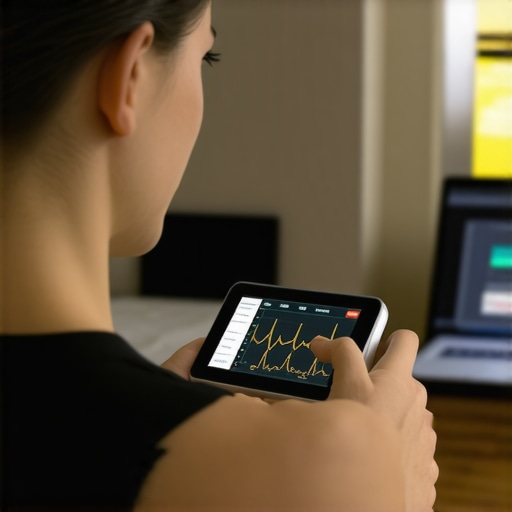
Look into advanced tools and start implementing them—your future self will thank you for it.
,
What I Wish I Knew Before Diving Into My Testosterone Results
One of the most profound lessons I learned was that interpreting hormone levels isn’t just about numbers—it’s about understanding the story they tell about your body’s current state and future potential. I realized early on that relying solely on ranges provided by labs can be misleading; instead, I needed to learn how my unique context affected these figures. This insight has empowered me to take proactive steps rather than reactive measures.
Another takeaway is the importance of viewing lab results as part of a larger wellness puzzle. For example, a seemingly normal testosterone level might mask issues like high SHBG or low free testosterone, which directly influence my energy and mood. Recognizing these nuances has helped me tailor my lifestyle choices more effectively, showing that knowledge truly is power in health management.
Finally, I discovered that consistent tracking and ongoing education are vital. Hormonal fluctuations happen daily and seasonally, so periodic testing coupled with self-education creates a dynamic picture. This approach enables me to make informed adjustments, reinforcing that understanding your results is an ongoing journey, not a one-time event.
My Go-To Resources for Mastering Hormonal Health
First, I highly recommend exploring the comprehensive insights on lab tests in preventive wellness. This resource helped me grasp the practical application of various markers. Second, combining vaccination and lab testing strategies has been instrumental in aligning my immunization plans with my health goals. Lastly, I trust the detailed guidance on early risk detection through labs. These tools and knowledge bases offer a solid foundation to stay proactive, informed, and empowered in my wellness journey.
Your Next Step: Embrace Your Inner Health Detective
Remember, understanding your hormone and lab results isn’t reserved for healthcare professionals—it’s a skill accessible to anyone committed to their health. By actively decoding these numbers and leveraging trusted resources, you’re taking charge of your well-being. Imagine the confidence you’ll feel knowing you’re making informed decisions that truly align with your body’s needs. The future of wellness belongs to proactive individuals ready to interpret, adapt, and thrive.
What’s one health insight you’ve uncovered recently that changed the way you view your wellness? Share your story below—I’d love to hear how empowerment has transformed your health journey!